Commercial Pool Design in Lee County: A Protocol for Mitigating Subtropical Climate Stress and Reducing Long-Term OPEX by 30%
Most commercial pool failures I've seen in Lee County aren't due to a single catastrophic event, but a slow, costly degradation caused by designs that ignore our unique subtropical environment. A standard blueprint simply won't work in places like Cape Coral or Fort Myers Beach. The intense UV exposure, high humidity, corrosive salt air, and sandy, high-water-table soil demand a specialized approach from day one. My entire design philosophy is built around a principle I call "environmental pre-compensation." This means I engineer the pool to not just withstand, but thrive under the specific stresses of our region. This isn't just about meeting the Florida Building Code; it's about creating an asset that has a lower Total Cost of Ownership (TCO) and avoids the common pitfalls I've had to correct on multi-million dollar resort and HOA projects.My Diagnostic Framework: Beyond Standard Blueprints
Before I even consider a pool's shape or features, I begin with my proprietary Subtropical Resilience Assessment. I developed this methodology after witnessing a new luxury condo pool in Bonita Springs require a complete deck and coping replacement within five years. The engineer had specified standard precast concrete pavers and a grout that couldn't handle the constant moisture and ground settlement. It was a costly, avoidable mistake that stemmed from a failure to diagnose the site's specific challenges. My assessment prevents this by focusing on the project's foundational weaknesses from the outset.The Three Pillars of the Subtropical Resilience Assessment
My assessment is not a checklist; it's an investigative process. The core of it rests on three non-negotiable pillars that directly impact the pool's structural integrity and operational efficiency. The first is a deep Geotechnical and Hydrological Analysis. In Lee County, you're almost always dealing with a high water table and sandy soil. Ignoring this is engineering malpractice. I insist on a geotechnical report to understand soil composition and load-bearing capacity. For one project near the Caloosahatchee River, the report revealed a soil layer that was prone to liquefaction. This forced a change from a standard monolithic shell to one reinforced with a system of deep piles, preventing a future structural failure. A dewatering plan during excavation is not an option; it's a mandatory line item. The second pillar is Material Selection for UV and Saline Exposure. The Florida sun is relentless and will degrade inferior materials at an accelerated rate. I specify finishes like a high-density quartz aggregate over a standard marcite or plaster because its service life can be up to 2.5 times longer under constant UV bombardment. For any metal fixtures, from ladders to light rings, I mandate 316L marine-grade stainless steel to combat the corrosive salt air, especially critical for properties on Sanibel or Captiva Island. The third pillar is what I call Peak Bather Load Hydraulics. Many engineers calculate pump and filter needs based on average occupancy. I learned early on that in a tourist-heavy area like ours, you must design for the absolute peak load—think Fourth of July weekend at a resort pool. This means calculating a system that can achieve a turnover rate of four hours or less under maximum stress. I often specify variable frequency drive (VFD) pumps that can operate efficiently at low loads but have the power to handle surges, directly impacting and reducing the property's monthly energy expenditure.From Blueprint to Reality: The Implementation Checklist
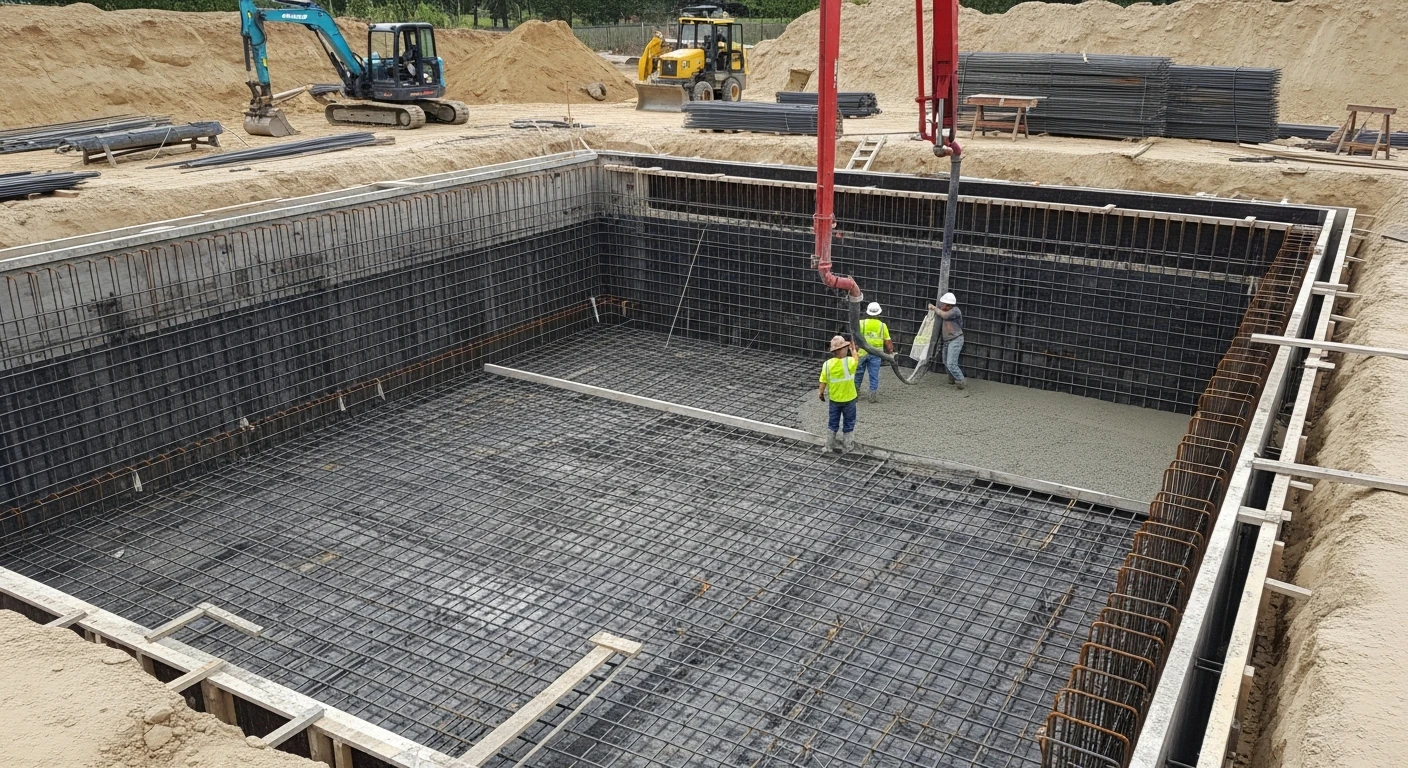
A great design is useless without meticulous execution. I supervise projects based on a critical path checklist that ensures the design's integrity is maintained throughout construction.- Structural Shell Engineering: The concrete shell must be engineered to withstand not only water pressure from within but also the hydrostatic pressure from the surrounding water table when the pool is empty for maintenance. This requires a specific rebar schedule and concrete psi rating that often exceeds minimum code requirements, factoring in potential wind loads during a hurricane event.
- Plumbing and Circulation Layout: I design for perfect circulation to avoid "dead spots" where algae can grow. This involves the strategic placement of returns and the mandatory use of multiple, VGB-compliant main drains. All plumbing lines are pressure-tested to 1.5x their operating pressure for 24 hours before any backfilling occurs. I caught a pinhole leak on a major hotel project with this test, saving them an estimated $50,000 in future leak detection and repair costs.
- Decking and Integrated Drainage: The pool deck is not just a walkway; it's a critical component of the system. I require a minimum 1/4-inch-per-foot slope away from the pool and incorporate inconspicuous channel drains tied directly into the site's stormwater management system. This is vital for handling our intense summer downpours and preventing deck flooding.
- Automation and Chemical Control: Manual chemical balancing for a high-traffic commercial pool in our climate is inefficient and unreliable. I integrate automated systems with ORP and pH sensors that dose chemicals in real-time. This not only ensures water is consistently safe and clear but also prevents over-chlorination, which can damage pool equipment and surfaces over time, reducing chemical costs by an average of 25-35% annually.
Post-Construction QA: Verifying Performance Metrics
The job isn't finished when the pool is filled. I conduct a series of performance verification tests to ensure the as-built system matches the design specifications. This includes a dye test to visually confirm circulation patterns and ensure there are no hydraulic dead zones. I also use a flow meter to verify the actual turnover rate and cross-reference it with the pump's performance curve and the calculated Total Dynamic Head (TDH) of the system. This final quality assurance step guarantees the client is receiving a pool that performs exactly as I promised. Is your current pool design proposal based on generic load calculations, or has it been specifically engineered to withstand the hydrostatic pressure from Lee County's water table during a post-hurricane flood event?Written by

Tags
commercial pool builders
commercial pool designer
commercial swimming pool design
pool commercial
Commercial Pool Design in Lee FL FAQ
What is commercial pool design?
Commercial pool design refers to the process of creating a custom pool design for commercial properties, such as hotels, resorts, gyms, and public recreational facilities. Our team of experts works closely with clients to understand their specific needs and preferences, and designs a pool that meets their unique requirements and exceeds their expectations.
Why is commercial pool design important?
Commercial pool design is important because it ensures the safety, functionality, and aesthetic appeal of the pool. A well-designed pool can increase property value, improve customer satisfaction, and even enhance the overall ambiance of the surrounding area. Our commercial pool design services help clients achieve their goals and create a memorable experience for their customers.
What services do you offer for commercial pool design?
Our commercial pool design services include pool layout design, water feature design, deck and surrounding area design, and construction administration. We also offer pool renovation and retrofitting services for existing pools. Our team is dedicated to providing innovative and practical solutions that meet the specific needs of each client.
How do you approach commercial pool design?
We take a holistic approach to commercial pool design, considering factors such as budget, functionality, and aesthetics. Our team of experts works closely with clients to understand their goals and preferences, and uses cutting-edge technology and design software to create a custom design that meets their unique needs. We also consider local building codes, regulations, and environmental factors to ensure compliance and sustainability.
What are the benefits of working with your commercial pool design team?
By working with our commercial pool design team, clients can expect to receive a custom design that is tailored to their specific needs and goals. Our team of experts has extensive experience in commercial pool design and is committed to providing innovative and practical solutions. We also offer competitive pricing, timely project completion, and exceptional customer service.
Can you provide examples of your commercial pool design work?
Yes, we would be happy to provide examples of our commercial pool design work. Please visit our portfolio page to view some of our latest projects, which showcase our expertise in creating custom pool designs for hotels, resorts, gyms, and public recreational facilities.
How do I get started with commercial pool design services?
To get started with our commercial pool design services, simply contact us through our website or by phone. We would be happy to schedule a consultation to discuss your project and provide a custom quote. Our team is dedicated to providing exceptional service and delivering high-quality results for our clients.