Energy-Efficient Pool Equipment: My Protocol for Slashing Collier County FPL Bills by up to 70%
I’ve seen the same expensive mistake made in multi-million dollar homes from Port Royal to Marco Island: a brand new, beautiful pool handicapped by an archaic, energy-guzzling pump. The real problem in Collier County isn't just the long, sun-drenched pool season; it's the widespread reliance on oversized, single-speed pumps running on a "set it and forget it" schedule that completely ignores our local climate and Florida Power & Light (FPL) rate structures. This approach is like leaving a V8 engine idling 24/7 just to charge a smartphone. My methodology isn't about simply selling you a new piece of equipment. It’s a complete system recalibration based on a proprietary audit I developed after seeing countless homeowners overpay. I focus on matching the equipment's operational physics to the specific hydraulic demands of your pool, a step most installers overlook. The result is a system that not only maintains a pristine pool but also achieves a reduction in pump-related energy costs of 50-70%.The Single-Speed Pump Fallacy: Diagnosing Energy Waste from Naples to Golden Gate
The most common error I encounter is a "bigger is better" mentality. A pool builder in a new construction in Golden Gate Estates might install a powerful 2 HP single-speed pump, thinking it guarantees performance. In reality, it creates excessive backpressure, runs at a single, deafeningly loud and inefficient speed, and costs a fortune. My diagnostic process begins where their work ends. My first step is never to look at the pump label. Instead, I conduct a full Total Dynamic Head (TDH) analysis. This is a measure of the total resistance in your pool’s plumbing system. I calculate the friction loss from every pipe, 90-degree elbow, and feature, from the skimmer to the heater. This gives me a precise number, in feet of head, that dictates the exact power needed. In Collier County, the intense sun and warm water significantly increase sanitizer demand, which means filtration turnover is critical, but brute force is the wrong, and most expensive, solution.Calibrating VSPs for Peak Performance and FPL Off-Peak Savings
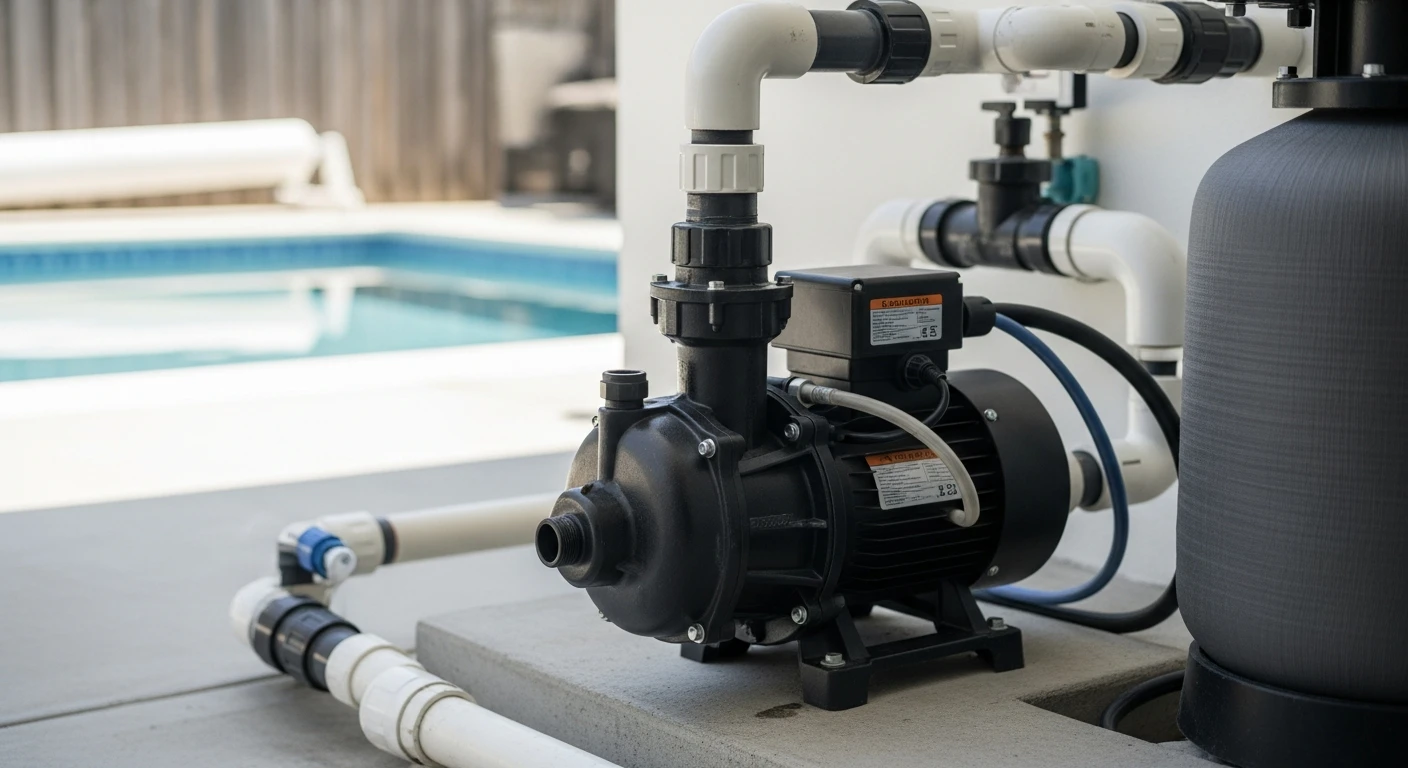
This is where the real "information gain" happens for my clients. The magic of a variable-speed pump (VSP) isn't just its existence, but its precise calibration based on the Affinity Laws of fluid dynamics. Here’s the secret: if you reduce the pump's motor speed (RPM) by half, you reduce the energy consumption by nearly 87.5%. It's a non-linear relationship that unlocks massive savings. I don’t use factory presets. I program a custom schedule based on your TDH calculation and lifestyle.- Daily Filtration: I find the lowest possible RPM that achieves the required GPM (gallons per minute) for one full turnover. This often runs for a longer period but at a fraction of the energy cost, typically during FPL's off-peak hours to maximize savings.
- Feature Operation: A slightly higher RPM is programmed for running a spa spillover or waterfall, active only when you need it.
- Cleaning Cycle: A high-speed setting is reserved for short bursts, typically for vacuuming or clearing debris after one of our famous afternoon thunderstorms.
My Field-Tested Retrofit Blueprint for Maximum Efficiency
Replacing equipment is just one part of a larger strategy. I follow a strict, field-tested protocol to ensure every component works in harmony for peak efficiency. This isn't just about swapping a box; it's about re-engineering your pool's circulatory system.- System Sizing Audit: I begin with a precise measurement of your pool's volume, sun exposure, and bather load. I use this to determine the target turnover rate and the exact GPM requirement for proper sanitation.
- Equipment Selection & Pairing: Based on the TDH and GPM numbers, I select a VSP that will operate in the middle of its efficiency curve, not at its max limit. I pair this with an oversized cartridge filter, which reduces backpressure and lengthens the time between cleanings—a critical convenience for busy homeowners.
- Plumbing Optimization: During installation, I identify and often replace inefficient plumbing. My goal is to create a laminar flow by using larger diameter pipes (when possible) and sweeping elbows instead of hard 90-degree turns. Every bit of reduced friction is a direct energy saving.
- Automation & Programming: I integrate the VSP with a modern automation panel. This allows for the custom scheduling I mentioned and gives the homeowner simple, one-touch control over their entire pool environment.
The Final 10%: Fine-Tuning Flow Rates and Verifying Savings
My job isn't finished when the pump turns on. The final, critical phase is what guarantees the promised results. I use a portable, digital flow meter to measure the actual GPM at each programmed RPM setting. If the flow rate is too low for proper filtration at my target energy-saving speed, I make micro-adjustments to the RPM until the balance is perfect. This verification is a non-negotiable part of my quality standard. After the first full billing cycle, I follow up with the client to analyze their FPL statement. We review the "kWh Used" section and compare it to previous months. Seeing the tangible, documented drop in energy consumption is the ultimate proof of a job done right. This data-driven approach transforms a simple equipment upgrade into a measurable home investment. Has your pool professional ever measured your system's Total Dynamic Head, or are they just guessing with your electricity bill?Written by

Tags
high efficiency pool pump
energy star pool pump
most efficient pool pump
energy efficient swimming pool pumps
Energy-efficient Pool Equipment in Collier FL FAQ
What is energy-efficient pool equipment?
Energy-efficient pool equipment refers to devices and systems designed to reduce energy consumption and minimize the environmental impact of pool operation. These equipment are designed to minimize energy waste, reduce carbon footprint, and provide cost-effective solutions for pool owners.
Why is energy-efficient pool equipment important?
Energy-efficient pool equipment is important because it helps to reduce energy consumption, which can lead to significant cost savings and a reduction in carbon emissions. It also helps to extend the life of your pool equipment, reducing the need for frequent replacements and maintenance.
What are some examples of energy-efficient pool equipment?
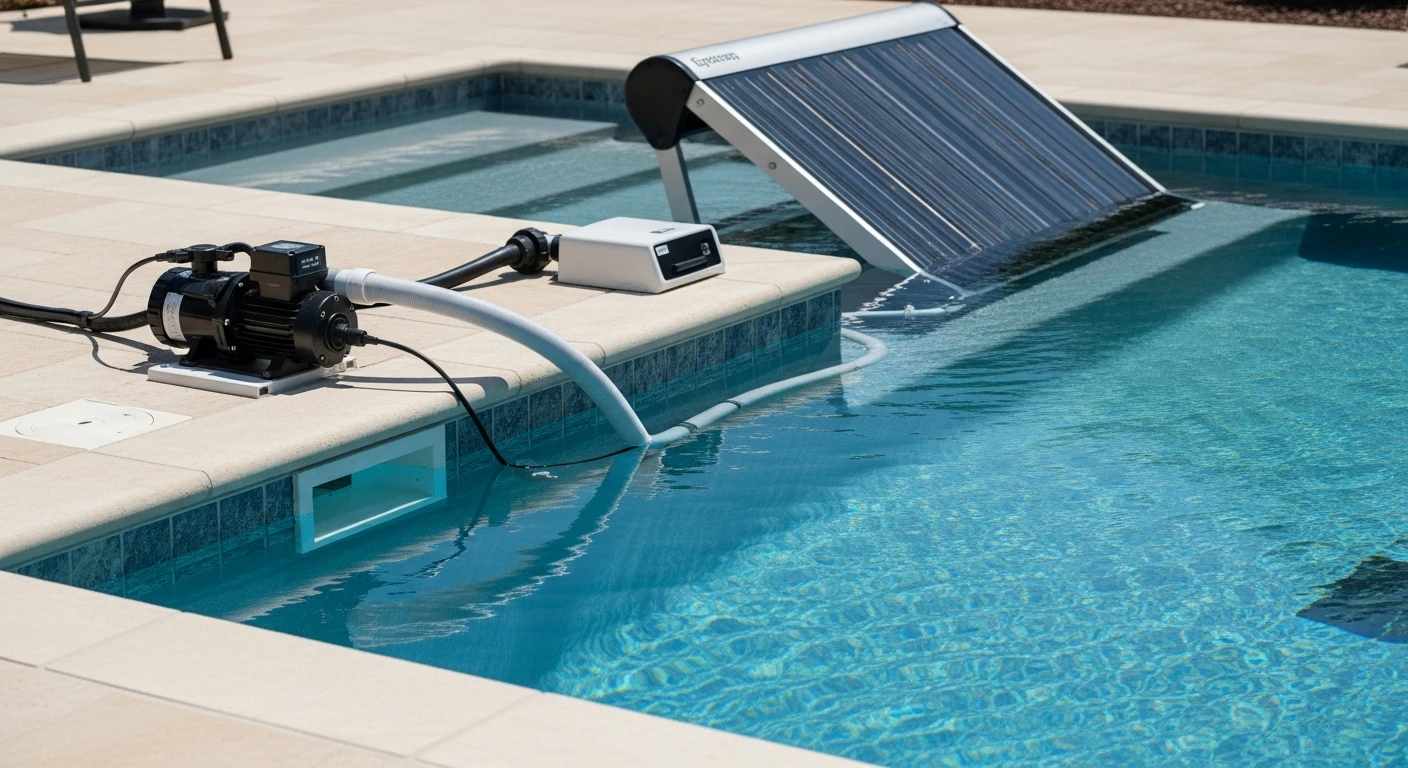
Some examples of energy-efficient pool equipment include variable speed pumps, high-efficiency filters, LED pool lights, and solar-powered pool heaters. These equipment are designed to provide optimal performance while minimizing energy consumption.
How can I choose the right energy-efficient pool equipment for my pool?
To choose the right energy-efficient pool equipment for your pool, consider the following factors: pool size, pool usage, and local energy costs. Consult with a professional or conduct research to find the most suitable equipment for your specific needs and budget.
What are the benefits of upgrading to energy-efficient pool equipment?
The benefits of upgrading to energy-efficient pool equipment include reduced energy costs, extended equipment life, reduced carbon emissions, and improved pool performance. Additionally, energy-efficient pool equipment can increase your property value and appeal to environmentally conscious buyers.
How can I maintain my energy-efficient pool equipment?
To maintain your energy-efficient pool equipment, follow the manufacturer's instructions, perform regular cleaning and maintenance, and conduct routine inspections to identify any potential issues before they become major problems.
Can I still enjoy my pool during the winter months with energy-efficient pool equipment?
Yes, energy-efficient pool equipment allows you to enjoy your pool during the winter months while minimizing energy consumption. Many energy-efficient pool equipment options, such as solar-powered pool heaters, can operate during the winter months to keep your pool warm and enjoyable.
Are energy-efficient pool equipment options available for all pool types?
Yes, energy-efficient pool equipment options are available for various pool types, including in-ground, above-ground, and saltwater pools. Consult with a professional or conduct research to find the most suitable energy-efficient pool equipment for your specific pool type and needs.
Can I install energy-efficient pool equipment myself?
While some energy-efficient pool equipment options can be installed by a DIY enthusiast, it is recommended to hire a professional for installation and maintenance. Incorrect installation can lead to reduced performance, increased energy consumption, and potential equipment damage.