Large Pavers For Patio: My Protocol for Zero-Shift Installation in Collier County's Sandy Soil
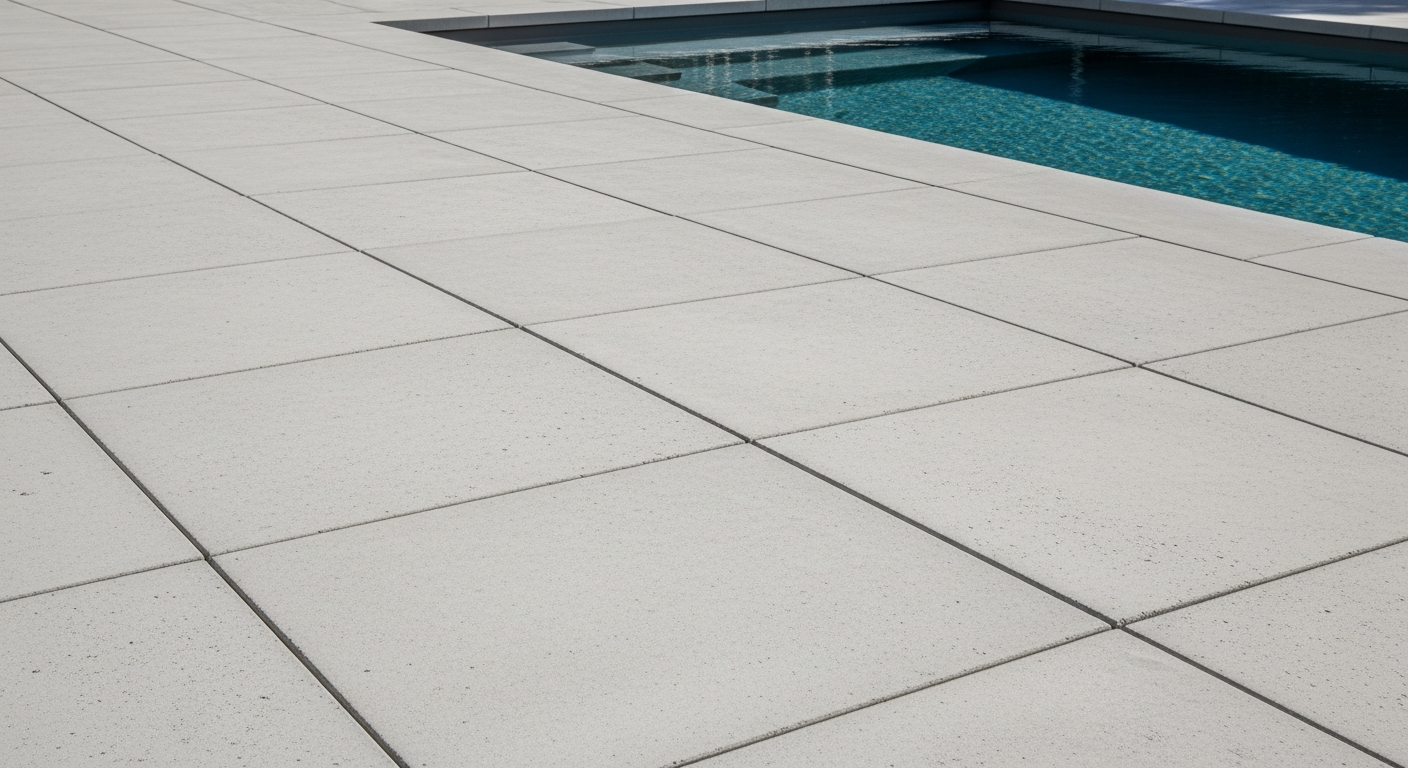
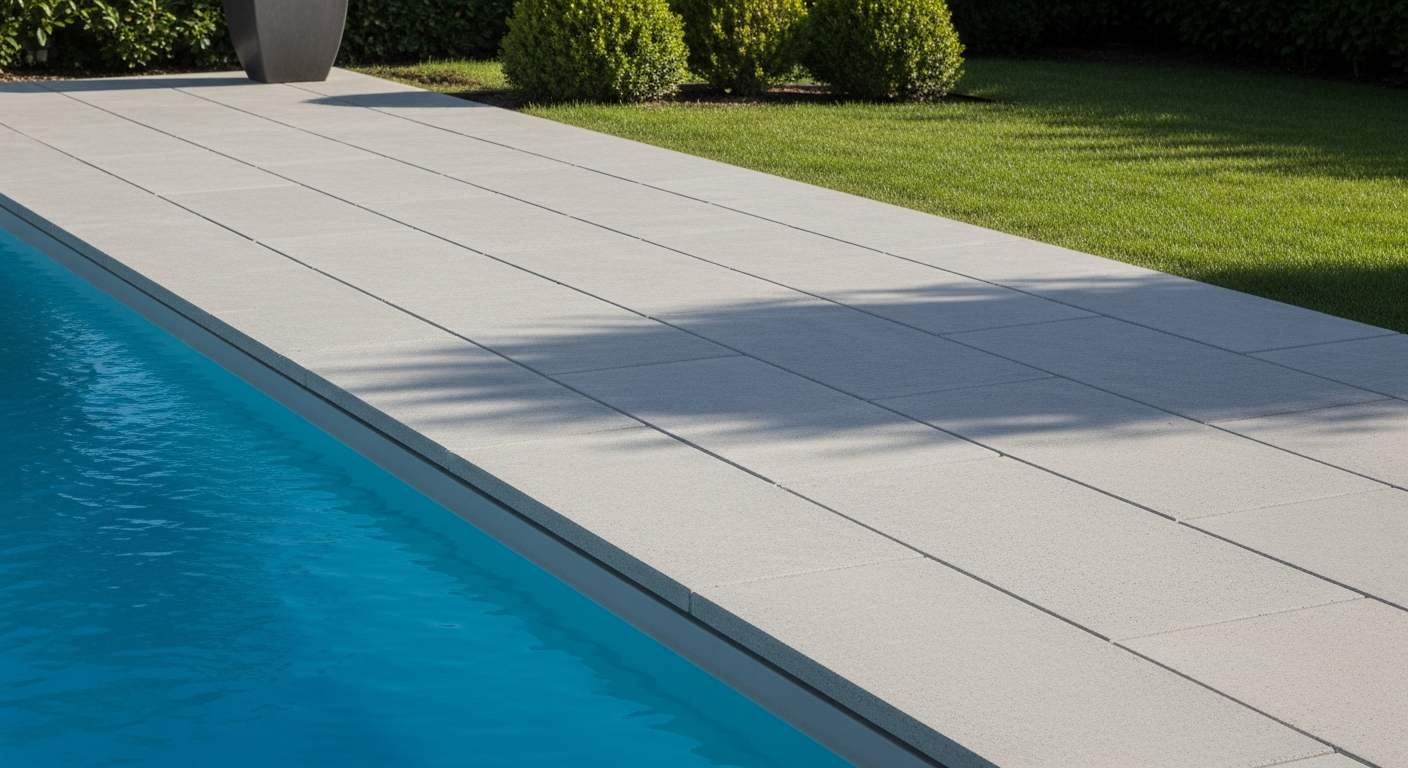
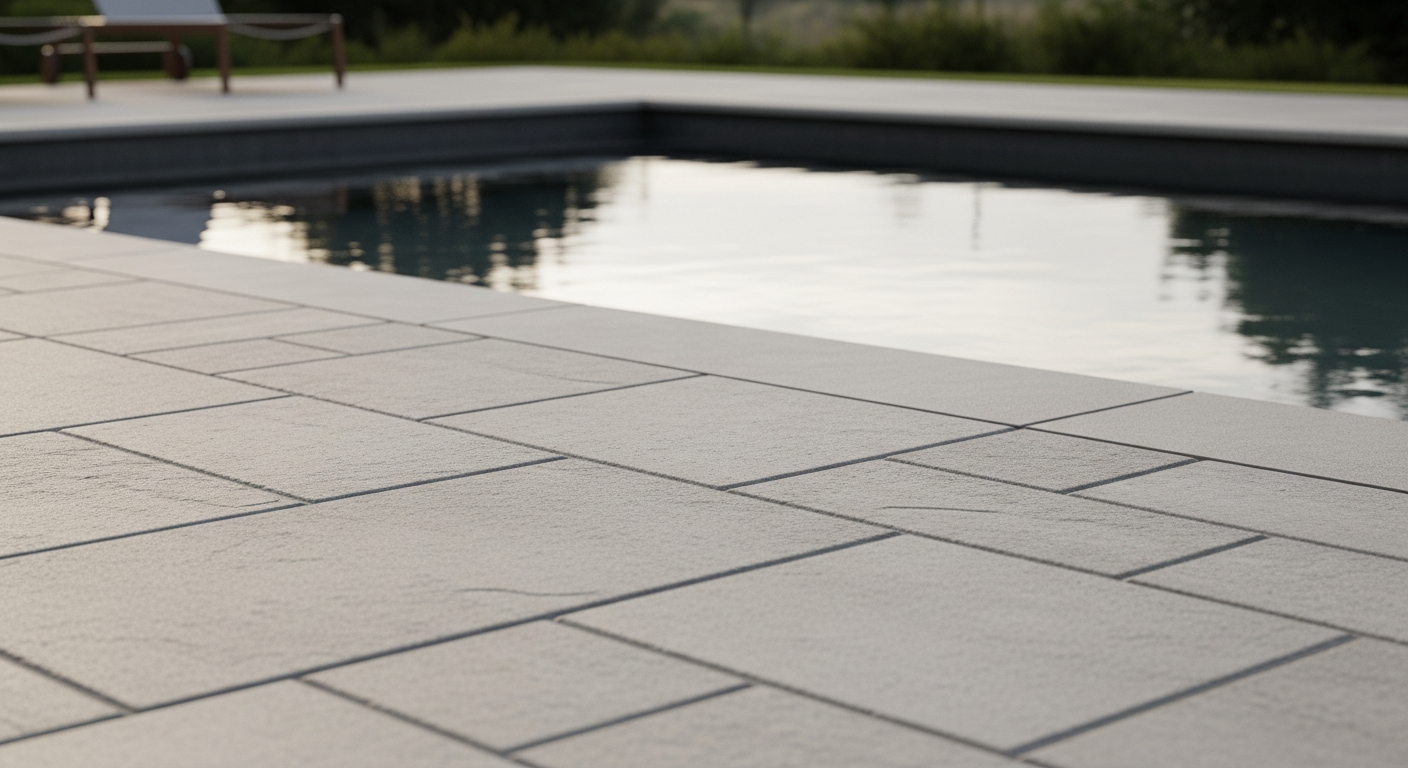
Choosing large format pavers for a patio in Collier County isn't just an aesthetic decision; it's an engineering challenge against our unique subtropical climate and sandy soil. I’ve seen too many beautiful, expensive patios in Naples and Marco Island fail within three years due to one critical oversight: an inadequate sub-base that can't handle the torrential summer rains and shifting ground. The single most common failure point is not the paver itself, but the foundation it rests on. My entire approach is built around preventing this failure from day one. I developed what I call the Collier County Sub-Base Stabilization Protocol. This isn't a generic industry standard; it's a specific methodology I refined after remediating a sinking travertine patio at a waterfront property in Port Royal. The original installer used a standard 4-inch base, which completely liquefied and shifted during a heavy storm season. My protocol increases base depth and incorporates materials specifically to combat our local conditions, ensuring a patio with zero-shift performance for a projected 25% longer lifespan.My Diagnostic Framework for Large Format Paver Longevity
Before a single paver is laid, I perform a site-specific analysis. Standard paver installation guides are dangerously generic for our region. The high water table and poorly draining sandy soil, especially prevalent in areas like Golden Gate Estates, demand a custom approach. A client in Pelican Bay wanted massive 36x36 inch porcelain tiles, and my initial diagnosis revealed a significant grading issue that would have channeled storm runoff directly under the patio. A standard installation would have been a disaster. My diagnostic process focuses on three non-negotiable variables: soil composition, water runoff patterns, and load-bearing requirements. Ignoring any of these is the primary reason large pavers heave, crack, or develop severe lippage (uneven edges).The Technical Core: Sub-Base, Material Selection, and Jointing
My Sub-Base Stabilization Protocol is the technical heart of every project. It directly addresses Collier County's environmental pressures. Here’s the breakdown:- Sub-Base Composition: I mandate a minimum 6-inch compacted aggregate base (typically FDOT-approved #57 stone), a full 50% deeper than the industry standard. For high-moisture areas or unstable soil, I integrate a geotextile stabilization fabric between the native soil and the aggregate. This fabric is my secret weapon; it prevents the aggregate from sinking into the sand, drastically improving load distribution and preventing subsidence.
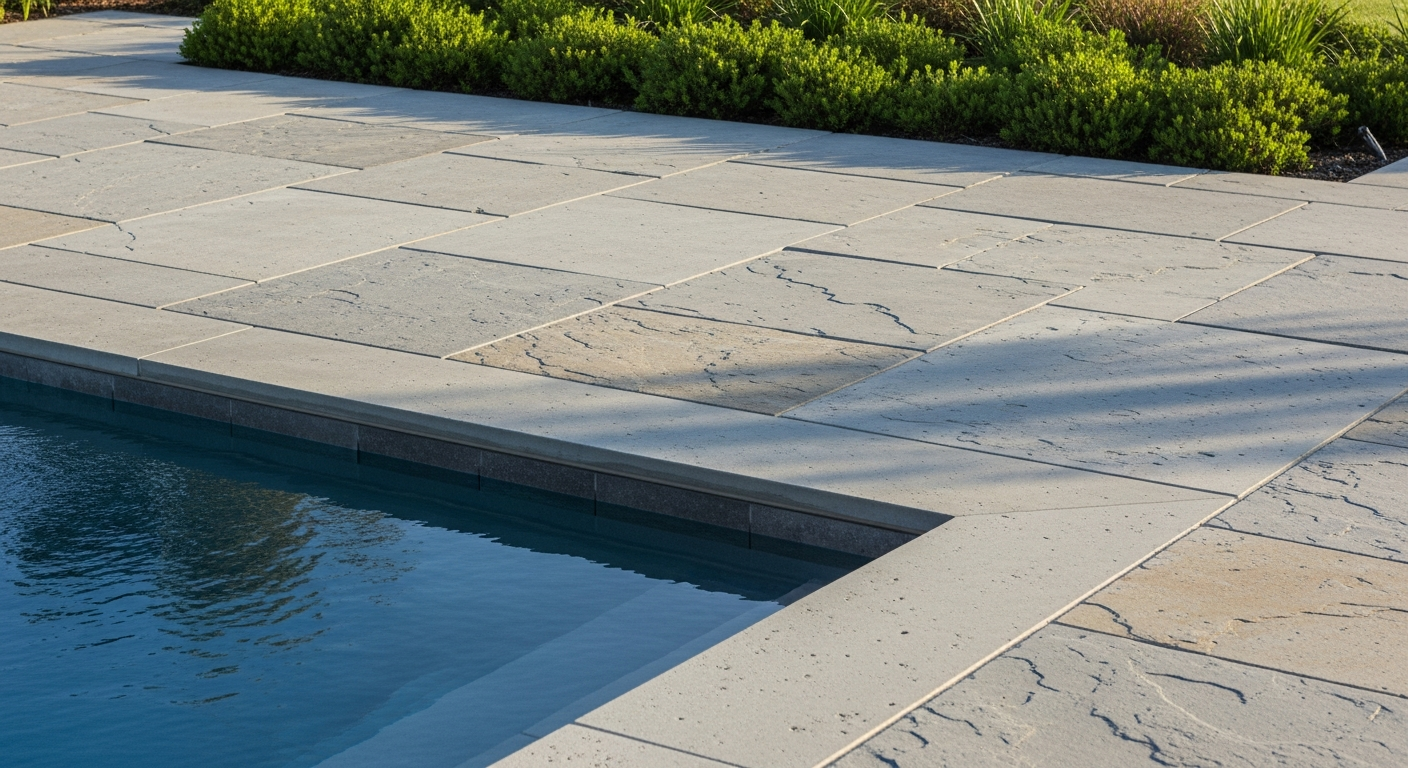
- Material Selection for the Florida Sun: While natural travertine is a popular choice for its classic look, I often guide clients toward high-density porcelain pavers. They offer a near-zero water absorption rate, which is critical for resisting mold and mildew in our humidity. Furthermore, their color is baked through the entire tile, making them exceptionally UV-resistant to fading, a major issue I've seen with lower-quality colored concrete pavers in full-sun Naples backyards.
- Jointing Compound: Using regular sand is professional malpractice in this climate. The intense rain will wash it out in a single season. I exclusively use a high-performance polymeric sand. The key is in the application: it must be swept into dry joints on a perfectly dry surface and then activated with a precise mist of water. One common error I fix is over-watering, which weakens the bond. This sand hardens like a mortar, locking the large pavers together and inhibiting both weed growth and insect intrusion.
Executing the Zero-Shift Installation: A Step-by-Step Breakdown
A flawless result depends on methodical execution. I treat the installation of large pavers less like landscaping and more like precision engineering. Deviating from the sequence guarantees problems. This is my field-tested checklist for every Collier County patio project.- Step 1: Precision Excavation: I calculate the excavation depth based on the paver thickness, a 1-inch sand setting bed, and the 6-inch compacted base. For a 2-inch thick paver, this means a total excavation of 9 inches.
- Step 2: Base Compaction & Grading: The aggregate base is laid in 3-inch lifts. Each lift is compacted to a 98% Proctor Density using a plate compactor. A consistent grade of at least 1/4 inch per foot away from the home's foundation is established at this stage. This is a critical KPI for ensuring proper drainage.
- Step 3: Bedding Sand Screeding: A 1-inch layer of clean, coarse concrete sand is laid over the compacted base. I use screed rails to ensure this setting bed is perfectly level and flat, as large pavers are extremely unforgiving of any imperfections.
- Step 4: Paver Placement: Each paver is placed, not dropped, into position. I use a rubber mallet to gently set the paver and ensure it's flush with its neighbors, maintaining a consistent 1/8 to 1/4 inch joint space for the polymeric sand.
- Step 5: Final Compaction & Jointing: Once all pavers are laid, I run the plate compactor over the entire surface (with a protective mat to prevent scratches) to lock them into the bedding sand. Only then is the polymeric sand carefully swept into the joints and activated.
Post-Installation Tuning for Naples' Climate
The job isn’t finished after the last paver is set. For Collier County, post-installation sealing is a critical step I insist on. I wait at least 30 days for any efflorescence (white, salty deposits) to appear and be cleaned. Afterward, I apply a high-quality, two-part silane/siloxane penetrating sealer. Unlike cheap acrylic sealers that create a film on top, this type penetrates the paver itself. It provides excellent water repellency and stain resistance without making the surface slippery—a vital safety factor around pools—and includes robust UV inhibitors to protect the paver’s color and integrity from the relentless Florida sun. This final step can increase the period between deep cleanings by up to 50%. Given the high salinity in coastal areas like Marco Island, have you considered how your choice of sealant's chemical base will react with travertine versus porcelain over a 5-year period?Written by

Tags
large concrete pavers
large pavers for walkway
extra large pavers
large cement pavers
large outdoor pavers