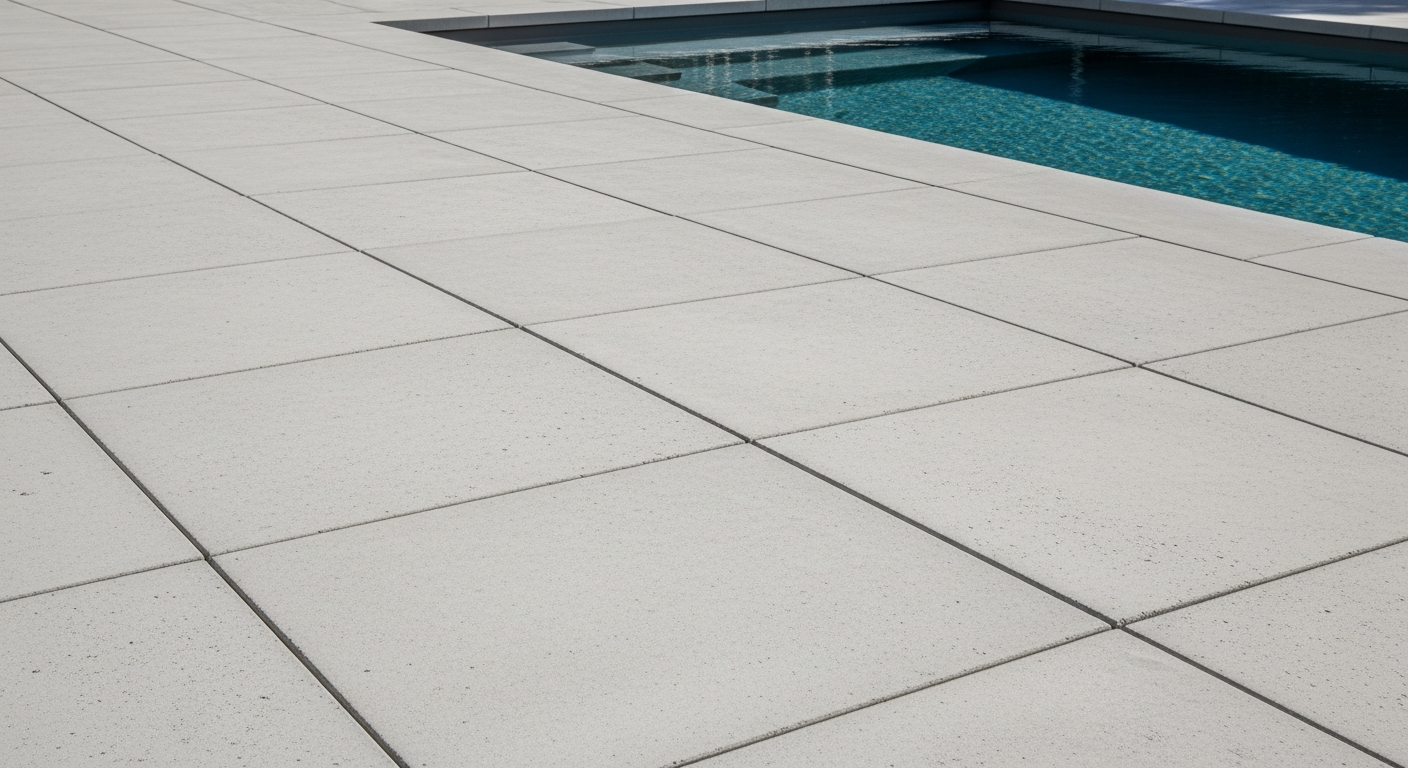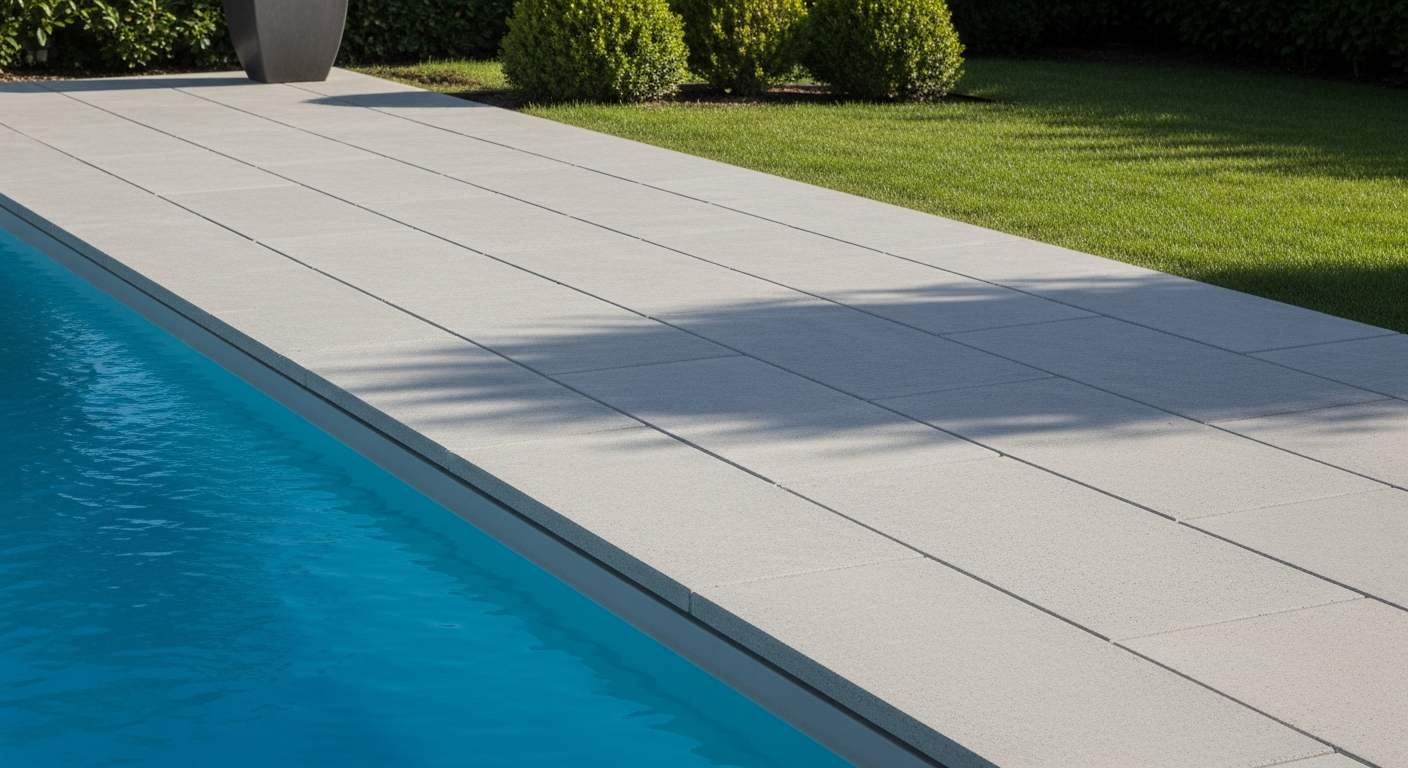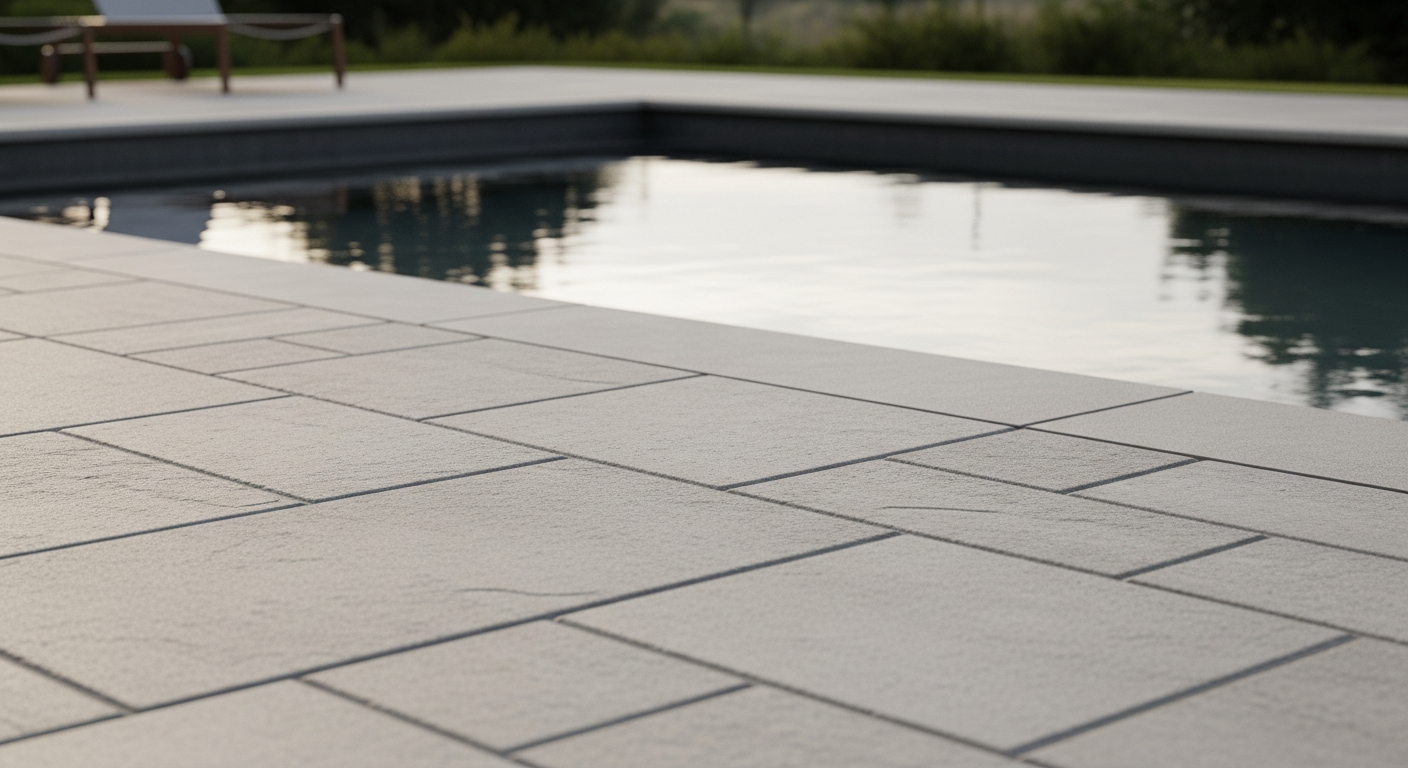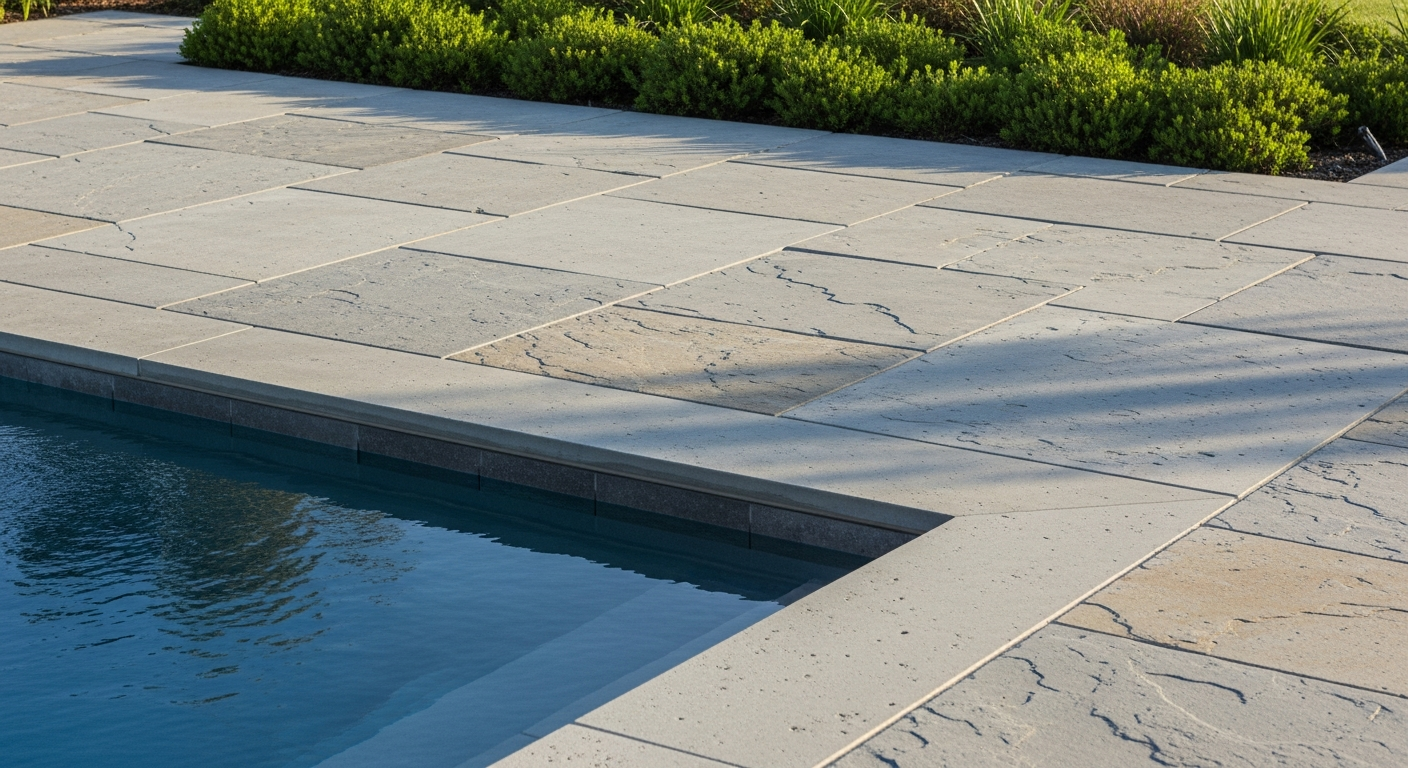
Large Stone Pavers in Osceola County: A Sub-base Protocol to Eliminate Heaving and Water Pooling
I’ve spent years correcting failed large stone paver installations across Osceola County, from new constructions in Celebration to older properties in Kissimmee. The consistent point of failure isn't the quality of the paver itself, but a fundamental misunderstanding of our unique ground conditions. The combination of sandy soil and intense, sudden rainfall requires a specialized approach that goes far beyond standard installation guidelines. A generic base will inevitably lead to shifting, uneven surfaces, and water damage within two to three years. My entire methodology is built on preventing these issues before a single paver is laid. It’s a sub-base-first philosophy that directly counteracts the local challenges. The most common mistake I see is insufficient compaction and the wrong type of aggregate base, which allows our heavy summer downpours to wash out the bedding sand from below. This creates voids, causing the large, heavy pavers to sink and heave. My protocol ensures a stable, interlocked foundation that provides a lifespan increase of at least 50% over conventional methods.The Osceola Interlocking Matrix: My Diagnostic Framework
Before I even consider paver patterns, my process begins with a soil and drainage analysis. Standard practice often involves a simple "dig and dump" of paver base. This is a recipe for disaster in areas like St. Cloud, where the water table can be high. I once had to completely excavate a large pool deck project near Lake Toho because the previous contractor used a single-layer, poorly compacted base that had turned into a soupy mess after one rainy season. The large format travertine pavers were literally floating. My diagnostic framework, the Osceola Interlocking Matrix, is a three-part analysis that dictates the entire sub-base construction. It’s not about guessing; it's about engineering a foundation specific to the property. This is the behind-the-scenes work that guarantees a flat, stable surface for decades, not just until the first tropical storm passes.Sub-base Technical Specifications for Florida's Climate
The core of my system lies in a multi-layered, soil-separated foundation. Each component has a specific function tied directly to Osceola's environment.- Soil Compaction Analysis: I don't just "tamp it down." I perform a modified compaction test to determine the optimal moisture content of the native sandy soil before compacting. Compacting dry sand is useless; it needs a specific moisture level to achieve the required 95% proctor density. This single step prevents the majority of long-term settling issues.
- Geotextile Fabric Selection: This is my most critical "trick of the trade." I exclusively use a non-woven geotextile separation fabric. Its purpose is not weed-blocking; it is to prevent the expensive aggregate base from migrating down into the fine sand subgrade over time. This preserves the structural integrity of the base, especially with the hydraulic pressure from heavy rains.
- Two-Stage Aggregate Base: I never use a single type of aggregate. My first layer is a 4-inch compacted base of #57 stone (a clean, angular gravel). This provides excellent drainage and a super-stable foundation. On top of that, I add a 2-inch compacted layer of paver base (#89 stone and screenings) to create a finer, smooth surface for the bedding sand. This two-stage approach creates an unshakable, interlocking platform.
Implementation Protocol: A Step-by-Step Breakdown
Executing the installation requires precision. There is no room for "good enough." Every step builds upon the last, and a shortcut in one area will compromise the entire system. This is the exact sequence I follow for every project, whether it's a driveway for a single-family home in Poinciana or a sprawling patio for a vacation rental.- Calculate and perform the excavation to a depth of at least 8 inches for patios and 12 inches for driveways.
- Compact the native soil subgrade to the predetermined density, adjusting moisture as needed.
- Install the geotextile separation fabric, ensuring a 12-inch overlap at all seams.
- Lay and compact the first 4-inch lift of #57 stone aggregate.
- Lay and compact the second 2-inch lift of paver base aggregate.
- Screed a uniform 1-inch layer of clean, coarse bedding sand. This is a leveling layer, not a structural one.
- Begin laying the large stone pavers, using spacers to ensure consistent 1/8-inch to 1/4-inch gaps for the jointing sand.
- Install a robust concrete bond beam edge restraint, especially in high-traffic or curved areas. Plastic edging will fail in the Florida sun.
- After all pavers are set, compact the surface with a plate compactor fitted with a protective mat to lock them into the bedding sand.
- Sweep high-quality, moisture-activated polymeric sand into the joints, removing all excess from the paver surfaces before activating with a light mist of water.
Precision Adjustments and Quality Control Standards
The final details are what separate a professional job from a liability. For instance, the grade is non-negotiable. I use a laser level to verify a minimum 2% slope away from any structures. This ensures that the torrential downpours Osceola County is known for are channeled away from the home's foundation, preventing costly water intrusion issues. The choice of polymeric sand is also critical; I use a brand specifically formulated for wider joints and high humidity to prevent it from washing out or failing to cure properly. This ensures the joints remain locked, preventing weeds and ant hills from taking over. Instead of asking about the cost per square foot, are you prepared to discuss the required sub-base compaction rate for your specific soil type?Written by

Tags
large stone pavers
extra large pavers
large driveway pavers
large rectangle pavers
large pavers for sale