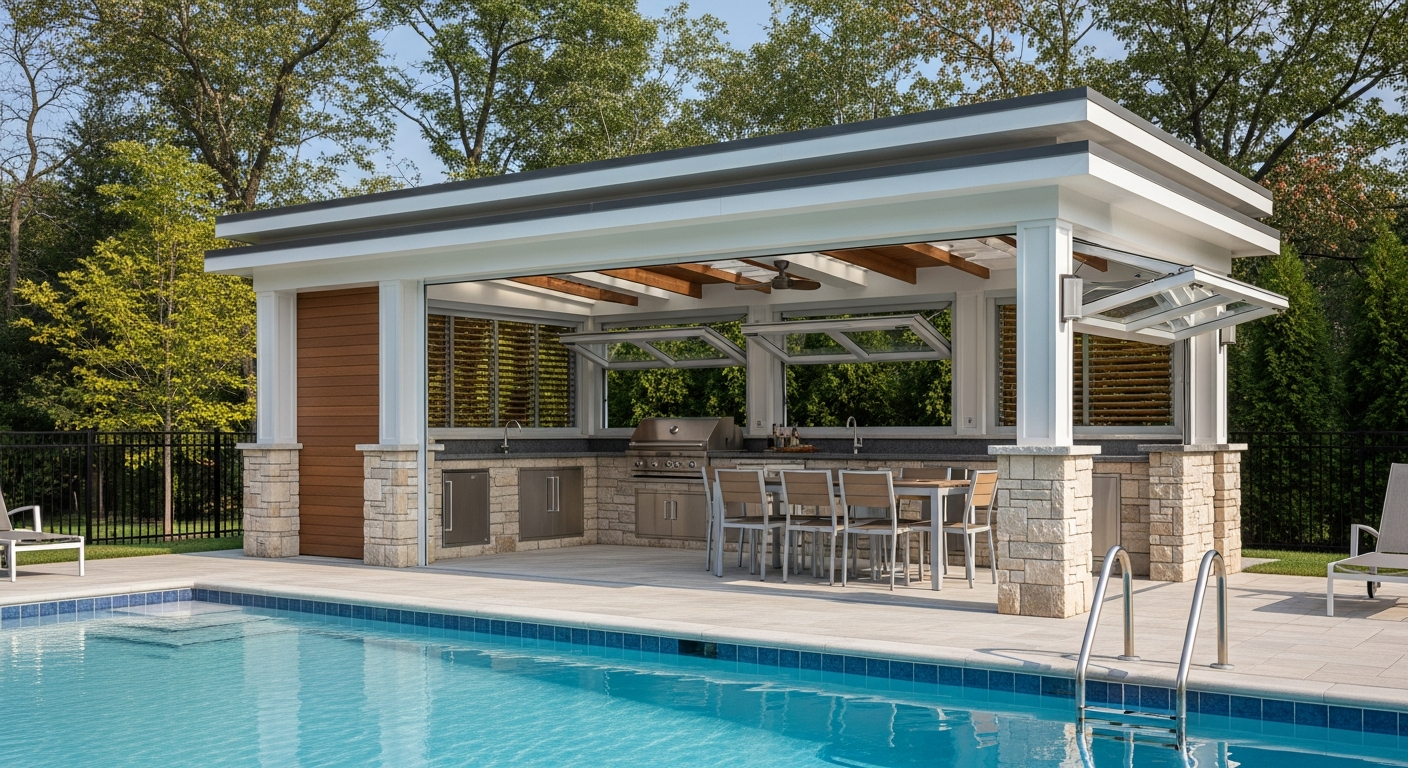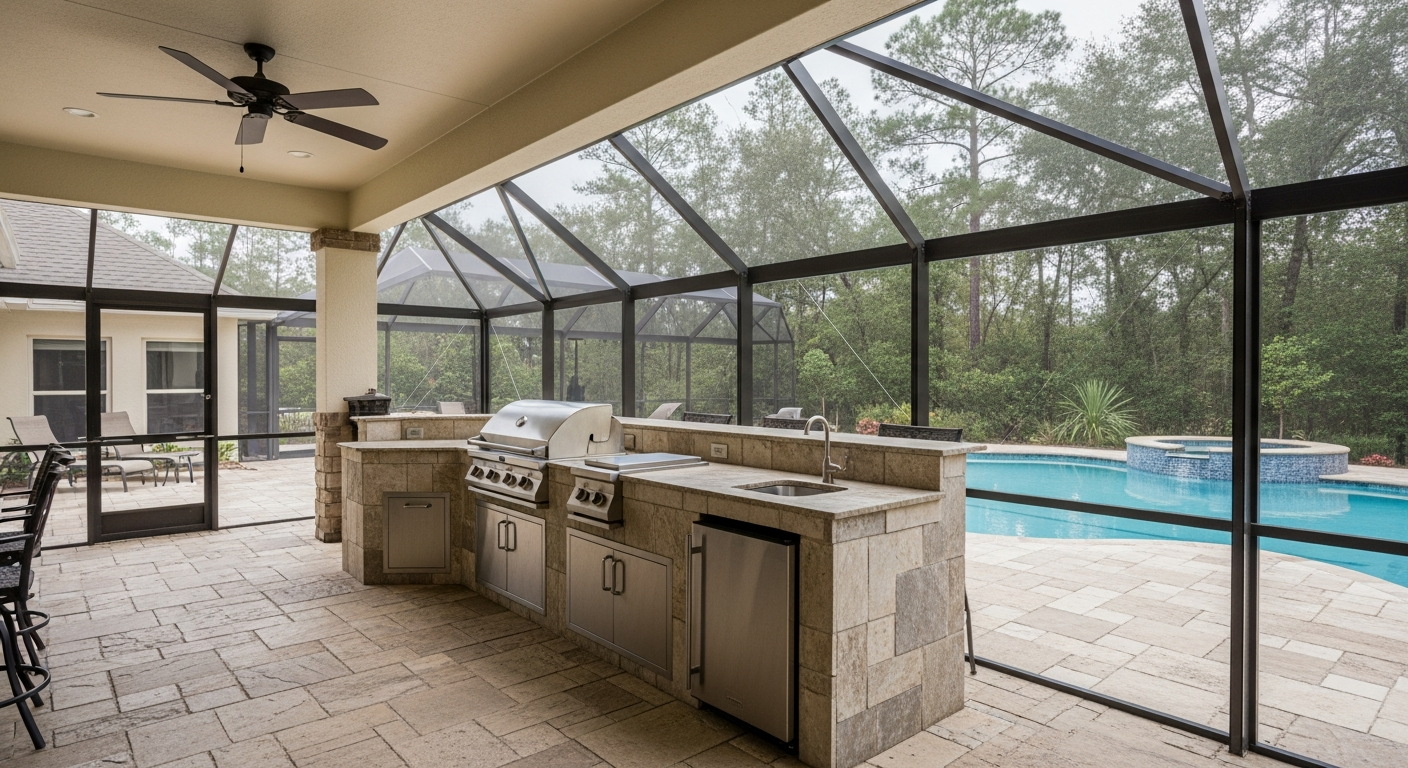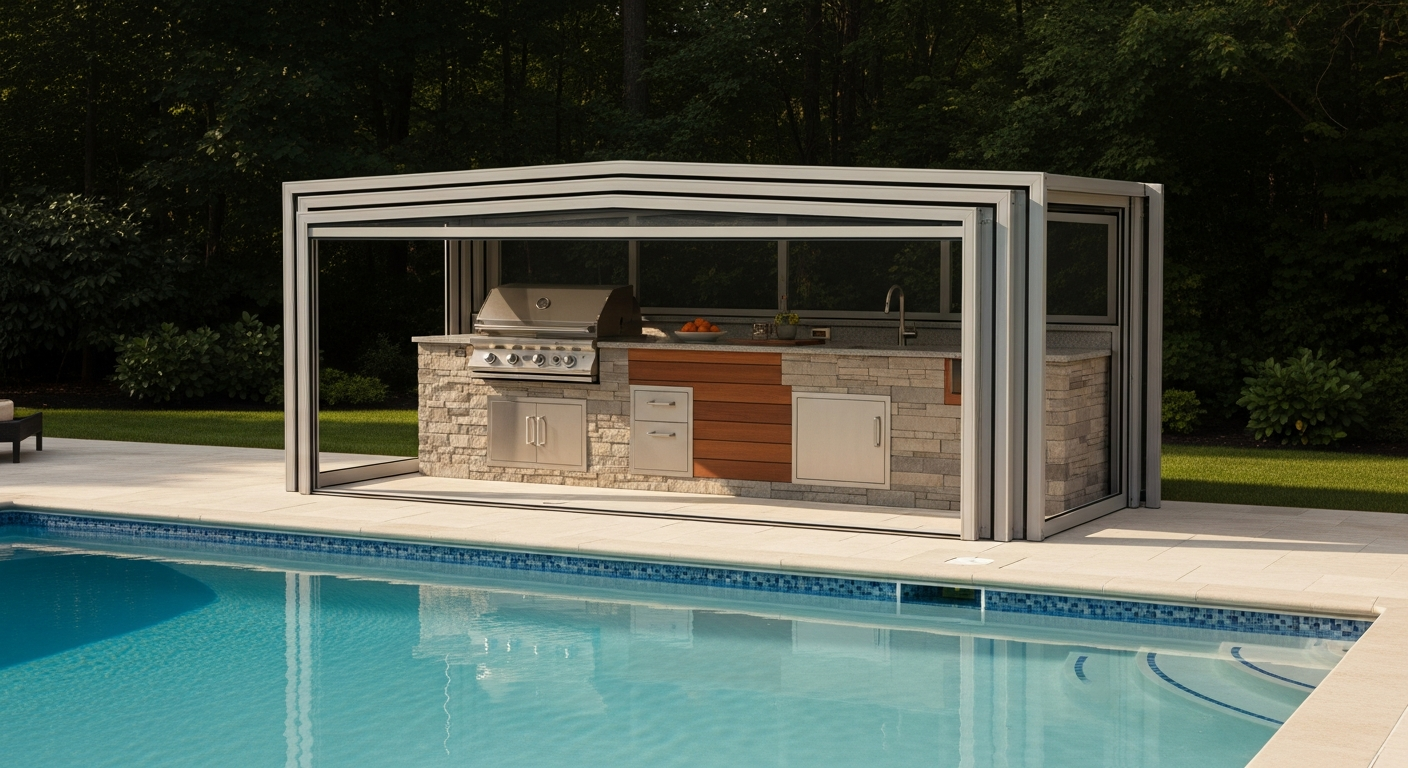
Enclosed Outdoor Kitchen Osceola County: A Framework for Eliminating Humidity-Driven Degradation
Building an enclosed outdoor kitchen in Osceola County isn't just about grills and countertops; it's a battle against constant, oppressive humidity and intense solar gain. I've seen too many high-end projects in areas like Celebration and Reunion fail within five years due to material choices that simply can't handle our subtropical climate. The most common error is underestimating the corrosive power of trapped moisture, leading to warped cabinetry, failing appliances, and persistent mildew. My approach is radically different. It’s not about aesthetics first; it’s about creating a hermetically considered space that actively combats environmental stressors. This involves a specific material and ventilation protocol I developed after remediating a disastrously mold-infested lanai conversion in Kissimmee. The goal is to achieve a stable internal environment that increases the lifespan of all components by a minimum of 40%.My Diagnostic Protocol for Osceola's Unique Climate Challenges
Before any design is sketched, I perform a site-specific environmental analysis. The average outdoor kitchen design firm focuses on layout. I focus on the three silent killers of Osceola County projects: Subtropical Humidity, UV Radiation, and Air Stagnation. My methodology insists on quantifying these threats first. For a property near Lake Tohopekaliga, for instance, the ambient humidity is consistently higher, demanding more aggressive moisture mitigation than a project in a more developed part of St. Cloud. Ignoring this is the single biggest point of failure I encounter.Material Science & Ventilation: The Non-Negotiables
Here’s where theory meets execution. Generic advice is useless here; specifics are everything. Based on my field data, these are not recommendations, but requirements for a lasting build in this county.- Cabinetry and Framing: Forget wood, even "marine-grade" plywood. It will eventually fail. I exclusively specify closed-cell PVC cabinetry or powder-coated stainless steel. For structure, steel studs are a must over wood to prevent any chance of rot or termite infestation, which is a significant issue in Osceola.
- Appliance Specification: Any outdoor appliance used must be constructed from 316L marine-grade stainless steel. Standard 304 grade, often sold as "outdoor-rated," will show pitting and rust within 24 months in our humid air. This is a detail I’ve had to correct on multi-million dollar homes.
- Ventilation Engineering: This is my proprietary core. A standard vent hood is not enough. I calculate the required CFM (Cubic Feet per Minute) based not just on the grill's BTU output, but on the total cubic volume of the enclosed space. The goal is a full air exchange every three minutes during operation. For a powerful grill, this often necessitates a makeup air system to prevent negative pressure, a detail almost universally overlooked that can affect the performance of other household appliances.
The 5-Phase Implementation Blueprint for a Hurricane-Resistant Build
Execution must be flawless. A single poorly sealed joint can compromise the entire system. This is the exact sequence I mandate on every project.- Foundation & Vapor Barrier: We begin by ensuring the concrete slab has a hydrostatic pressure-resistant vapor barrier underneath. All plumbing and electrical conduits penetrating the slab must be sealed with hydraulic cement.
- Framing & Structural Anchoring: The structure is anchored to the foundation using hurricane-rated tie-downs and fasteners. This is not just for storms; it provides the rigidity needed to prevent seals from breaking over time as the structure settles.
- MEP (Mechanical, Electrical, Plumbing) Rough-In: All electrical outlets must be on a dedicated GFCI circuit and housed in weatherproof boxes with "in-use" covers. Gas lines are pressure-tested for 48 hours before any enclosure, a step many contractors rush.
- Enclosure & Fenestration: This is a critical stage. I specify impact-rated, low-E glass for all windows and doors to manage solar gain and provide hurricane protection. Every single joint, from the window frames to the wall panels, is sealed with a high-performance polyurethane sealant, not basic silicone.
- Appliance Integration & Commissioning: Appliances are installed last, with careful attention to manufacturer-specified clearances for ventilation. The final step is to commission the ventilation system, using an anemometer to verify airflow at the hood intake and exhaust port, ensuring it meets our calculated CFM target.
Post-Installation Audits: Sealing, Airflow, and Longevity Metrics
My job isn't done when the last screw is turned. A month after completion, I return to perform a quality control audit. This includes a moisture meter reading on all adjacent interior walls to ensure our seals are perfect. I also check the ventilation system's performance under a full load. This follow-up process has allowed me to identify minor issues, like a partially obstructed vent, before they become major problems, guaranteeing the system's integrity for the long term. It’s this final check that validates the entire methodology. Have you calculated the required makeup air for your proposed ventilation system, or are you preparing to compromise your home's entire air pressure balance?Written by

Tags
outdoor grill island
outdoor bbq island
outdoor kitchen cost
backyard kitchen
outdoor barbecue kitchen