Aluminum Outdoor Kitchens in Lee County: My Sealing Protocol for 30-Year Corrosion Resistance
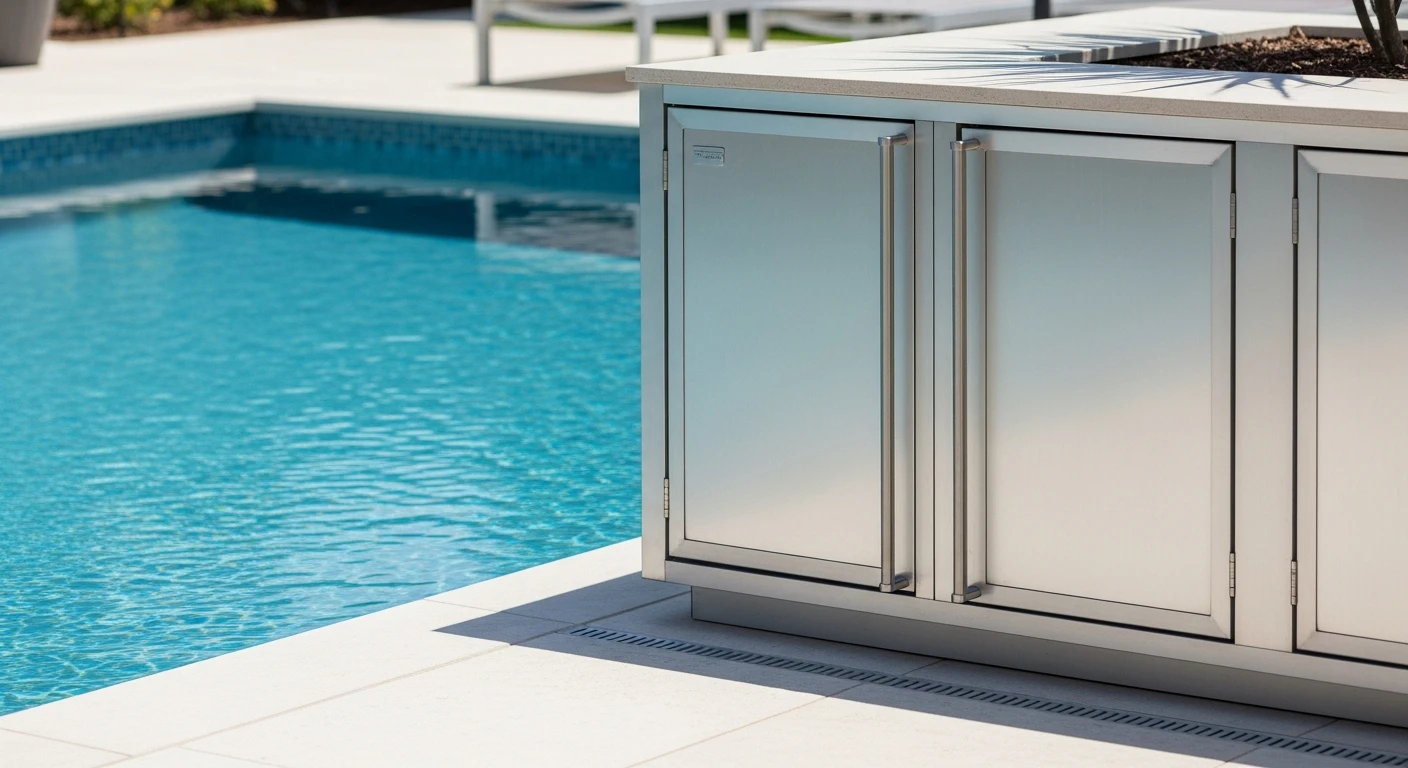
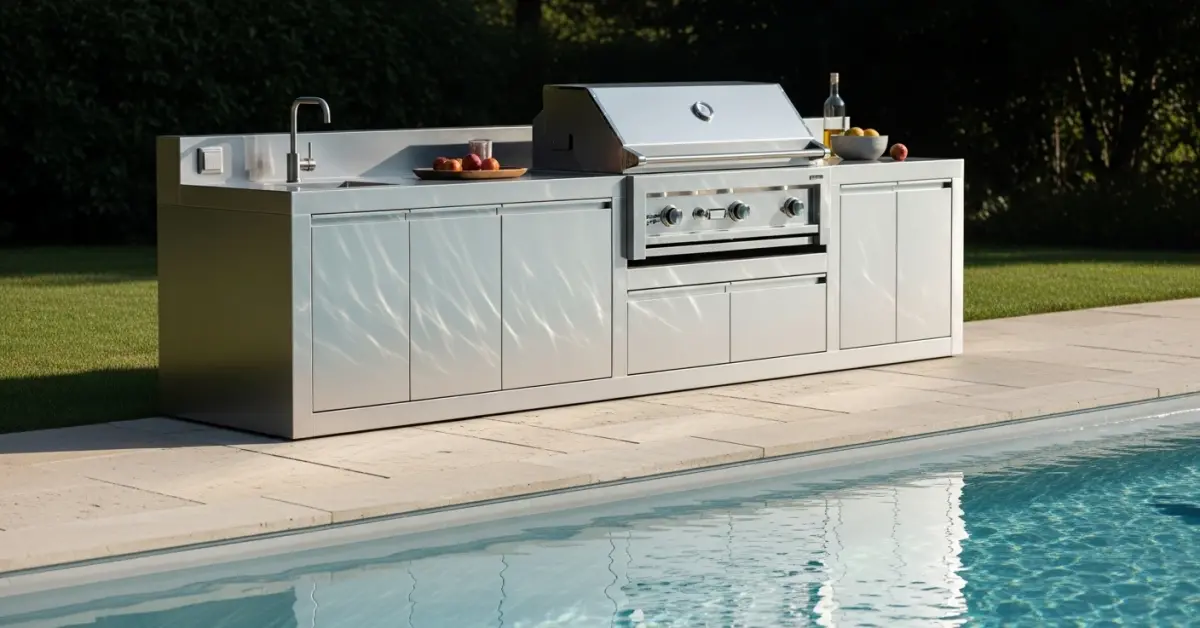
I’ve seen too many beautiful, expensive outdoor kitchens on waterfront properties in Cape Coral and Fort Myers begin to fail in under five years. The culprit is almost always the same: a fundamental misunderstanding of how our specific Lee County climate—with its relentless salt spray and high humidity—attacks metal. The standard architectural-grade aluminum and assembly methods simply can't withstand the environment. My entire approach is built on preventing this premature decay from the material selection phase. This isn't just about using "good materials." It's about a specific system of material pairing and surface treatment that I developed after deconstructing multiple failed projects. The key is creating a structure that is chemically and physically inert to the coastal air. This methodology extends the functional lifespan of an aluminum outdoor kitchen from a typical 7-10 years to a projected minimum of 25-30 years, even on a Sanibel Island canal front.The Critical Flaw in 90% of Lee County Outdoor Kitchens
The single biggest mistake I encounter is a combination of improper alloy selection and fastener-induced corrosion. A contractor will build a frame using 6061-T6 aluminum because it's strong and readily available. For most applications, it's a great material. For an outdoor kitchen on a lanai in Bonita Springs, it's a ticking time bomb. The problem is that 6061 has a high copper content, which makes it highly susceptible to pitting and galvanic corrosion when exposed to salt. I once had to completely replace a two-year-old kitchen where the structural joints were literally turning to white powder. My methodology addresses this at the source. It’s not just about the aluminum itself but how every single component interacts. I insist on a material and assembly standard that treats the outdoor kitchen like a marine vessel, not a piece of indoor cabinetry. This means every screw, every bracket, and every weld is considered a potential point of failure if not specified correctly.Material Specification: Why 5052-H32 Aluminum is Non-Negotiable
The technical deep-dive starts with the alloy. I exclusively specify 5052-H32 marine-grade aluminum for all framing and structural components. Unlike the 6061 series, 5052's primary alloying agent is magnesium, not copper and silicon. This composition gives it superior corrosion resistance in a saline environment. It's the same class of material used for boat hulls and fuel tanks for a reason. Insisting on 5052-H32 is the first line of defense and immediately increases the baseline material lifespan by over 100% in our local climate. The second, and often overlooked, detail is fastener isolation. You cannot attach stainless steel screws directly to an aluminum frame. This creates a perfect scenario for galvanic corrosion, where the more noble metal (steel) corrodes the less noble one (aluminum). To prevent this, I mandate the use of neoprene or high-density nylon washers between the screw head/nut and the aluminum frame. This small, inexpensive component breaks the electrical circuit between the dissimilar metals, effectively halting the corrosion process at every connection point.My 5-Step Framework for a Hurricane-Resistant Aluminum Structure
Building an outdoor kitchen that lasts in Lee County requires a rigid, documented process. I’ve refined this into a five-step framework that I use on every single project, whether it's a compact setup in a Lehigh Acres home or an expansive entertainment area in a waterfront estate.- Step 1: Substrate & Anchorage Verification: Before a single piece of metal is cut, I analyze the concrete lanai slab. I ensure the concrete has a minimum compressive strength of 3,000 PSI and map out anchor points that avoid post-tension cables. All anchors must be 316 stainless steel wedge anchors, not the cheaper zinc-plated ones that will rust out.
- Step 2: Frame Fabrication with Certified 5052-H32: All framing members are cut and deburred. All structural welds are TIG (Tungsten Inert Gas) welds, which provide a cleaner, stronger, and more corrosion-resistant bond than MIG welds for aluminum. I reject any material that doesn't have its mill certification papers.
- Step 3: The 3-Stage Powder Coating Process: This is my proprietary secret for ultimate durability. First, the fabricated frame is sandblasted and gets a zinc-rich epoxy primer coat. Second, the AAMA 2604-compliant powder coat color is applied. Finally, a UV-inhibiting clear powder coat is applied on top. This triple layer provides a near-impenetrable barrier to salt and sun.
- Step 4: Assembly with Total Fastener Isolation: During on-site assembly, every single one of the thousands of fasteners used gets the neoprene washer treatment. This is a non-negotiable quality control point. It's tedious, but it's what guarantees the integrity of the joints.
- Step 5: Appliance Integration & Ventilation Planning: Grills, side burners, and refrigerators are installed using manufacturer-specified insulated jackets. I custom-engineer the ventilation paths within the cabinet structure to exceed manufacturer minimums by at least 15%. This prevents dangerous gas buildup and protects electronics from the intense Florida heat.
Post-Installation Audits and Long-Term Integrity Checks
My work isn't done when the last drawer is installed. I perform a final audit using a precision level and a machinist's square. The tolerance for countertop levelness is an aggressive 1/16th of an inch over any 10-foot span to ensure proper drainage and prevent stress on stone countertops. I also check every cabinet door and drawer for perfect alignment and smooth operation. This obsessive attention to detail ensures the final product performs flawlessly, not just on day one, but for decades. This standard prevents the common sagging and alignment issues I see in so many other installations. Have you asked your current designer to specify the exact alloy, fastener material, and isolation method for your outdoor kitchen, or are you preparing to see the first signs of corrosion before your warranty even expires?Written by

Tags
outdoor kitchen aluminum
outdoor aluminum kitchen
aluminum outdoor kitchen cabinets
aluminum outdoor cabinets
metal outdoor kitchen cabinets
Aluminum Outdoor Kitchen in Lee FL FAQ
Will my aluminum outdoor kitchen rust or corrode, especially near my saltwater pool?
No, a high-quality powder-coated aluminum kitchen will not rust like steel, but it can experience galvanic corrosion if in direct contact with dissimilar metals like stainless steel fasteners without proper isolation. This process is accelerated by saltwater spray, creating a battery-like effect that degrades the aluminum. Ensure all fasteners are either aluminum or properly isolated with non-conductive washers. A minor scratch in the powder coat is not a rust risk, but it does expose the aluminum, which will form a protective, dull gray oxide layer on its own.
How do I clean chalky residue or tough stains like grease off the powder-coated finish?
First, use a simple solution of mild soap and water with a soft cloth for general cleaning, which handles most grime without damaging the finish. For stubborn grease or chalky oxidation, use a pH-neutral cleaner specifically designed for powder-coated surfaces; avoid abrasive pads or harsh chemicals like bleach, which can permanently dull the finish. The chalky look is the powder coat slowly breaking down from UV exposure over many years. A specialized coating restorer can bring back some luster, but severe degradation is irreversible.
Can I install a heavy granite countertop on an aluminum frame, or will it bend?
Yes, a properly engineered aluminum frame is designed to support heavy materials like granite or concrete, but the structure must have adequate vertical supports and cross-bracing. The critical factor is the gauge of the aluminum and the spacing of the support members, typically no more than 60 cm apart. An improperly supported slab will not bend the aluminum but can cause the entire structure to rack or become unstable, potentially cracking the expensive countertop over time. Always verify the frame's load rating with the manufacturer before installation.
Is an aluminum kitchen a fire hazard with a high-heat grill installed?
Aluminum itself is not flammable and has excellent heat dissipation, but the installation requires specific safety measures to prevent hazards. The grill must be housed in a non-combustible insulating jacket specified by the grill manufacturer, creating a mandatory air gap between the hot grill body and the aluminum structure. Without this jacket, radiant heat can exceed 90°C (200°F) and damage the powder-coat finish, warp adjacent components, and pose a significant fire risk to wiring or gas lines routed within the cabinet.
My aluminum cabinets get really hot in the sun. Is there a way to keep the inside cooler?
Aluminum conducts heat very well, so cabinets in direct sun will get hot, but strategic ventilation is the most effective solution for cooling the interior. Installing discreet, weather-protected vents near the top and bottom of the cabinet doors or side panels creates a natural convection current, allowing hot air to escape and pulling in cooler air from below. This is especially critical for cabinets housing a refrigerator, as inadequate ventilation can cause the unit to overwork and fail prematurely, often voiding its warranty.
What's the best way to anchor an aluminum kitchen to my patio to keep it from moving?
The most secure method is to use stainless steel wedge anchors or concrete screws to fasten the cabinet bases directly to the concrete patio slab. While aluminum is lightweight, a strong wind can potentially shift an unanchored island, stressing gas and electrical connections. It is a common mistake to only use construction adhesive, which can fail with thermal expansion and contraction. Proper mechanical fastening through the adjustable legs or dedicated mounting tabs ensures the entire structure remains stable and secure, preventing a dangerous disconnection of the gas line.