Backyard Kitchen Island Pinellas County: Averting Coastal Corrosion & UV Degradation
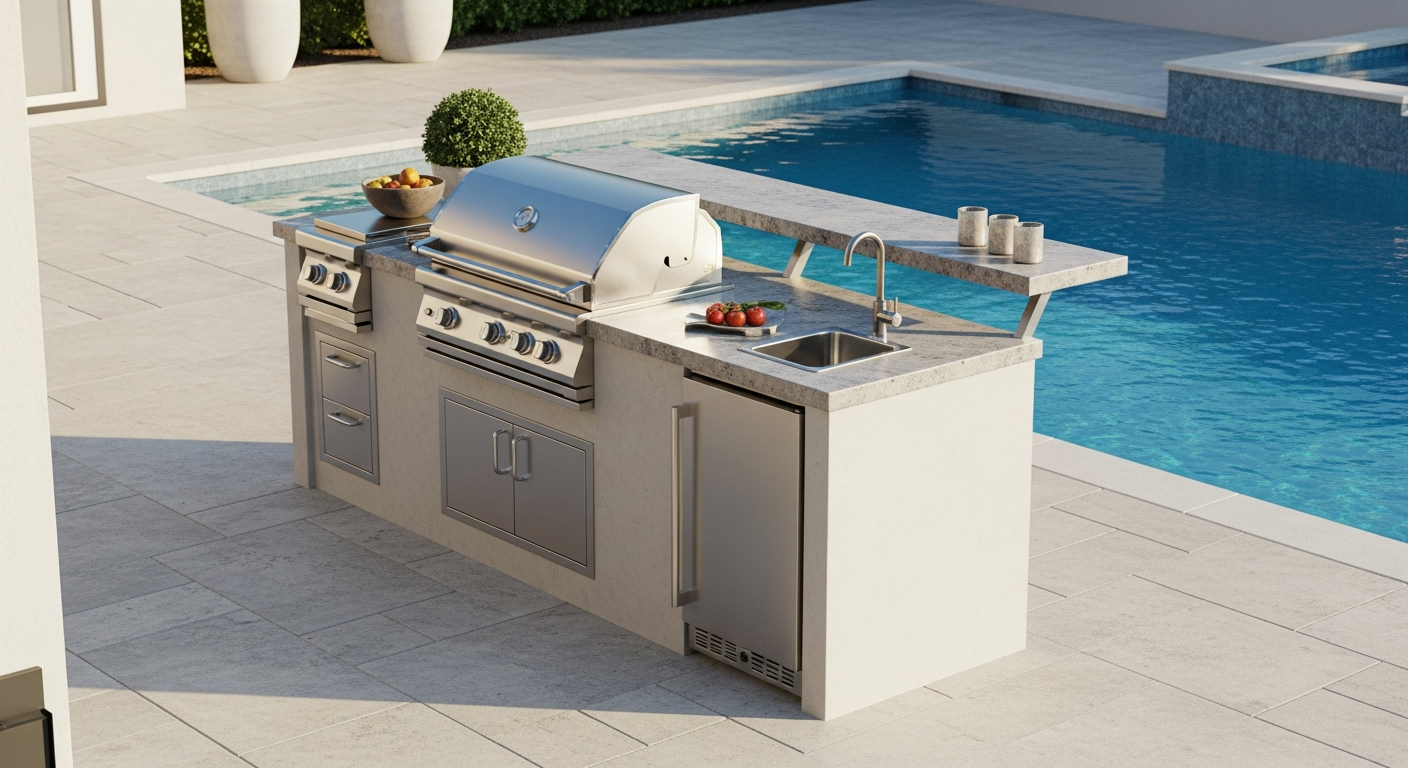
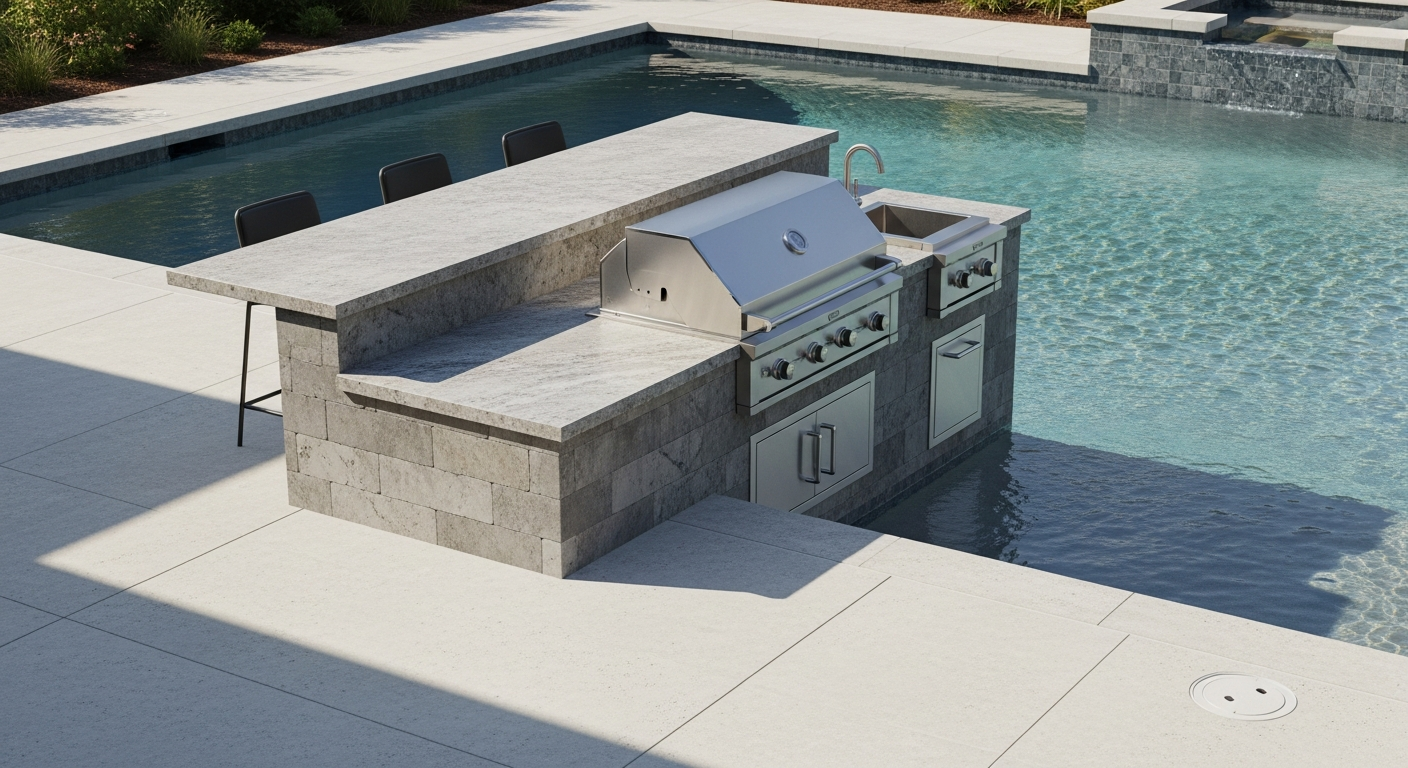
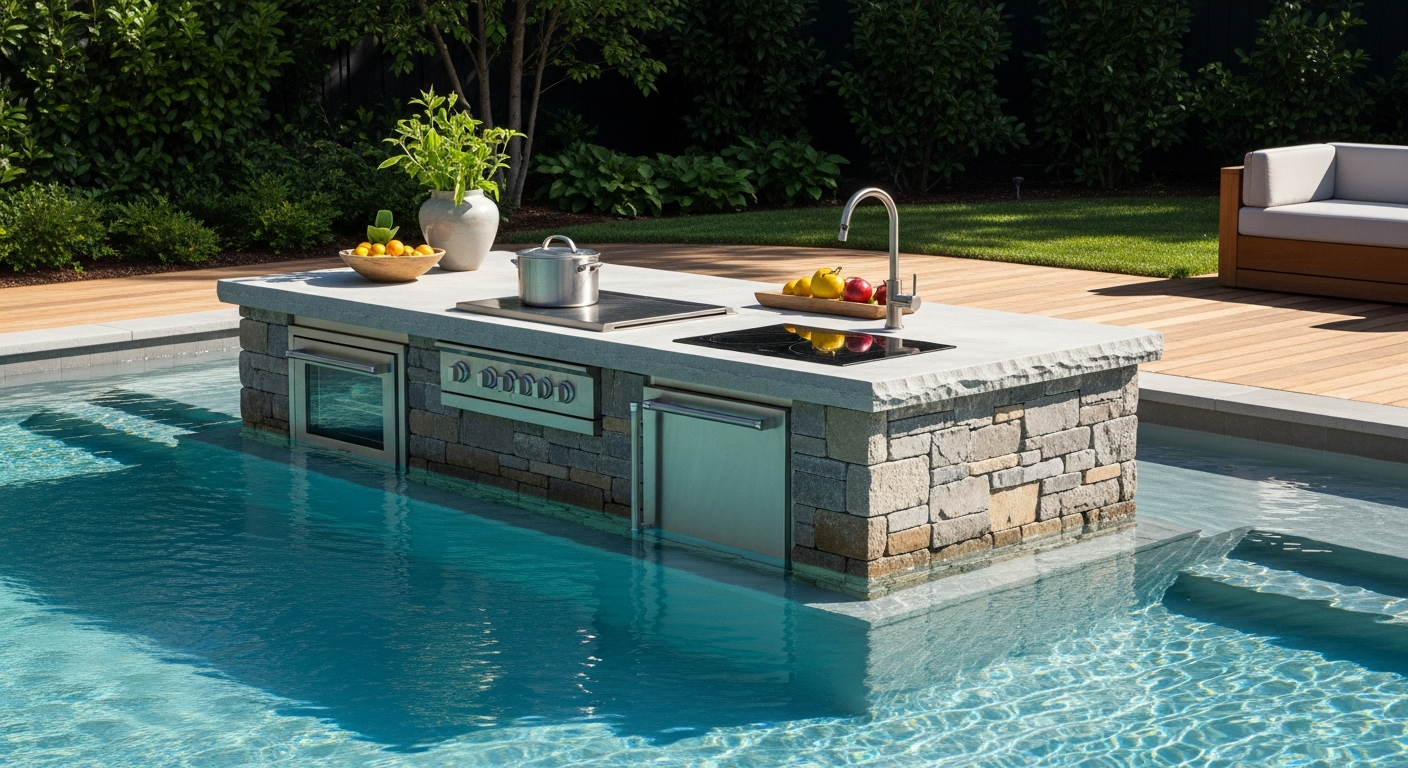
I've lost count of the number of backyard kitchen islands I've been called to repair or completely rebuild across Pinellas County, from the salt-sprayed waterfront homes in Tierra Verde to the larger suburban lots in Palm Harbor. The common failure point isn't the design; it's a fundamental misunderstanding of our unique coastal environment. A standard build that works in a dry climate will disintegrate here in under three years due to a combination of high salinity, relentless humidity, and intense UV exposure. The most expensive mistake I see is using the wrong grade of materials, leading to rust, warping, and electrical failures. My approach is built on a principle I call Environmental Material Matching. This isn't just about choosing "outdoor-rated" products; it's about specifying materials and construction techniques that are chemically and structurally resilient to the specific challenges of the Gulf Coast. For a Pinellas County project, this means prioritizing corrosion resistance and moisture management above all else. A project in Snell Isle, with direct salt spray exposure, requires a completely different material specification sheet than one just a few miles inland in Seminole, and this nuance is where 90% of projects fail.My Pinellas-Proof Framework for Island Longevity
After years of field-testing and seeing what fails, I developed a proprietary three-pillar methodology. This isn't theoretical; it's a battle-tested framework that directly addresses the root causes of outdoor kitchen decay in our region. I've used this to guarantee a minimum 15-year structural lifespan for my projects, a significant increase over the typical 5-7 year lifespan of standard installations.The Technical Specification Deep-Dive
The first pillar, Material Forensics, is the most critical. This is where we go beyond brochure claims. For any metal components, including appliance casings, access doors, and especially fasteners, I mandate 316-grade stainless steel. Many contractors opt for the cheaper 304-grade, but it lacks the molybdenum content necessary to resist pitting and corrosion from our chloride-rich salt air. I once had to replace every screw and hinge on a two-year-old Clearwater Beach project because the 304-grade steel was already showing significant rust streaking. For countertops, I steer clients away from porous granites that can harbor mildew in our humidity. My go-to materials are either non-porous quartzite or properly engineered concrete. If we use concrete, the secret is in the sealing process. I use a two-part system: first a penetrating silicate densifier that chemically reacts with the concrete to close pores, followed by a high-performance topical sealer with a UV-inhibitor package to prevent yellowing and degradation from the Florida sun. This process increases the surface hardness by approximately 30% and virtually eliminates moisture absorption. The island's frame itself should never be wood. I exclusively use either welded 6061-grade aluminum framing or concrete masonry units (CMU), both of which are impervious to termites and rot.Core Implementation Protocol
Executing the build requires precision. My process is standardized to eliminate common installation errors that compromise the structure's integrity. This is not just a checklist; it's a sequence of non-negotiable quality control gates.- Foundation: I always begin by pouring a monolithic concrete slab footer, at least 4 inches thick, reinforced with fiber mesh. This prevents the island from shifting or settling in our sandy soil.
- Frame Assembly: All joints in the aluminum frame are TIG welded, not screwed, to create a rigid, single-piece structure that won't rack or loosen over time.
- Utility Runs: Every electrical line is run through liquid-tight flexible metal conduit (LFMC). All junction boxes are NEMA 4X rated for water-tightness and corrosion resistance. This is a step I’ve seen skipped to cut costs, resulting in tripped breakers and fried electronics after the first heavy summer rain.
- Appliance Ventilation: This is a massive safety and performance issue. I engineer specific passive ventilation channels into the island cavity, ensuring a clear path for heat and any potential gas buildup to escape. Every grill or side burner installation includes vents rated for the specific BTU output of the appliance.
- Countertop Installation: The countertop is never just glued down. It is set on a bed of 100% silicone sealant, not a standard construction adhesive. Silicone provides a waterproof barrier and remains flexible, allowing for the thermal expansion and contraction that occurs between a hot sunny day and a cool night without cracking the stone.
Precision Tuning for Gulf Coast Conditions
The final 5% of the work is what truly separates a standard island from a resilient one. These are the small adjustments that address the constant environmental pressure. I insist on creating a minimum 1/4-inch air gap between any drop-in appliance and the cabinet structure itself. This small gap is crucial for preventing moisture from getting trapped, which is a primary cause of premature electronic failure in refrigerators and ice makers. Furthermore, every single access door and drawer receives a marine-grade rubber gasket. This small addition prevents wind-driven rain and humid air from entering the island's interior, protecting your plumbing and electrical components. It’s a detail learned from the marine industry that translates perfectly to our waterfront properties. The final quality check involves a water test, where I simulate a heavy, wind-driven rain to ensure every seal is perfect and the countertop drainage slope is functioning as designed. Have you specified a galvanic isolation strategy to prevent electrochemical reactions between the 316-grade stainless steel appliance bodies and the 6061-grade aluminum frame?Written by

Tags
kitchen outdoor grill
outdoor kitchen propane grill
prefabricated outdoor grill islands
prefab grill island
outdoor grill with sink