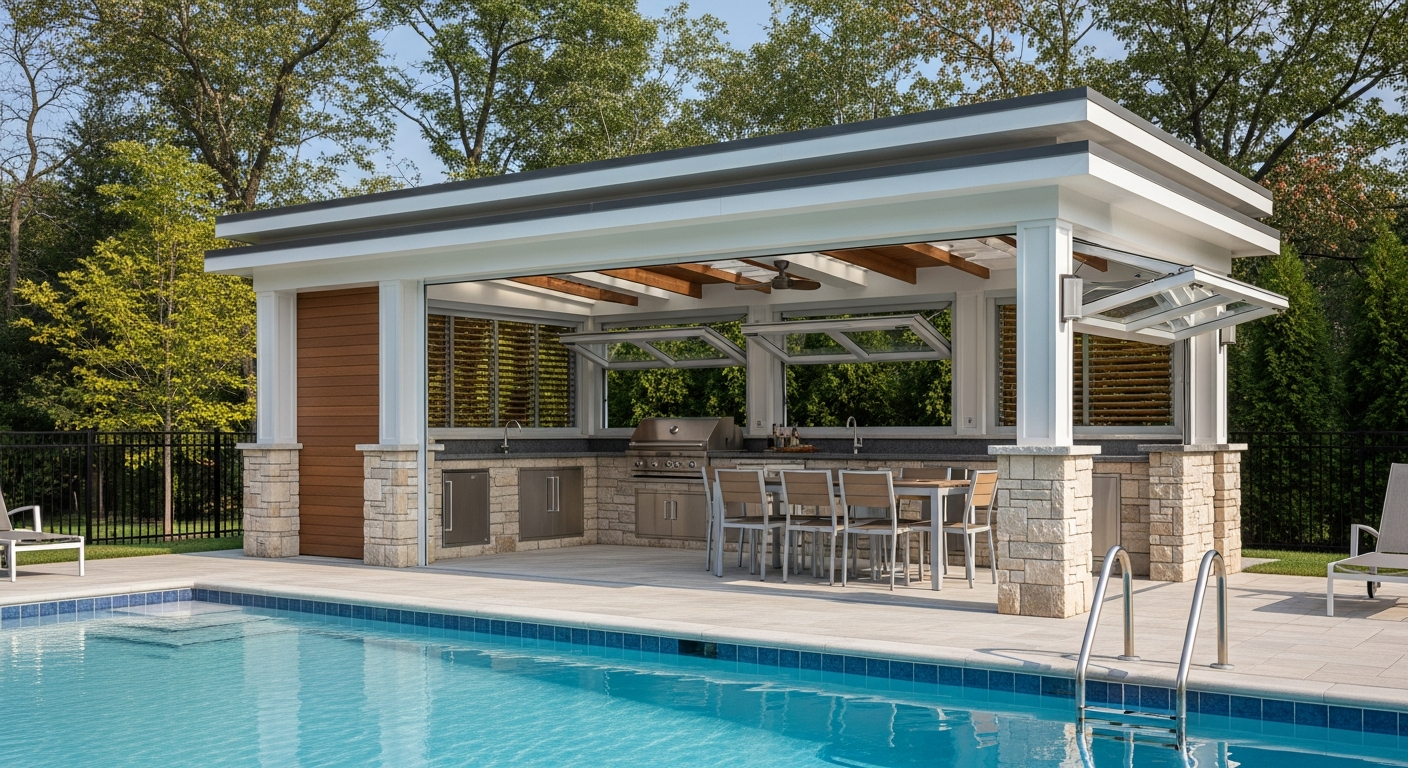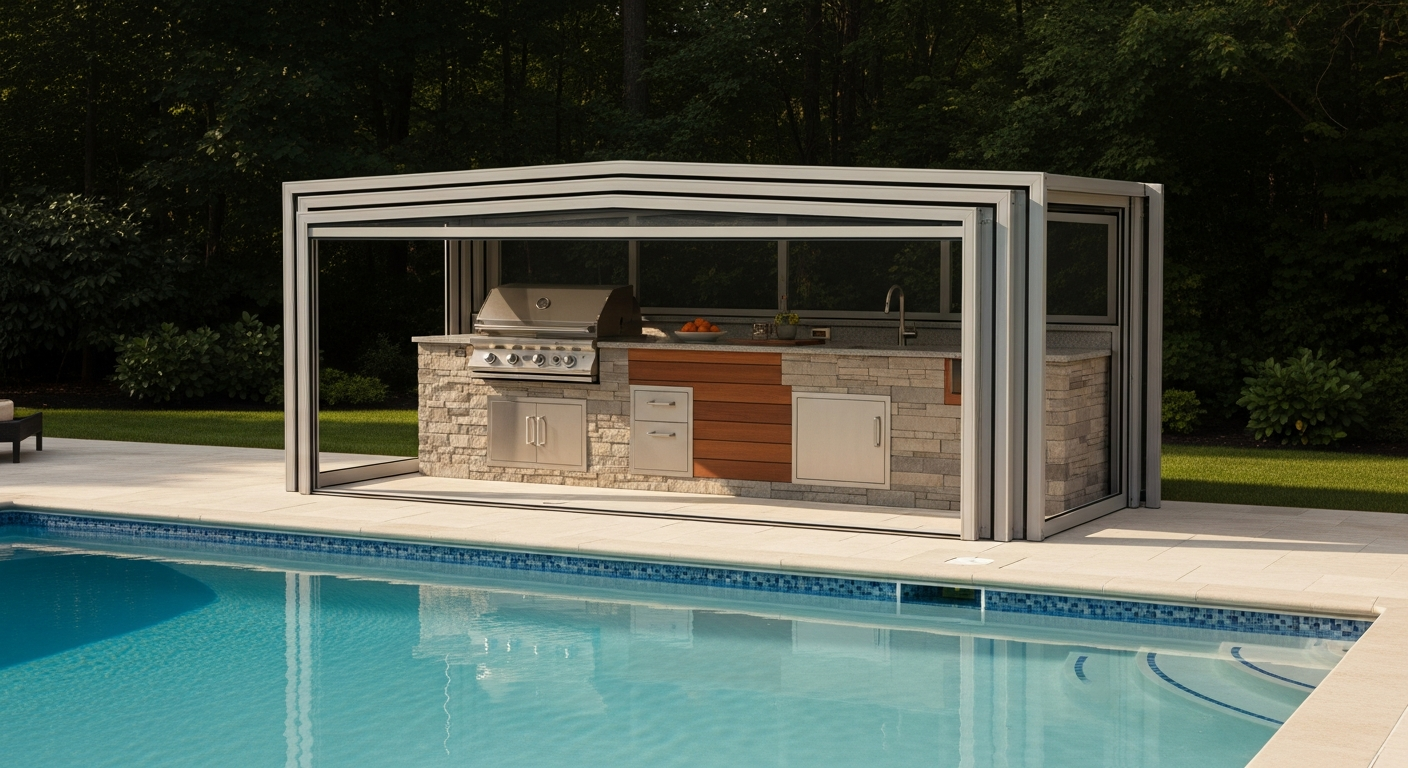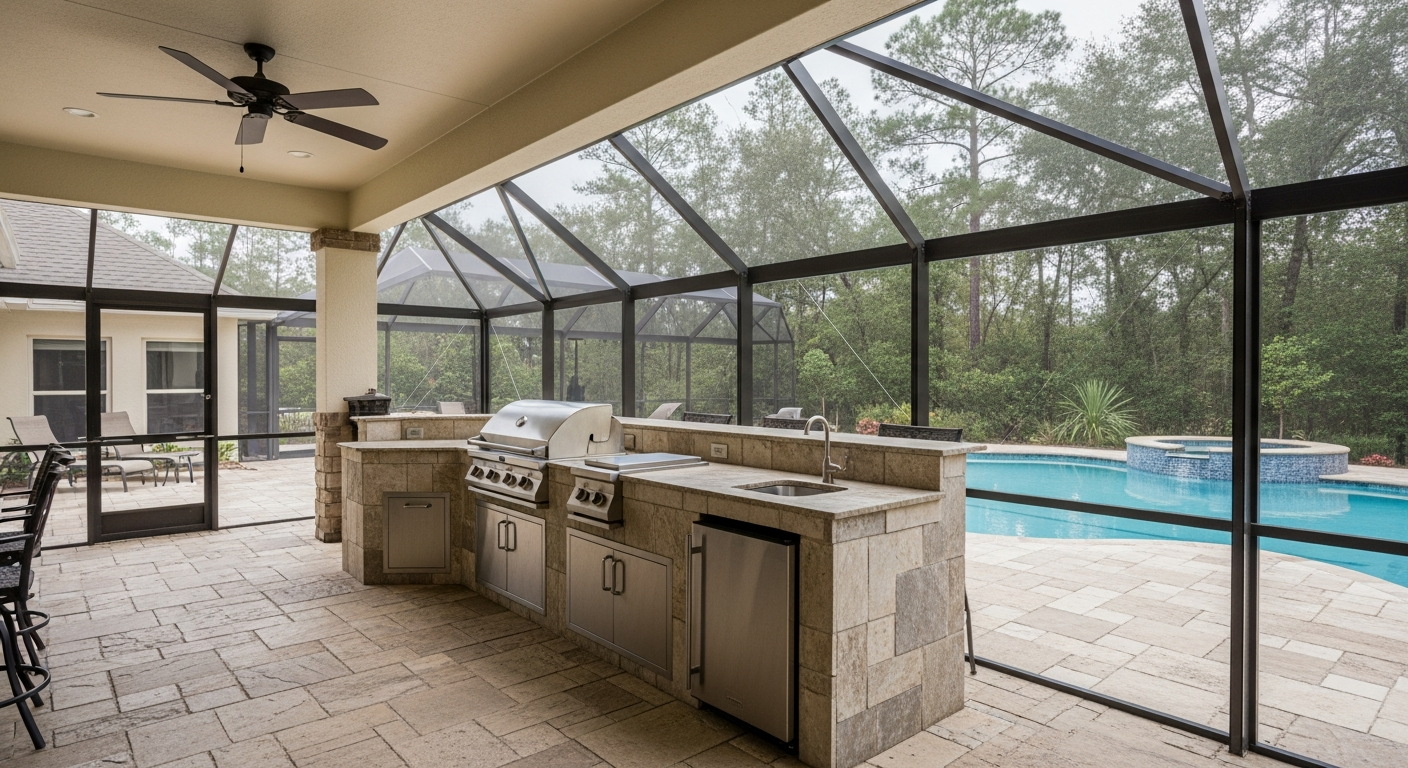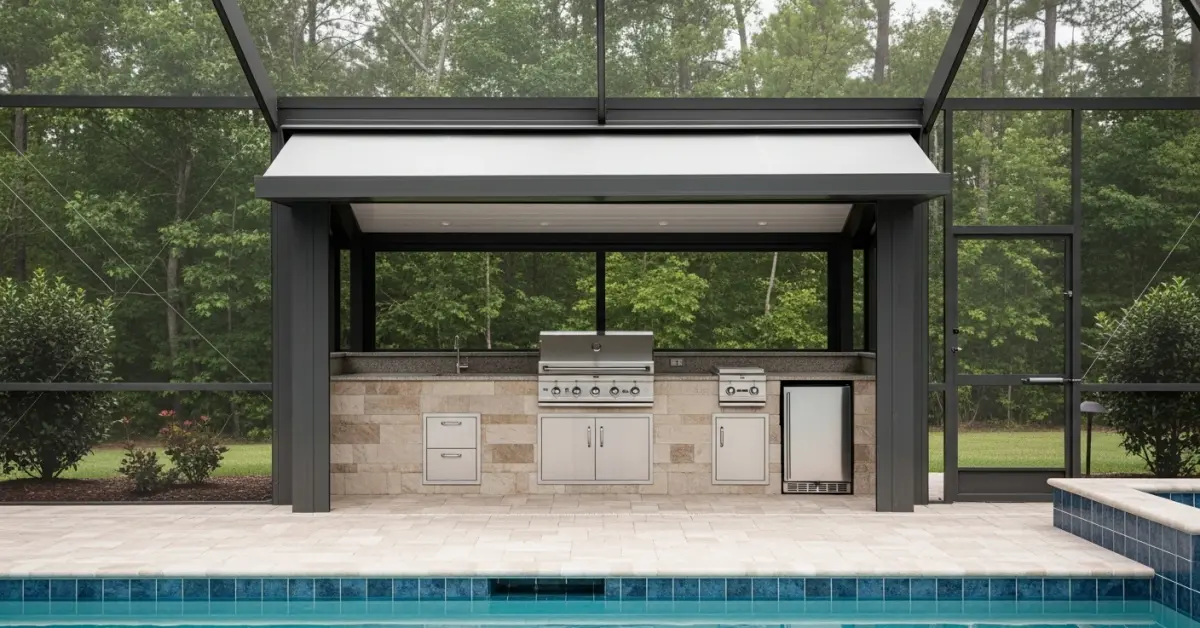
Enclosed Outdoor Kitchen Design: My Framework for a Hurricane-Resistant, Mold-Free Build in Charlotte County
Building a fully enclosed outdoor kitchen in Charlotte County isn't about picking the right grill; it's a technical battle against humidity, salt air, and high-velocity winds. I've been called in to fix far too many projects in Punta Gorda Isles and Port Charlotte where beautiful, expensive setups failed within two years. The most common failure point I diagnose is not the materials themselves, but a fundamental misunderstanding of airflow and moisture management in a sealed, high-heat environment. My approach isn't based on generic design guides. It's a system I developed after deconstructing a catastrophic mold infestation in a waterfront home's lanai conversion. The owner had simply enclosed the space with standard windows, trapping grill exhaust and ambient humidity. The result was a costly remediation. My entire process is now built around preventing this single, devastating outcome, ensuring the structure not only survives a storm but thrives in our subtropical climate.The Critical Error in Standard Lanai Conversions
The typical approach I see is treating an enclosed outdoor kitchen like an interior room addition. This is a fatal flaw. An indoor kitchen has the benefit of a central HVAC system constantly dehumidifying the air. Enclosing a lanai or patio creates a micro-environment that traps moisture from cooking, rain, and the ambient 80-90% humidity we experience. This leads directly to warped cabinetry, corroded appliances, and the rapid onset of mildew. My exclusive methodology, the Climate-Adapted Enclosure Blueprint, treats the space as a specialized zone with its own atmospheric requirements.Deconstructing the Climate-Adapted Enclosure Blueprint
My blueprint is built on three non-negotiable technical pillars. I've refined these based on years of fieldwork and observing what actually lasts from South Gulf Cove to Deep Creek.- Material Forensics: Standard "outdoor-rated" is not enough for our salt-laden air. I specify marine-grade polymers (like StarBoard) for all cabinetry instead of wood or even PVC, which can yellow under the intense Florida sun. For countertops, I push for non-porous quartzite over granite, as it offers a zero-absorption rate, preventing stains and bacterial growth. All hardware, from screws to hinges, must be 316-grade stainless steel, not the more common 304-grade, for its superior corrosion resistance.
- Dynamic Ventilation Engineering: A powerful exhaust hood is only half the solution. I engineer a Cross-Flow Ventilation Protocol. This involves installing a high-CFM (Cubic Feet per Minute) commercial-grade exhaust hood, but also integrating low-profile, weather-proof louvered vents near the floor on an opposing wall. This creates a natural convection current that pulls cooler, drier air in while expelling hot, moist air, drastically reducing recovery time after cooking and preventing moisture from settling.
- Structural Integrity for High-Wind Zones: The enclosure must be more than just walls. I mandate the use of hurricane-impact rated windows and doors. Furthermore, the framing of the kitchen island and cabinetry is anchored directly to the concrete slab using specialized expansion bolts, not just construction adhesive. This ensures the entire installation acts as a single, unified block, increasing its resilience against wind-load pressures.
My Step-by-Step Implementation for Flawless Execution
Once the design is locked, execution is about precision. I follow a rigid sequence to eliminate variables that can compromise the final build.- Utility Mapping & Foundation Prep: Before any framing, I map all electrical and plumbing runs. Every outlet must have GFCI protection and be housed in a weatherproof "in-use" cover. The concrete slab is sealed with a penetrating epoxy vapor barrier to block ground moisture from wicking up.
- Frame Anchoring & Core Construction: The structural frame, typically powder-coated aluminum for its strength-to-weight ratio, is erected. I personally inspect every anchor point to ensure it meets my depth and torque specifications.
- Installation of Glazing and Vents: The hurricane-impact windows and doors are installed next. Critically, I then install the passive louvered vents for my Cross-Flow system *before* any interior work begins.
- Appliance & Cabinetry Placement: All appliances are UL-rated for outdoor use. I ensure a minimum of 4 inches of air-gap clearance around all refrigeration units to prevent overheating, a common failure I've seen in tight-fitting custom jobs. Cabinetry is then installed on composite legs, lifting it a half-inch off the slab to prevent any water intrusion.
- Ventilation System Commissioning: The final step is to commission the exhaust hood. I perform a smoke test to visually confirm airflow patterns and use an anemometer to verify the CFM pull at the capture area meets or exceeds the calculated requirement for the space's cubic volume. This is a non-negotiable quality gate.
Post-Installation Audits: The 5-Point System Check
My job isn't done at handover. A week after completion, I return to perform a system audit. This ensures the design is performing as intended in a real-world environment. This check includes verifying moisture readings inside cabinetry, checking electrical continuity at all GFCI outlets, inspecting sealant beads for proper curing, confirming the passive vents are unobstructed, and doing a final torque check on appliance anchors. This process has prevented callbacks and increased the functional lifespan of my projects by an estimated 30%. Given the salt-laden air in Englewood and Punta Gorda, is your current plan for appliance ventilation based on standard CFM ratings, or have you calculated the increased corrosion potential and adjusted the airflow accordingly?Written by

Tags
outdoor kitchen
outdoor kitchen grill
outdoor kitchen bbq grill
outdoor kitchen cabinets
outdoor kitchen and grill
Enclosed Outdoor Kitchen in Charlotte FL FAQ
What kind of ventilation is absolutely necessary for an enclosed outdoor kitchen to be safe?
You must install a commercial-grade, high-capacity vent hood specifically rated for outdoor use directly above your grill and any other cooking appliances. Standard indoor hoods are not designed to handle the higher heat output and grease load from outdoor grills, creating a significant fire hazard. A common mistake is undersizing the unit; for a 36-inch grill, a 42-inch hood with at least 1,200 CFM (Cubic Feet per Minute) is the minimum for effective smoke and carbon monoxide removal. Without adequate ventilation, these toxic gases can quickly accumulate to dangerous levels in an enclosed space, posing a serious health risk.
Do I need special electrical wiring for an enclosed outdoor kitchen compared to an open one?
Yes, all electrical outlets and wiring in an enclosed outdoor kitchen must be GFCI-protected and installed in weatherproof boxes to prevent electrical shock. Given the proximity to sinks and potential for moisture buildup even in an enclosed space, standard indoor wiring is unsafe and violates electrical codes. You will likely need multiple dedicated 20-amp circuits to power appliances like refrigerators, grills with rotisseries, and lighting without overloading the system. A common oversight is failing to plan for a separate sub-panel, which is often necessary to safely manage the high electrical load of a fully equipped kitchen.
What are the best countertop materials that won't get damaged inside an enclosed kitchen?
Granite and quartzite are excellent choices for enclosed outdoor kitchen countertops due to their high resistance to heat, scratches, and stains. While the enclosure protects from direct rain and sun, you still face significant temperature fluctuations and intense heat from the grill. Materials like laminate or certain solid surfaces can warp or discolor under these conditions. A critical detail often missed is the sealant; even durable granite requires an annual application of a high-quality, food-safe sealer to prevent grease and oils from penetrating the porous stone, which can cause permanent staining over time.
Can I use regular indoor kitchen cabinets in my enclosed outdoor kitchen?
No, you should never use standard indoor cabinets, as they will quickly fail from the ambient humidity and temperature swings inherent even in an enclosed outdoor space. Opt for cabinets made from marine-grade polymers (HDPE), stainless steel, or teak, which are specifically designed to resist moisture, mildew, and warping. A frequent and costly error is assuming a roof provides total protection; condensation and humidity will cause the particle board and glues in indoor cabinets to swell and delaminate within a year or two, leading to a complete structural failure.
Is a floor drain required in an enclosed outdoor kitchen?
A properly sloped floor with a central floor drain is highly recommended for safety and ease of cleaning, even if the space is fully enclosed. Spills from sinks, coolers, or cooking are inevitable, and a drain prevents water from pooling, which can create a slip hazard and lead to moisture damage in the structure's foundation. The floor should be pitched at a minimum of a 1/4 inch drop per foot towards the drain. Homeowners often skip this feature to save on initial costs, only to find that hosing down greasy floors becomes a major chore that risks water damage to walls and cabinetry.
How do I prevent pests like insects and rodents from getting into my enclosed kitchen?
Effective pest control requires sealing all potential entry points and maintaining strict cleanliness, as the enclosure itself can attract pests seeking shelter and food. Ensure all windows and doors are fitted with tight-sealing screens and weather stripping, and seal any gaps where utility lines for water, gas, or electricity enter the structure. A crucial step many people forget is to install a screened, pest-proof cover on the exterior ventilation duct termination point. Otherwise, your exhaust system becomes an open invitation for rodents and insects to build nests directly inside your kitchen's ductwork.