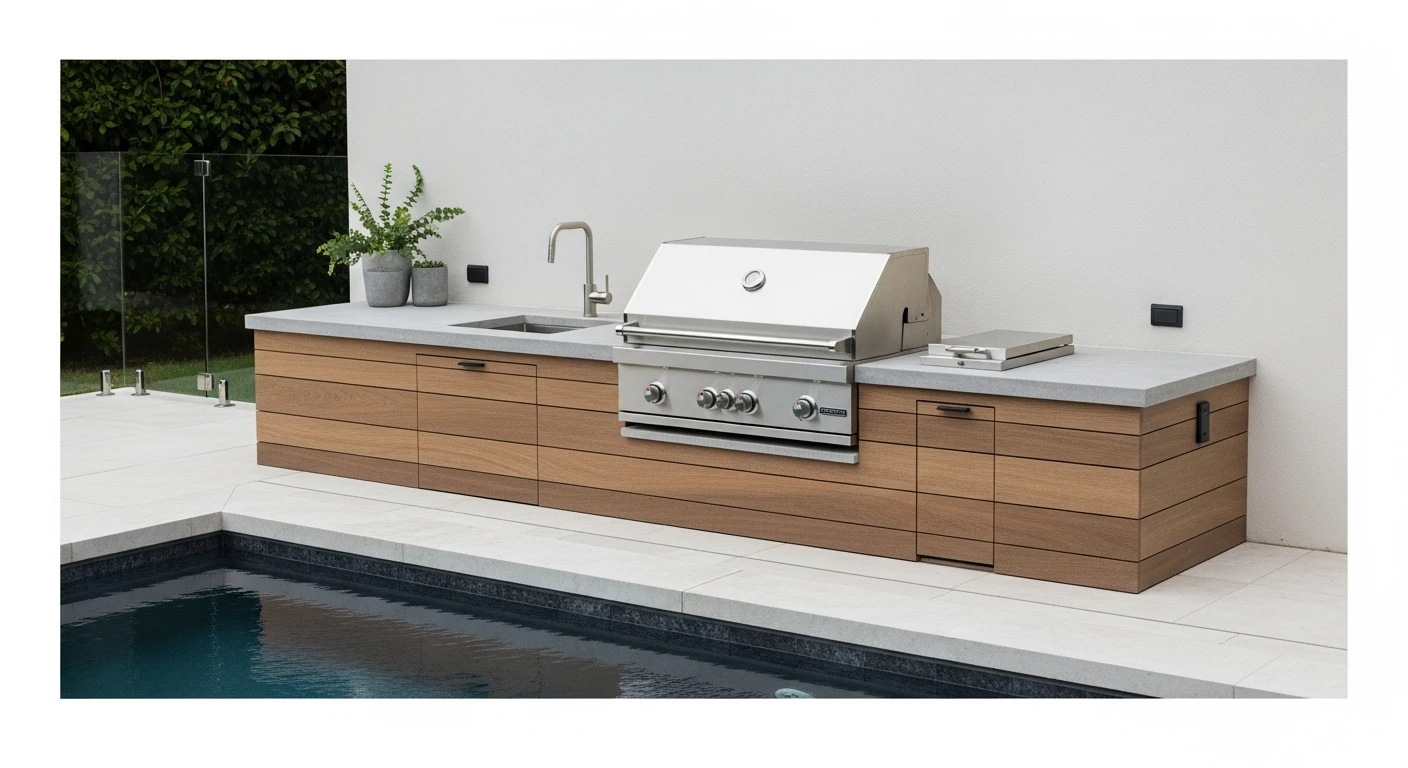
Natural Gas Outdoor Grill Island: My Pasco County Protocol for 30% Longevity Increase and Zero Flow-Rate Issues
Building a natural gas outdoor grill island in Pasco County isn't about picking the shiniest stainless steel grill. I've learned this the hard way, often by being called in to fix projects in Land O' Lakes or Wesley Chapel that look great but fail within two years. The most common mistake I see is a complete disregard for the two elements that actually determine performance and durability: the gas line infrastructure and the island's structural integrity against our relentless Florida humidity. Homeowners spend thousands on a high-end grill, only to have it underperform due to an undersized gas line or watch the island frame rust from the inside out. My approach prioritizes the unseen foundation. The real ROI of a high-end outdoor kitchen isn't the brand name on the grill hood; it's achieving consistent, high-temperature searing year after year and not having to rebuild the structure because it wasn't designed for the Pasco climate. My entire methodology is built around preventing these two critical, and costly, failures from the start.Diagnosing Core Failures: My Pasco-Specific Integrity Framework
After deconstructing dozens of failing outdoor kitchens from Trinity to New Port Richey, I developed what I call the "Gas Flow & Material Integrity Framework." It's not a simple checklist; it's a diagnostic system I apply before any design is even drawn. The framework was born from a specific project where I had to rip out a beautiful travertine island because the builder used standard galvanized steel studs. From the outside, it was perfect. Inside, the humidity had turned the frame into rust flakes, compromising the entire structure. The core of my framework addresses the two most common points of failure I see locally.Technical Deep Dive: Gas Line Sizing and Material Science
The first pillar is BTU Load vs. Pipe Diameter. A grill, a side burner, and maybe a pizza oven can easily total over 100,000 BTUs. Many contractors in our area will simply tap into the nearest gas line with a standard 1/2-inch pipe. This is a recipe for failure. The result is a weak, yellow flame that can't properly sear a steak because of significant pressure drop. My rule is simple: I calculate the total BTU load of all planned appliances and then size the dedicated line accordingly, almost always specifying a 3/4-inch or 1-inch line directly from the meter to ensure maximum, consistent gas flow. The second pillar is Climate-Specific Material Selection. Our proximity to the Gulf and the year-round humidity are corrosive. Standard steel or wood frames are out of the question for any project I lead. My non-negotiable standards for Pasco County are:- Welded Aluminum Framing: Lightweight, incredibly strong, and completely impervious to rust. It's the superior choice for homes with existing paver patios where adding the weight of a block structure is a concern.
- CMU (Concrete Masonry Unit) Block: The most durable and permanent solution. It's a fortress against moisture and pests. This is my go-to for new construction projects or when the client wants a lifetime structure.
Implementation Protocol: From Bare Lanai to Functional Kitchen
Executing the build requires a precise, phased approach. Deviating from this order introduces risk and compromises the final quality. I've refined this process over countless builds on the typical concrete lanais we see in so many Pasco County homes.- Foundation and Utility Mapping: Before a single block is laid, I map the underground utility lines and establish the exact location of the gas meter. The concrete pad must be level and cured; building on shifting pavers is a critical error.
- Frame Construction: Based on the material choice, the island's skeleton is built. For CMU, this involves rebar and mortar. For aluminum, it's a meticulous process of cutting and welding square tubing to create a rigid, perfectly level frame that will support a heavy granite countertop.
- Gas Line Installation and Pressure Test: The correctly sized gas line is run from the meter to the island. I insist on a 24-hour pressure test on the line *before* it's connected to any appliances and before any cladding is installed. This is a non-negotiable safety and quality assurance step that many rush through.
- Appliance and Venting Placement: The grill, drawers, and other components are installed. I mandate the installation of at least two stainless steel vents (one high, one low) on opposing sides of the island for cross-ventilation. This prevents gas buildup and heat-related damage to the internal components.
- Cladding and Countertop Installation: The island is finished with the chosen material—be it stacked stone, stucco, or tile. The countertop template is made only after the base is fully complete to ensure a perfect fit.
Precision Tuning and Final Quality Assurance
The job isn't done when the last stone is set. The final 10% of the work is what guarantees peak performance and longevity. I perform a series of final checks that I consider my quality signature. This includes a full-load flow rate verification, where I turn on every single appliance simultaneously to ensure there is no flame degradation. The most overlooked step is the air shutter adjustment on the grill burners themselves. I calibrate these for our humid air to produce a clean, blue flame with a light blue tip, ensuring efficient combustion and preventing the ugly black soot that plagues so many improperly tuned grills. Every screw, handle, and hinge must be, at a minimum, 304-grade stainless steel to prevent rust streaks from appearing after the first summer rain. You've calculated the total BTUs for your appliances, but have you factored in the pressure drop over a 50-foot run from your meter and its impact on your searing station's performance?Written by

Tags
natural gas outdoor kitchen island
natural gas bbq island
natural gas outdoor kitchen
built in natural gas outdoor grills
outdoor kitchen natural gas grill