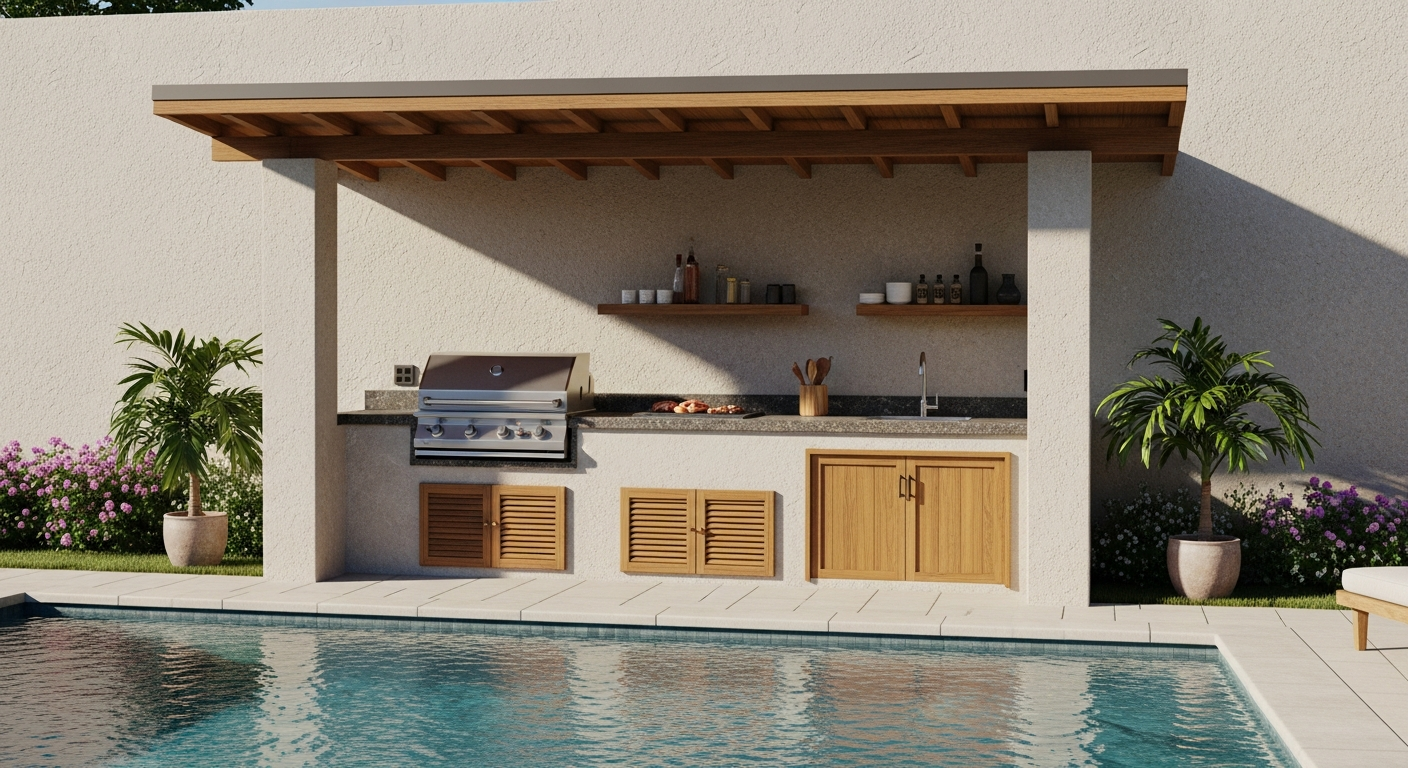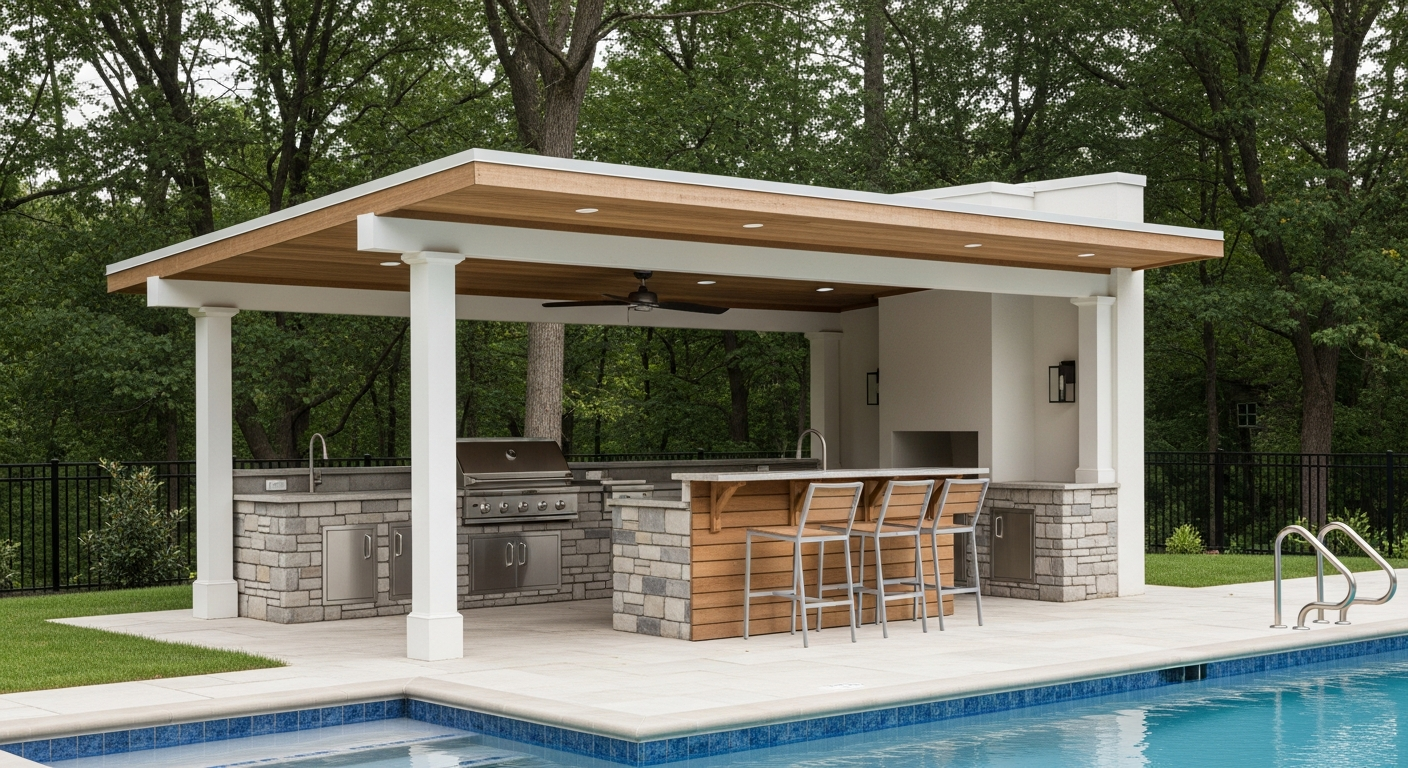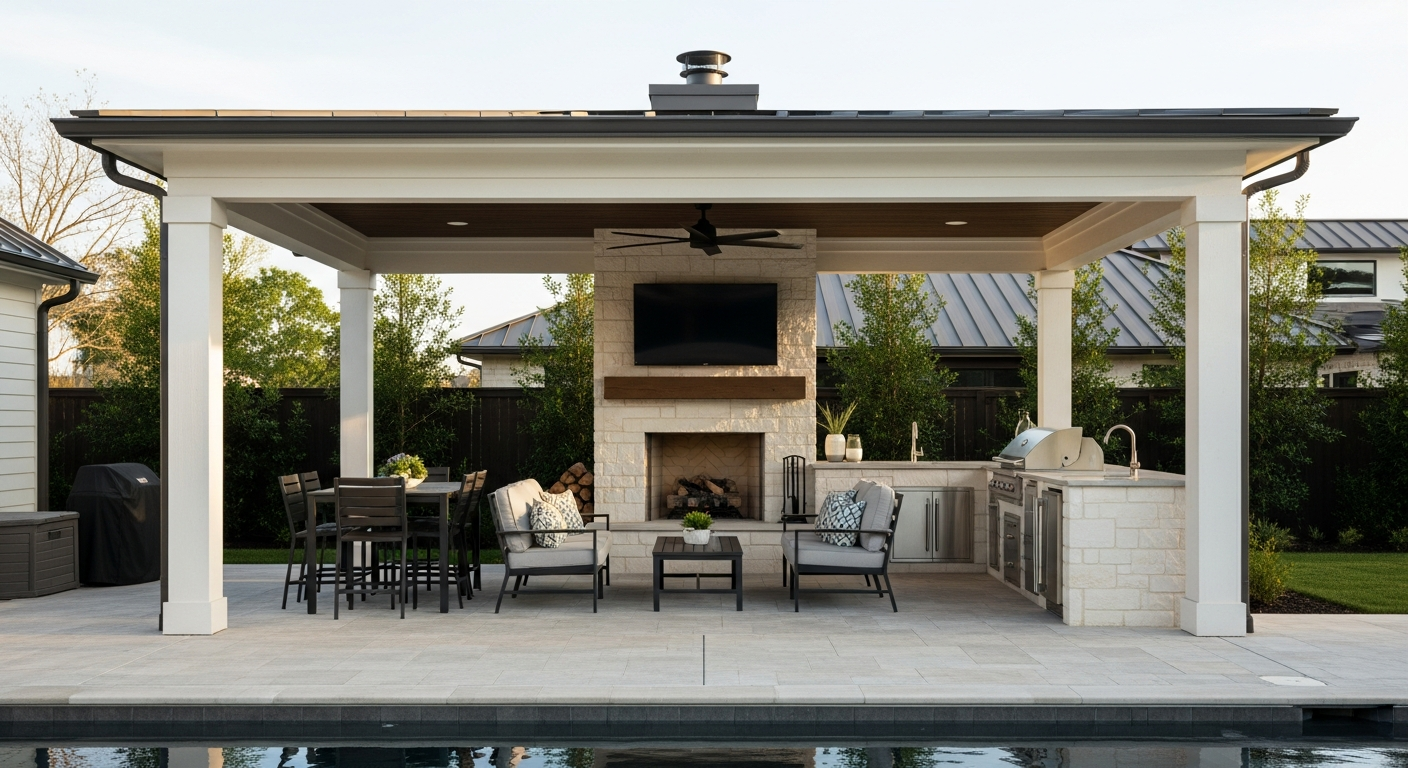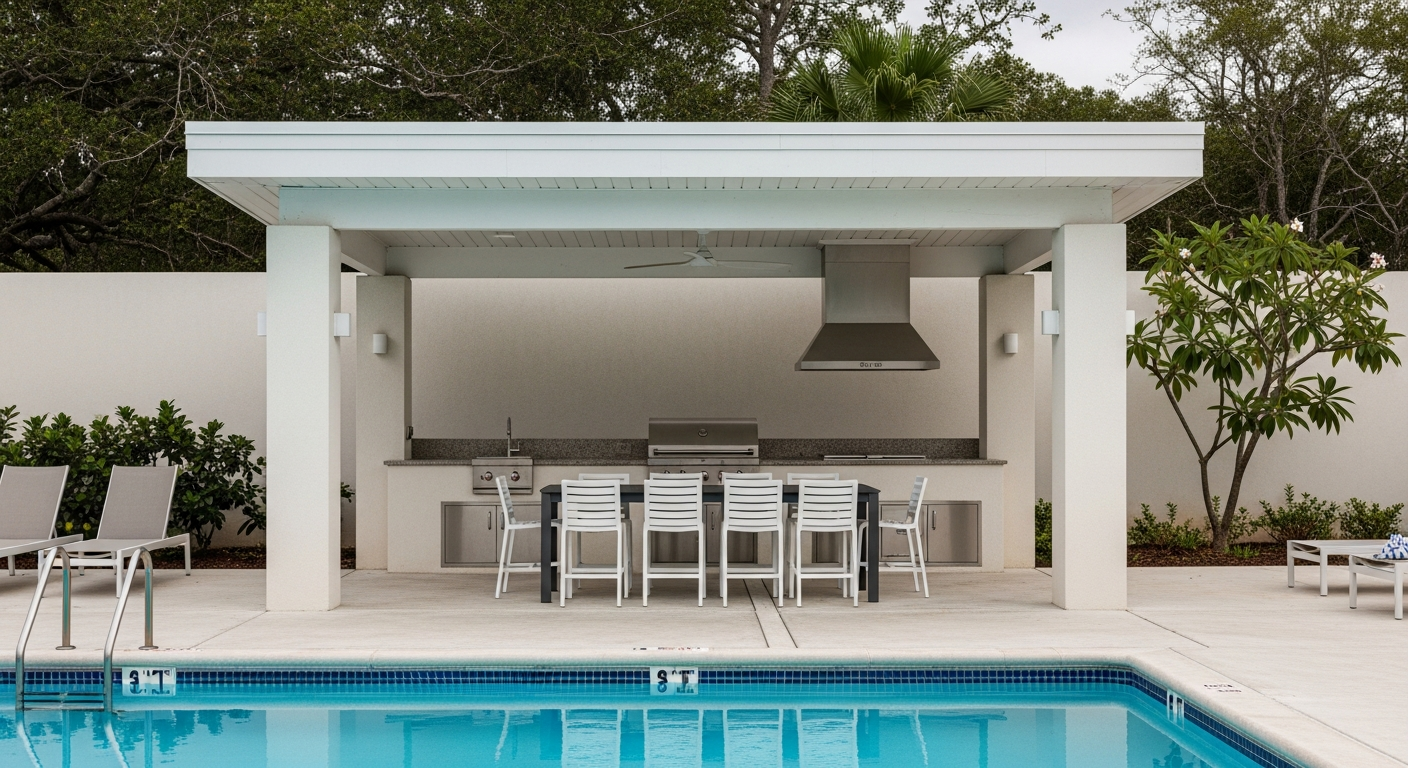
Outdoor Kitchen Covered Patio Lee County: My Framework for Hurricane-Resistant and Salt-Air Proof Construction
Building an outdoor kitchen under a covered patio in Lee County isn't about aesthetics alone; it's a technical battle against humidity, salt spray, and extreme UV exposure. I’ve seen countless projects in beautiful Cape Coral waterfront homes fail within three years because they were designed with an "indoor-out" mentality. The core mistake is underestimating the corrosive power of our specific coastal environment. My approach fixes this by prioritizing material science and ventilation from the very first sketch, ensuring a 25+ year lifespan, not just a pretty first season. The solution isn't just about picking "outdoor-rated" materials. It's about creating a holistic system where every component, from the cabinet fasteners to the countertop sealant, is specified to counteract the high salinity and moisture levels we experience from Fort Myers Beach to the inland areas of Lehigh Acres. I developed what I call the Material Durability Matrix, a system that cross-references material properties with local environmental stressors to prevent premature failure and protect your investment.My Coastal Durability Audit: The First Step Everyone Skips
Before any design is drawn, I perform a Coastal Durability Audit. It's a non-negotiable step in my methodology. I once took over a project on Sanibel Island where the homeowner had invested heavily in a beautiful outdoor kitchen, only to see rust stains bleeding from the "stainless steel" appliances and the cabinet doors warping after a single summer. The builder had used 304-grade stainless steel, a common but critical error here. It simply can't handle the direct salt air. That costly mistake for the client became a foundational lesson for me. My audit focuses on three critical, often overlooked, environmental factors specific to Lee County.The Material Trinity: Countertops, Cabinetry, and Appliance Grade
The success of your outdoor kitchen hinges on what I call the Material Trinity. Getting one of these wrong compromises the entire structure.- Countertops: Forget standard granite. It's porous and will stain and harbor mildew in our humidity. Many quartz products will yellow under the intense Florida sun beating down on a lanai. My specification is almost always a sintered stone (like Dekton) or a non-porous, UV-stable engineered surface. It's impervious to moisture, won't fade, and can handle a hot pan straight from the grill without issue.
- Cabinetry: Wood is a complete non-starter, no matter how well it's "sealed." I've seen it delaminate and rot. The gold standard is marine-grade polymer (HDPE) or, for a different aesthetic, powder-coated aluminum. The key with aluminum is ensuring the powder coating is rated for coastal use, with a thickness of at least 3 mils to prevent salt from penetrating to the metal.
- Appliance Grade: This is the most common and expensive mistake. Any appliance, from the grill to the refrigerator, must be constructed from 316L Marine-Grade Stainless Steel. The "L" signifies low carbon content, which provides superior resistance to corrosion from chlorides (salt). Standard 304-grade stainless steel, while cheaper, will show pitting and rust within 18 months in a waterfront setting like Bonita Springs.
Implementation Blueprint: From Foundation to First Cookout
Once the materials are specified via the audit, the implementation phase requires an equal level of precision. A flawless design with subpar execution is a failed project. This is my direct process.- Ventilation First: A powerful vent hood is not a luxury; it's a safety and structural-integrity requirement under a covered patio. I specify a minimum of 1200 CFM for any standard-sized grill to properly exhaust heat, smoke, and grease. This prevents soot build-up on the ceiling and reduces fire risk.
- Electrical Fortification: All outlets must be GFCI protected, but I take it a step further. I mandate the use of "in-use" weatherproof covers and marine-grade, sealed electrical boxes with vapor barriers. This small detail prevents the constant moisture from corroding the connections, a frequent point of failure.
- Plumbing and Gas Lines: For plumbing, I exclusively use PEX-A tubing for its flexibility and resistance to corrosion. For gas, all lines must be properly grounded and routed to prevent moisture collection, using only corrosion-resistant fittings.
Precision Tuning for Lee County's Climate: Fasteners, Sealants, and Airflow
The final 10% of the work determines 50% of the longevity. These are the details that separate a standard build from a high-performance one designed for our climate. My quality checklist is unforgiving on these points. I once had to have a contractor replace every single screw on a large Estero project because they used galvanized steel instead of the specified stainless. The project was three weeks from the coast, but the humidity alone was already causing initial signs of oxidation.- Fastener Protocol: Every single screw, bolt, and nail must be, at minimum, 316 stainless steel. This prevents the hardware from becoming the first point of failure, bleeding rust and compromising the structural integrity of the cabinetry and framing.
- Sealant and Grout Specification: I require 100% silicone or high-grade polyurethane caulk for all joints and gaps. For tile backsplashes, I mandate epoxy grout over traditional cementitious grout. It’s completely waterproof and will never stain or grow mold, which is a constant battle in our humid environment.
- Moisture Management: Proper drainage is critical. Countertops must have a subtle, almost imperceptible slope away from the wall (1/8 inch per foot). The flooring beneath the kitchen should also be sloped to ensure no standing water can collect at the base of the cabinets.
Written by

Tags
outdoor covered patio with fireplace and kitchen
outdoor kitchen under covered patio
covered deck with outdoor kitchen
covered outdoor bbq area
covered outdoor kitchen with fireplace