Paver Sealing in Charlotte County: My Framework for Preventing Sub-surface Efflorescence and UV Degradation
Finding a "paver sealing near me" service in Charlotte County often leads you to companies promising a quick cosmetic fix. I’ve been called to fix dozens of these jobs, especially in communities like Port Charlotte and Punta Gorda, where the sealer has turned white, peeled, or faded in under a year. The core issue isn't usually the product; it's a fundamental failure in diagnosing the paver's condition before a single drop of sealer is applied. The intense Florida sun and our notorious rainy season create a unique challenge that most standard sealing procedures simply ignore. My entire approach is built around mitigating these two local factors. It’s not just about spraying a coating; it’s about creating a bond that can withstand the hydrostatic pressure from below and the relentless UV exposure from above. This prevents the milky-white haze known as efflorescence and can increase the functional lifespan of the seal by over 50%.My Diagnostic Protocol: Why I Trust a Moisture Meter More Than the Weather Forecast
The single most critical error I see is sealing pavers that are not completely dry at the sub-surface level. On the surface, a paver in a Punta Gorda Isles lanai might feel dry to the touch after a sunny morning, but trapped moisture is lurking below. Applying a film-forming sealer over this creates a non-breathable barrier. When the sun heats the paver, that trapped moisture vaporizes and pushes upwards, causing the sealer to delaminate and fail. My proprietary methodology starts with a mandatory diagnostic step. I use a professional-grade concrete moisture meter to take multiple readings across the project area. I will not proceed with sealing unless the core moisture content is below 4%. This non-negotiable KPI is the foundation of a lasting job. I once had to delay a large commercial project in Port Charlotte by three full days because the readings were consistently at 6% after a week of no rain. The client was impatient, but delaying the job saved them a complete strip-and-reseal project costing thousands a year later.The Technical Breakdown: Penetrating vs. Film-Forming Sealers in High Humidity
Understanding the enemy—our local Charlotte County humidity—is key to choosing the right weapon. Paver sealers generally fall into two categories, and the choice is critical for areas exposed to constant moisture, like pool decks and driveways.- Penetrating Sealers (Water-Based): These silane/siloxane sealers work by absorbing into the paver's pores, creating a hydrophobic barrier from within. They don't form a surface film, which means they are breathable. This is my go-to choice for areas with potential underlying moisture issues or for clients who prefer a natural, non-glossy finish. They are exceptional at preventing mold and algae growth, a constant battle in our climate.
- Film-Forming Sealers (Solvent or Water-Based Acrylic): These create a protective film on the surface, offering that popular "wet look" and excellent stain protection. However, as mentioned, they are less breathable. I only use a high-solids, solvent-based acrylic after confirming extremely low moisture readings and ensuring the jointing sand is perfectly stabilized. Using this type of sealer improperly is the number one cause of the hazy, flaking failures I'm hired to fix.
My Application Process: A Step-by-Step for a Bulletproof Finish
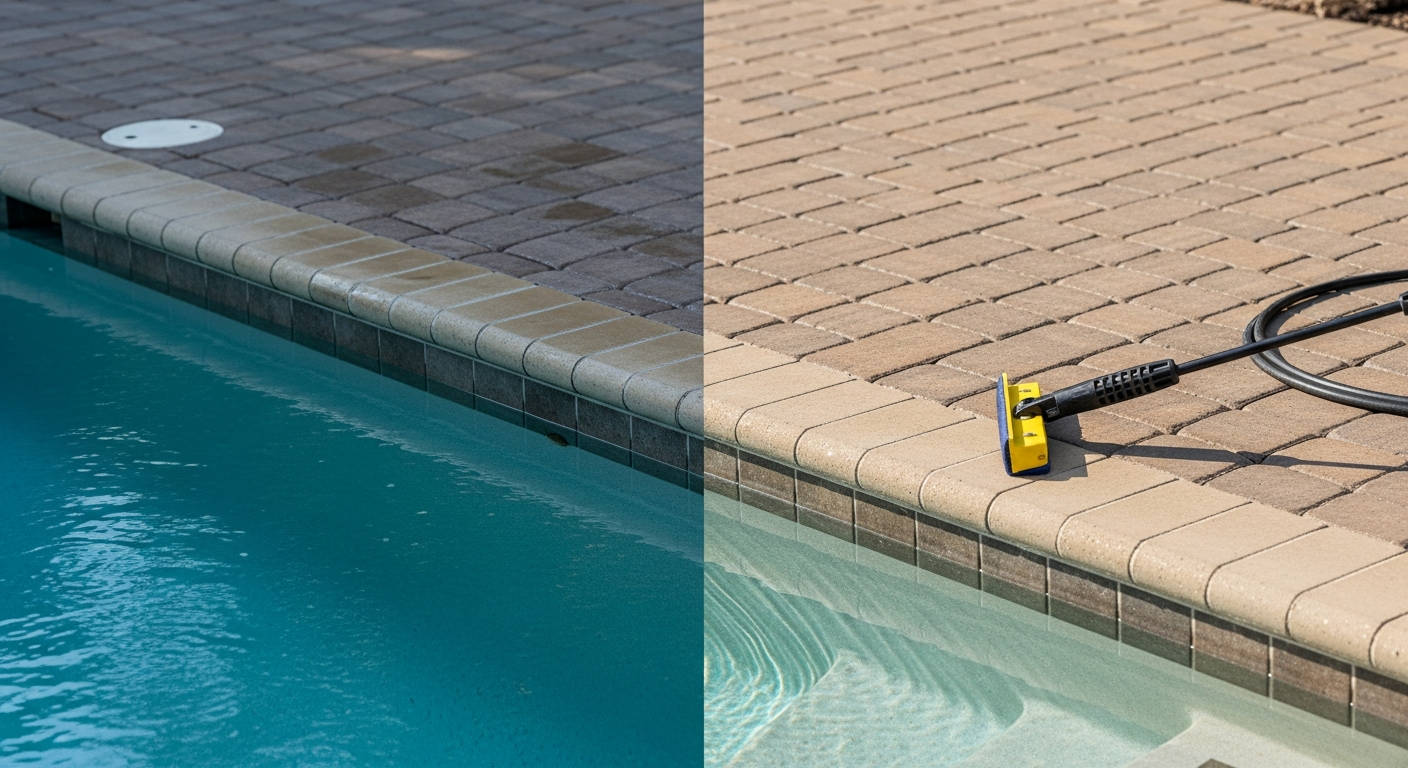
A perfect seal is the result of a meticulous process, not a single action. Each step builds upon the last, and skipping one compromises the entire system. This is the exact sequence I follow.- Surface Decontamination: This goes beyond a simple pressure wash, which can damage the paver surface. I use a 4000 PSI pressure washer fitted with a 20-inch surface cleaner head to ensure uniform pressure. For oil stains common in driveways, a specialized microbial degreaser is applied first to break down the hydrocarbons.
- Joint Sand Stabilization: Empty or washed-out paver joints are the primary entry point for water and weeds. I refill all joints with a high-grade polymeric sand, lightly mist it to activate the polymers, and then allow it to cure for a full 24 hours. This locks the pavers together and forms the first line of defense against sub-surface water.
- The Sealing Application: My technique for applying a film-forming sealer is the "Flood and Backroll" method. I apply a heavy flood coat with a battery-powered sprayer to fully saturate the surface and joints. Immediately, I follow with a 3/8-inch shed-resistant roller to remove excess product from the surface and eliminate any potential drip or roller lines. This ensures a uniform coating thickness, critical for even curing under the intense sun.
Precision Adjustments for a Flawless Cure
The job isn't over when the sprayer is put away. The curing phase is where a great job becomes a perfect one. I constantly monitor ambient temperature and humidity. Ideally, I apply sealer when the surface temperature is between 50°F and 85°F. Applying sealer to a scorching hot paver in the middle of a July afternoon in Englewood will cause it to "flash cure," trapping solvents and creating bubbles. After 48 hours, I perform a simple water drop test. If the water beads up instantly like on a freshly waxed car, I know the hydrophobic barrier is perfectly established. This confirms the seal has achieved its maximum protective properties. Before you hire anyone, ask them this: what is their protocol for testing paver porosity and how does that dictate their choice between a penetrating or a film-forming sealer for a lanai in Port Charlotte?Written by

Tags
concrete pavers sealer
porcelain paver sealer
driveway paver sealing near me
professional paver sealer
paver patio cleaning and sealing near me