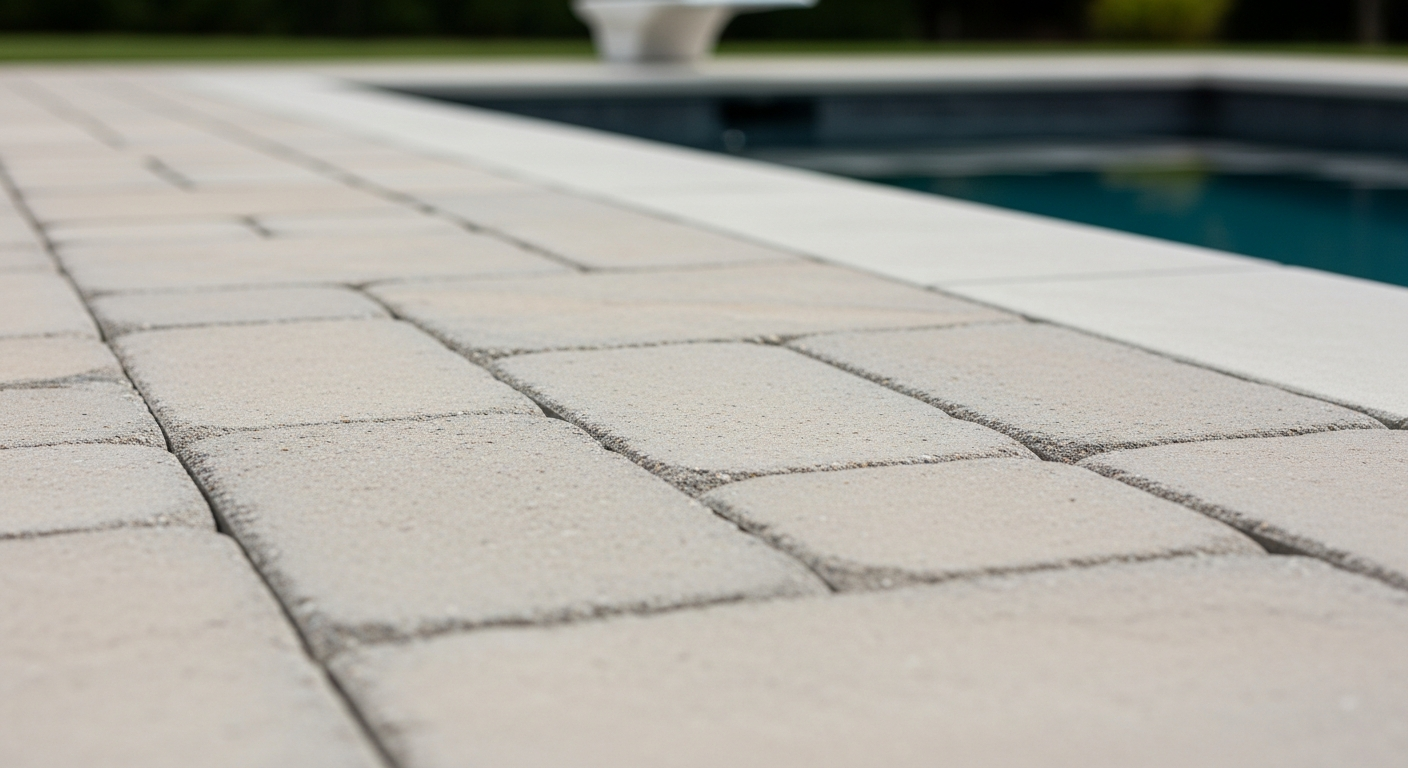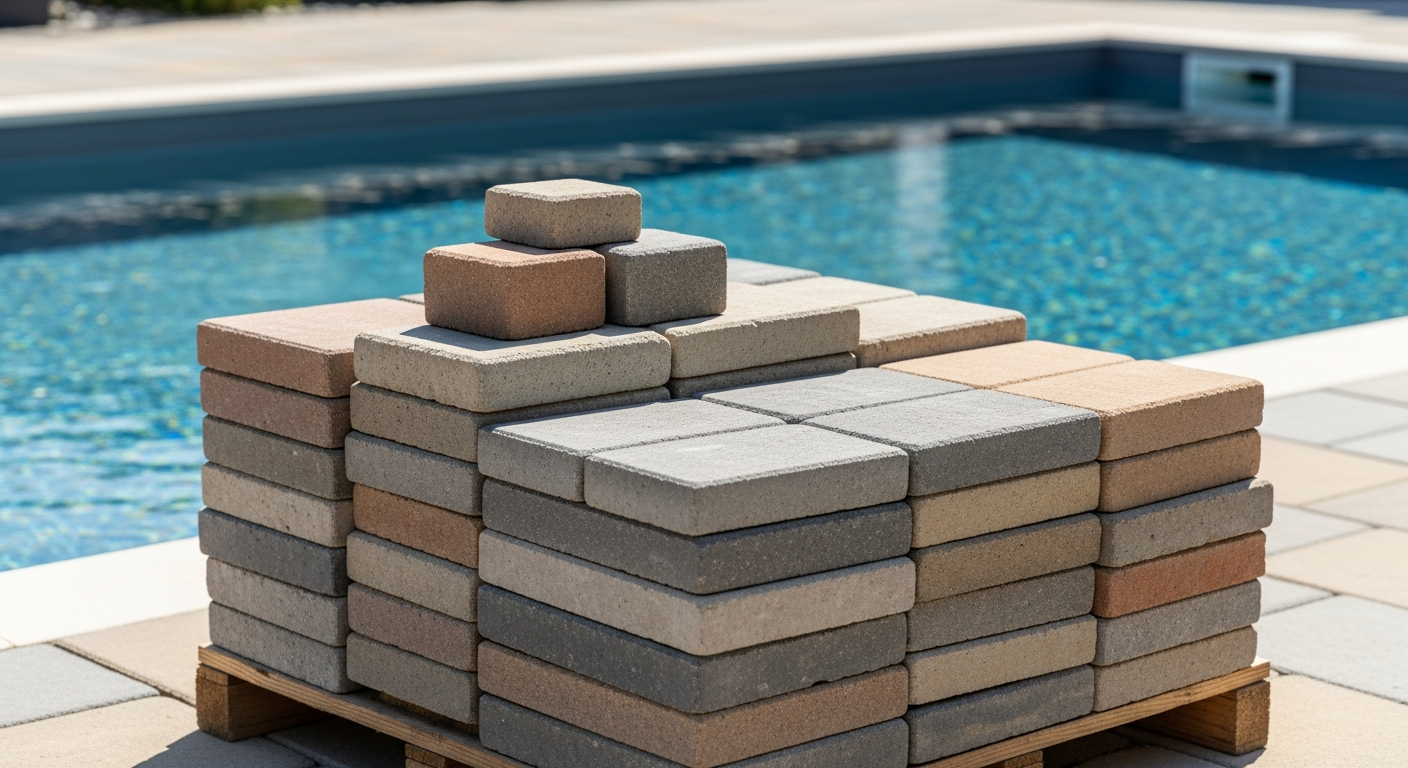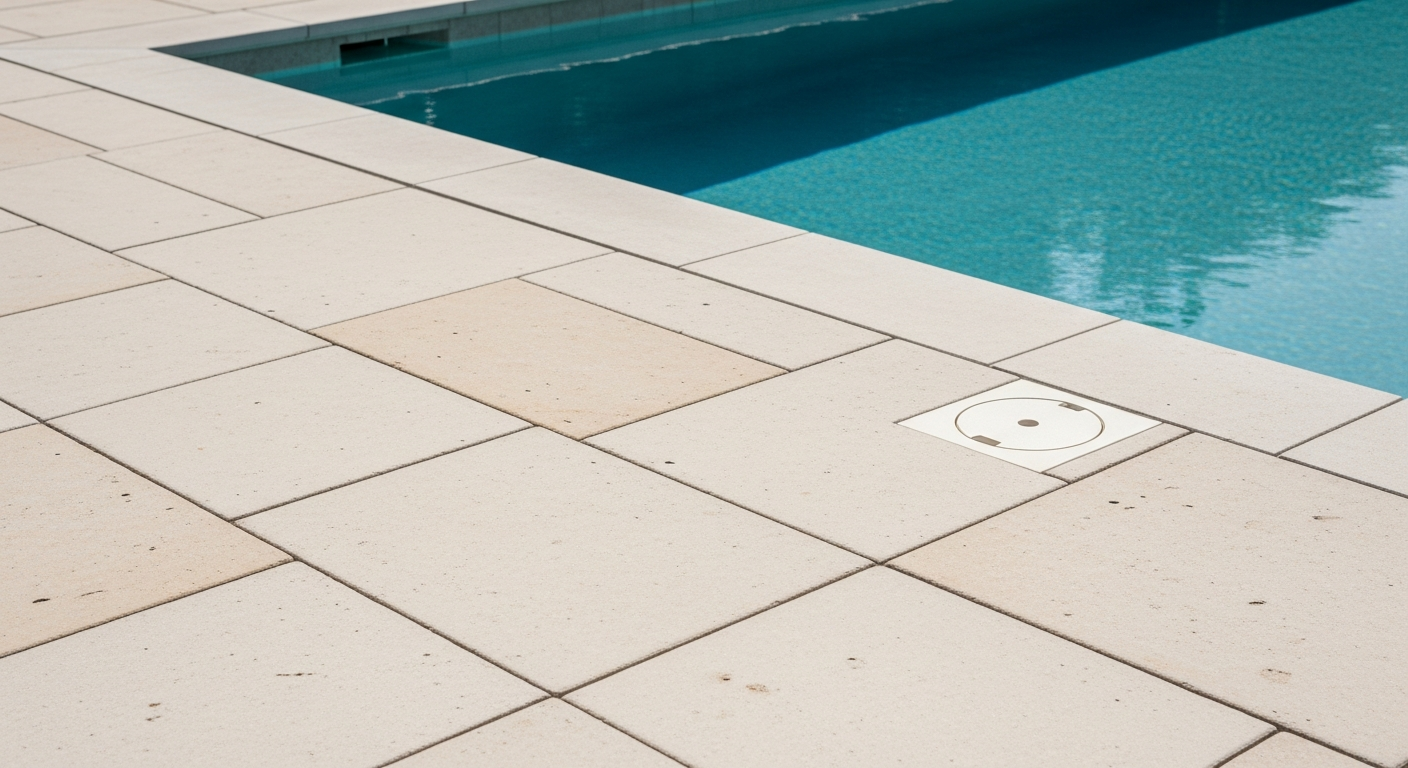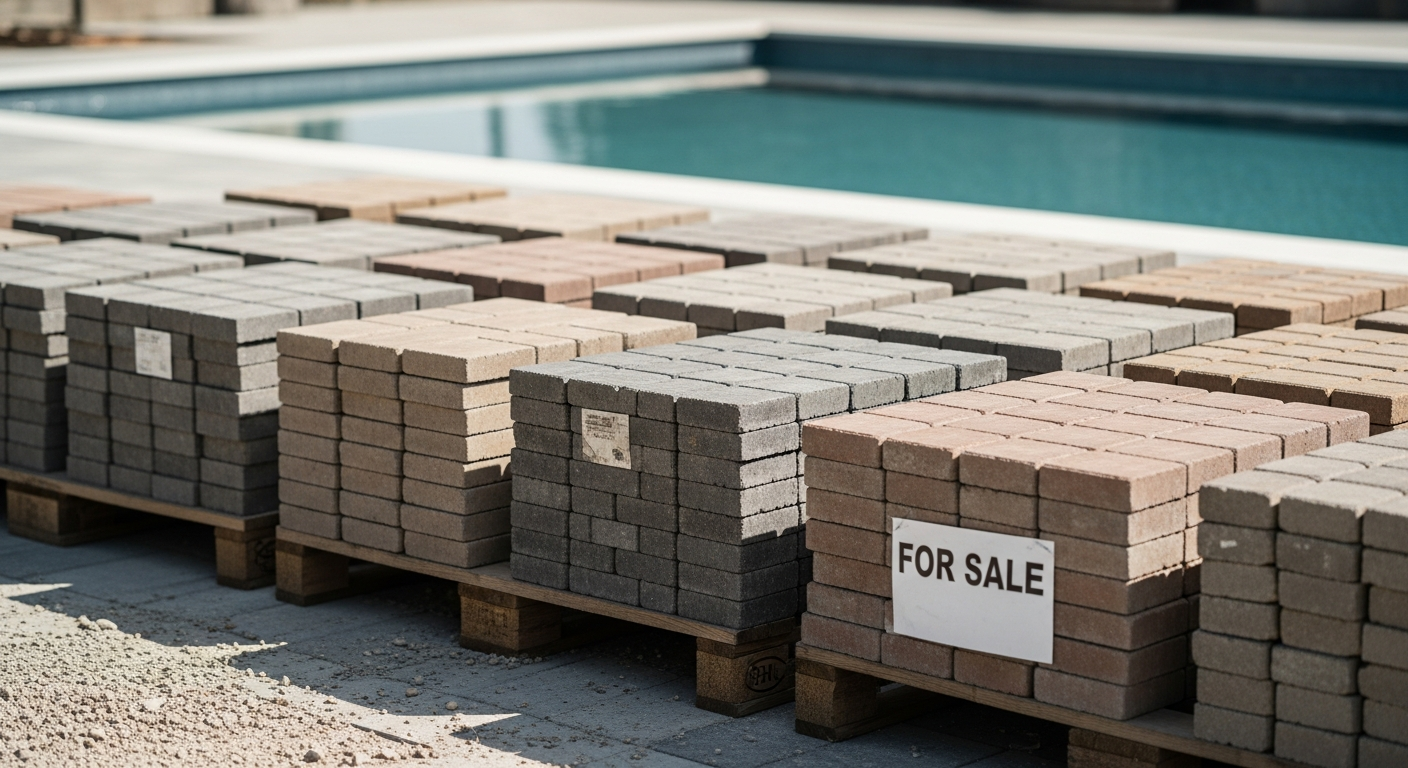
Pavers For Sale Collier County: My Framework for Preventing Subgrade Failure and UV Fading
I’ve lost count of the number of beautiful Naples and Marco Island homes I've visited where a five-figure paver investment begins to fail within two years. The most common symptom I diagnose is differential settlement—uneven, sinking pavers that create tripping hazards and hold water. The homeowner almost always blames the pavers they purchased, but the root cause is almost never the stone itself. It's a fundamental mismatch between the paver's physical properties and the unique geotechnical challenges of Collier County's sandy, shifting soil. The mistake is selecting pavers based solely on curb appeal or price. My entire methodology is built on preventing this. It starts by analyzing the project's specific load and environmental exposure, then matching those requirements to paver specifications like compressive strength and porosity before a single stone is ordered. This technical-first approach is the only way to guarantee a driveway in Port Royal or a pool deck in Pelican Bay will look as good in a decade as it does on day one.My Diagnostic Process: The Paver Performance Matrix for Local Conditions
Before I even look at paver samples, I run a project through my proprietary diagnostic. I learned this the hard way after a large commercial project showed premature joint sand loss after just one rainy season. The cause was an overlooked detail: the paver's chamfer (the beveled edge) was too aggressive, creating wider joints that couldn't hold standard polymeric sand against our intense downpours. Now, my matrix is non-negotiable. It focuses on three critical, often ignored, technical specifications.Decoding Paver Specs for the Gulf Coast Climate
- Porosity and Water Absorption Rate (ASTM C140): In Collier County, high humidity and frequent rain make pavers a breeding ground for algae and mold, especially on shaded lanais. I look for pavers with a water absorption rate below 5%. Anything higher will act like a sponge, leading to deep-set stains and a perpetually damp surface. This is a non-starter for pool areas.
- Solar Reflectance Index (SRI): The intense Florida sun can make dark-colored pavers dangerously hot, rendering a pool deck unusable in the afternoon. I insist on pavers with a minimum SRI value of 29 for any surface with significant foot traffic. This simple spec can result in a surface temperature reduction of up to 15-20°F, a massive quality-of-life improvement.
- Flexural Strength (ASTM C1791): Standard compressive strength is important for driveways, but in our sandy soil, flexural strength is the real KPI for longevity. This measures a paver's ability to resist snapping under tension when the subgrade inevitably shifts slightly. I won't specify a paver with less than 750 psi of flexural strength for any vehicular application.
The Collier County Paver Installation Protocol: A Step-by-Step Breakdown
Once the right paver is selected, the installation is where 90% of future failures are born. Buying the most expensive travertine from a supplier means nothing if the base prep is wrong. This is my field-tested protocol for ensuring a lifetime installation.- Subgrade Analysis and Compaction: I start with a proper excavation, typically 8-10 inches for a driveway. The critical action here is compacting the native sandy soil to 98% Standard Proctor Density. I often specify the use of a geotextile stabilization fabric over the compacted subgrade. This is my secret weapon against the sandy soil; it separates the base material from the soil, preventing the slow, insidious process of base aggregate sinking into the sand.
- Base Material Application: I use a specific crushed concrete or limestone base, laid in 2-3 inch "lifts." Each lift is individually watered and compacted. Simply dumping 6 inches of rock and compacting the top layer is a guaranteed failure point I've seen on countless repair jobs.
- Bedding Sand and Screeding: A uniform 1-inch layer of clean, washed concrete sand is all that's required. The crucial step is the screeding—ensuring a perfectly flat and pitched plane for drainage.
- Paver Laying and Joint Stabilization: After the pavers are set, I use a high-quality polymeric sand with advanced polymers. The trick is to sweep it in dry, compact the pavers to settle the sand, and then mist it with water using a specific nozzle pattern to activate the binding agents without washing the polymers away.
Precision Sealing and Quality Control Standards
The final step is sealing, but not all sealers are created equal for our environment. An acrylic "wet look" sealer might look great initially but can trap moisture and turn hazy in the Florida humidity. For most applications, I specify a silane-siloxane penetrating sealer. It soaks into the paver, densifying it and repelling water from within, without creating a surface film. My final quality check is the 24-hour water bead test. If water dropped on the surface doesn't form a tight, distinct bead after 24 hours of curing, the seal is insufficient and must be reapplied. This prevents the gradual erosion and staining caused by our salt-laden air and acidic rain. Given that the interaction between the bedding sand and the jointing sand is critical for load transfer across the paver field, how have you accounted for the potential for hydrostatic pressure during a major storm event to compromise your joint stabilization method?Written by

Tags
brick pavers near me
interlocking pavers
paver edging
pool pavers
concrete pavers near me