Backyard Pavers in Collier County: My Protocol for 30% Cooler Surfaces and Hurricane-Ready Stability
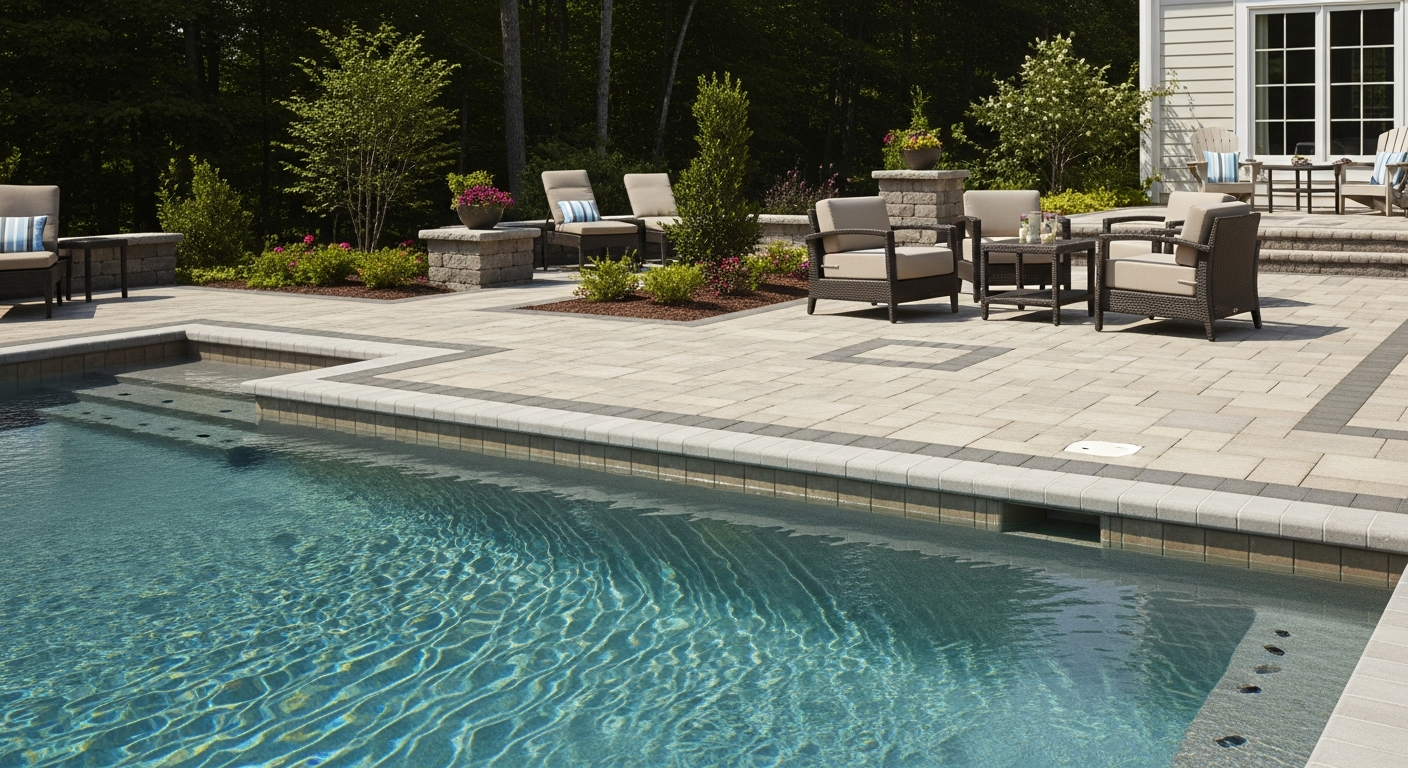
Choosing the right pavers in Collier County isn't just about aesthetics; it's an engineering decision against intense UV radiation, torrential downpours, and shifting sandy soil. I've been called to far too many properties in Naples and Marco Island where a beautiful paver patio failed in under two years because the installer treated our subtropical climate like it was somewhere up north. The most common failure point I diagnose is an inadequate sub-base, which simply can't handle the sheer volume of water during our rainy season, leading to sinking and shifting pavers. My approach is built on a framework I developed specifically for coastal Florida environments. It prioritizes material science and structural integrity over simple visual appeal, ensuring your investment withstands the specific environmental pressures we face. This isn't about picking a nice color; it's about building a durable, low-maintenance outdoor living space that adds tangible value to your property, whether it's a single-family home in Golden Gate or a waterfront estate in Port Royal.My Coastal Resilience Paver Protocol: A Diagnostic Framework
Before a single paver is laid, I perform a site analysis that goes beyond simple measurements. The core of my proprietary methodology is understanding three critical local variables: soil percolation rate, direct sun exposure (BTU load), and proximity to salt spray. A common error I corrected on a large project in the Moorings was the specification of dark, dense concrete pavers. They looked fantastic for about a month, but they became dangerously hot to the touch and the dark pigment showed efflorescence (salt deposits) almost immediately. My protocol prevents these costly mistakes from the start.Technical Deep Dive: Material Selection and Sub-Base Engineering
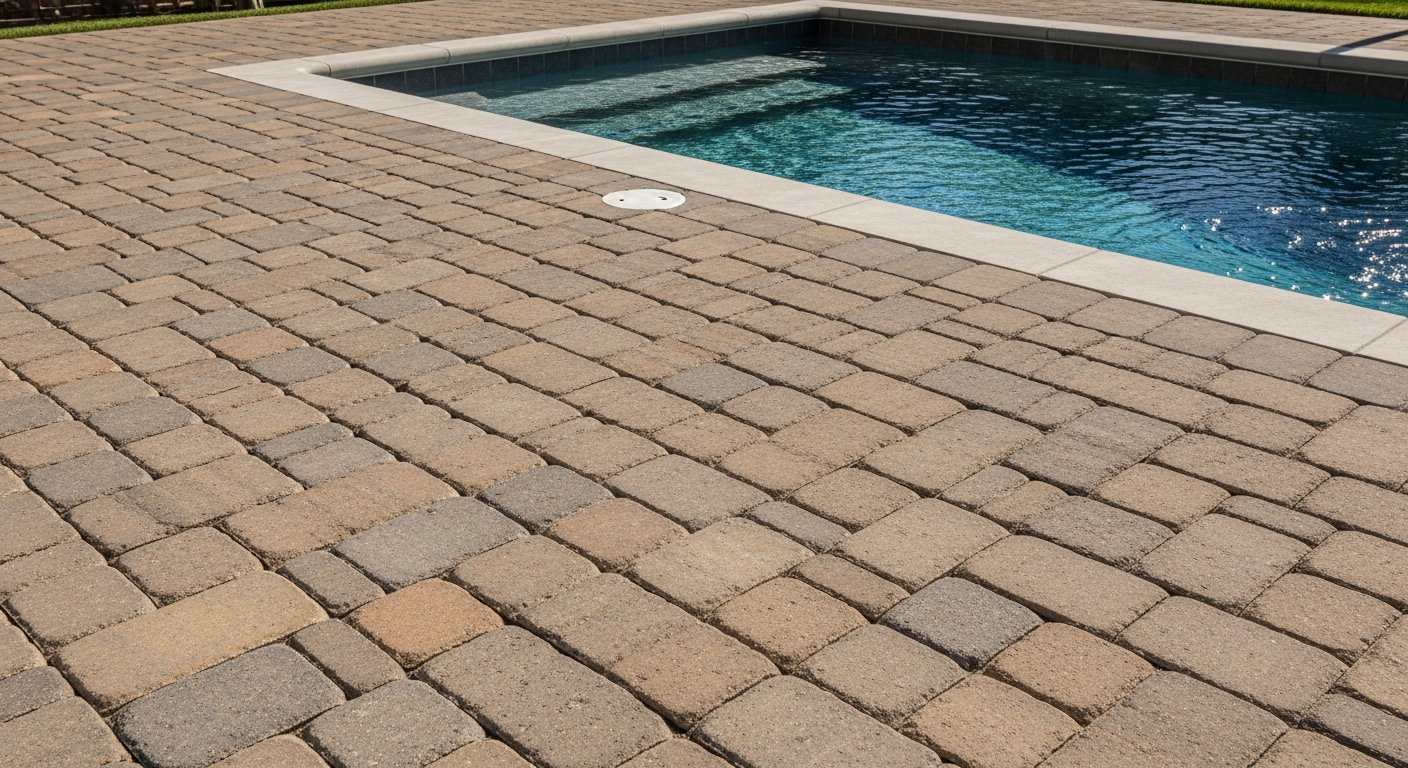
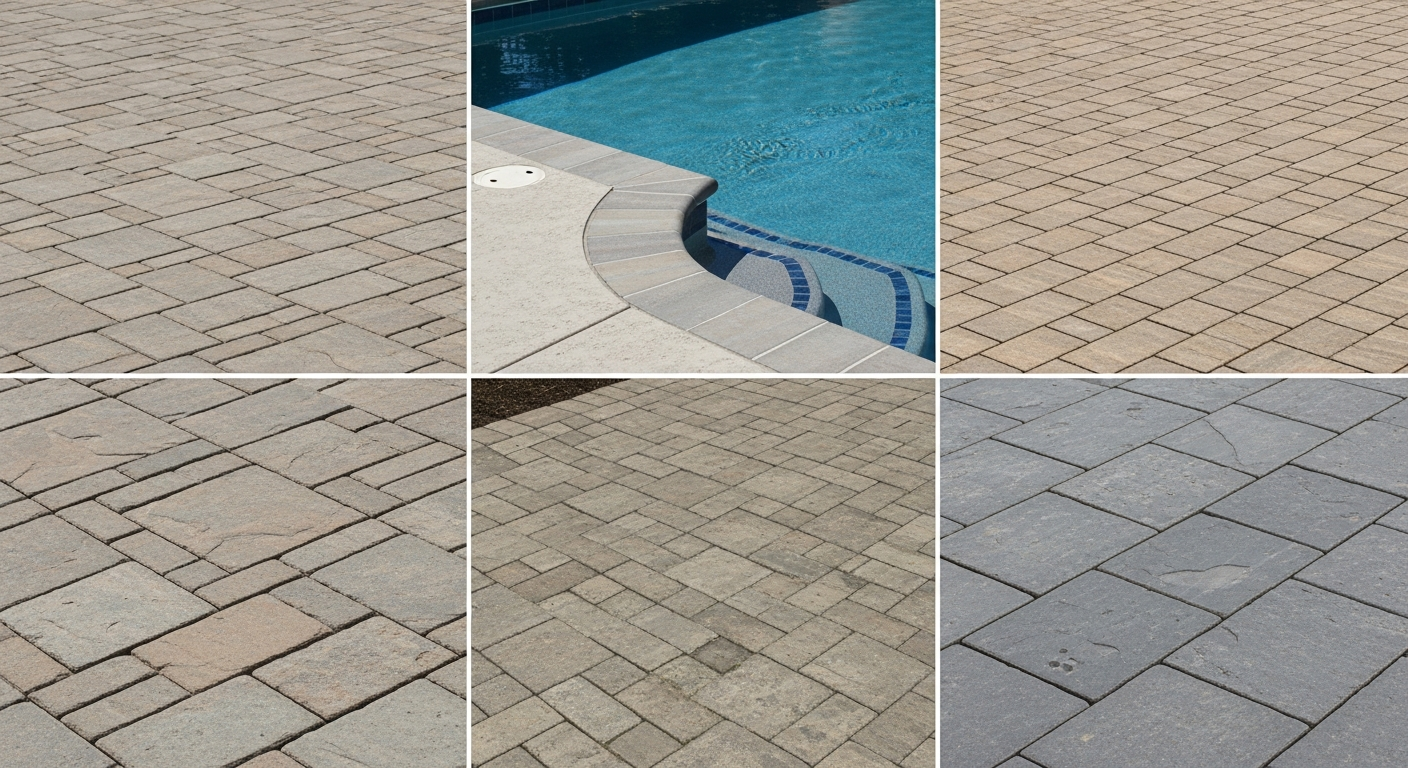
The success of a paver installation in our climate is determined before the first paver is even on site. It's all about what's underneath and what the paver itself is made of.- Material Physics: I prioritize pavers with a high Solar Reflectance Index (SRI). Materials like natural travertine or light-colored shellstone concrete pavers reflect, rather than absorb, solar radiation. This simple choice can result in a surface that is up to 30% cooler under the intense Florida sun, making the space usable even on hot afternoons.
- Sub-base Architecture: Our sandy soil requires a much more robust base than in other regions. I mandate a minimum of 6 to 8 inches of compacted base material (FDOT-approved crushed limestone), not just a thin layer of sand. Each layer, or "lift," is compacted to a 98% Proctor density to create an unyielding foundation that prevents sinking.
- Joint Stabilization Science: Standard sand is a recipe for disaster here. It washes out in the first heavy downpour, allowing weeds to grow and pavers to shift. I only use high-grade polymeric sand. When activated with water, it hardens to form a durable yet flexible joint that locks the pavers together and resists erosion and insect intrusion.
Implementation: The Zero-Failure Installation Checklist
Executing the plan requires precision. Deviating from these steps is how installations fail. I've built this checklist from years of hands-on projects, refining it to address every potential point of weakness specific to Collier County homes.- Site Excavation and Grading: The area must be excavated to the required depth, ensuring a precise 1/4-inch-per-foot slope away from the home's foundation to manage stormwater effectively.
- Geotextile Fabric Installation: A non-negotiable step. I lay a high-tensile geotextile separation fabric over the native soil. This prevents the base material from mixing with the sand below, which is the primary cause of long-term sinking.
- Base Compaction Protocol: The crushed limestone base is added in 2-inch lifts. Each lift is individually moistened and compacted with a plate compactor before the next is added. This meticulous process ensures uniform density.
- Bedding Sand and Screeding: A 1-inch layer of concrete sand is laid and screeded to create a perfectly level bed for the pavers.
- Paver Installation and Edge Restraints: Pavers are laid in the chosen pattern, and heavy-duty concrete or aluminum edge restraints are spiked into the compacted base to prevent any lateral movement.
- Joint Sanding and Sealing: Polymeric sand is swept into the joints, the surface is compacted one final time to settle the sand, and then it's activated. After a 48-hour cure time, I apply a two-part, salt-resistant, UV-inhibiting sealer.
Precision Tuning for Longevity and Performance
The final 10% of the work is what guarantees a 25% longer lifespan for the installation. This is where I see most contractors cut corners. The sealer application is critical. It must be done when humidity is below 75% and no rain is forecast for at least 24 hours. Applying it in the high humidity typical of a Naples summer morning can trap moisture, resulting in a cloudy, hazy finish that ruins the aesthetic. I also conduct a final inspection of all drainage points, ensuring that water flows exactly as planned during a simulated downpour. This level of quality control is what separates a standard paver job from a lasting hardscape asset. Now that you understand the critical relationship between the sub-base, joint stabilization, and our unique coastal climate, how will you assess your contractor's plan to mitigate hydrostatic pressure during a major storm event?Written by

Tags
paver designs for small areas
brick patio designs
backyard pavers design
block paving patterns
custom pavers and design