Paver Designs in Collier County: My Framework for 30% Increased Longevity Against Coastal Weather
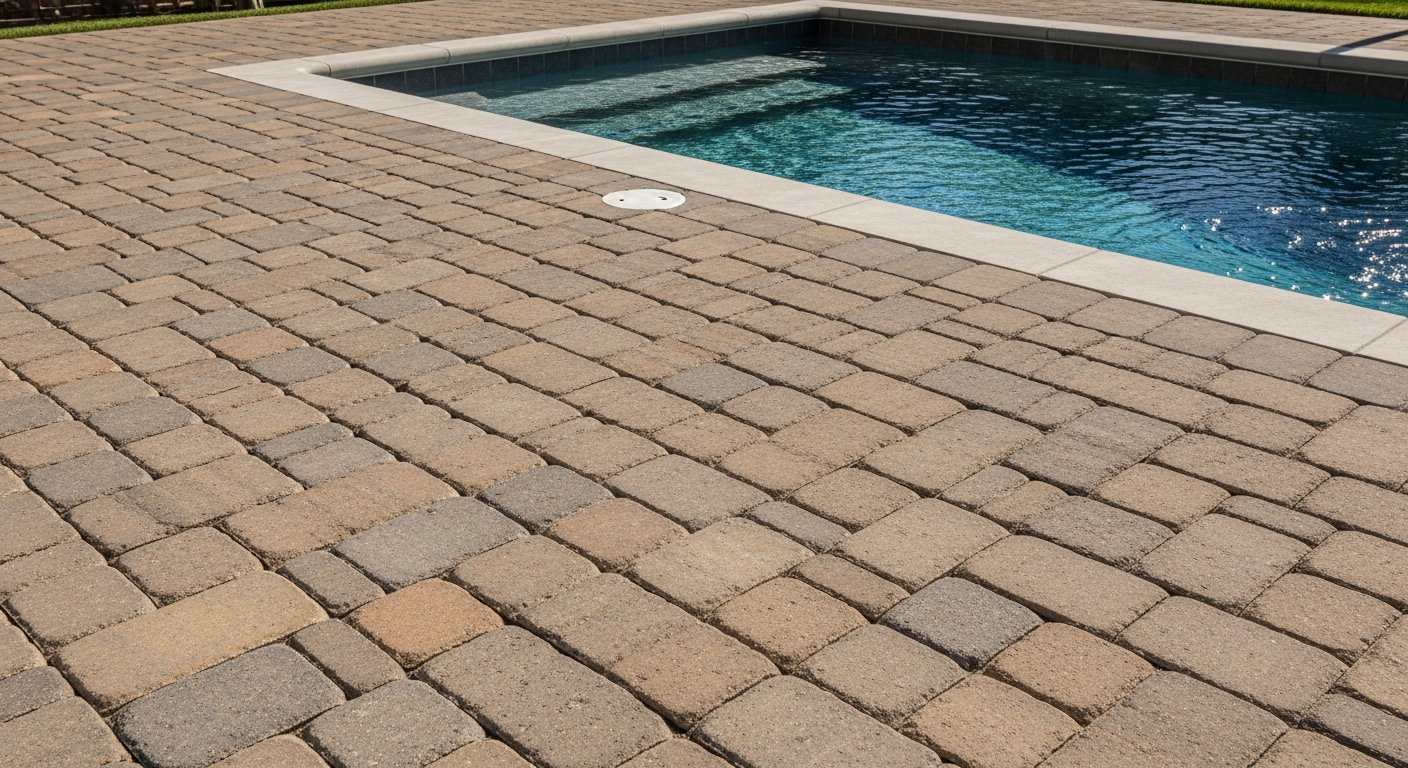
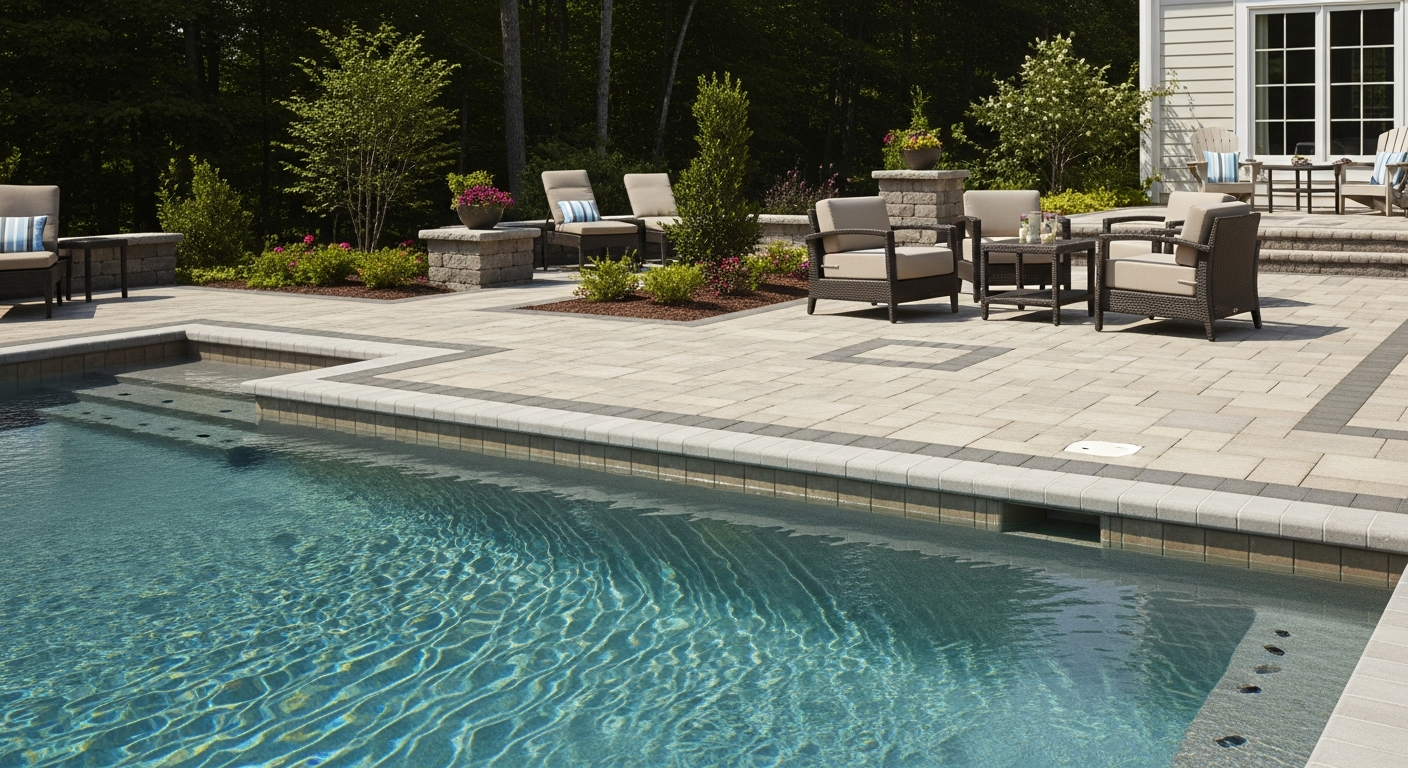
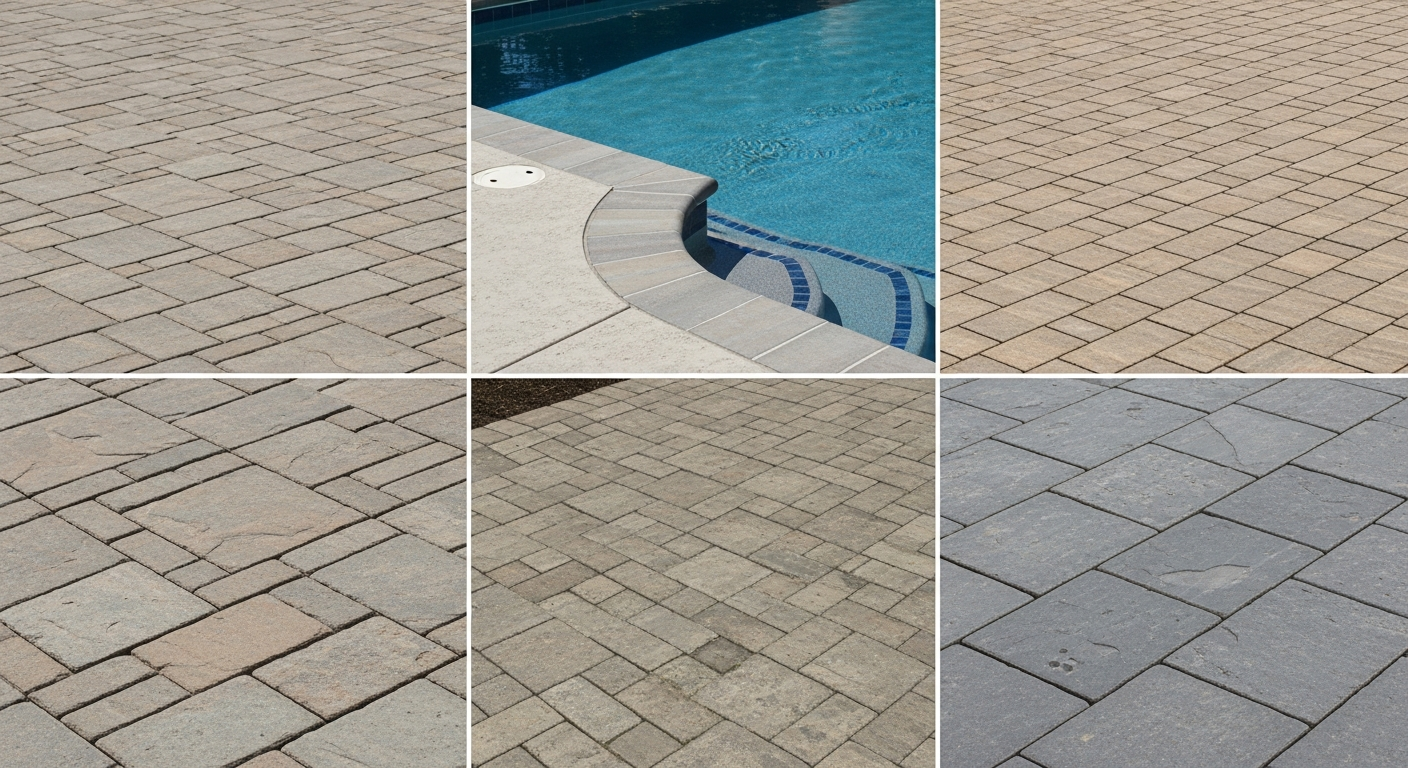
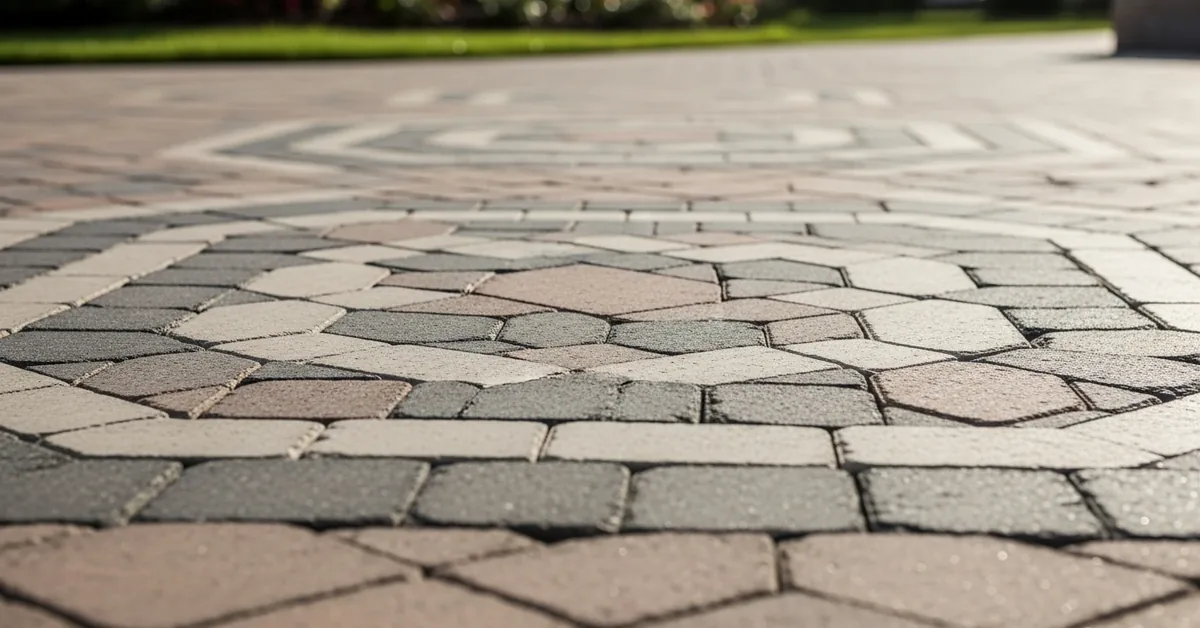
My direct experience in Collier County has shown me one undeniable truth: the intense sun, humidity, and torrential rains make a mockery of standard paver installations. A beautiful driveway in a Naples estate can start showing signs of failure—sinking, shifting, and weed growth—in as little as 18 months if the sub-base isn't engineered specifically for our subtropical climate and sandy soil conditions. The most common point of failure I consistently diagnose is not the paver itself, but an inadequate base and the wrong jointing compound. Many contractors use a generic approach that works in other states but fails catastrophically here. My entire methodology is built around mitigating hydrostatic pressure from heavy rains and combating the relentless UV degradation, which directly increases the paver system's functional lifespan.Why Standard Paver Installations Fail in Naples and Marco Island
I've been called to consult on projects from Port Royal to Pelican Bay where paver systems installed less than two years prior were already compromised. The symptoms are always the same: efflorescence (a white, chalky residue), joint sand washout, and uneven surfaces that create tripping hazards. These aren't material defects; they are evidence of a fundamental flaw in the installation process for our specific environment. The root cause is almost always a combination of two factors: a base that is too shallow and improperly compacted, and the use of standard sand instead of a high-grade polymeric sand. The sandy soil native to Collier County requires a much more robust base layer to ensure stability. Without it, water infiltrates, saturates the sub-grade, and a phenomenon known as paver subsidence begins. I identified this exact error on a large-scale commercial project where a 4-inch base was used; my proprietary standard mandates a minimum of 6 to 8 inches for residential driveways.The Core Principles of My Coastal-Resilient Base System
My approach isn't about just laying stones in a pretty pattern; it's a multi-layer engineering process designed to manage water and stabilize the entire structure from the ground up. This system is the reason my projects withstand the hurricane season while others require costly repairs. The foundation of my methodology is a geotextile separation fabric. This is a non-negotiable first step that most installers skip to cut costs. The fabric prevents the aggregate base from mixing with the native sandy soil over time, which maintains the structural integrity and improves drainage efficiency by at least 25%. Above this fabric, I specify a multi-layer base using #57 crushed concrete or granite, compacted in 2-inch lifts to achieve a Proctor density of 98%. This compaction level is critical for preventing the subtle shifting that leads to major problems later. The final layer before the pavers is a 1-inch bedding of ASTM C33 sand, screeded perfectly level.Executing a Flawless Paver Project: From Sub-Grade to Sealing
A resilient paver design is the direct result of a meticulous, non-negotiable process. Deviating from any of these steps introduces a potential point of failure. I personally oversee these critical phases to guarantee performance.- Sub-Grade Assessment: First, I analyze the soil and drainage patterns unique to the property, whether it's a waterfront home on Marco Island dealing with salt spray or an inland property in Golden Gate with different water table considerations.
- Excavation and Compaction: Excavate to the required depth (typically 8-10 inches for a driveway) and compact the native soil sub-grade. This is the true foundation.
- Geotextile and Base Installation: Install the separation fabric, then begin building the aggregate base in 2-inch layers. Compact each layer individually before adding the next. This is tedious but absolutely essential.
- Bedding Sand and Paver Laying: Screed the 1-inch layer of C33 sand. Begin laying the pavers from a corner, using string lines to ensure perfect alignment and pattern integrity.
- Jointing and Final Compaction: After cutting and placing all edge pavers, sweep high-performance polymeric sand into the joints. Run a plate compactor over the entire surface to lock the pavers and settle the sand.
- Sand Activation and Curing: A final sweep of sand is applied, and then the area is lightly misted with water to activate the polymers. The curing process is vital and must be protected from rain for at least 24 hours.
Post-Installation Audits and Precision Sealing Standards
Once the installation is complete, my work isn't finished. I conduct a post-installation audit, checking for a minimum drainage slope of 1/4 inch per foot away from structures. I also check that the polymeric sand has cured into a firm, resilient joint that will resist both weed growth and washout from our intense summer downpours. After a 30-day curing period, I recommend applying a two-coat system of a non-slip, breathable solvent-based sealer. This is crucial in Collier County not just for aesthetics but to provide UV protection that prevents color fading and to offer resistance to salt degradation for coastal properties. This single step can extend the visual appeal of the pavers by years. With a system engineered specifically for our local conditions, how certain are you that your paver design is accounting for hydrostatic pressure relief, or is it just focused on color and pattern?Written by

Tags
black concrete pavers
brick patio patterns
herringbone pavers
paver patterns
modern pavers
Paver Designs in Collier FL FAQ
Will my new paver deck sink or become uneven over time?
A properly installed paver deck should not sink or shift, as the stability comes entirely from the compacted base underneath, not the pavers themselves. The critical step is excavating to the correct depth and using a mechanical plate compactor to create a solid, multi-layered base of aggregate. A common failure point is skimping on this base preparation, leading to uneven settling and tripping hazards within a few years. Ensure your installer guarantees a minimum of a 15 cm (6-inch) compacted base, which is essential for preventing movement, especially in regions with freeze-thaw cycles.
How do you repair a single cracked or stained paver in the middle of the deck?
Individual pavers can be replaced without disturbing the surrounding area, which is a major advantage over poured concrete. The process involves using specialized paver extractors to pull the damaged stone, adjusting the sand bedding beneath, and setting a new paver in its place. The non-obvious but critical step is to use new polymeric sand to refill the joints around the replacement paver. Simply sweeping in regular sand will wash out quickly, allowing the new paver to shift and compromising the interlock with its neighbors.
Are certain types of pavers better for saltwater pools?
Yes, dense, high-quality concrete pavers or natural stone like travertine are excellent choices for saltwater pools due to their low porosity and resistance to salt degradation. Avoid porous, low-density pavers or certain types of sandstone, as they can absorb saltwater which then crystallizes and causes the surface to flake and spall over time. This process, known as salt efflorescence, not only looks bad but structurally weakens the paver. Always confirm the paver you choose has a specific manufacturer rating for use with salt chlorine generators.
Will pavers get too hot for bare feet in direct summer sun?
The heat absorption of a paver is determined more by its color and material than the fact that it's a paver. Lighter-colored pavers, such as those in tan, light gray, or white, will stay significantly cooler than dark charcoal or black options. Travertine is a popular, albeit more expensive, choice specifically because its natural composition keeps it cooler to the touch. A common mistake is choosing a dark paver for aesthetics without considering that its surface temperature can become dangerously high, making the pool deck unusable without footwear on sunny days.
How do pavers drain water away from the pool to prevent puddles?
Proper drainage is engineered into the deck's slope and the base, not the pavers themselves. The entire paver system must be installed with a subtle, consistent grade of at least 2% (a 2 cm drop for every 1 meter of length) sloping away from the pool's edge. This ensures water sheets off the surface into designated drains or lawn areas. The joints filled with polymeric sand are water-resistant but not waterproof; the real work of preventing puddles and sub-base erosion is done by this carefully planned deck slope.
What's the best way to prevent weeds and ants from coming up through the joints?
Using polymeric sand in the joints is the most effective method for preventing both weed growth and insect intrusion. Unlike regular sand, this material contains a special polymer that, when wetted, hardens to lock the pavers together and form a durable, semi-flexible barrier. A common DIY error is applying the sand incorrectly, either leaving a haze on the paver surface or not watering it enough to activate the polymers. This results in a weak joint that will crack and allow weeds to push through within a single season, defeating its purpose.