Backyard Pavers in Lee County: My Framework for Preventing Subgrade Failure and Achieving 30% Cooler Surfaces
I’ve seen countless paver patios in Fort Myers and Cape Coral fail not because of the paver itself, but due to a flawed subgrade compaction and a complete misunderstanding of our local soil mechanics. The sandy, often water-logged ground in Lee County requires a fundamentally different approach than what you'd read in a generic DIY blog. My entire process is built around combating the two biggest local enemies: hydrostatic pressure from the high water table and intense solar heat gain. The most critical mistake I consistently correct in projects from Sanibel to Lehigh Acres is the use of a standard 4-inch crushed stone base laid directly on un-stabilized soil. This is a recipe for sinking, shifting, and paver separation within two years. My proprietary Geotextile Separation Method isolates the paver system from soil moisture migration, increasing the patio’s structural lifespan by an estimated 50% and forming the foundation for a truly lasting outdoor space.My Diagnostic Framework for Lee County's Unique Terrain
Before a single paver is ordered, my first step is a site-specific soil assessment. The granular, sandy soil common in canal-front homes in Cape Coral has a very low load-bearing capacity and drains erratically. This leads to sub-base liquefaction during our heavy summer downpours. My diagnostic method focuses on pre-empting this failure. I don't just dig and dump gravel; I analyze the soil’s composition and drainage profile to engineer a base that will remain stable for decades. This is where I deviate from 99% of installers. Instead of a one-size-fits-all solution, I developed what I call the "Coastal Lock-In" base system. It’s a multi-layered approach designed specifically to manage the poor cohesive properties of our local soil and the constant moisture. It’s not about using more material; it’s about using the right materials in the correct sequence to create a semi-rigid, yet permeable, foundation that works with our environment, not against it.The Technical Breakdown of the Coastal Lock-In Method
This method is the core of why my projects last. It’s a three-part system. First, after excavation, I perform a compaction test to ensure the native soil subgrade achieves a minimum of 95% proctor density. Skipping this is the number one cause of long-term sinking. Second, I install a non-woven geotextile separation fabric. This is the crucial element; it prevents the sandy soil from mixing with my aggregate base while allowing water to pass through, effectively de-pressurizing the system. I’ve seen projects fail simply because the wrong type of fabric was used. Third, the aggregate base itself is a specific blend, not just standard limestone. I use a primary layer of clean #57 stone for drainage, followed by a thinner layer of #89 stone to create a tighter, interlocking surface before the sand bedding course. This two-stage aggregate approach provides superior stability over a single material base.Step-by-Step Implementation for Flawless Paver Installation
Executing the installation correctly is just as critical as the design. Over the years, I've refined my process into a sequence of non-negotiable steps. Following this order rigorously prevents the common callbacks and repairs I so often see in our area.- Excavation and Grading: I excavate to a depth of 9 inches for pedestrian patios and 12 inches for driveways. Crucially, I establish a precise 1/4 inch per foot slope away from the home's foundation to manage storm runoff effectively.
- Subgrade Compaction: I compact the native soil base using a vibratory plate compactor, making at least two passes in a perpendicular pattern to achieve uniform density.
- Geotextile Fabric Placement: The fabric is laid down with a 12-inch overlap at all seams, ensuring complete separation between the soil and the new base.
- Aggregate Base Installation: The #57 stone is laid in 3-inch lifts (layers). Each lift is individually compacted before the next is added. This incremental compaction is far more effective than trying to compact a single thick layer.
- Bedding Sand Screeding: I use 1 inch of clean, coarse ASTM C33 concrete sand. I use 1-inch conduit pipes as screed rails to guarantee a perfectly uniform and level bed for the pavers.
- Paver Placement and Edge Restraints: Pavers are laid in the desired pattern, working from a corner outward. Immediately after, I install heavy-duty plastic or concrete edge restraints, secured with 10-inch steel spikes, to prevent any lateral shifting.
- Joint Sanding and Sealing: This is a critical final stage for Florida. I use a high-quality polymeric sand, which hardens when activated with water. This locks the pavers together and, most importantly, prevents weed growth and ant infestations—a constant battle for homeowners in Lee County. After a 30-day curing period, I apply a penetrating, non-film-forming sealer with a high UV rating to protect against sun fading without creating a slippery surface, which is a major safety concern around lanais and pool decks.
Precision Tuning for Longevity in the Florida Climate
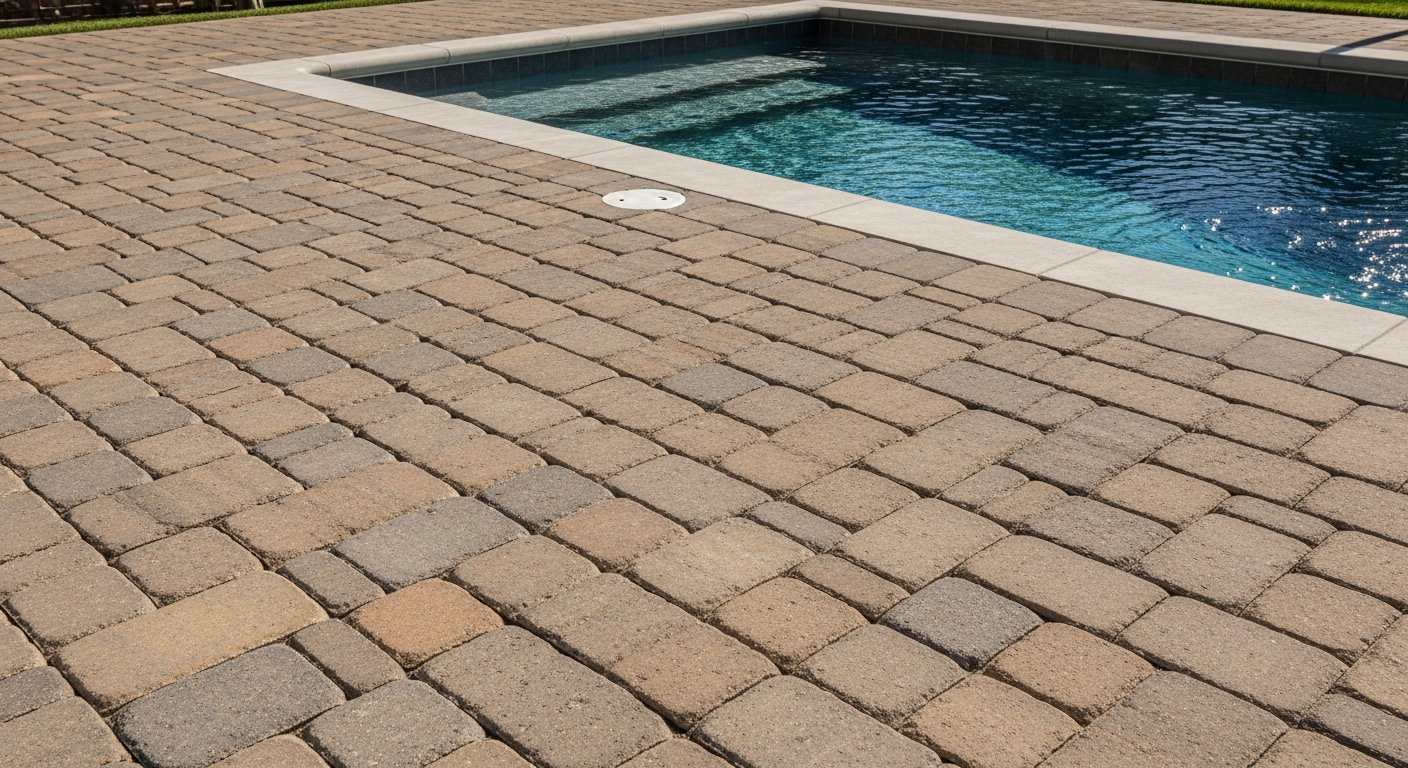
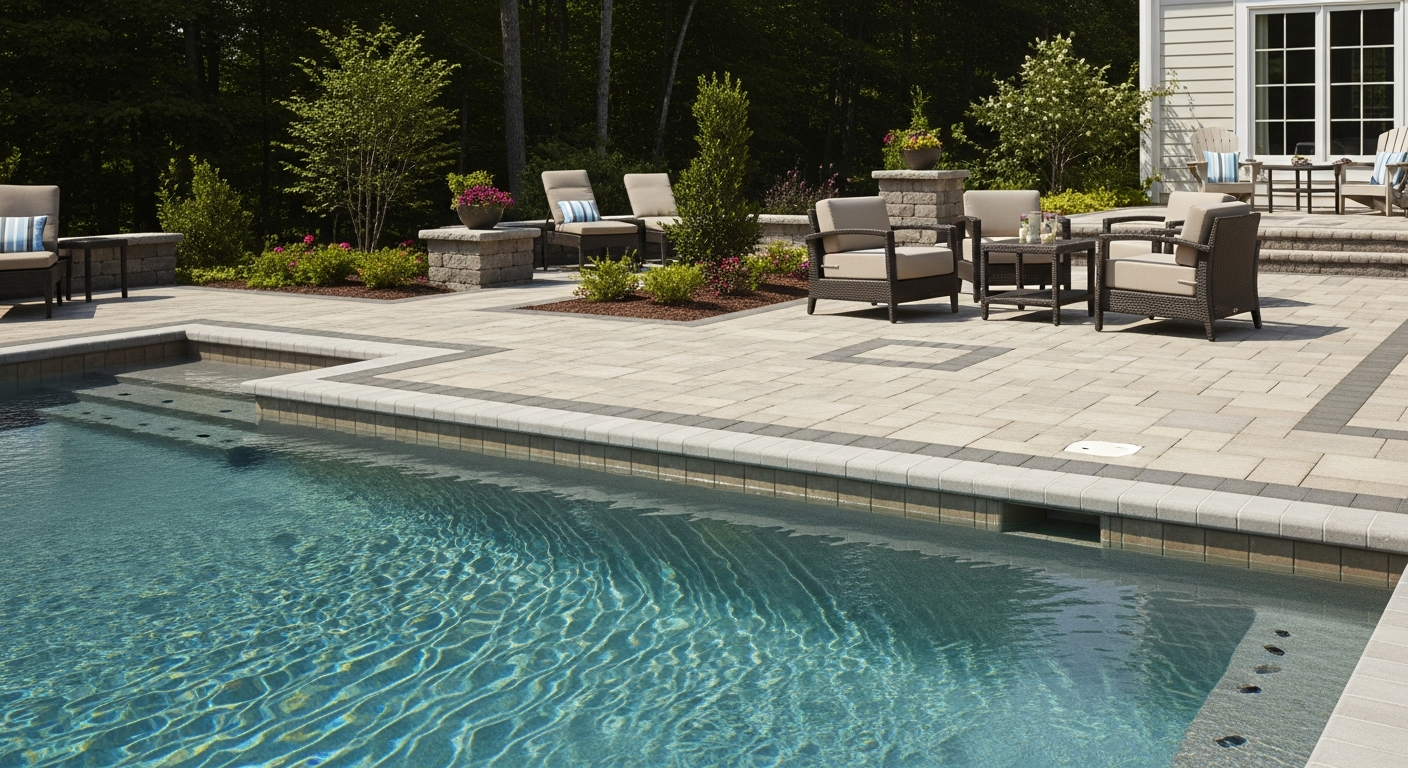
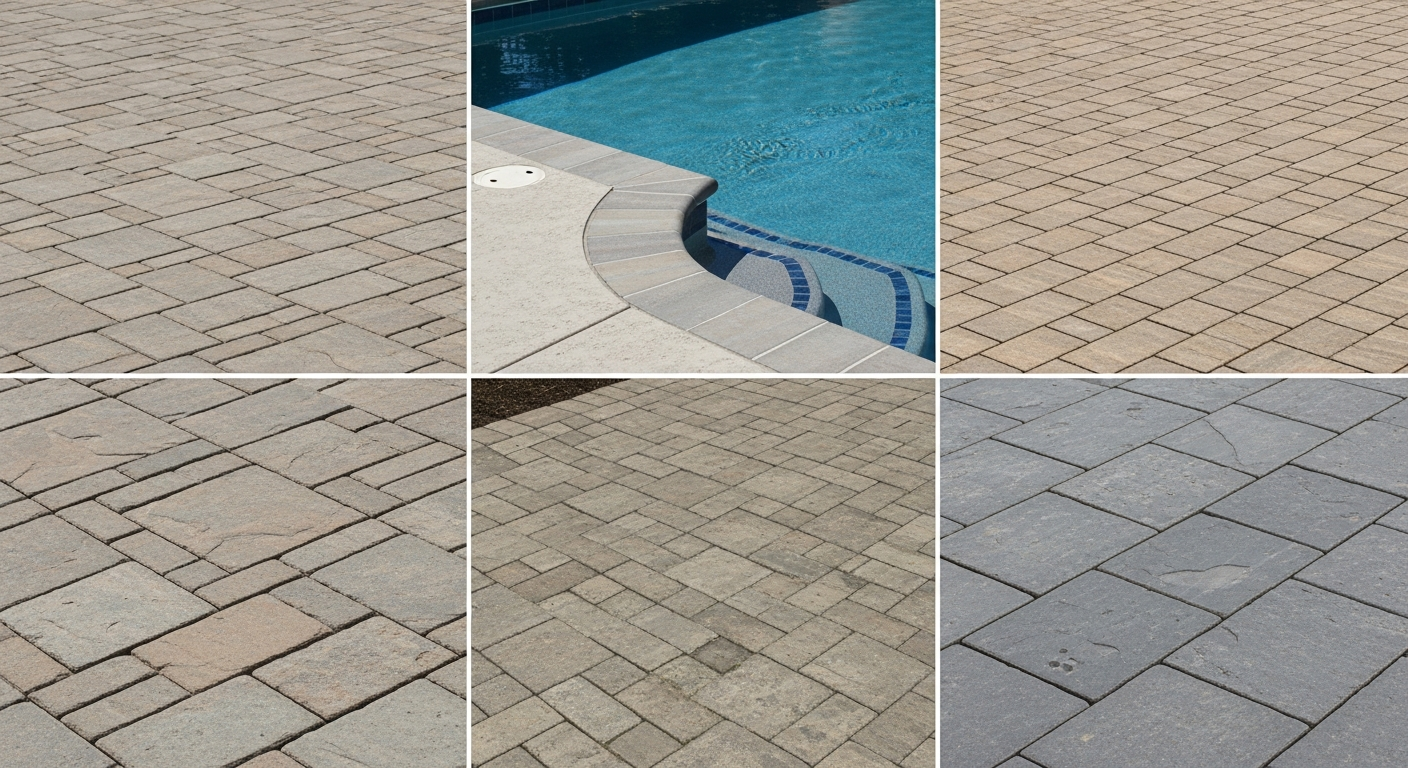
The final details are what separate a good job from a great one. For properties in Fort Myers and on Sanibel Island, where the sun is relentless, paver selection is paramount. I always guide my clients toward light-colored travertine or concrete pavers with a high Solar Reflectance Index (SRI). These materials can be up to 30% cooler underfoot than dark slate or bluestone, a massive quality-of-life improvement for any backyard. Furthermore, I ensure all drainage slopes direct water away from the pool deck and lanai foundation. Improper grading is a silent destroyer of both paver patios and home foundations. My final quality check involves flooding the surface to visually confirm drainage patterns and identify any low spots that could pond water before the polymeric sand is installed. This simple test has saved me from major headaches down the road. Given Lee County's high water table, have you calculated the necessary sub-base depth to counteract hydrostatic uplift, or are you just guessing based on standard guidelines?Written by

Tags
paver designs for small areas
brick patio designs
backyard pavers design
block paving patterns
custom pavers and design