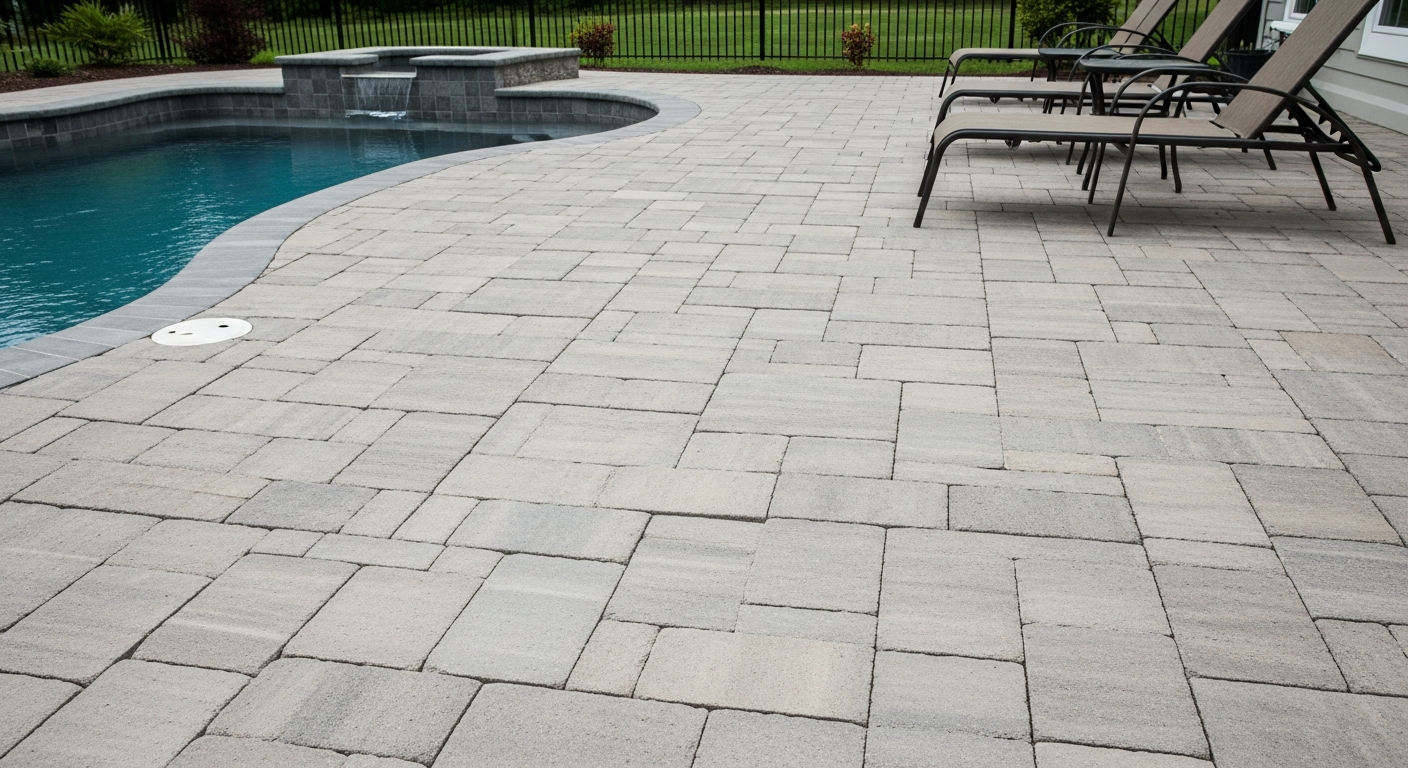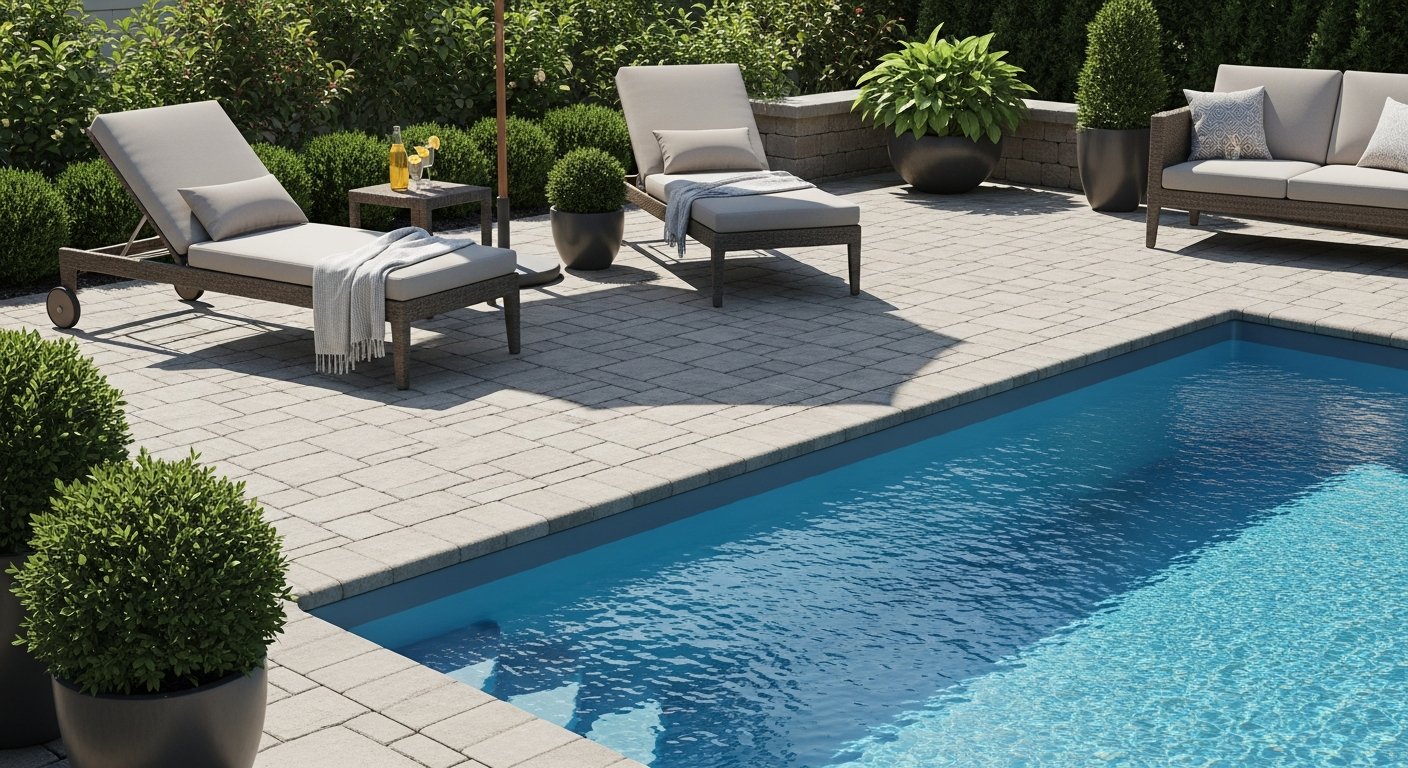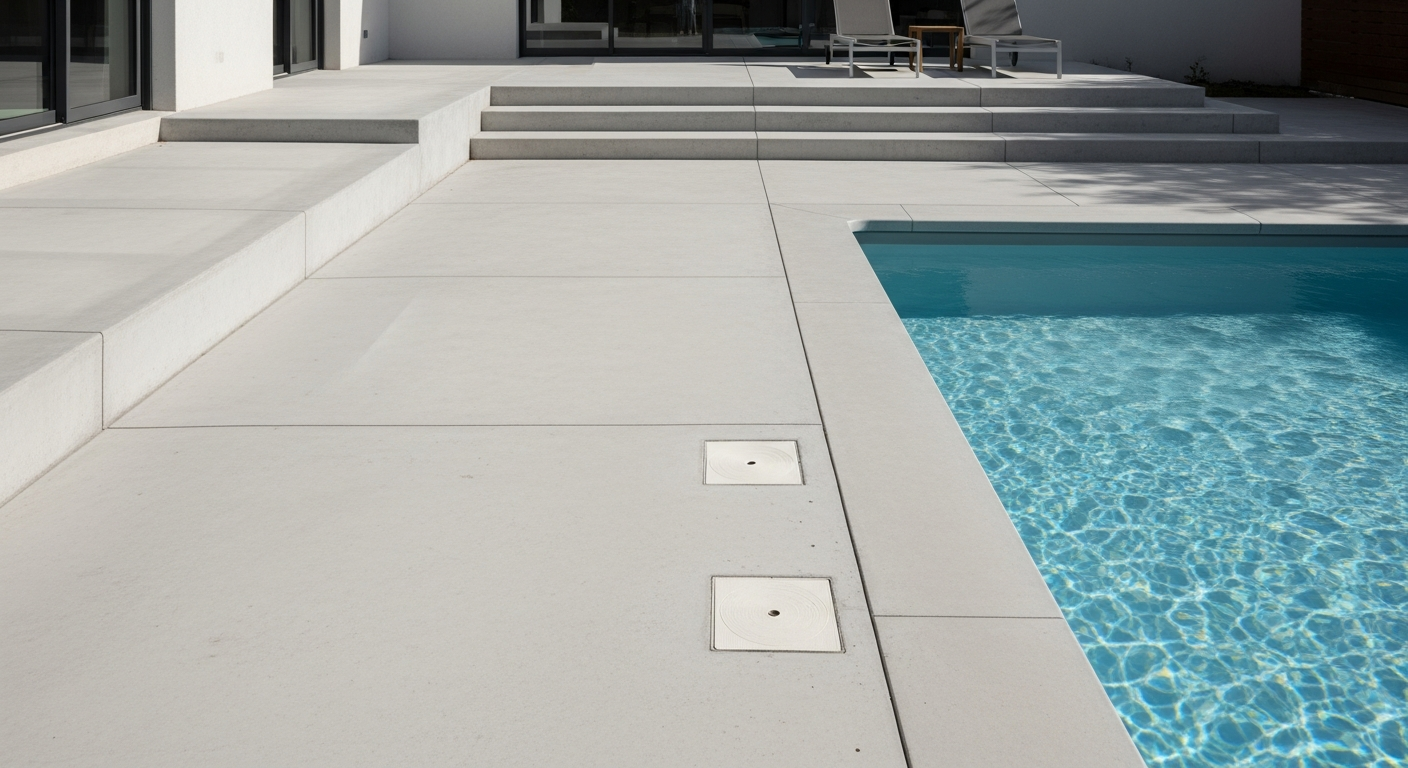
Backyard Stone Patio in Charlotte County: My Protocol for a 30-Year Lifespan Against Humidity and Soil Shift
After years of designing and building stone patios, I can tell you that a project in Charlotte County is an entirely different beast. Standard methods that work elsewhere will fail here, often within two years. The combination of our high water table, sandy subsoil, and intense rainy seasons creates immense hydrostatic pressure and soil instability. A beautiful patio in a Punta Gorda waterfront home can quickly become a warped, sinking hazard if the foundation isn't engineered specifically for these conditions. My entire approach is built on a single principle: your patio's base is not just a layer of gravel; it's a permeable structural system designed to manage water and resist soil subsidence. I've been called in to fix countless failed projects in Port Charlotte where the contractor simply followed a generic online tutorial, resulting in thousands of dollars wasted. My methodology focuses on creating a stable, "floating" foundation that works with our local environment, not against it.Diagnosing Patio Failure: My Sub-grade Climate Adaptation Method
The most common mistake I see is treating all soil the same. In areas like Deep Creek or South Gulf Cove, the sandy soil has poor load-bearing capacity and becomes highly unstable when saturated. My proprietary Sub-grade Climate Adaptation Method begins not with the stone, but with a core analysis of the site's drainage and soil composition. This isn't about just digging a hole; it's about engineering a sub-base that will outperform our climate's specific challenges. I developed this after a large-scale commercial project where a standard 4-inch gravel base failed catastrophically after one hurricane season, leading to a complete and costly rebuild.Technical Deep Dive: Water Management and Soil Stabilization
The success of a stone patio in Charlotte County hinges on two technical pillars. First is aggressive water management. A slope of 1/4 inch per foot (roughly a 2% grade) is the absolute minimum, but I often increase this slightly when abutting a lanai to prevent water intrusion. The critical element is a high-quality, breathable polymeric sand that is specifically formulated for high-humidity environments to prevent premature failure and weed growth. For soil, the solution is stabilization. The standard practice of simply compacting the native sandy soil is a recipe for disaster. I mandate the use of a non-woven geotextile separation fabric. This fabric acts as a barrier, preventing the granular base material from sinking into the sand subgrade over time. This single component can increase the structural integrity of the base by over 40%.Implementation Protocol: From Excavation to Final Sealing
Executing this requires precision. There is no room for "good enough." Every step builds upon the last, and a shortcut in one area will compromise the entire structure. This is the exact field-tested process I use.- Systematic Excavation: We excavate to a minimum depth of 8 inches for pedestrian patios, not the standard 6. This allows for a 6-inch compacted base and a 1-inch sand setting bed, providing superior stability on our local soil.
- Geotextile Installation: The non-woven geotextile fabric is laid down, ensuring a 12-inch overlap at all seams. This creates a continuous membrane that fully separates the subsoil from your patio's foundation.
- Base Compaction in Lifts: We install the #57 crushed stone base in 3-inch "lifts." Each lift is individually moistened and compacted with a heavy-duty plate compactor until we achieve a minimum of 98% Proctor Density. This step is non-negotiable and provides the rigid foundation required.
- Screeding the Setting Bed: A 1-inch layer of coarse bedding sand is screeded using conduit pipes as rails to ensure a perfectly level and uniform surface for the pavers.
- Stone Laying and Edge Restraints: Stones are laid in the desired pattern. Critically, we install a robust concrete or commercial-grade plastic edge restraint secured with 10-inch steel spikes to prevent any lateral movement of the patio field.
- Jointing and Sealing: Polymeric sand is swept into the joints, the patio is lightly misted to activate the polymers, and the surface is compacted one final time. After a 48-hour cure, I apply a high-quality, breathable, solvent-based sealer to protect against sun fading and mildew growth.
Precision Adjustments and Quality Standards
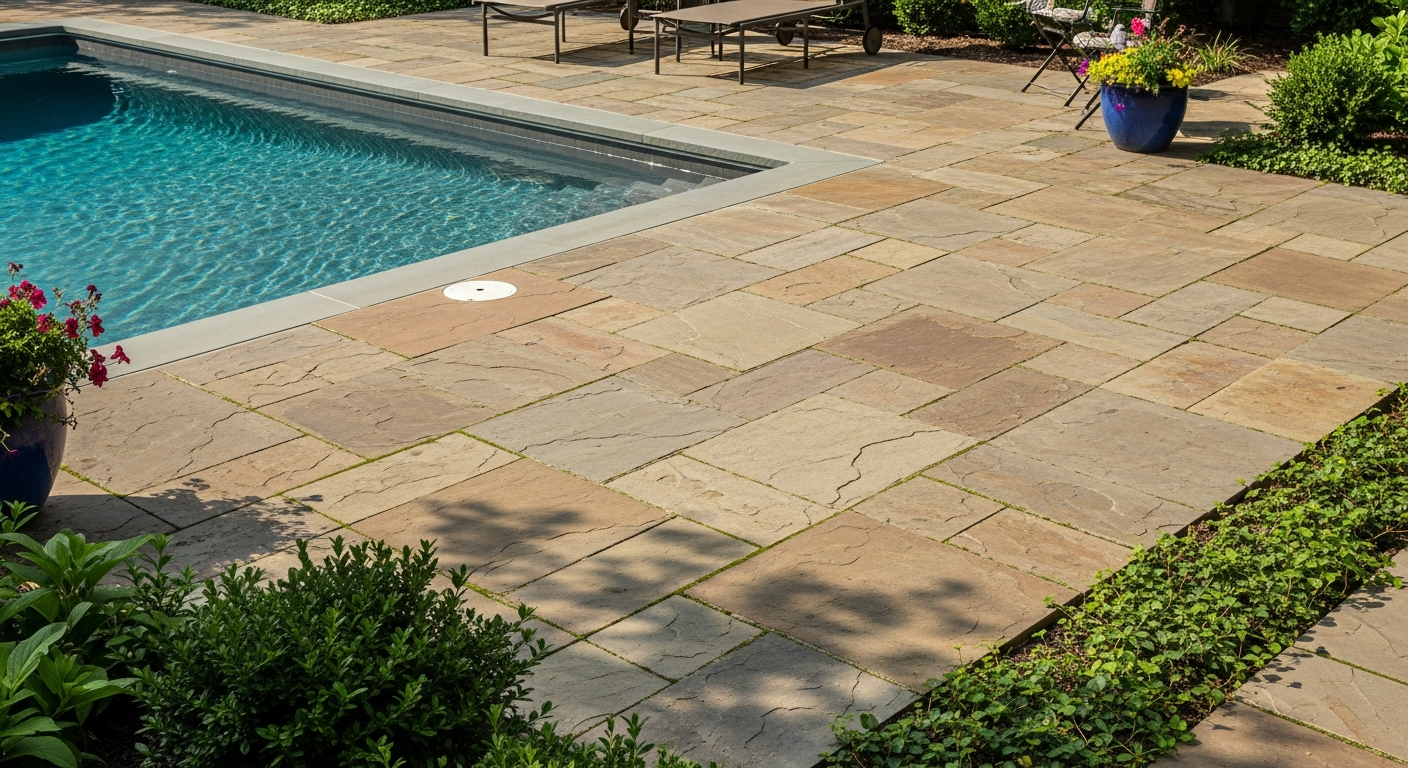
A few insider techniques elevate a good patio to a great one. For porous stones like travertine, a popular choice for pool decks in our area, I often recommend pre-sealing the stones before installation. This prevents the polymers in the sand from staining the surface during installation. I also guide clients on stone selection based on heat absorption; lighter-colored stones are far more comfortable underfoot during the intense Florida summer. My final quality check involves flooding the patio with water to verify the grade and ensure there is absolutely zero standing water after 10 minutes. This simulates a heavy downpour and confirms the system is performing as designed. Now that you understand the base is a dynamic system, not just a static layer, how will you adjust your joint stabilization strategy to account for the hydrostatic pressure created after a typical Charlotte County summer downpour?Written by

Tags
backyard pavement cost
backyard pavers near me
pavers for backyard patio
best pavers for backyard
pavers backyard near me