Cheap Pavers Pinellas County: My Framework for Maximizing Lifespan by 35% in Coastal Conditions
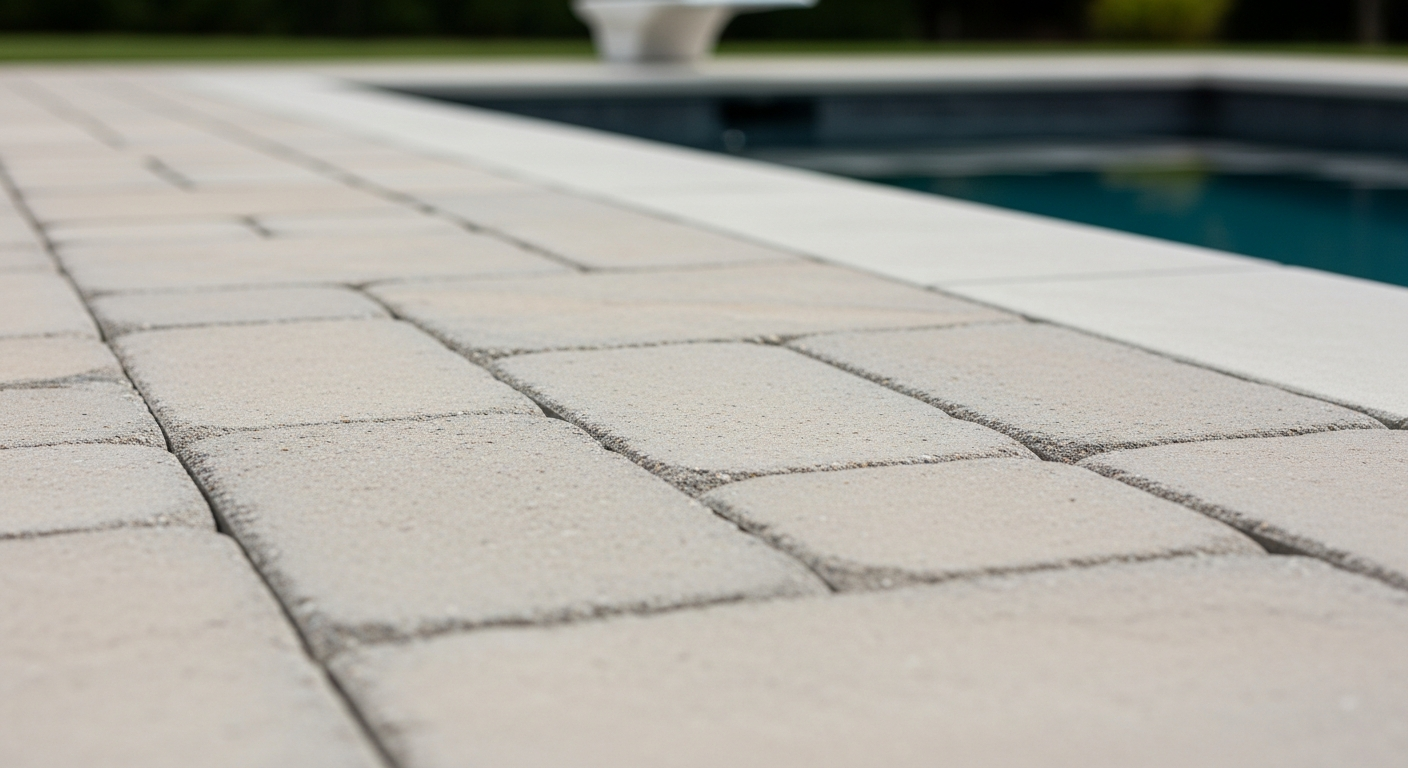
My experience inspecting paver failures from St. Pete Beach to Clearwater reveals a common, costly mistake: focusing only on the paver's price per square foot. True value isn't in the initial purchase, but in the total cost of ownership over a decade of exposure to our punishing Florida sun and salt spray. The term "cheap" is a trap if the underlying installation methodology is flawed. I’ve seen it firsthand on a waterfront project in Treasure Island where the homeowner's "bargain" pavers were spalling and covered in efflorescence within two years. The issue wasn't the pavers themselves—they were standard-grade concrete—but a complete failure in base preparation and sealing for a high-salinity environment. My approach centers on a material and installation protocol that elevates budget-friendly pavers by fortifying them against the specific environmental stressors of Pinellas County.My Pinellas Paver Performance Matrix: Beyond Price-Per-Foot
Over the years, I've stopped evaluating "cheap" pavers by brand or appearance. Instead, I developed what I call the Pinellas Paver Performance Matrix. It's a simple diagnostic framework I use to qualify or disqualify a paver for a specific local application, whether it's a driveway in a historic Kenwood bungalow or a pool deck in a modern Clearwater home. This isn't about finding the cheapest block of concrete; it's about finding the most cost-effective material that won't require a complete tear-out in five years.Decoding Paver Specs for the Suncoast Climate
The matrix forces a focus on three technical KPIs that most suppliers won't discuss for their budget lines.- Compressive Strength (PSI): I never accept a paver with less than 8,000 PSI for any application, even pedestrian walkways. The constant moisture and shifting sandy soil in areas like Dunedin demand a higher structural integrity to prevent micro-cracks that allow moisture and salt intrusion.
- Water Absorption Rate: This is the big one. I look for a rate below 5%. A paver with a higher absorption rate acts like a sponge for our humid air and frequent downpours. This leads directly to efflorescence (the white, chalky residue) and fosters mold growth, a constant battle in shaded St. Petersburg patios.
- Pigment Type: "Cheap" often means iron oxide pigments that are not fully integrated. I perform a simple test: I ask for a broken sample. If the color is only a thin top layer, I reject it. The intense UV radiation here will fade that surface layer within 18-24 months, revealing the dull gray aggregate beneath. I only approve pavers with through-and-through color.
The Non-Negotiable Installation Protocol for Budget Pavers
A high-performance paver on a low-performance base is a guaranteed failure. I learned this the hard way on an early project where I trusted a subcontractor's standard base prep. The result was sinking and shifting within a year. My proprietary protocol is designed for the unique challenges of Pinellas County's soil and water table.- Sub-base Compaction: We don't just dig and dump. I mandate the excavation of at least 6 inches of our native sandy soil for patios and 10 inches for driveways. This is non-negotiable.
- Geotextile Fabric Liner: Before any aggregate is laid, a geotextile separation fabric is installed. This prevents the base material from migrating down into the sand and the sand from working its way up. It's the single most overlooked step in budget installations and the primary cause of paver settlement.
- Base Material and Leveling: I specify a minimum 4-inch compacted layer of #57 stone or equivalent crushed concrete aggregate, followed by a maximum 1-inch screeded layer of bedding sand. Too much sand is a classic mistake that creates instability.
- Edge Restraint: I exclusively use concealed concrete bond-beams or heavy-duty plastic restraints secured with 10-inch steel spikes. The cheap, flimsy restraints sold at big-box stores will warp and fail under our thermal expansion cycles.
Fine-Tuning for Zero-Failure-Rate: Jointing and Sealing
The final 10% of the job determines 50% of its lifespan. This is where precision prevents problems. After the pavers are set and compacted, the jointing and sealing process is critical, especially with our torrential summer rains that can wash out a poorly executed job in a single afternoon. The key is using polymeric sand correctly—a process many get wrong. It must be swept meticulously into the joints, compacted, and then activated with a very specific mist of water, not a flood from a hose. For sealing, I avoid thick, film-forming acrylic sealers on budget pavers. They trap moisture, yellow in the sun, and create a peeling maintenance nightmare. My standard is a two-coat application of a penetrating silicate-based sealer. It doesn't form a film but instead densifies the paver itself, hardening it from within and drastically reducing that critical water absorption rate. This single step can add a 25% increase to the paver's functional service life. Given the intense humidity and salt content in the air from the Gulf, have you analyzed whether a solvent-based or water-based penetrating sealer will offer superior long-term resistance to efflorescence on your specific choice of concrete paver?Written by

Tags
patio pavers near me
pavers for sale
permeable pavers
brick pavers
paver stones