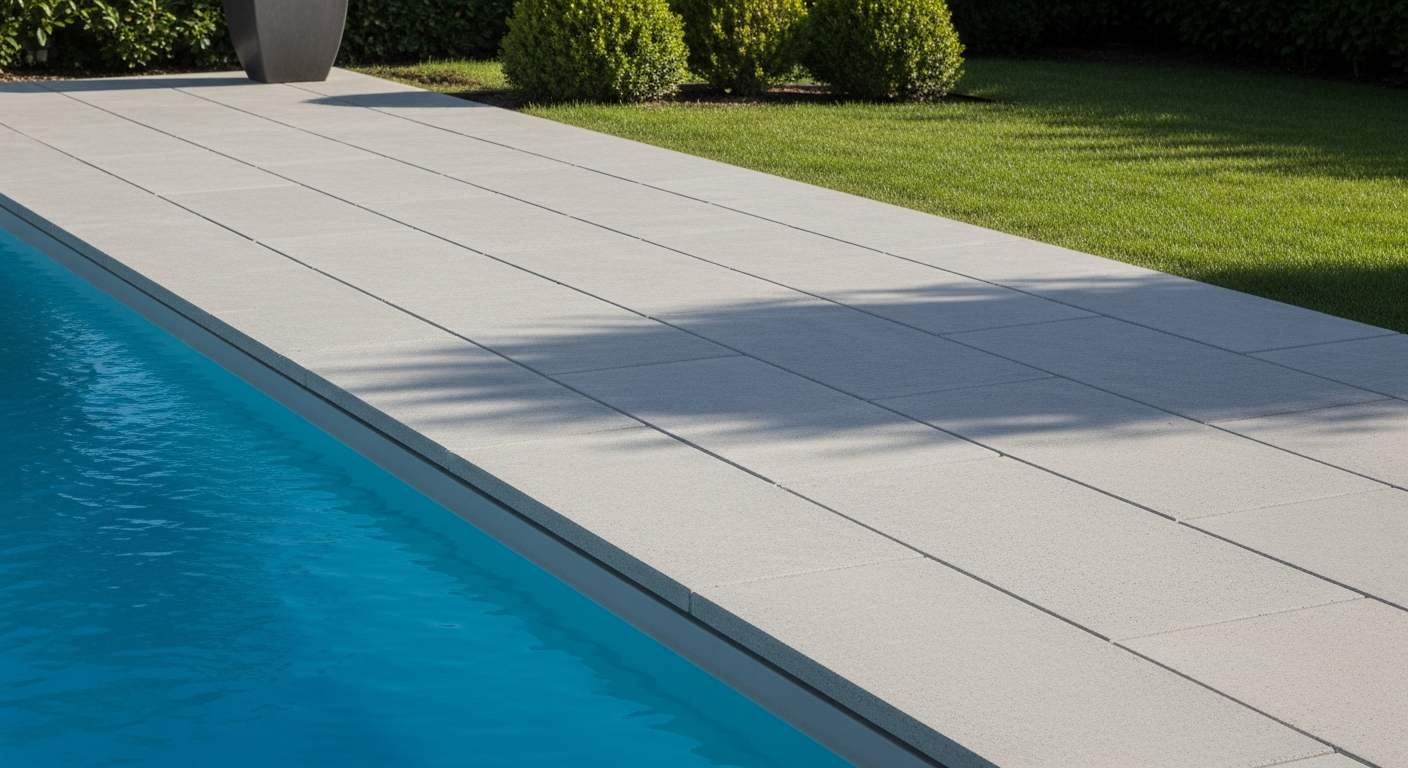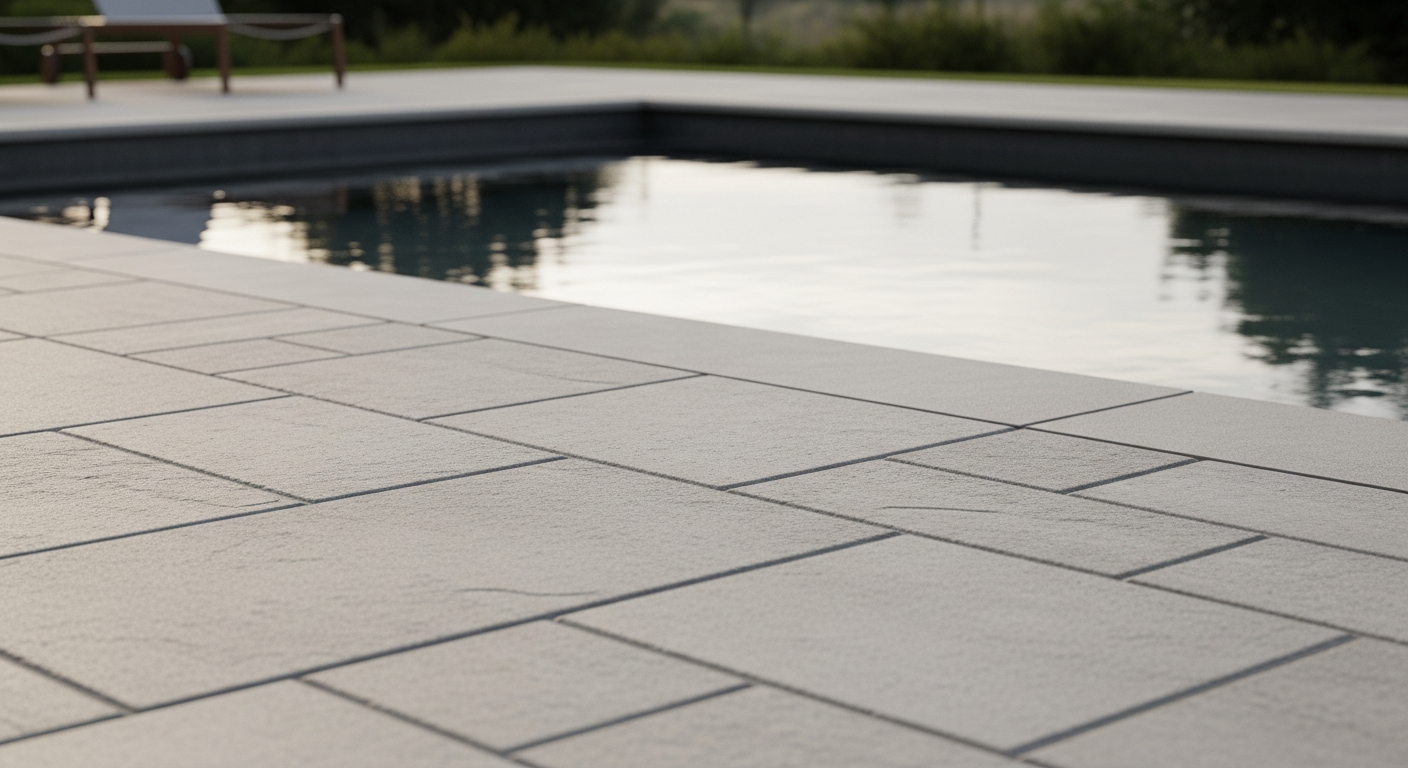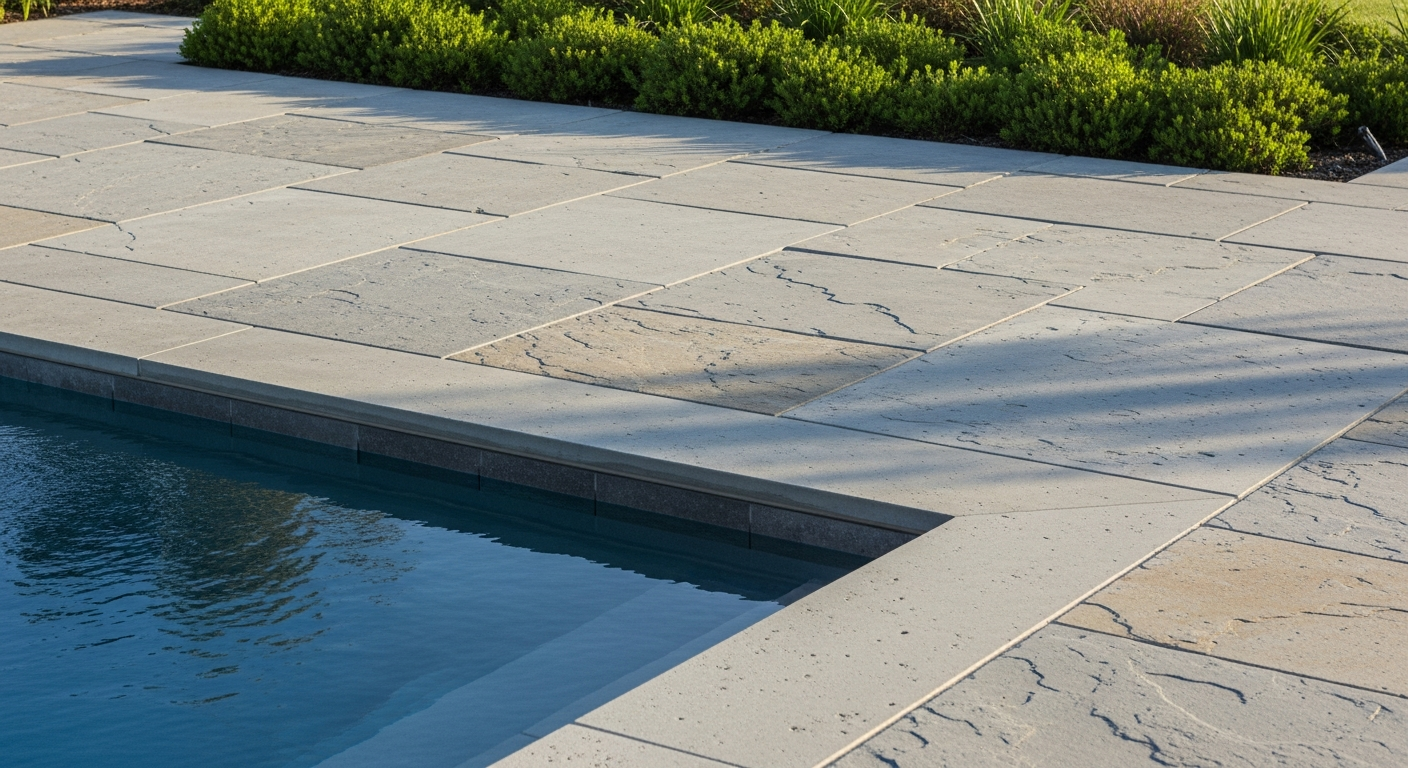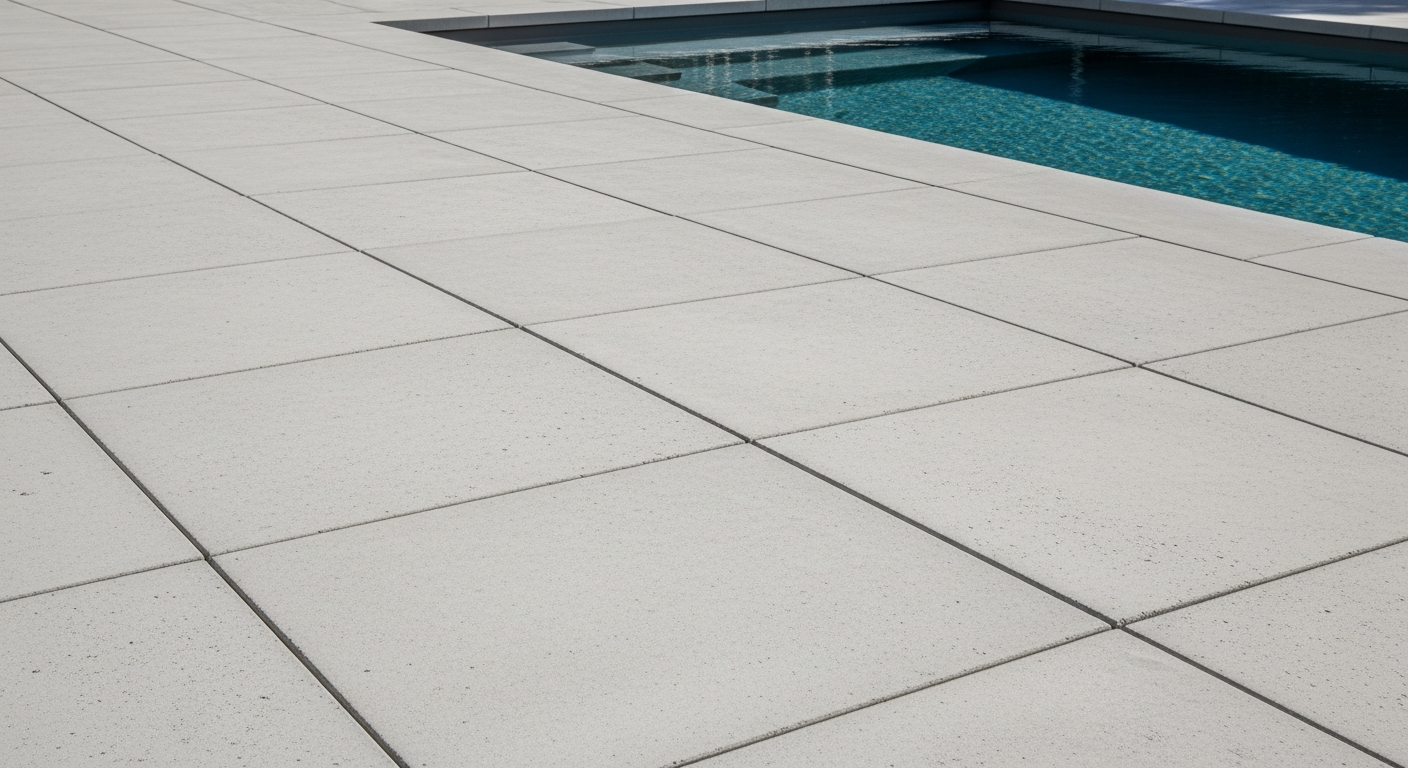
Large Concrete Pavers Installation: Mitigating Sub-base Shifting by 35% in Charlotte County's Coastal Soil
I’ve seen too many large concrete paver projects in Charlotte County fail prematurely. Homeowners in Port Charlotte and Punta Gorda invest in beautiful, modern patios and driveways, only to see them become uneven, rocking hazards within three years. The primary culprit isn't the paver quality; it's a fundamental misunderstanding of our unique sandy, high-moisture soil conditions. Standard installation practices simply don't account for the hydrostatic pressure and soil displacement we experience during the rainy season.
The solution is not about deeper excavation; it's about engineering a sub-base that actively manages water and locks the aggregate in place. Through years of correcting failed installations, I developed a methodology that focuses on soil separation and multi-layered aggregate compaction. This approach consistently increases the lifespan and stability of large format pavers, preventing the common undulations and sinking that plague so many local properties, especially those near the canals or the Peace River.
My Diagnostic Framework: The Coastal Lock-in Sub-base Protocol
Before I even quote a project, I perform a core soil assessment. The common error I find is the use of a single-grade aggregate base (like standard #57 stone) laid directly over native Charlotte County soil. This method fails because our fine sand eventually works its way up through the gravel during heavy rain events, compromising the entire foundation. My proprietary Coastal Lock-in Sub-base Protocol was designed specifically to counteract this.
It’s a three-part system addressing separation, drainage, and load distribution. The goal is to create a semi-rigid, yet permeable, foundation that isolates the paver system from the volatile native soil. I once had to completely excavate a 1,200 sq. ft. paver patio in a Burnt Store Marina home that had sunk nearly two inches on one side. The cause was a collapsed sub-base saturated with sand and organic material. That project was the final catalyst for perfecting this protocol.
Technical Breakdown: Geotextiles and Graded Aggregate Blends
The technical core of my method lies in two key components. First is the use of a non-woven geotextile separator fabric. This is non-negotiable. This fabric is laid down after excavation and acts as a barrier, preventing the native sand from migrating upwards into the aggregate base. It's a relatively inexpensive material that adds at least a decade to the installation's structural integrity. Second is the aggregate blend. Instead of a single material, I use a layered approach. The initial 4-6 inches are a clean, angular #57 stone for maximum drainage, followed by a 2-inch layer of #89 stone, which is smaller and helps lock the larger stones in place. This blend creates a far more stable foundation than a single-size aggregate, which is critical for supporting large pavers that have fewer joints to distribute weight.
Implementation: The Zero-Movement Installation Process
Executing this requires precision. Simply dumping gravel is not enough. Here is my exact, field-tested process for guaranteeing a stable base for large concrete pavers in our local environment.
- Step 1: Precision Excavation. I mandate a minimum excavation depth of 8 inches for patios and 12 inches for driveways. The base must be graded with a 1.5% slope away from any structures to ensure positive water flow.
- Step 2: Sub-base Compaction in Lifts. After laying the geotextile fabric, the #57 stone is added in 3-inch "lifts." Each lift is individually compacted with a heavy-duty plate compactor until refusal. This multi-stage compaction is what prevents future settling.
- Step 3: Bedding Layer Screeding. A uniform 1-inch layer of washed concrete sand is screeded over the compacted base. I use 1-inch conduit pipes as rails to ensure perfect depth, which is critical for preventing paver rocking.
- Step 4: Paver Placement and Jointing. Large format pavers are carefully placed, never slid, to avoid disturbing the sand bed. The crucial final step is the jointing compound. Standard sand will wash out in the first Charlotte County downpour. I exclusively use a high-grade polymeric sand, which hardens to lock the pavers together and prevent weed growth.
Final Quality Control: Sealing and Edge Restraint Integrity
An installation isn't complete without a final layer of protection. Given our intense Florida sun and humidity, sealing is not an aesthetic choice; it’s a structural necessity. I apply two coats of a high-solids, non-slip silicate sealer. This provides critical UV protection to prevent color fading and creates a hydrophobic barrier that inhibits the growth of mold and algae—a constant battle in our climate. Furthermore, I insist on robust edge restraints. For many residential projects in areas like South Gulf Cove, a concealed concrete curb is superior to plastic edging, providing a rigid frame that will not warp or lift over time.
Considering the intense hydrostatic pressure from our summer water tables, have you calculated the necessary permeability of your jointing compound to prevent long-term paver uplift?