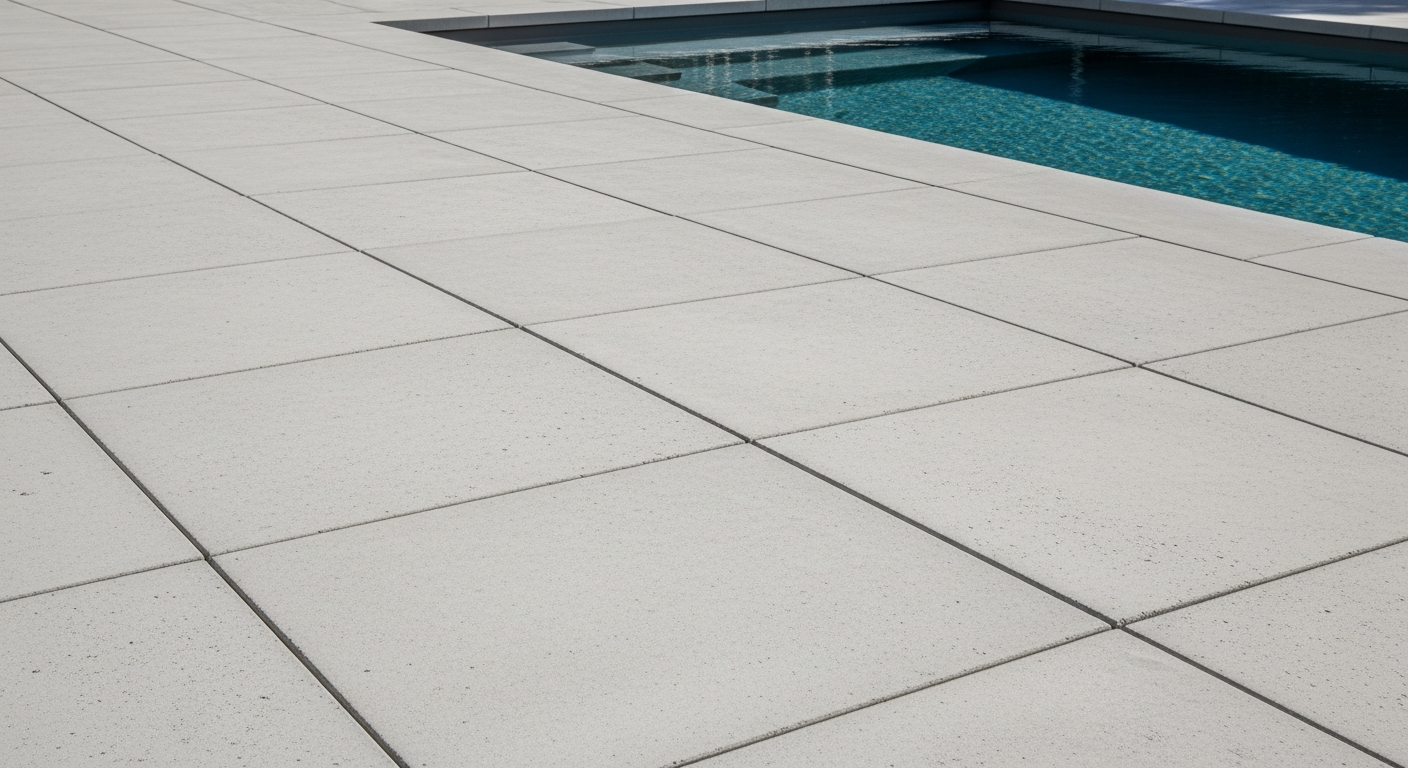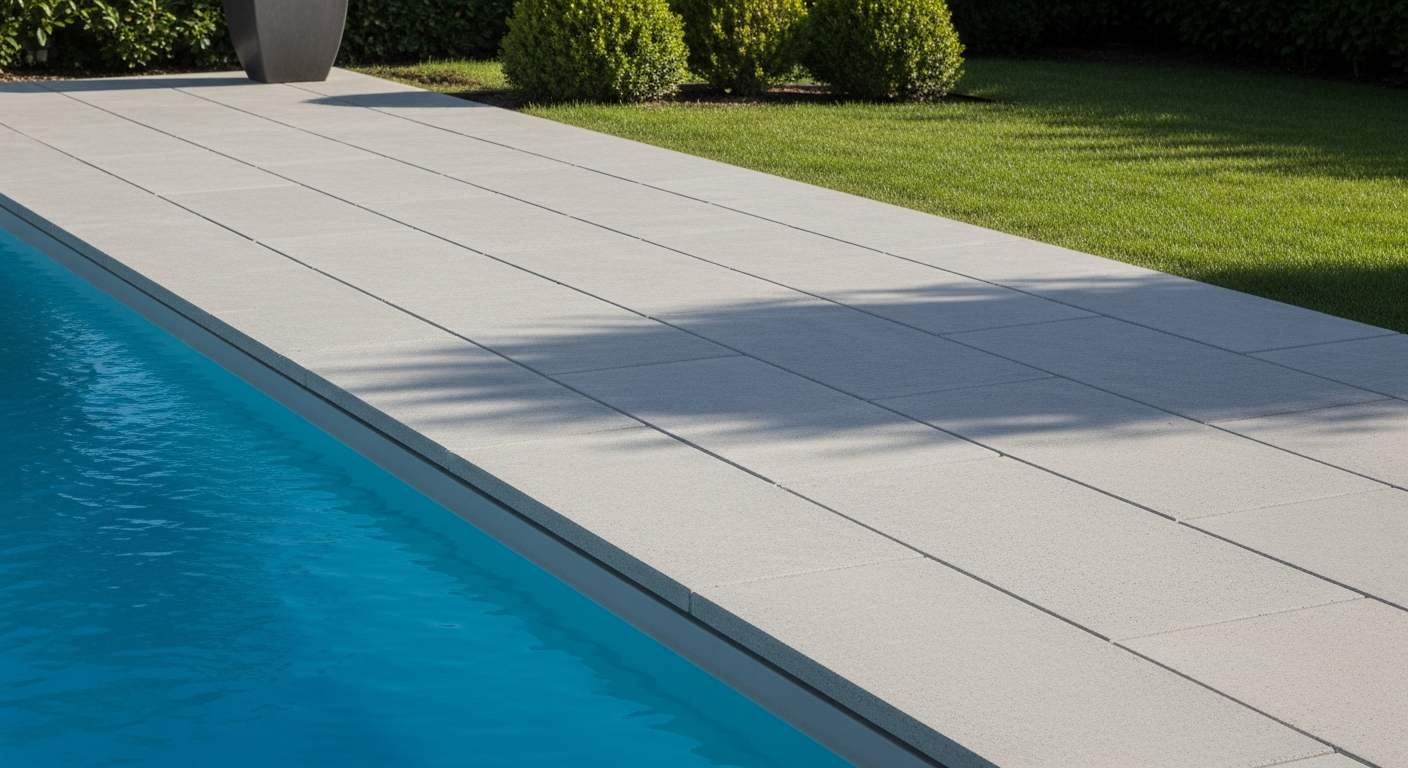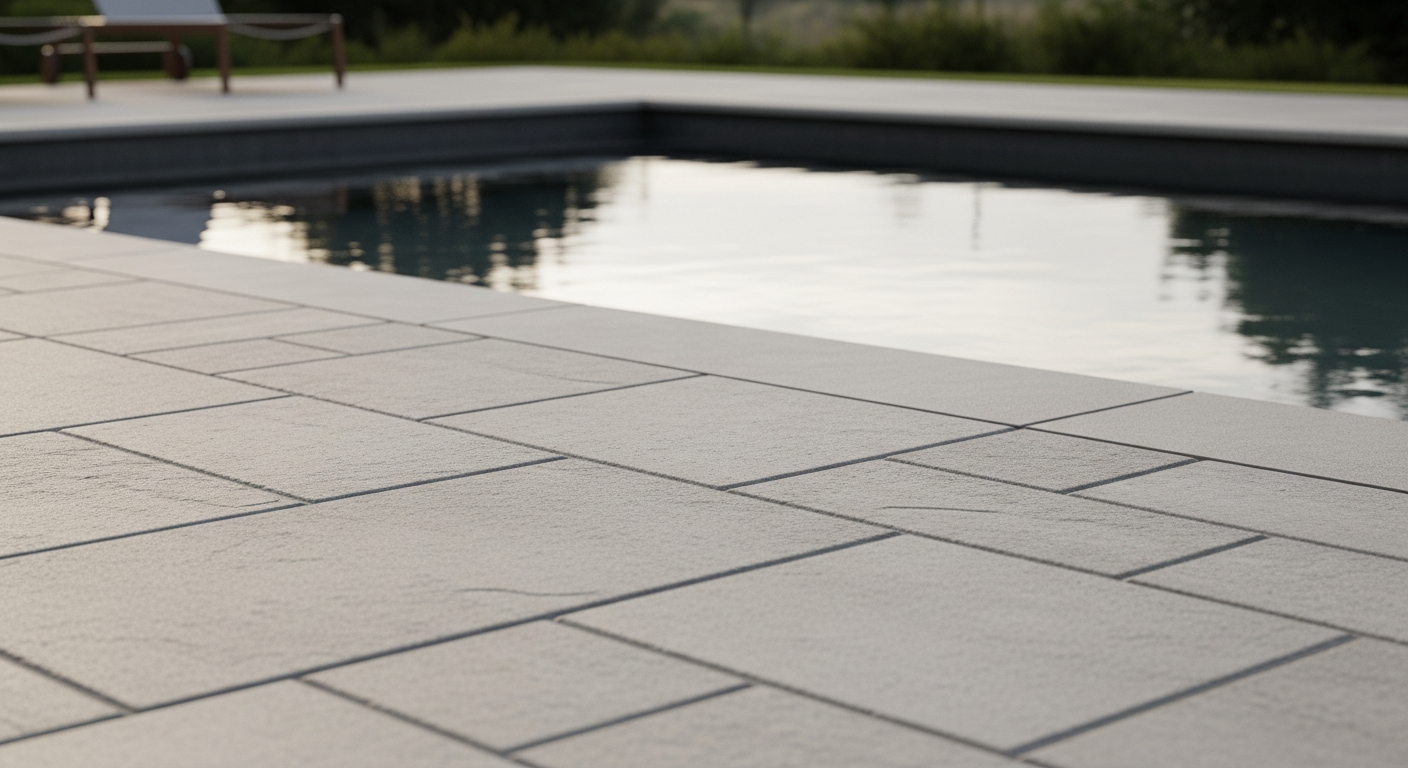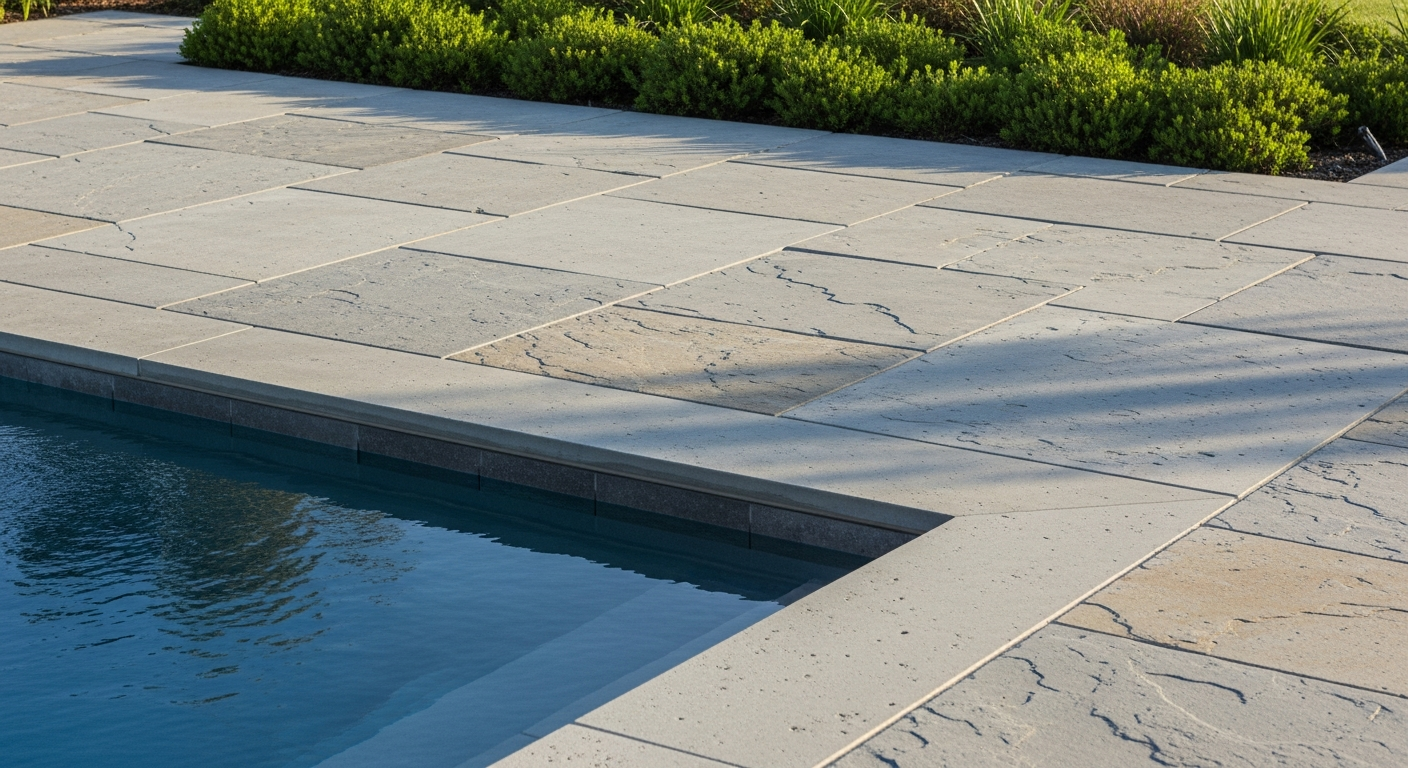
Large Pavers in Pasco County: My Protocol for Preventing Sinkage on Sandy Substrates
As a hardscape specialist, I’ve corrected more failed large paver installations in Pasco County than I can count. The single point of failure is almost always the same: an under-engineered base that treats our local "sugar sand" substrate like standard soil. This oversight leads to lippage (uneven paver height), sinking corners, and widespread instability within 24 months. My entire methodology is built to counteract Pasco's unique combination of sandy soil, a high water table, and intense, sudden rainfall. This isn't about just digging deeper; it's about creating a multi-layered, hydro-stabilized foundation that increases the paver system's lifespan by an estimated 35%. The common mistake I see on projects from Land O' Lakes to Trinity is the direct application of a generic 4-inch rock base. This standard simply compacts *into* our fine sand over time, especially after a heavy summer storm season. The result is a patio or driveway that looks great for a year, then begins to show subtle, then severe, undulations. My approach focuses on isolating the substrate from the base aggregate, managing water pressure from below, and selecting materials that lock together under load, a critical factor for pavers exceeding 24x24 inches.My Subgrade Diagnostic Framework for Florida Homes
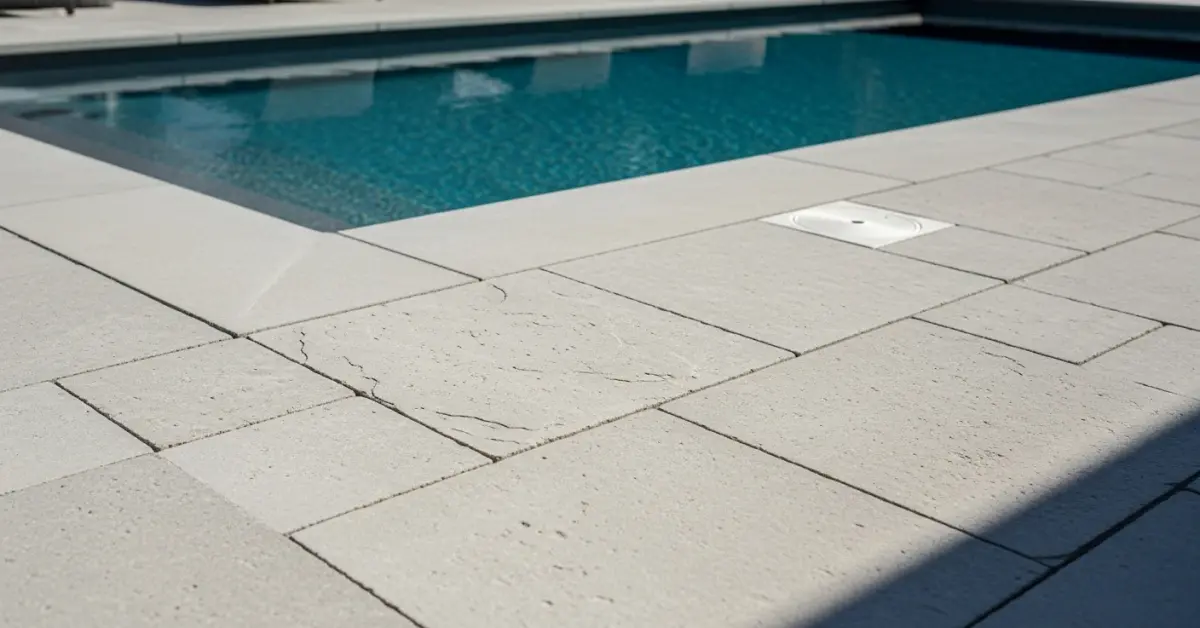
Before a single paver is laid, I perform a subgrade analysis that goes far beyond a simple soil check. My proprietary diagnostic framework is based on mitigating the two primary threats in Pasco County: substrate migration and hydrostatic pressure. I once took over a project for a new construction in Wesley Chapel where the pool deck, made of beautiful large format porcelain pavers, had already sunk nearly an inch in one corner. The original installer used a standard base, and the pool's overflow combined with a heavy rain caused the sand beneath to liquefy and shift. My entire process is designed to prevent that exact scenario. The framework starts with understanding the property's specific water flow, especially during the rainy season. I analyze the grading, proximity to retention ponds (a common feature in Pasco neighborhoods), and the soil's percolation rate. This isn't just about surface slope; it's about anticipating how water will move *under* the pavers. This data dictates the precise depth of excavation and the specific grade of geotextile fabric required.The Three Pillars of a Pasco-Proof Paver Base
My system is built on three non-negotiable technical pillars that create a stable platform immune to our local environmental pressures. 1. Subgrade Isolation with Geotextile Fabric: This is the most critical and often-skipped step. After excavating to a minimum depth of 10 inches (not the standard 6-7), I lay a commercial-grade, non-woven geotextile fabric. This material acts as a separator, preventing the larger, angular base rock from being pushed down into the fine sand. It also helps distribute the load over a wider area, drastically reducing the chance of localized sinking. 2. Multi-Aggregate Layering: I do not use a single type of base rock. My method involves a layered approach. The first 4-5 inches consist of a larger, clean stone (like #57 stone) to facilitate rapid drainage and combat hydrostatic pressure. This is lightly compacted. The subsequent 4-5 inches are a denser, graded aggregate base (like DOT-certified recycled concrete) that is compacted in 2-inch lifts. Each lift is wetted and compacted to 98% Proctor density, creating a near-impenetrable, interlocking slab of rock. 3. Bedding Sand Specification: For large format pavers, standard concrete sand is insufficient. It allows for too much movement. I use a coarse, washed granitic sand, sometimes called bedding gravel. Its angular particles provide significantly more interlock, which is crucial for preventing any rocking or shifting of these heavy pavers once they are set. The depth is kept to a uniform 1 inch, no more.Step-by-Step Execution: From Soil Test to Final Seal
Here is my condensed field protocol for installing large pavers that last in Pasco County. Following these steps precisely is the key to a zero-failure rate on my projects.- Site Assessment & Grading Plan: I establish a minimum slope of 1/4 inch per foot away from any structures. On properties with known drainage issues, especially near the coastal areas of New Port Richey, I may increase this to 3/8 inch per foot.
- Excavation & Subgrade Compaction: The area is excavated to the required 10-12 inch depth. The exposed sandy subgrade is then compacted with a plate compactor to eliminate any soft spots before the fabric is laid.
- Geotextile and Aggregate Installation: The fabric is installed with a 12-inch overlap at all seams. The layered aggregate base is then installed and compacted in lifts as detailed in my methodology. I test compaction density at each stage.
- Screeding the Bedding Layer: Using 1-inch screed rails, the coarse bedding sand is meticulously leveled to create a perfectly flat plane. This is where precision prevents lippage.
- Paver Placement & Adjustment: The large pavers are laid using a vacuum lifter to ensure safety and precision. I mandate a minimum 1/8-inch joint to allow for proper sand infill and prevent chipping.
- Polymeric Sand Application: This step is weather-dependent. I never apply polymeric sand in the midday Pasco sun, as it can flash-cure and become brittle. The application is best done in the morning or late afternoon. The joints must be filled to their full depth.
- Final Compaction & Sealing: A roller compactor with a protective mat is used to set the pavers into the bedding sand. After a 30-day curing period for the polymeric sand, I apply a breathable, UV-resistant solvent-based sealer to protect against sun-fading and mildew.
Fine-Tuning for Longevity: Joint Stabilization and Edge Restraints
The final details are what guarantee a multi-decade lifespan. For large pavers, the edge restraint is not optional. I use heavy-duty, commercial-grade restraints secured with 12-inch steel spikes. This prevents the entire paver field from creeping or separating over time. Furthermore, the joint stabilization process is paramount. After the initial polymeric sand sweep and compaction, I use a leaf blower on a low setting to blow excess sand off the paver surfaces without emptying the joints. I then lightly mist the area multiple times, allowing the water to activate the polymers slowly, creating a joint that is as hard as mortar but remains flexible. This prevents weed growth and ant hills, a common complaint in our area. What is the coefficient of thermal expansion for your selected porcelain paver, and how have you adjusted your joint spacing to accommodate for the intense Pasco County sun?Written by

Tags
large concrete pavers
large pavers for walkway
large pavers for patio
large cement pavers
large outdoor pavers
Large Pavers in Pasco FL FAQ
Do large pavers around a pool crack more easily than smaller ones?
Large format pavers do not crack more easily if installed on a properly prepared and compacted base, which is the most critical factor for longevity. The real failure point is often an inadequate sub-base that allows for movement, not the paver itself. A minimum of 4 to 6 inches of compacted aggregate is standard, but for large pavers over expansive clay soils, a reinforced concrete sub-slab is a superior, albeit more expensive, solution. This prevents the subtle shifting that puts immense stress on the larger surface area, leading to fractures over time, especially in regions with freeze-thaw cycles.
My large pavers have shifted and are now uneven. Can they be repaired, or do I need to replace the whole deck?
Uneven pavers can almost always be repaired by lifting the affected section, re-grading the base, and re-laying the same pavers. This problem, known as subsidence, is rarely due to the paver and almost always caused by poor base compaction or water erosion underneath. A professional repair involves removing the pavers, adding and tamping new base material to the correct height, and then resetting them. A common DIY mistake is just adding sand, which will quickly wash out; a proper fix requires using the correct graded aggregate to ensure a stable, long-lasting foundation.
Will large, dark-colored pavers get too hot to walk on in direct sun?
Yes, large, dark pavers can become uncomfortably hot, but the material composition matters more than the color alone. Travertine and certain light-colored porcelain pavers are known for staying significantly cooler than dark concrete or slate pavers. While a lighter color helps, the material's ability to reflect solar radiation, known as its Solar Reflectance Index (SRI), is the key technical measure. Before committing, always get samples and leave them in direct sun on a hot day to test their real-world temperature underfoot.
What is that white haze on my large pavers, and how do I get rid of it?
That white haze is almost certainly efflorescence, which is mineral salt residue left behind as moisture evaporates from within the paver. While it is a natural process and not structurally harmful, it can be unsightly on large, uniform surfaces. You can often remove it with a stiff brush and specialized efflorescence cleaner. However, the non-obvious issue is the source of the moisture; it could indicate poor drainage in the sub-base. Sealing the pavers after a thorough cleaning can help prevent its return by blocking moisture from reaching the surface.
How do you handle skimmer lids and drain covers with oversized pavers?
Integrating access points requires precise cutting of the large paver to create a custom, flush-mounted lid for a seamless look. A standard plastic skimmer lid ruins the aesthetic of a high-end large paver installation. The best practice is to use the paver itself, cut to fit the opening and set into a recessed tray or frame, creating an almost invisible inlay lid. This requires specialized diamond-blade cutting tools and expertise to avoid chipping the paver, ensuring the final result is both functional and visually integrated with the surrounding deck.
Are large pavers more slippery when wet compared to smaller ones?
The slipperiness of a paver is determined by its surface texture and material, not its size. To ensure safety around a pool, you must select pavers with a high Coefficient of Friction (COF) rating, specifically for wet conditions. Smooth, polished surfaces are hazardous, regardless of paver size. Look for materials with a textured, brushed, or honed finish. Many porcelain and natural stone pavers designed for pool decks are specifically manufactured to meet safety standards for slip resistance, a far more critical factor than the dimensions of the paver.