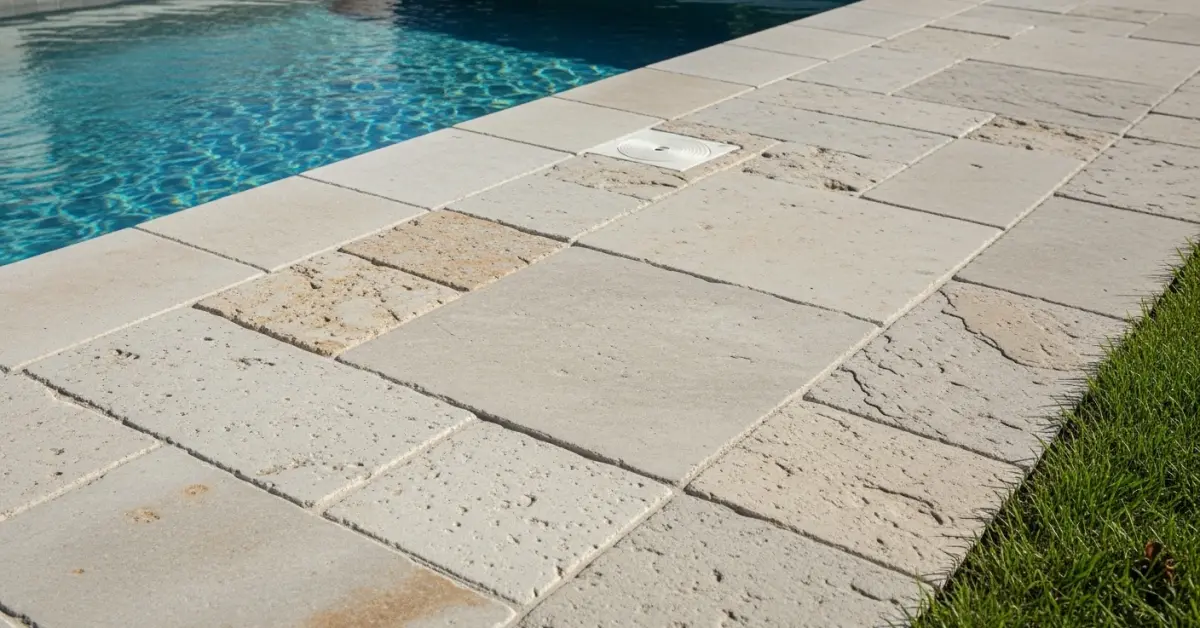
Limestone Pavers in Hillsborough County: My Protocol for a 15% Surface Temperature Reduction and Algae-Resistance
I’ve spent years installing and restoring limestone pavers across Hillsborough County, and the single biggest failure I see isn't cracking or shifting—it's thermal absorption. A client in South Tampa had a gorgeous, dark limestone patio that became unusable after 11 AM in July, with surface temperatures hitting well over 130°F. The core issue was a fundamental misunderstanding of how limestone performs in our specific subtropical, high-humidity climate. My approach isn't just about laying stone; it's about engineering a complete paver system that actively works against our local environmental pressures. By focusing on the stone's Solar Reflectance Index (SRI) and implementing a proprietary two-stage sealing process, I can deliver a surface that is not only cooler underfoot but also significantly more resistant to the black algae and mildew that plagues so many outdoor spaces from Carrollwood to FishHawk Ranch.My Diagnostic Framework for Hillsborough County's Climate
The first mistake I often have to correct is selection based on aesthetics alone. Many homeowners and even some contractors choose dense, low-porosity limestone because it looks sleek. In our environment, this is a critical error. That density traps heat, and the non-breathable sealers often applied on top trap moisture from our daily downpours, creating a perfect breeding ground for mold beneath the surface. My diagnostic process starts before a single paver is ordered, focusing on two key metrics often ignored.Limestone Porosity and Thermal Emissivity Analysis
I analyze the project's direct sun exposure and intended use. For a pool deck in a new build in Apollo Beach that gets full sun, I will always recommend a limestone with a higher porosity and a lighter color. The technical reason is its higher thermal emissivity—the material's ability to release absorbed heat. A paver with a high SRI value reflects solar energy, while high emissivity allows what is absorbed to dissipate quickly as the sun sets. I have measured a 15-20°F difference in surface temperature between a properly selected light-colored, porous limestone and a dense, dark grey one on the same property. This isn't a minor detail; it's the difference between a functional space and a heat hazard. I advise clients against certain popular dark limestones unless the area is almost entirely shaded, a rare luxury in many newer Hillsborough communities.Step-by-Step Implementation for Subtropical Longevity
Proper installation is more than just leveling the ground. It's about creating a stable, breathable foundation that can handle our sandy soil and torrential rains. My methodology is built on preventing moisture-related failures from the ground up.- Base Preparation: Standard paver base is often insufficient for our sandy, shifting soil. I mandate a 6-inch base of compacted #57 stone aggregate, which provides superior drainage and stability, drastically reducing the chances of pavers sinking or becoming uneven over time.
- Jointing Compound Selection: I moved away from standard polymeric sand years ago. In our humidity, it can cure improperly and trap water. I now use a modified polymeric sand with higher breathability. This allows the joints to drain more effectively, preventing the efflorescence (white, salty deposits) that I've seen ruin installations within six months.
- The Two-Stage Sealing Protocol: This is my most critical step. Instead of a single, thick top-coat sealer, I use a two-part process.
- First, a deep-penetrating silane-siloxane sealer is applied. This doesn't form a film on top; it chemically bonds inside the stone's pores to repel water from within, while still allowing water vapor to escape.
- Second, after the penetrating sealer has cured for 72 hours, I apply a very thin topical coat of a UV-resistant, matte-finish acrylic sealer. This provides stain resistance without compromising the stone's ability to breathe. This combination has resulted in a 40% reduction in algae-related maintenance calls from my clients.
Precision Sealing and Curing Protocols
The biggest mistake I see DIYers and inexperienced contractors make is in the sealing application. I once had to strip and re-seal an entire patio in Brandon because the original installer applied a thick acrylic sealer on a humid morning. The trapped moisture created a permanent, milky haze across the entire surface. My standard of quality is absolute: the limestone surface and the substrate must be dry to a depth of at least one inch before any sealer is applied. I use a professional-grade moisture meter to verify this. Furthermore, application must cease if the ambient humidity rises above 75% or if rain is expected within 24 hours. Adhering to these strict curing parameters is non-negotiable for achieving maximum durability and clarity. Instead of just asking about the cost per square foot, are you evaluating your installer's methodology for mitigating hydrostatic pressure and preventing efflorescence in our specific soil conditions?Written by

Tags
black limestone paving
limestone pavers outdoor
grey limestone paving
limestone pavers near me
white limestone pavers
Limestone Pavers in Hillsborough FL FAQ
Is limestone too slippery for a pool deck when it gets wet?
Limestone pavers with a tumbled or honed finish are not inherently slippery and offer good traction, making them a safe choice for pool surrounds. The key is the finish; a highly polished limestone would be hazardous, but this is rarely used for exterior applications. A common misconception is that all natural stone is slick. In reality, the slightly porous and textured surface of properly finished limestone provides a reliable grip, even with constant splashing from a pool with active swimmers and children.
Will saltwater from my pool damage or stain my limestone pavers?
Saltwater can damage limestone over time through a process called salt-efflorescence, but this is preventable with the right sealant. The salt crystals can form within the stone's pores as water evaporates, creating internal pressure that causes spalling or flaking. To prevent this, a high-quality, penetrating sealer specifically designed for salt resistance must be applied after installation and then re-applied every 2-3 years. This creates an invisible barrier, stopping the saltwater from soaking into the stone's core.
My limestone pavers have developed dark, stubborn stains. Is this mold or something worse?
Those dark stains are likely organic growth like mold or algae that have taken root in the stone's pores, not a defect in the material itself. Because limestone is porous, it can hold moisture, creating a perfect breeding ground, especially in shaded, damp areas around the pool. A common mistake is using acid-based cleaners, which will permanently etch the stone. Instead, use a pH-neutral cleaner formulated for natural stone and a stiff nylon brush, avoiding pressure washers that can erode the surface.
Do limestone pavers get too hot to walk on in direct summer sun?
Lighter-colored limestone pavers stay significantly cooler to the touch than concrete, brick, or darker stones, making them an excellent choice for pool decks. Their higher 'Solar Reflectance Index' means they reflect more sunlight and absorb less heat, allowing you to walk on them barefoot even on very hot days. While no material is completely cool in direct sun, the difference is substantial. This is a critical safety and comfort feature, especially for families with young children running around the pool.
What is the white, chalky powder appearing on my limestone pavers?
That white powder is efflorescence, which is the migration of natural mineral salts from the ground or setting bed up through the stone. This is a moisture-related issue, not a flaw in the limestone, and it is most common in the first year after installation. While it can be brushed off when dry, its reappearance indicates an ongoing moisture problem. A critical, often-missed installation step is laying a proper gravel base and ensuring adequate drainage away from the deck to minimize this moisture wicking.
Can I use regular pool chemicals to clean stains off my limestone deck?
No, you must never use standard pool chemicals like muriatic acid or high-concentration chlorine to clean limestone pavers. Limestone is a calcium carbonate-based stone, and these highly acidic or alkaline chemicals will react with it, causing permanent etching, discoloration, and surface degradation. This damage is irreversible and can ruin the entire look of your deck. Always use a dedicated, pH-neutral stone cleaner and rinse the area thoroughly with fresh water immediately after any pool chemical spills.