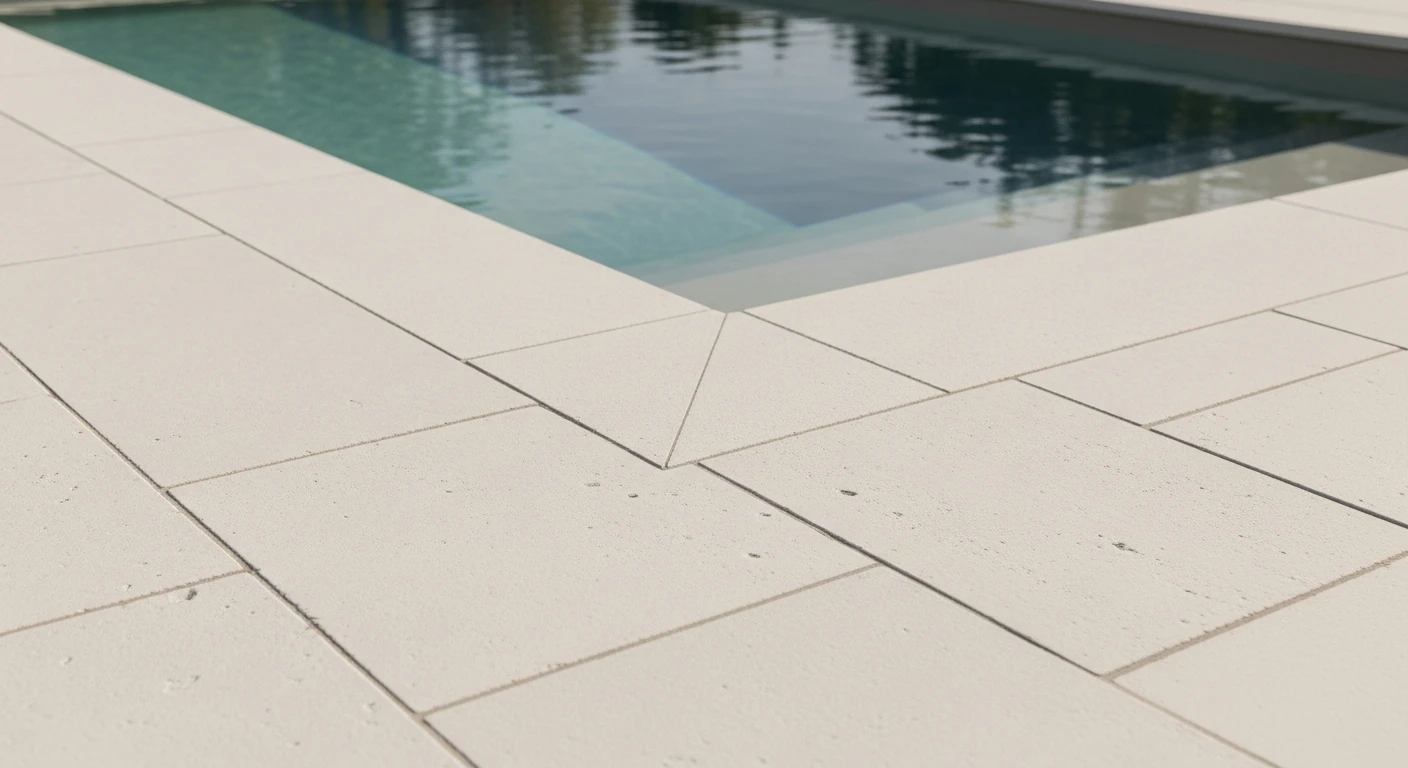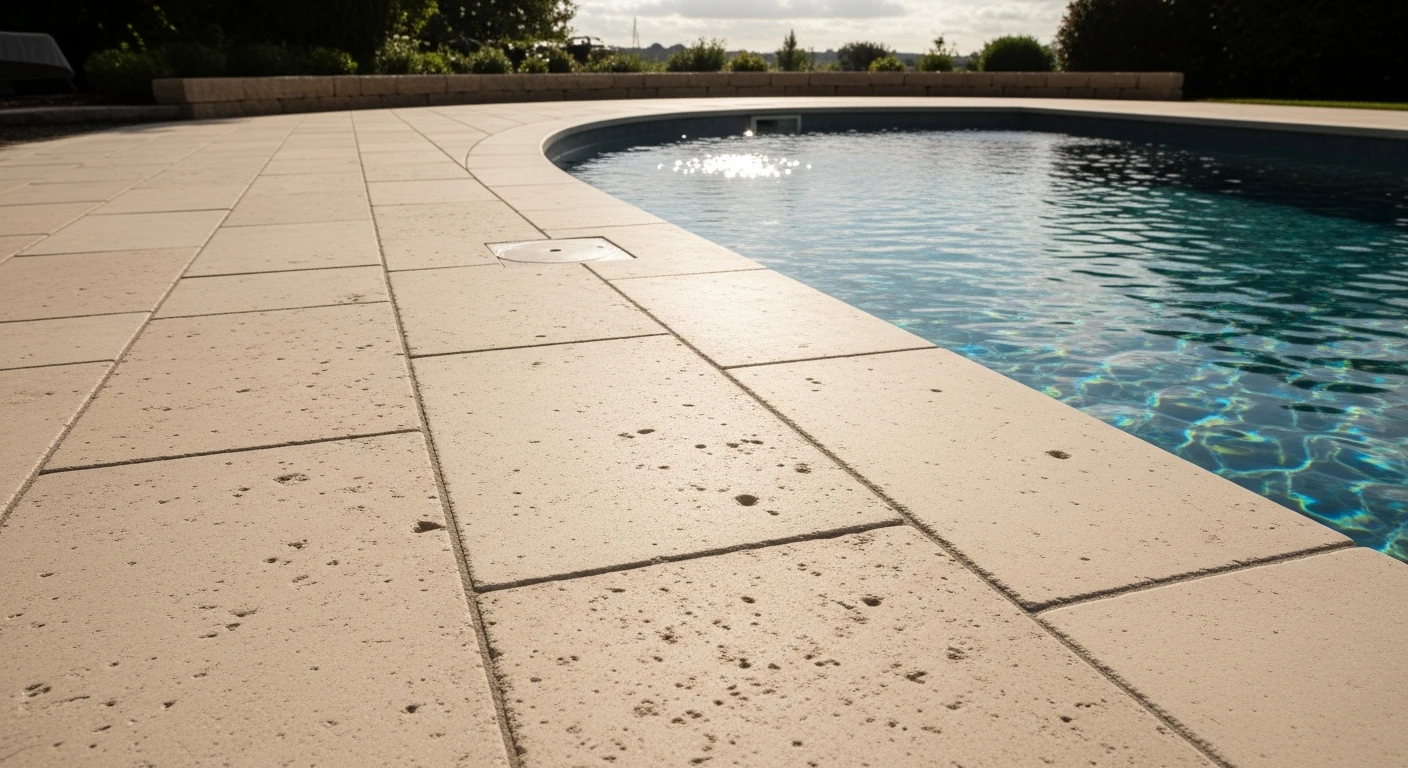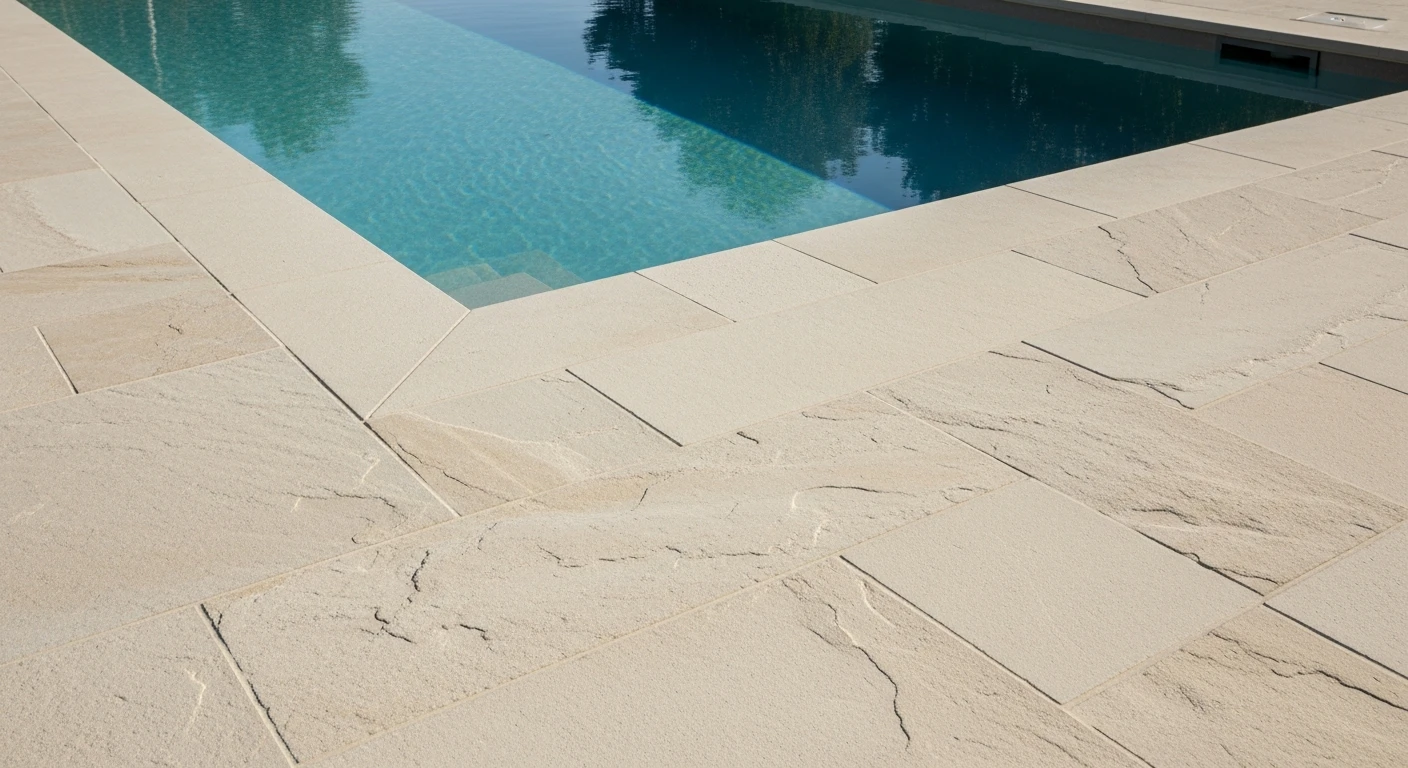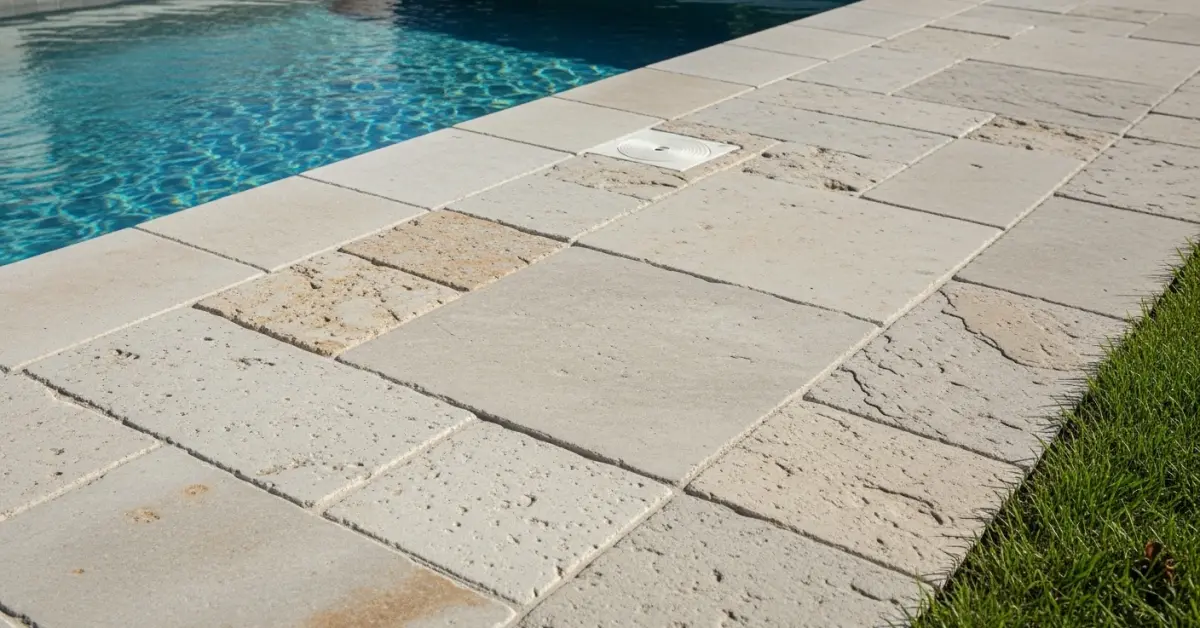
Limestone Pavers Pinellas County: My Protocol for Eliminating Sub-base Failure and Salt-Air Pitting
In Pinellas County, the biggest mistake I see with limestone paver installations is a generic, one-size-fits-all approach that completely ignores our unique environmental stressors. Contractors treat a project in the historic Old Northeast of St. Petersburg the same way they would an inland property, leading to predictable and costly failures within 3-5 years. The culprit is almost always a combination of sub-base failure due to our sandy, high-water-table soil and surface degradation from the relentless salty air. My entire installation philosophy is built around mitigating these two specific, local threats. I’ve refined a method that focuses on creating a stable, water-permeable foundation that can handle our summer deluges and a specialized sealing protocol that armors the limestone against chloride-ion attacks. This isn't just about laying stone; it's about engineering a system designed for the specific challenges of coastal Florida living, from Clearwater Beach to Tierra Verde.Diagnosing Premature Failure in Pinellas County Pavers: My Core Methodology
Over the years, I've been called to repair dozens of sinking, stained, and spalling limestone patios. The pattern is always the same: inadequate site prep and the wrong choice of sealant. My diagnostic process starts by looking at the soil and the proximity to saltwater. The standard method of simply compacting a few inches of base rock is a guaranteed failure here. The sandy soil acts like a liquid when saturated, causing the base to shift and pavers to settle unevenly. This is a common sight in newer developments around the Seminole and Largo areas. My proprietary methodology, which I call the "Geo-Adaptive Base & Topical Shield" system, directly addresses these environmental pressures. It’s a two-part system that isolates the paver installation from soil instability while creating a protective barrier against atmospheric corrosion. I developed this after a particularly challenging waterfront project on Snell Isle where the original pavers, less than four years old, were already showing significant pitting from the constant salt spray off Tampa Bay.Technical Breakdown: The Geo-Adaptive Base vs. Standard Compaction
The secret to a lifetime installation in Pinellas isn't the thickness of the limestone, but what lies beneath it. A standard installation often fails because water cannot drain away efficiently, leading to hydrostatic pressure pushing upwards. Here’s a direct comparison of my technical approach versus the common industry shortcut:- Standard Method: The contractor excavates 4-6 inches, dumps in a layer of generic base rock (often CR-89), and compacts it. They lay a sand bed and then the pavers. This system has no defense against our fine sand soil migrating into the base rock, compromising its stability over time.
- My Geo-Adaptive Method: The excavation is deeper, a minimum of 8 inches. The first layer is a crucial, non-woven geotextile separation fabric. This is the single most important element to prevent soil migration. On top of this, I lay and compact 6 inches of clean, angular #57 stone, which provides excellent drainage. Only then do I add a 1-inch screeded bed of concrete sand. This multi-layer system creates a stable, self-draining raft for the pavers to sit on, achieving a 98% proctor density that resists movement.
The Step-by-Step Implementation for Longevity
Executing this correctly requires precision. A single misstep can compromise the entire system. I've seen crews in Dunedin rush the compaction phase, only to have the client call me a year later to fix the resulting sunken spots. This is my field-tested protocol.- Site Assessment and Excavation: I begin by assessing the site's grade and water runoff patterns. Excavation is precise, ensuring the final paver surface will have a minimum 2% grade away from any structures to promote positive drainage.
- Geotextile Fabric Installation: The non-woven geotextile fabric is laid down, overlapping all seams by at least 12 inches. This is non-negotiable and prevents the sandy subsoil from contaminating the stone base.
- Base Material Compaction: The #57 stone is laid in 3-inch lifts. Each lift is wetted and compacted with a plate compactor until the required density is met. I personally check the compaction to ensure zero movement.
- Screeding the Bedding Sand: A 1-inch layer of clean concrete sand is meticulously screeded using guide rails to ensure a perfectly level setting bed for the pavers.
- Paver Installation and Jointing: The limestone pavers are set in place. After installation, we sweep in a high-grade polymeric sand into the joints. The key here is proper activation with water—too little and it won't set, too much and it will haze the paver surface.
- Initial Cleaning and Curing: The surface is thoroughly cleaned to remove any residual sand. The system is then left to cure for at least 48 hours before the final, critical step.
Precision Sealing and Quality Control Standards
This is where most projects fail in the long term. Using a cheap acrylic sealer is like putting a plastic bag over the stone; it traps moisture and will peel and yellow under the intense Florida sun. I only use a two-part sealing system. First, I apply a deep-penetrating silicate densifier. This product soaks into the limestone and reacts chemically with it, increasing its surface hardness and density from within. After the densifier has cured, I apply two coats of a high-performance, breathable, silane-siloxane impregnating sealer. This sealer creates a hydrophobic barrier that repels water and salt without creating a film on the surface. To validate the effectiveness, I perform a RILEM tube test on a control paver to measure the reduction in water absorption post-treatment. A successful application shows a reduction of over 90%, dramatically lowering the risk of salt-pitting and mold growth, which is a constant battle in our humid climate. This process can increase the paver's resistance to staining by up to 75%. Given the high chloride content in our coastal air, have you considered how your choice of jointing sand will affect the long-term structural integrity of your paver system?Written by

Tags
black limestone paving
limestone pavers outdoor
grey limestone paving
limestone pavers near me
white limestone pavers
Limestone Pavers in Pinellas FL FAQ
Is limestone too slippery for a pool deck when it gets wet?
Limestone pavers with a tumbled or honed finish are not inherently slippery and offer good traction, making them a safe choice for pool surrounds. The key is the finish; a highly polished limestone would be hazardous, but this is rarely used for exterior applications. A common misconception is that all natural stone is slick. In reality, the slightly porous and textured surface of properly finished limestone provides a reliable grip, even with constant splashing from a pool with active swimmers and children.
Will saltwater from my pool damage or stain my limestone pavers?
Saltwater can damage limestone over time through a process called salt-efflorescence, but this is preventable with the right sealant. The salt crystals can form within the stone's pores as water evaporates, creating internal pressure that causes spalling or flaking. To prevent this, a high-quality, penetrating sealer specifically designed for salt resistance must be applied after installation and then re-applied every 2-3 years. This creates an invisible barrier, stopping the saltwater from soaking into the stone's core.
My limestone pavers have developed dark, stubborn stains. Is this mold or something worse?
Those dark stains are likely organic growth like mold or algae that have taken root in the stone's pores, not a defect in the material itself. Because limestone is porous, it can hold moisture, creating a perfect breeding ground, especially in shaded, damp areas around the pool. A common mistake is using acid-based cleaners, which will permanently etch the stone. Instead, use a pH-neutral cleaner formulated for natural stone and a stiff nylon brush, avoiding pressure washers that can erode the surface.
Do limestone pavers get too hot to walk on in direct summer sun?
Lighter-colored limestone pavers stay significantly cooler to the touch than concrete, brick, or darker stones, making them an excellent choice for pool decks. Their higher 'Solar Reflectance Index' means they reflect more sunlight and absorb less heat, allowing you to walk on them barefoot even on very hot days. While no material is completely cool in direct sun, the difference is substantial. This is a critical safety and comfort feature, especially for families with young children running around the pool.
What is the white, chalky powder appearing on my limestone pavers?
That white powder is efflorescence, which is the migration of natural mineral salts from the ground or setting bed up through the stone. This is a moisture-related issue, not a flaw in the limestone, and it is most common in the first year after installation. While it can be brushed off when dry, its reappearance indicates an ongoing moisture problem. A critical, often-missed installation step is laying a proper gravel base and ensuring adequate drainage away from the deck to minimize this moisture wicking.
Can I use regular pool chemicals to clean stains off my limestone deck?
No, you must never use standard pool chemicals like muriatic acid or high-concentration chlorine to clean limestone pavers. Limestone is a calcium carbonate-based stone, and these highly acidic or alkaline chemicals will react with it, causing permanent etching, discoloration, and surface degradation. This damage is irreversible and can ruin the entire look of your deck. Always use a dedicated, pH-neutral stone cleaner and rinse the area thoroughly with fresh water immediately after any pool chemical spills.