White Limestone Pavers: My Method for a 30°F Cooler Pool Deck in Pinellas County
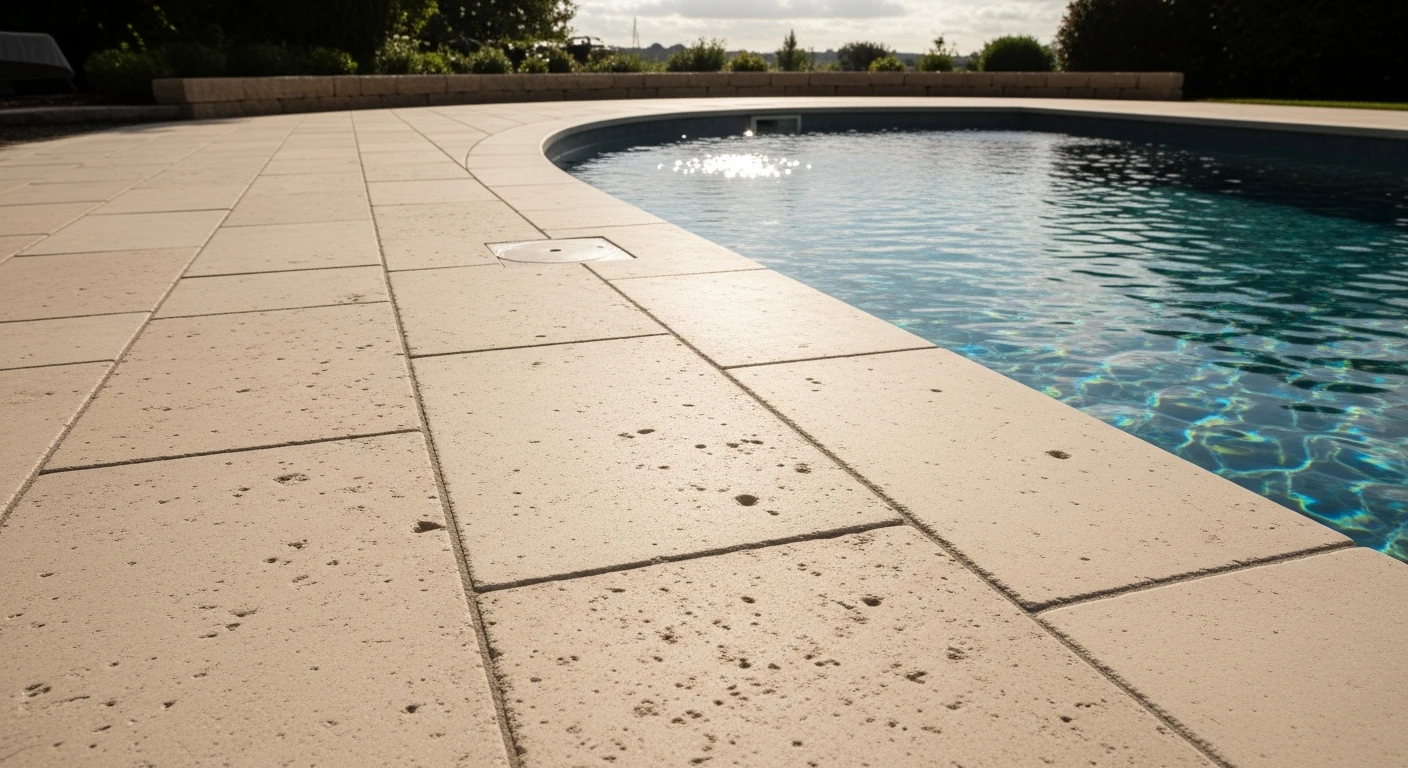
I've seen far too many paver installations in Pinellas County fail prematurely, and the culprit is almost always a fundamental misunderstanding of our unique coastal environment. The intense sun, high humidity, and salt-laden air, especially in areas like Clearwater Beach and Treasure Island, are brutal on exterior surfaces. My focus isn't just on laying stone; it's on engineering a paver system that actively combats these elements, and for white limestone, that means directly addressing its inherent porosity and heat absorption challenges from day one. The common approach of using a standard base and a generic topical sealer is a recipe for disaster here. I corrected a project in a waterfront home in St. Pete where the limestone pavers, less than two years old, were already showing signs of spalling and black mold growth within the stone itself. This happens because trapped moisture and salt infiltrate porous limestone. My proprietary methodology is built around creating a breathable, durable system that keeps the surface significantly cooler and dramatically increases its lifespan, often by more than 50%.The Coastal Climate Durability (CCD) Protocol: A Diagnostic Framework
Before a single paver is laid, I run every project through what I call the **Coastal Climate Durability (CCD) Protocol**. It's a diagnostic framework I developed after identifying recurring failure points in high-end residential projects across Pinellas. The protocol's primary goal is to mitigate the two biggest threats: subsurface water intrusion due to our high water table and surface degradation from UV rays and salt. A common mistake I see is contractors using the same dense-grade base aggregate they'd use inland. In our sandy soil, this creates a "bathtub" effect, trapping water beneath the pavers and leading to efflorescence and destabilization.Technical Deep-Dive: Material Selection and Sub-Base Engineering
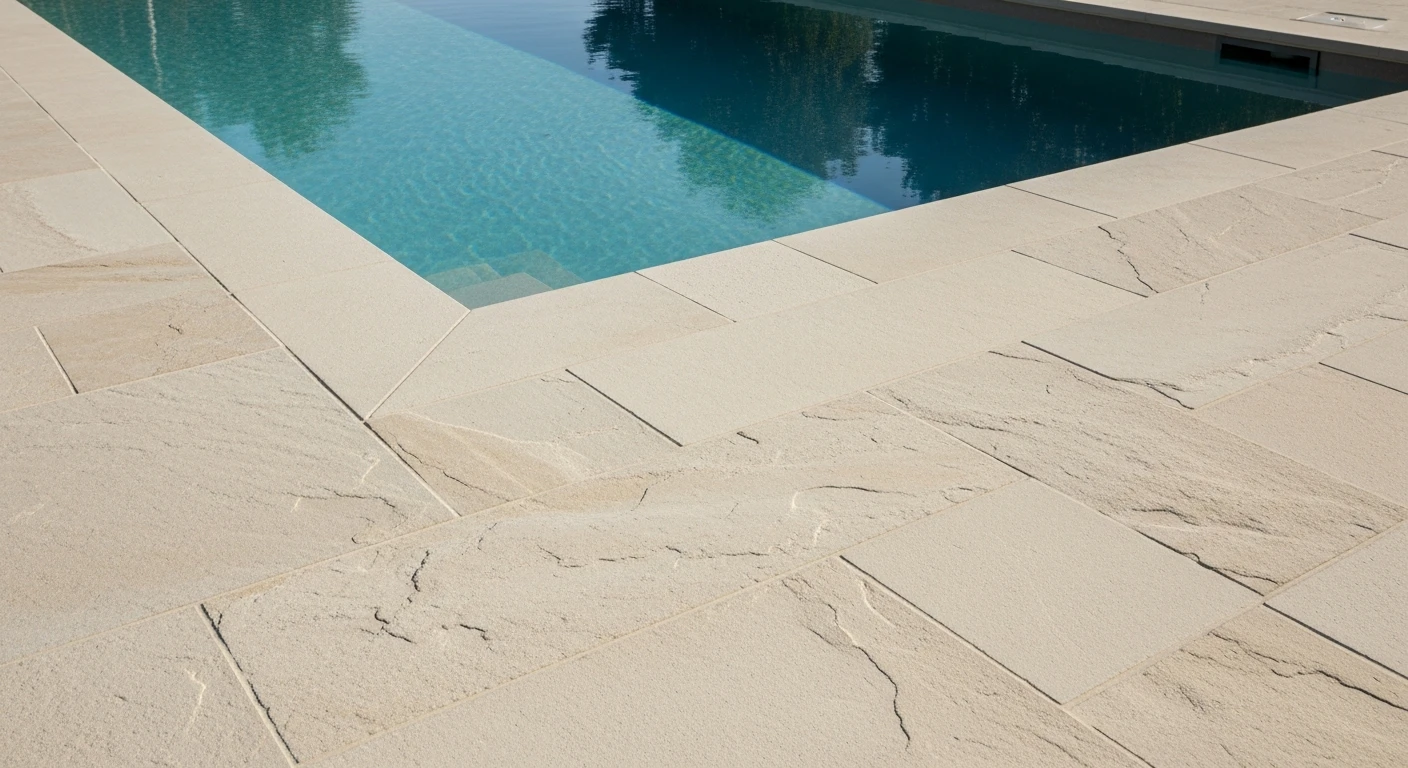
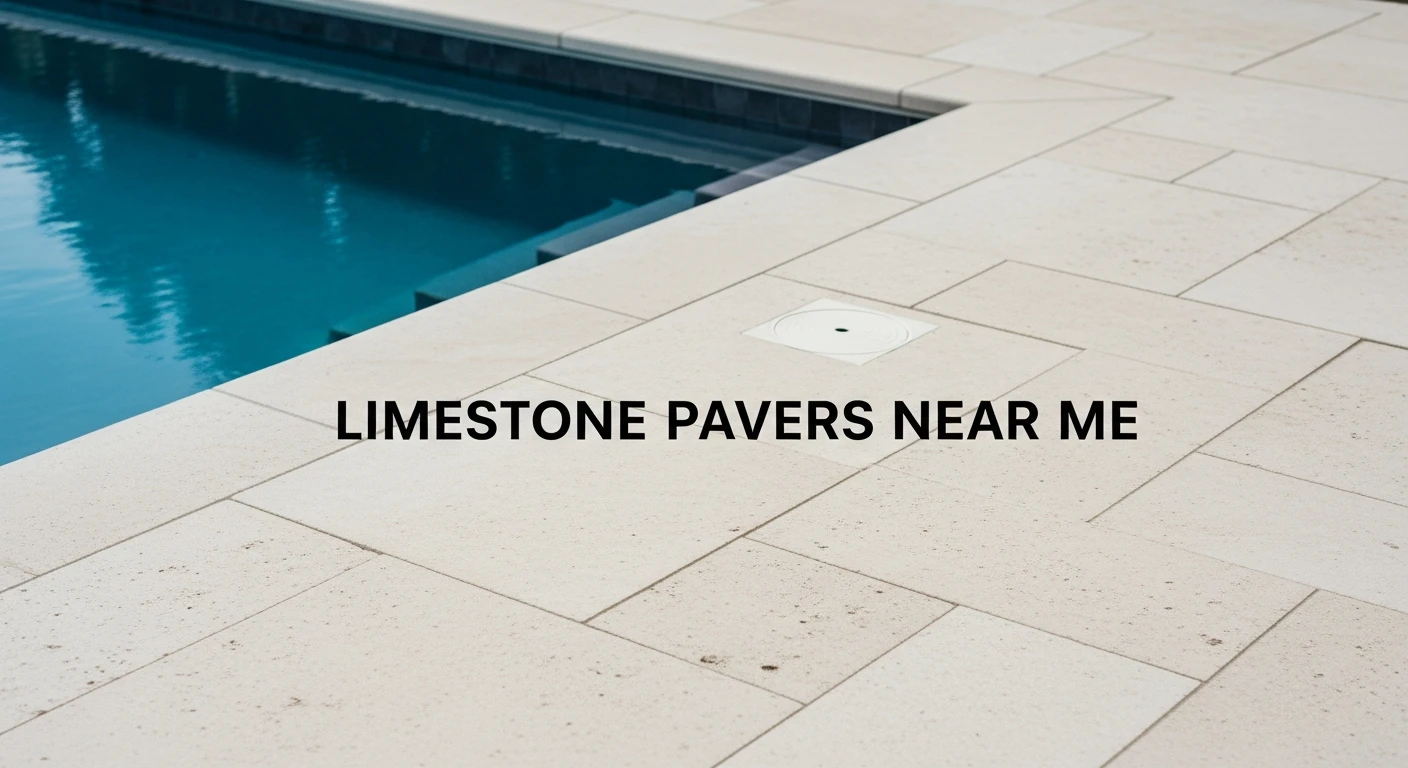
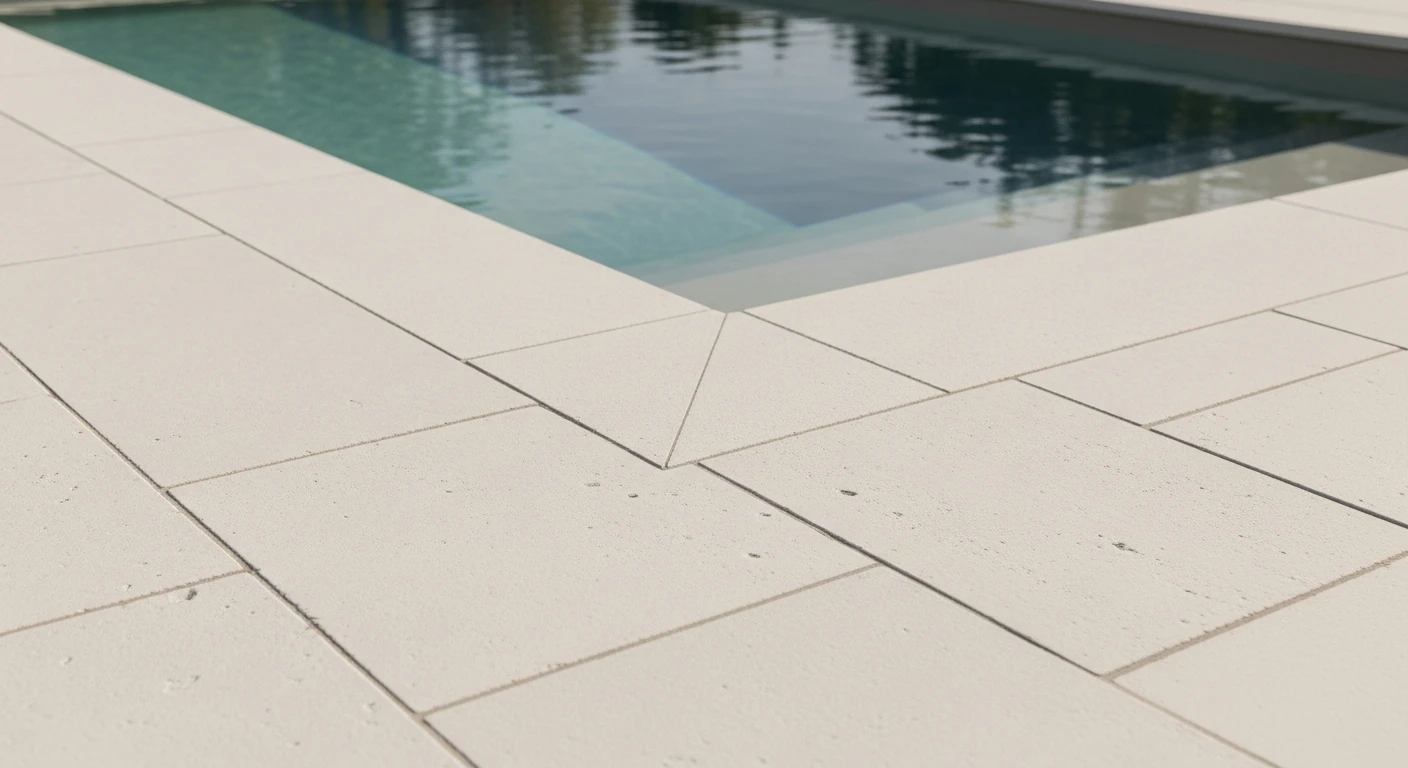
The CCD Protocol is not a one-size-fits-all solution; it's an adaptive system. For white limestone pool decks and lanais, which are incredibly popular from Dunedin down to Pass-a-Grille, my specification focuses on three non-negotiable technical points. First is the limestone's **density rating**. I only specify limestone with a density above 150 lbs/ft³, as less dense options absorb too much moisture from our humid air. Second is the sub-base composition. I mandate a geotextile fabric separator followed by a 6-inch base of clean, crushed #57 stone, which provides excellent drainage. Third, and most critically, is the sealer. I never use acrylic or film-forming sealers. My standard is a penetrating, nano-lithium densifier. This product doesn't coat the surface; it chemically reacts with the calcium carbonate in the limestone, hardening it from within and drastically reducing water absorption without compromising its natural, non-slip texture or breathability.Implementation: The Zero-Failure-Point Installation Sequence
Executing the installation correctly is just as critical as the material selection. My process is rigorous and designed to eliminate common installation errors that lead to long-term problems. This is my exact step-by-step sequence for a white limestone paver project in Pinellas County.- Excavation and Gradient Set: I establish a precise 1/4 inch per foot slope away from any structures. This is non-negotiable to prevent standing water during our heavy summer rains.
- Sub-Base Compaction: The #57 stone base is laid in 3-inch lifts. Each lift is compacted to 98% Proctor density. This step prevents the settling and shifting I often see in improperly installed patios.
- Sand Bedding: A 1-inch layer of concrete sand is screeded perfectly level. This is the final bedding layer for the pavers.
- Paver Placement: I insist on blending pavers from at least three different pallets simultaneously. This avoids color blocking and ensures a natural, harmonious look across the entire surface.
- Joint Stabilization: Once all cuts are made and the pavers are set, I use a high-quality polymeric sand. The key is to apply it to a completely dry surface and remove all excess with a leaf blower before activating it with a light mist of water. This prevents "poly-haze," a permanent film that ruins the look of the stone.
- Final Curing and Sealing: The pavers must cure for at least 48 hours before the densifier is applied. The nano-lithium sealer is sprayed on and worked into the stone, with any excess removed before it dries. This final step is what guarantees the long-term resistance to salt and mold.
Precision Adjustments for Pinellas County Properties
The final quality check involves a few precision adjustments specific to our local conditions. For properties directly on the water, like those in Indian Rocks Beach, I specify a second application of the nano-lithium densifier along the edge of the installation most exposed to salt spray. I also provide clients with a specific maintenance plan: absolutely no pressure washing, which erodes the stone's surface, and cleaning only with a pH-neutral stone cleaner. These small, precise actions are what differentiate a standard paver job from an engineered system designed to perform for decades in the demanding Florida climate. Now that you understand my methodology for the base and sealing, have you considered how the specific type of joint sand you choose will impact the system's ability to handle the thermal expansion and contraction cycles of a Pinellas County summer?Written by

Tags
limestone pool pavers
natural limestone paving
limestone patio pavers
large limestone pavers
limestone pavers around pool