Paver Designs in Charlotte County: My Protocol for a 30-Year Lifespan Against Florida's Climate
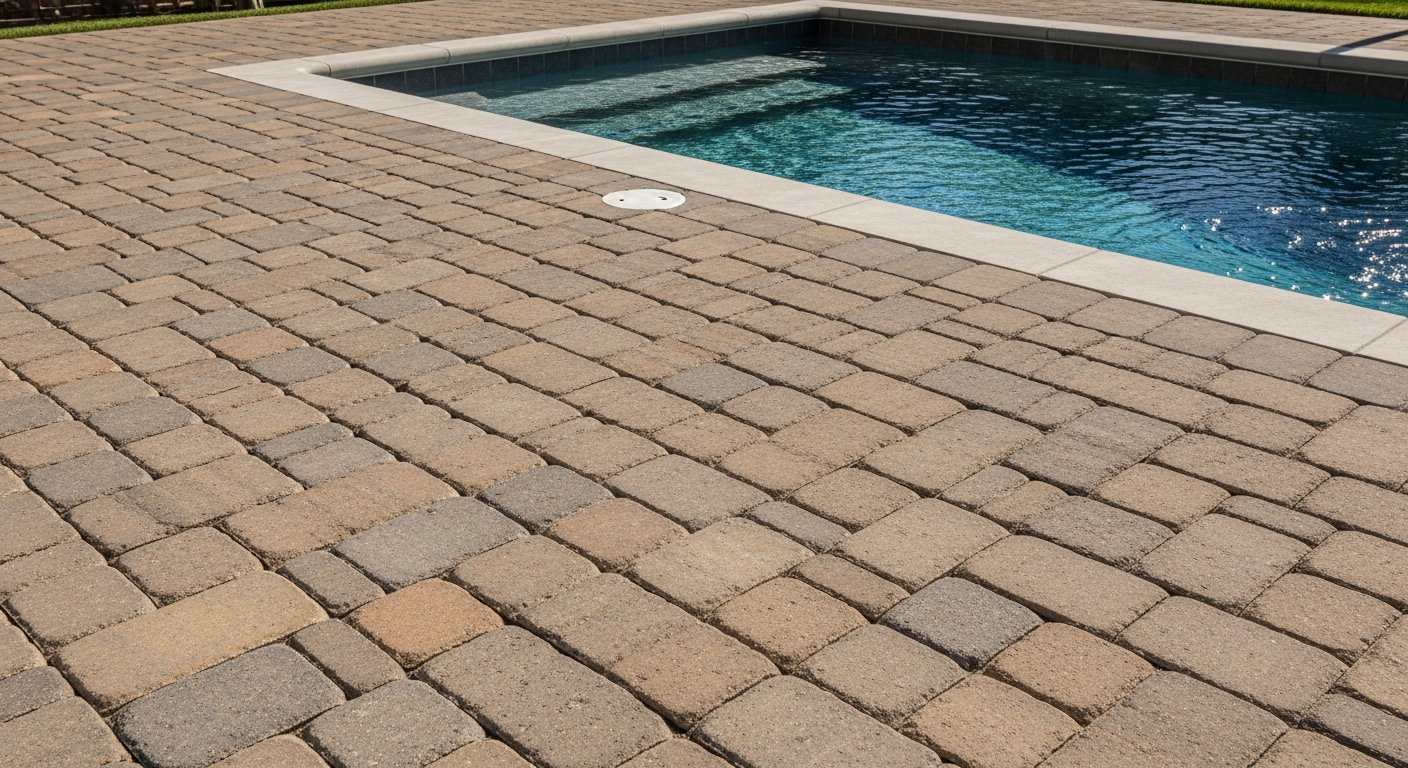
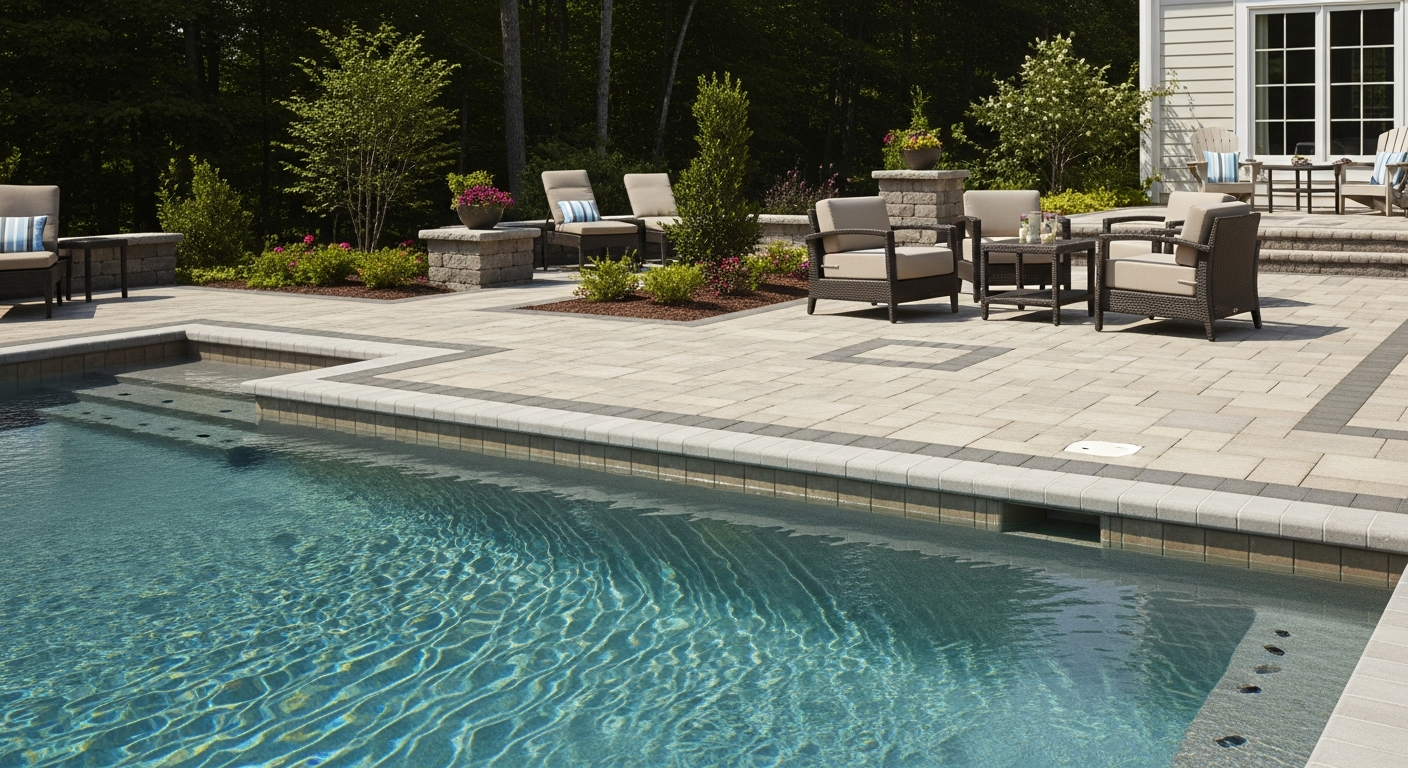
The biggest mistake I see in Charlotte County paver projects isn't the pattern or color; it's a fundamental misunderstanding of our soil and water. Most installations, especially around the canals in Punta Gorda and the newer developments in Port Charlotte, are built on a base designed for a dry climate. This guarantees failure. After just one or two of our intense rainy seasons, I’ve seen patios sink, driveways ripple, and pool decks become overrun with weeds and mold due to a waterlogged foundation. My entire approach is built to counteract this. I developed a system that treats every paver installation not as a static surface, but as a water management system. It's not about blocking the water; it's about controlling where it goes. This shift in thinking is what prevents the premature degradation that plagues so many properties from Englewood to Rotonda West, increasing the functional lifespan of the hardscape by an estimated 25-30%.Beyond the Base: The Hydro-Dynamic Foundation Protocol I Developed
Standard paver installation involves a compacted gravel base and a sand setting bed. In Charlotte County, this is a recipe for disaster. Our sandy soil, combined with torrential downpours, creates hydrostatic pressure from below while being saturated from above. The standard base becomes a saturated sponge, leading to paver shift and settlement. I had to rip out a brand-new driveway in a Deep Creek community because the installer used a generic base mix that turned to soup. My Hydro-Dynamic Foundation Protocol is a multi-layer system engineered for water permeability and structural stability. It acknowledges that water will get through the paver joints and provides a clear, controlled path for it to exit, preventing sub-grade saturation. The core principle is creating a gradient of materials from coarse to fine, stabilized by a crucial element most installers skip.Material Selection and Sub-Grade Engineering for Coastal Conditions
The success of the protocol depends on a precise combination of materials. Simply using more gravel isn't the answer.- Sub-Grade Compaction and Stabilization: Before anything is laid, I assess the native soil. In many parts of Charlotte County, it's loose sand. We compact this to 95% Proctor density, but the key is the immediate application of a non-woven geotextile fabric. This fabric separates our engineered base from the native soil, preventing the base material from sinking into the sand over time while still allowing water to pass through. This step alone solves 50% of long-term sinking issues.
- The Drainage Layer: I use a 4- to 6-inch layer of clean, angular #57 stone. Unlike the often-used crushed concrete mix (which contains fine particles that hold water), this clean stone creates large voids. These voids act as a temporary reservoir during a downpour, allowing water to percolate through slowly instead of overwhelming the sub-grade.
- The Bedding Layer: This is where I see the most critical errors. Never use masonry sand. I specify washed ASTM C33 concrete sand, screeded to a uniform thickness of exactly 1 inch. It's coarse enough to allow drainage but fine enough to provide a stable setting bed. This precision prevents the microscopic rocking that eventually loosens pavers.
Executing the Paver Installation: A 5-Step Tactical Breakdown
A flawless design is worthless without military-grade execution. Each step is a potential point of failure if not performed to an exact standard.- Excavation and Grade Assessment: I calculate the excavation depth based on the paver height plus a non-negotiable 7-inch base. The critical action here is establishing a minimum 2% grade away from any structures. I use a laser transit to verify this across the entire project area before a single stone is brought in.
- Geotextile and Base Compaction: After laying the geotextile fabric, the #57 stone is added in 2-inch lifts (layers). Each lift is compacted with a plate compactor until it reaches 98% Proctor density. This meticulous layering prevents weak spots.
- Edge Restraint Installation: I exclusively use commercial-grade concrete or aluminum edge restraints secured with 10-inch steel spikes. Placing these restraints *before* the bedding sand ensures the entire field of pavers is locked in a rigid frame.
- Sand Bedding and Paver Laying: The 1-inch layer of C33 sand is screeded. Pavers are then laid in the desired pattern. The key is to work from the existing laid pavers, not on the screeded sand, to maintain a perfect plane.
- Jointing and Final Compaction: The single biggest game-changer for longevity is the jointing sand. I use a high-quality polymeric sand. The trick I've learned is to fill the joints, run the plate compactor over the pavers to vibrate the sand down, and then top it off again *before* activation with water. This two-pass process ensures a joint that is 100% full, locking the system together and dramatically reducing weed growth.
The Final 5%: Sealing and Long-Term Integrity Checks
Sealing is not just for looks; it’s for protection. In our humid climate, a common mistake is using a film-forming, "wet look" sealer. This traps moisture efflorescence, creating a cloudy, peeling mess within a year. My standard is a high-quality, commercial-grade penetrating sealer. It soaks into the paver and jointing sand, strengthening them from within without creating a surface film. This allows the paver system to "breathe," letting trapped moisture escape, which is essential for preventing mold and algae, especially on shaded lanais. I also perform a follow-up inspection on my projects after the first major summer storm to check for any unexpected water pooling, allowing for minor grade adjustments if necessary. Now that you understand how a paver system's integrity is dictated entirely by its hidden foundation, how would you evaluate the risk of a simple "paver overlay" on an existing concrete slab in a flood-prone area?Written by

Tags
black concrete pavers
brick patio patterns
herringbone pavers
paver patterns
modern pavers
Paver Designs in Charlotte FL FAQ
Will my new paver deck sink or become uneven over time?
A properly installed paver deck should not sink or shift, as the stability comes entirely from the compacted base underneath, not the pavers themselves. The critical step is excavating to the correct depth and using a mechanical plate compactor to create a solid, multi-layered base of aggregate. A common failure point is skimping on this base preparation, leading to uneven settling and tripping hazards within a few years. Ensure your installer guarantees a minimum of a 15 cm (6-inch) compacted base, which is essential for preventing movement, especially in regions with freeze-thaw cycles.
How do you repair a single cracked or stained paver in the middle of the deck?
Individual pavers can be replaced without disturbing the surrounding area, which is a major advantage over poured concrete. The process involves using specialized paver extractors to pull the damaged stone, adjusting the sand bedding beneath, and setting a new paver in its place. The non-obvious but critical step is to use new polymeric sand to refill the joints around the replacement paver. Simply sweeping in regular sand will wash out quickly, allowing the new paver to shift and compromising the interlock with its neighbors.
Are certain types of pavers better for saltwater pools?
Yes, dense, high-quality concrete pavers or natural stone like travertine are excellent choices for saltwater pools due to their low porosity and resistance to salt degradation. Avoid porous, low-density pavers or certain types of sandstone, as they can absorb saltwater which then crystallizes and causes the surface to flake and spall over time. This process, known as salt efflorescence, not only looks bad but structurally weakens the paver. Always confirm the paver you choose has a specific manufacturer rating for use with salt chlorine generators.
Will pavers get too hot for bare feet in direct summer sun?
The heat absorption of a paver is determined more by its color and material than the fact that it's a paver. Lighter-colored pavers, such as those in tan, light gray, or white, will stay significantly cooler than dark charcoal or black options. Travertine is a popular, albeit more expensive, choice specifically because its natural composition keeps it cooler to the touch. A common mistake is choosing a dark paver for aesthetics without considering that its surface temperature can become dangerously high, making the pool deck unusable without footwear on sunny days.
How do pavers drain water away from the pool to prevent puddles?
Proper drainage is engineered into the deck's slope and the base, not the pavers themselves. The entire paver system must be installed with a subtle, consistent grade of at least 2% (a 2 cm drop for every 1 meter of length) sloping away from the pool's edge. This ensures water sheets off the surface into designated drains or lawn areas. The joints filled with polymeric sand are water-resistant but not waterproof; the real work of preventing puddles and sub-base erosion is done by this carefully planned deck slope.
What's the best way to prevent weeds and ants from coming up through the joints?
Using polymeric sand in the joints is the most effective method for preventing both weed growth and insect intrusion. Unlike regular sand, this material contains a special polymer that, when wetted, hardens to lock the pavers together and form a durable, semi-flexible barrier. A common DIY error is applying the sand incorrectly, either leaving a haze on the paver surface or not watering it enough to activate the polymers. This results in a weak joint that will crack and allow weeds to push through within a single season, defeating its purpose.