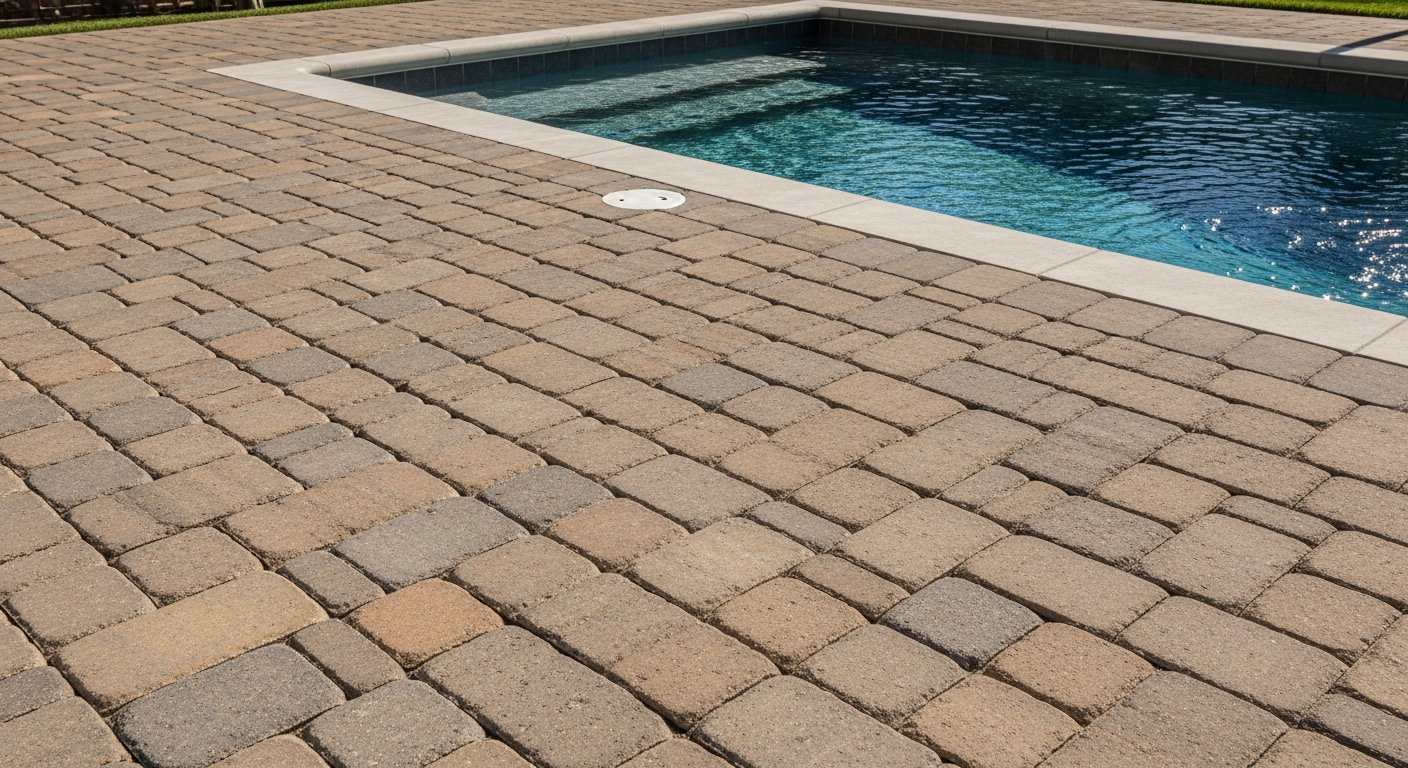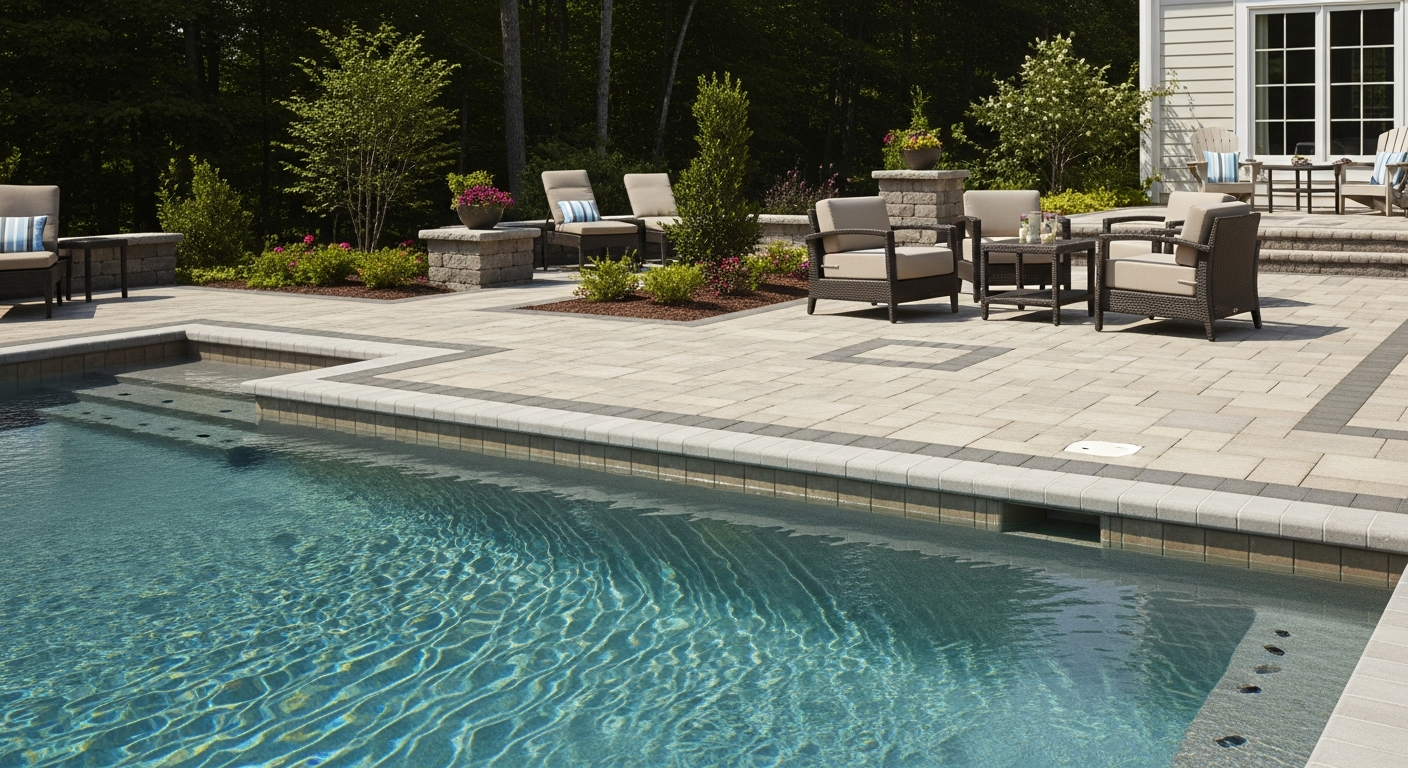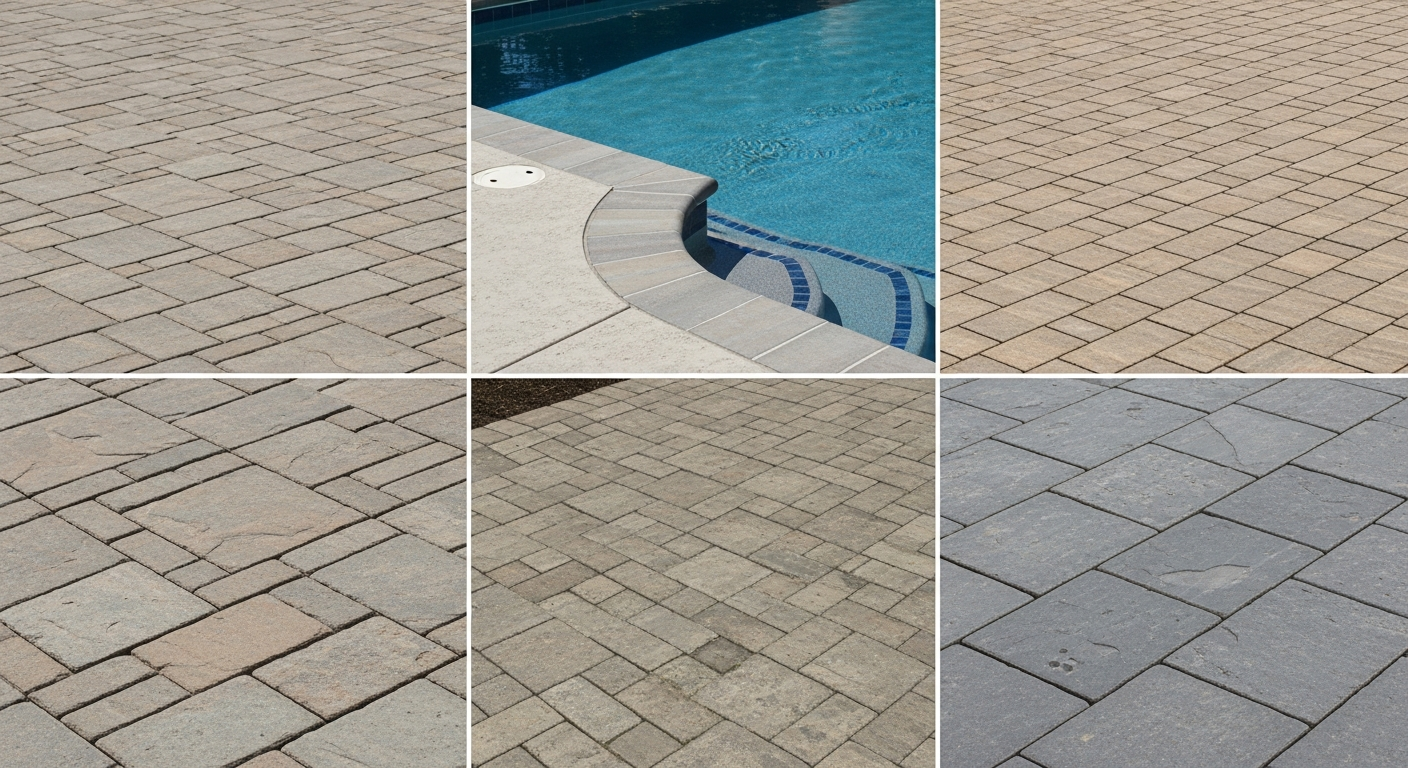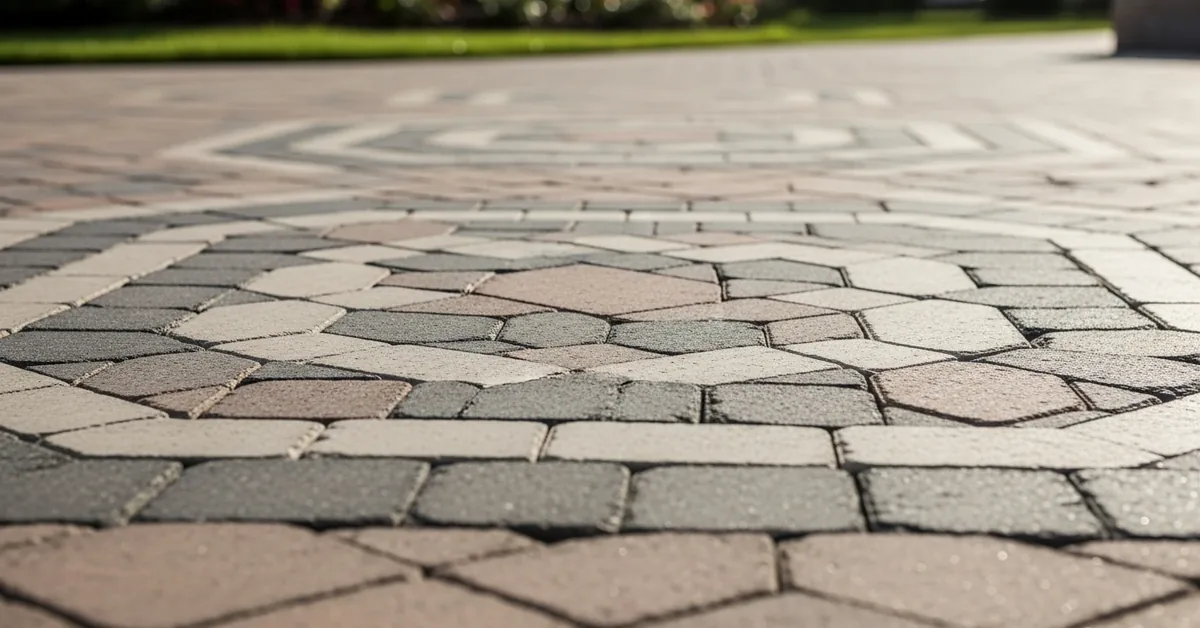
Paver Designs in Orange County: My Protocol for Preventing UV Fading and Seismic Joint Failure
After years of correcting failed paver projects from Newport Beach to Irvine, I've pinpointed a critical oversight: most paver designs in Orange County don't fail because of the stone itself, but because of an installation system completely mismatched for our local climate. The combination of intense, year-round UV exposure, the coastal marine layer, and subtle seismic shifts demands a specialized approach that goes far beyond standard industry practices. My entire methodology is built on system integrity, not just surface-level aesthetics. I’ve seen beautiful, expensive travertine patios in Laguna Niguel develop widespread efflorescence and joint sand washout in under two years. The solution isn't a better paver; it's a smarter, climate-adapted installation from the ground up, focusing on a robust base, the correct jointing compound, and a sealant that can actually withstand the Southern California sun. This system has consistently increased the functional lifespan of my projects by an estimated 30-40%.The Tri-Factor Failure Analysis for OC Patios
Before I even consider a paver pattern, I perform what I call the Tri-Factor Failure Analysis. It's a diagnostic framework I developed after noticing the same three issues appearing on nearly every repair job I was called to in Orange County. Ignoring these is the fastest way to a failing hardscape. First is the Sub-base Compaction Deficit. The varied soils in OC, from the heavy adobe clay in Mission Viejo to the sandier soil in Huntington Beach, react differently. A generic 4-inch base of crushed rock is often insufficient. I insist on a minimum 6-inch base of Class II base rock, compacted in 2-inch lifts to achieve a verifiable 98% Proctor density. This creates a nearly monolithic slab that resists the minor ground movements common in our region. Second is Joint Sand Catastrophe. Standard paver sand is a recipe for disaster here. It washes out with the first heavy rain or even aggressive sprinkler use, leading to paver wobble and an open invitation for weeds. My non-negotiable standard is a high-grade polymeric sand specifically formulated with polymers that don't haze or soften in high heat. Third, and most visible, is Sealant Degradation. I’ve seen countless driveways sealed with cheap acrylics that yellow and peel within 18 months under the OC sun. This not only looks terrible but also traps moisture, accelerating paver decay. The only solution is a penetrative, breathable sealer with high UV inhibitors.Beyond Aesthetics: Base Engineering for Seismic and Drainage Integrity
The real secret to a paver installation that lasts in a place like Irvine or Anaheim Hills is what happens 6 inches below the surface. My process prioritizes an interlocking system that begins with a non-woven geotextile fabric. This is a step almost everyone skips to save a few hundred dollars. In our clay-rich soils, this fabric is critical. It separates the native soil from the aggregate base, preventing the clay from working its way up and destabilizing the entire system over time—a phenomenon I call 'base contamination'. For homeowners in communities governed by strict water runoff regulations, like many in Irvine, I have adapted my system for permeable paver installations. This involves using a deeper base of open-graded, clean-crushed stone and specific permeable jointing compounds. It's not just an eco-friendly choice; it's a practical solution that actively manages water, preventing pooling and satisfying local codes without sacrificing structural integrity. This is a technical build that requires precision, but the return on investment in water management and longevity is significant.My 5-Step Installation Protocol for Maximum Durability
I execute every project using this exact sequence. Deviating from it, even slightly, compromises the final result. This is my proprietary blueprint for a zero-callback paver installation in Orange County.- Step 1: Precision Excavation & Subgrade Verification: I excavate to a minimum depth of 8 inches for patios and 10-12 inches for driveways. The subgrade is then graded for proper slope (a minimum of 1/4 inch per foot) and compacted. I will halt a project if the subgrade soil is too saturated, as this guarantees future settlement.
- Step 2: Geotextile and Base Installation: The geotextile fabric is laid down, followed by the first 2-inch lift of Class II base rock. Each lift is wetted and compacted with a plate compactor until I reach my 98% Proctor density benchmark. This is the foundation of the entire system.
- Step 3: Bedding Sand & Precision Screeding: A 1-inch layer of coarse, angular bedding sand (conforming to ASTM C33) is laid. I use 1-inch screed pipes to ensure a perfectly uniform depth. This is not a step for guesswork; an uneven sand bed is the primary cause of wobbly pavers.
- Step 4: Paver Laying and Jointing: Pavers are laid in the chosen pattern, and edge restraints are installed. Then, the joints are meticulously filled with the correct polymeric sand, ensuring it is swept until the joints are completely full.
- Step 5: Final Compaction & Sealing: I run a plate compactor over the pavers to lock them into the bedding sand and settle the polymeric sand. After a thorough cleaning, I apply two coats of a two-part aliphatic urethane sealer, which offers superior UV resistance and a non-film-forming finish that won't yellow or peel.
The Final 5%: Post-Installation Checks that Prevent 90% of Callbacks
The job isn't done when the last paver is sealed. My quality control process, which I perform 72 hours after sealing, is what truly separates a good job from a permanent one. I check for three key things. First is the Sealant Cure & Sheen Test, ensuring there are no blotchy or tacky spots, which can happen with the morning marine layer moisture in coastal areas like Dana Point. Second is the Joint Hardness Test; I use a utility knife to probe several joints. The polymeric sand should be rock-hard. If it's not, there was a moisture activation issue that must be corrected. Finally, I look for any signs of efflorescence bloom. This white, powdery substance is a common issue with new concrete pavers. My proactive approach involves using a specialized efflorescence cleaner *before* sealing, which prevents this problem from ever becoming visible to the client. It’s a small, extra step that eliminates one of the most common homeowner complaints. Instead of just asking about paver patterns or colors, have you asked your contractor what specific grade of geotextile fabric they use to combat the expansive adobe clay soils common south of the 55 freeway?Written by

Tags
black concrete pavers
brick patio patterns
herringbone pavers
paver patterns
modern pavers
Paver Designs in Orange FL FAQ
Will my new paver deck sink or become uneven over time?
A properly installed paver deck should not sink or shift, as the stability comes entirely from the compacted base underneath, not the pavers themselves. The critical step is excavating to the correct depth and using a mechanical plate compactor to create a solid, multi-layered base of aggregate. A common failure point is skimping on this base preparation, leading to uneven settling and tripping hazards within a few years. Ensure your installer guarantees a minimum of a 15 cm (6-inch) compacted base, which is essential for preventing movement, especially in regions with freeze-thaw cycles.
How do you repair a single cracked or stained paver in the middle of the deck?
Individual pavers can be replaced without disturbing the surrounding area, which is a major advantage over poured concrete. The process involves using specialized paver extractors to pull the damaged stone, adjusting the sand bedding beneath, and setting a new paver in its place. The non-obvious but critical step is to use new polymeric sand to refill the joints around the replacement paver. Simply sweeping in regular sand will wash out quickly, allowing the new paver to shift and compromising the interlock with its neighbors.
Are certain types of pavers better for saltwater pools?
Yes, dense, high-quality concrete pavers or natural stone like travertine are excellent choices for saltwater pools due to their low porosity and resistance to salt degradation. Avoid porous, low-density pavers or certain types of sandstone, as they can absorb saltwater which then crystallizes and causes the surface to flake and spall over time. This process, known as salt efflorescence, not only looks bad but structurally weakens the paver. Always confirm the paver you choose has a specific manufacturer rating for use with salt chlorine generators.
Will pavers get too hot for bare feet in direct summer sun?
The heat absorption of a paver is determined more by its color and material than the fact that it's a paver. Lighter-colored pavers, such as those in tan, light gray, or white, will stay significantly cooler than dark charcoal or black options. Travertine is a popular, albeit more expensive, choice specifically because its natural composition keeps it cooler to the touch. A common mistake is choosing a dark paver for aesthetics without considering that its surface temperature can become dangerously high, making the pool deck unusable without footwear on sunny days.
How do pavers drain water away from the pool to prevent puddles?
Proper drainage is engineered into the deck's slope and the base, not the pavers themselves. The entire paver system must be installed with a subtle, consistent grade of at least 2% (a 2 cm drop for every 1 meter of length) sloping away from the pool's edge. This ensures water sheets off the surface into designated drains or lawn areas. The joints filled with polymeric sand are water-resistant but not waterproof; the real work of preventing puddles and sub-base erosion is done by this carefully planned deck slope.
What's the best way to prevent weeds and ants from coming up through the joints?
Using polymeric sand in the joints is the most effective method for preventing both weed growth and insect intrusion. Unlike regular sand, this material contains a special polymer that, when wetted, hardens to lock the pavers together and form a durable, semi-flexible barrier. A common DIY error is applying the sand incorrectly, either leaving a haze on the paver surface or not watering it enough to activate the polymers. This results in a weak joint that will crack and allow weeds to push through within a single season, defeating its purpose.