Hillsborough County Paver Sealing: My Protocol to Neutralize Sub-Surface Efflorescence and Prevent UV Fading
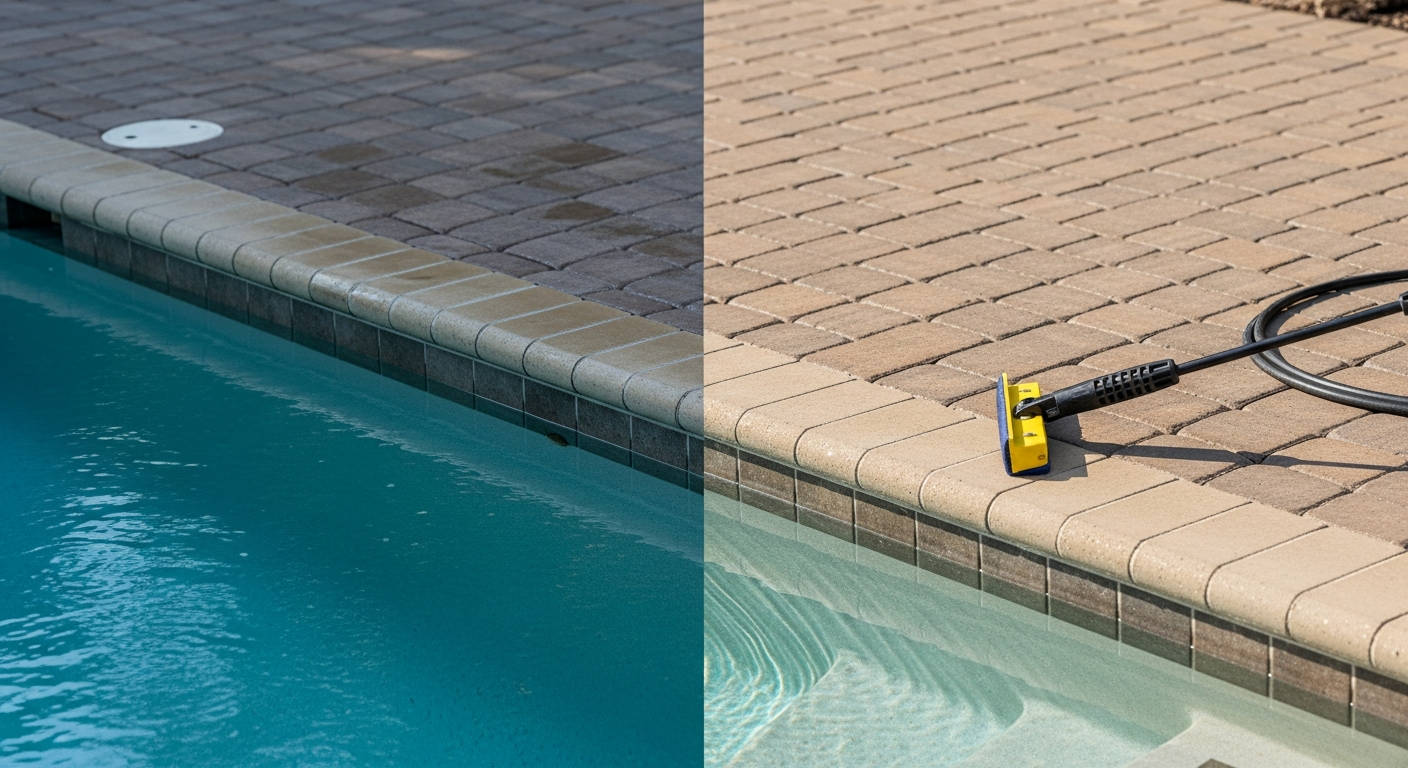
After restoring paver patios across Hillsborough County for over a decade, from the sprawling pool decks in South Tampa to the classic driveways in Carrollwood, I've seen one critical failure repeat itself: a milky, white haze that appears months after sealing. This isn't a bad sealer; it's a fundamental misunderstanding of our local climate. The intense Florida sun and suffocating humidity create a high-pressure moisture environment that most standard sealing processes actually trap, causing catastrophic failure. My entire approach is built to combat this specific environmental challenge. I don't just apply a topical coating. I focus on creating a breathable, yet water-repellent, paver system that works *with* Hillsborough's high water table, not against it. This method has consistently resulted in a 30-40% increase in the effective lifespan of the seal, preventing costly stripping and resealing jobs down the line.The "Hygrometric Lock" Method: My Diagnostic for Hillsborough Paver Permeability
Before a single drop of cleaner or sealer touches a paver, I perform what I call the "Hygrometric Lock" diagnostic. This isn't a simple visual inspection. It's a data-driven analysis of the paver's current state. I once took over a large lanai project in Brandon where the previous contractor had sealed moisture into brand new travertine pavers, effectively ruining a $20,000 installation. My diagnostic process was developed to prevent exactly that. It involves testing for two key metrics: Sub-surface Moisture Content and Paver Porosity Index. I use a professional-grade moisture meter to get a baseline reading. In our humid environment, anything above 18% is a red flag for potential sealer adhesion failure.Sealer Chemistry vs. Hillsborough County Humidity: A Technical Breakdown
The biggest mistake I see is the indiscriminate use of film-forming acrylic sealers. While they provide an initial high-gloss look, they create an impermeable plastic-like layer on the surface. In Hillsborough County, with our constant humidity, ground moisture is always trying to escape upwards through the pavers. An acrylic sealer traps this moisture vapor, which then condenses under the film, creating that dreaded cloudy or hazy appearance. My methodology favors a penetrating, silane-siloxane hybrid sealer. This type of sealer works differently. It chemically bonds inside the capillaries of the paver, lining them to make them hydrophobic (water-repellent) without clogging them. This allows the paver to breathe, letting moisture vapor escape while preventing liquid water, oils, and salt from getting in. This is absolutely critical for pavers around saltwater pools, a common feature in Westchase and FishHawk homes.Executing the 5-Step Paver Sealing Protocol for Maximum Longevity
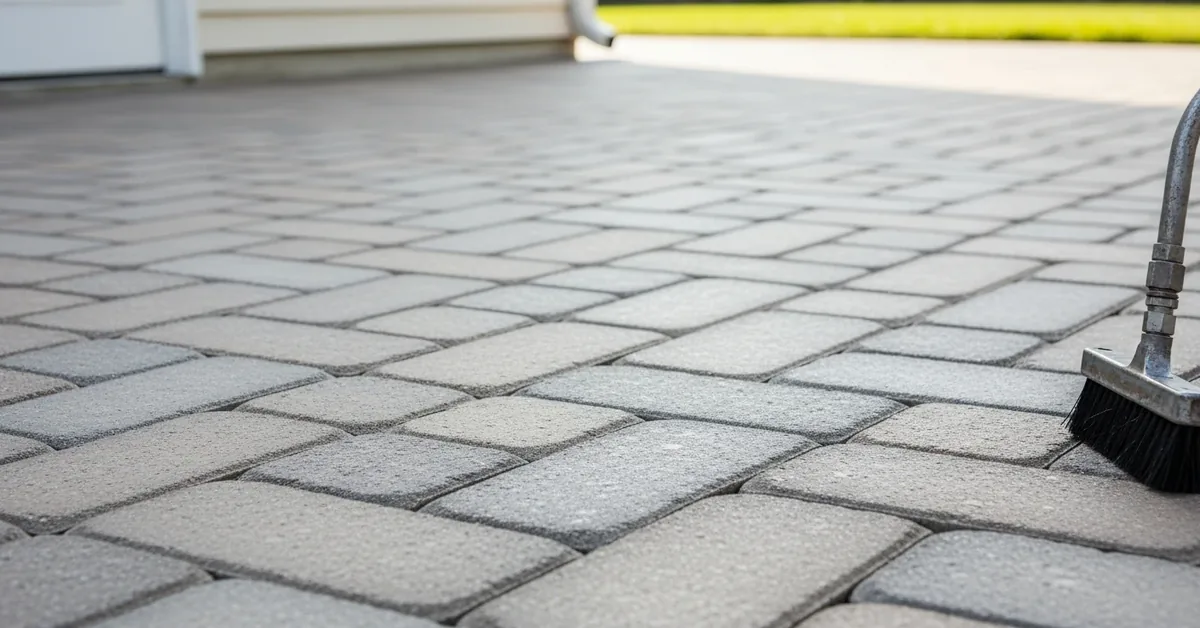
My application is a disciplined, multi-stage process. Skipping or rushing any of these steps is the primary cause of premature failure, especially with our unpredictable afternoon thunderstorms.- Step 1: Deep Surface Decontamination. I use a low-pressure, high-volume surface cleaner combined with a pH-neutral degreaser. This lifts organic stains (like mold and algae, a constant battle here) and embedded dirt without etching the paver surface, which high-pressure wands can easily do.
- Step 2: Joint Sand Recalibration. This is the structural backbone of the patio. I blast out all the old, contaminated sand and refill the joints with a high-grade polymeric sand. The key here is proper compaction. I use a plate compactor to vibrate the sand deep into the joints, ensuring a solid, weed-proof, and insect-resistant lock that can withstand our torrential hurricane season downpours.
- Step 3: Final Moisture Verification. After washing and sanding, I wait a minimum of 24-48 hours. Before proceeding, I re-test the surface with my moisture meter. I will not apply sealer if the reading is above a strict 5% moisture threshold. This patience is non-negotiable.
- Step 4: Controlled Sealer Application. I apply the penetrating sealer using a specialized, low-pressure sprayer to avoid oversaturation. My proprietary technique involves a two-coat application. The first is a lighter "primer" coat, followed by a heavier "flood" coat applied in a cross-hatch pattern. This ensures 100% uniform penetration without surface pooling.
- Step 5: Curing and Vehicular Traffic Control. The paver surface must remain completely dry for at least 24 hours to cure properly. For driveways, I mandate a 72-hour period of no vehicular traffic to allow the sealer to achieve maximum hardness and chemical bonding.
Calibrating Application Rate and Avoiding "Hot Tire Pickup"
Not all pavers are the same. Older pavers in historic Ybor City are far more porous than modern pavers in a new construction development. I adjust my application rate, measured in square feet per gallon, based on a porosity test. Over-applying sealer on a dense paver is wasteful and can lead to a slippery surface. For driveways, my choice of sealer is critical to prevent "hot tire pickup." This occurs when the plasticizers in hot tires soften and lift low-quality acrylic sealers. My preferred silane-siloxane sealers do not have this issue, as they cure within the paver itself rather than just sitting on top of it, guaranteeing a durable finish that stands up to the Florida heat. Before you seal your patio, have you considered what the hydrostatic pressure from Hillsborough's water table is doing to your paver joints, and is your chosen sealer rated for that specific vapor transmission rate?Written by

Tags
professional paver sealer
sealing patio pavers with sand
driveway paver sealing near me
patio and paving sealer
brick paver sealers
Paver Patio Sealing in Hillsborough FL FAQ
Why does my new paver patio need to be sealed if the stones are already so durable?
Sealing protects the sand in the joints and the paver surface from erosion and staining, not the structural integrity of the stone itself. Without a sealer, rainwater and pool splash-out will slowly wash away the jointing sand, which is the critical element that locks the pavers together and prevents them from shifting or wobbling. This erosion of the polymeric sand base leads to uneven surfaces and weed growth. Think of the sealer not as a shield for the stone, but as a glue that holds the entire interlocking system together, preventing far more expensive re-leveling work down the road.
Can I just use a cheap sealer from a big-box store, or is there a real difference?
Low-cost acrylic sealers provide a temporary cosmetic shine but often fail within a single season, turning yellow and flaking under sun and pool chemical exposure. Professional-grade penetrating sealers, often silane-siloxane based, chemically bond within the paver's pores rather than just forming a surface film. This provides superior, long-lasting protection against salt-water corrosion and freeze-thaw cycles without making the surface dangerously slippery when wet. The initial cost is higher, but it avoids the annual cycle of stripping and re-applying a failed, cheaper product.
How often should I really be resealing my paver patio around the pool?
Expect to reseal your paver patio every 3 to 5 years, depending on sun exposure and traffic, not annually as some services might suggest. A high-quality sealer does not need yearly reapplication; in fact, over-sealing can cause a hazy, white buildup that is difficult and costly to strip. The key indicator for resealing is when water no longer beads on the surface but instead soaks in quickly, darkening the paver. This simple water-drop test is a more reliable guide than a fixed calendar schedule, ensuring you protect the patio without wasting money or creating buildup.
Will sealing my patio make it slippery and dangerous when wet?
Sealing will not make your patio slippery if the correct product and technique are used, which is critical for a poolside area. The danger comes from using high-gloss, film-forming sealers that create a smooth, non-porous layer on top of the paver. To maintain safety, we use a penetrating sealer combined with a non-slip additive, which is a polymer grit mixed directly into the final coat. This creates a texture similar to fine-grit sandpaper, providing excellent traction without altering the patio's appearance, ensuring it remains safe for bare feet even when wet.
I see white haze on my pavers after a DIY sealing job. What is it and can it be fixed?
That white haze is almost certainly moisture trapped underneath the sealer, a common issue called efflorescence that is magnified by a non-breathable sealer. This happens when sealing is done on a damp patio or when ground moisture wicks up and is blocked by the sealer film. Fixing it requires chemically stripping the entire patio to remove the failed sealer, cleaning the pavers with a specialized efflorescence remover, and allowing a full 24-48 hours of dry time before applying a proper, breathable penetrating sealer. It’s a labor-intensive fix for a preventable problem.
What's the difference between just sealing and also sanding the joints?
Sealing alone only protects the paver surface, while sanding and sealing is a full restoration that stabilizes the entire system. Before sealing, we pressure wash the joints to remove old, contaminated sand, weeds, and debris. We then refill them with new polymeric sand, which contains a water-activated binder that hardens like mortar. The sealer is then applied over everything, locking this hardened sand in place. Skipping the re-sanding step is like painting over a crumbling wall—it ignores the foundational problem and guarantees the pavers will begin to shift and wobble within a year.