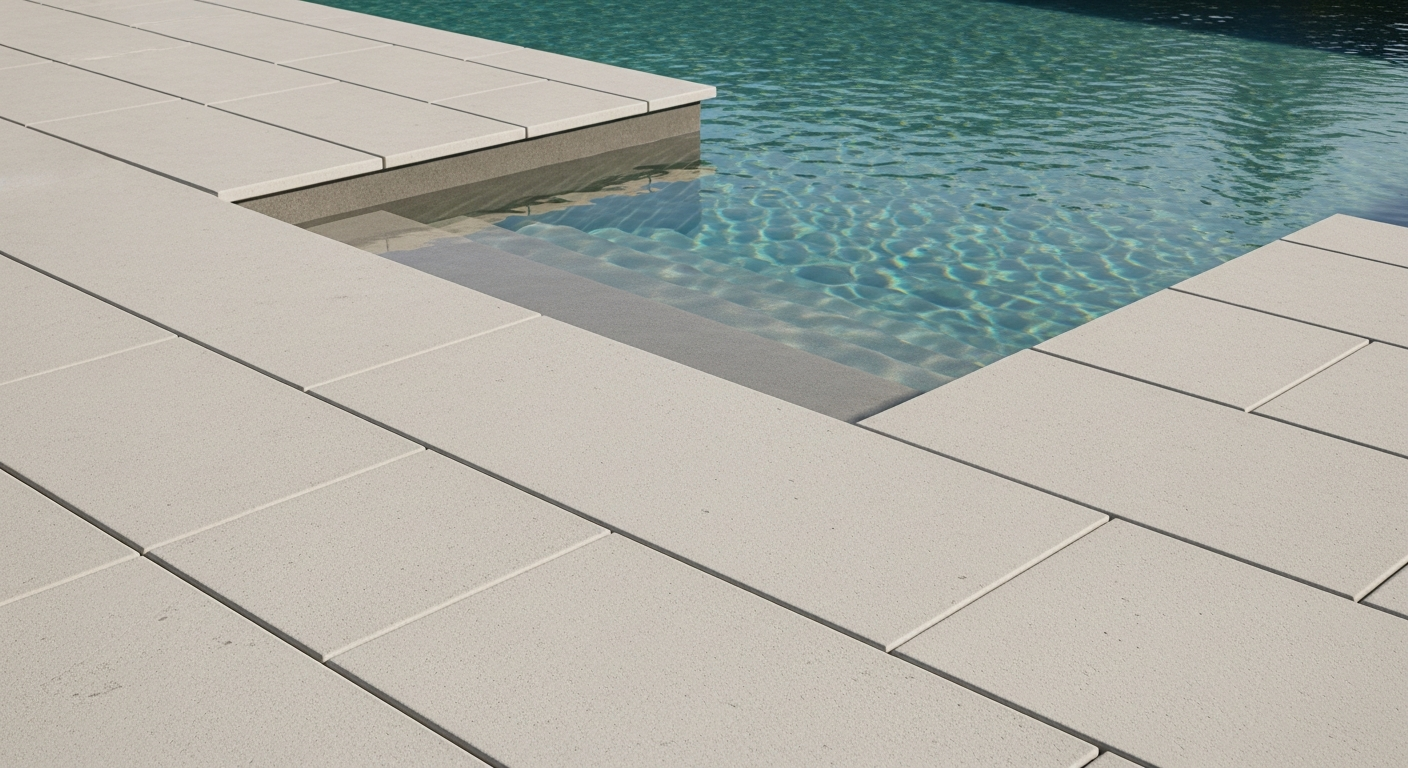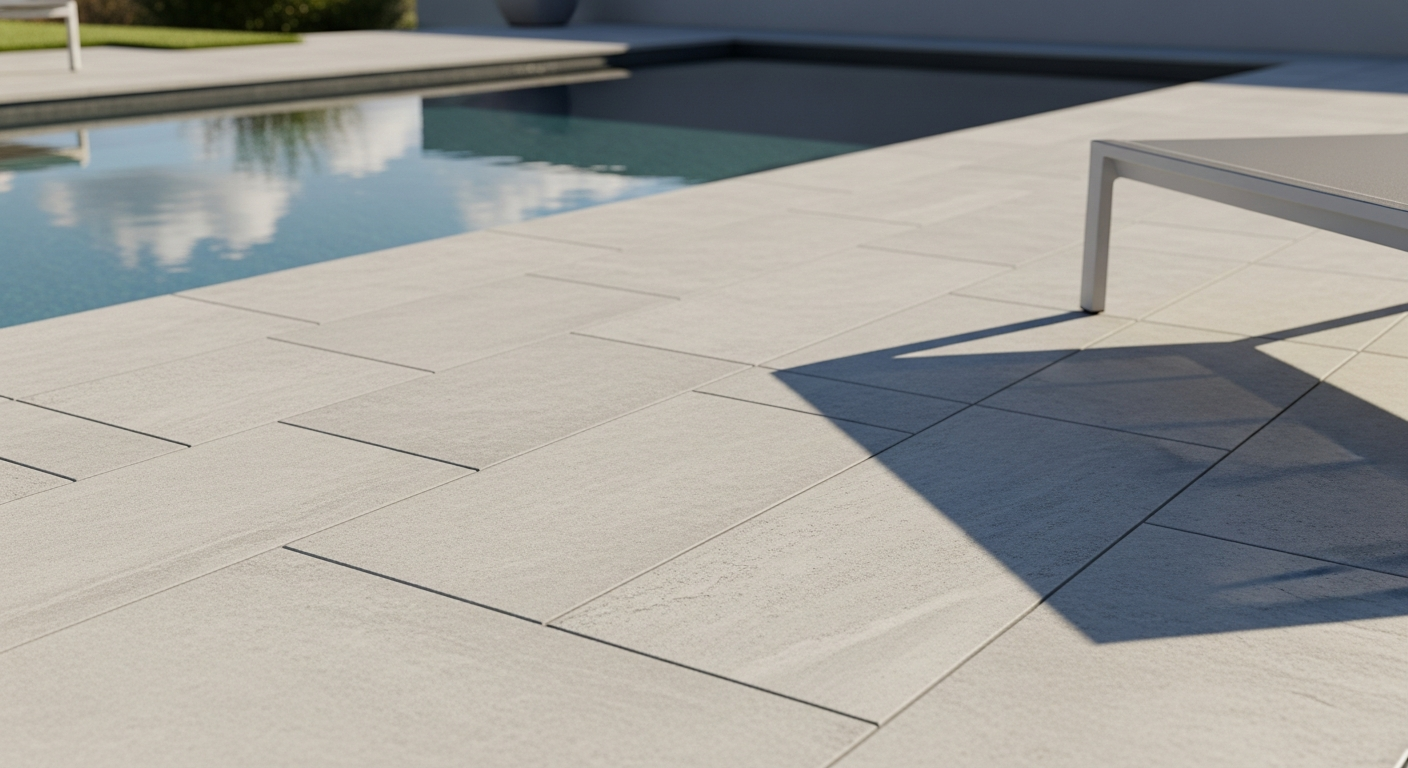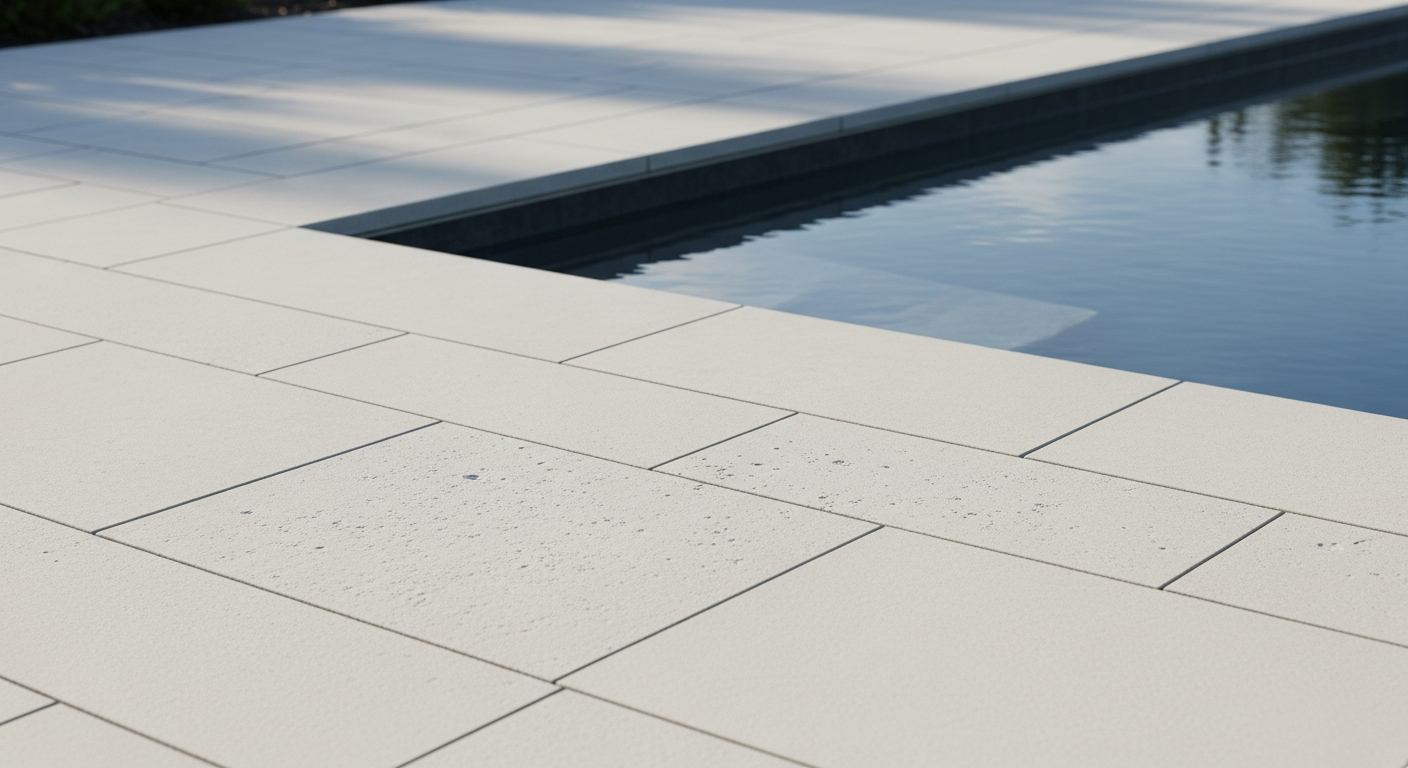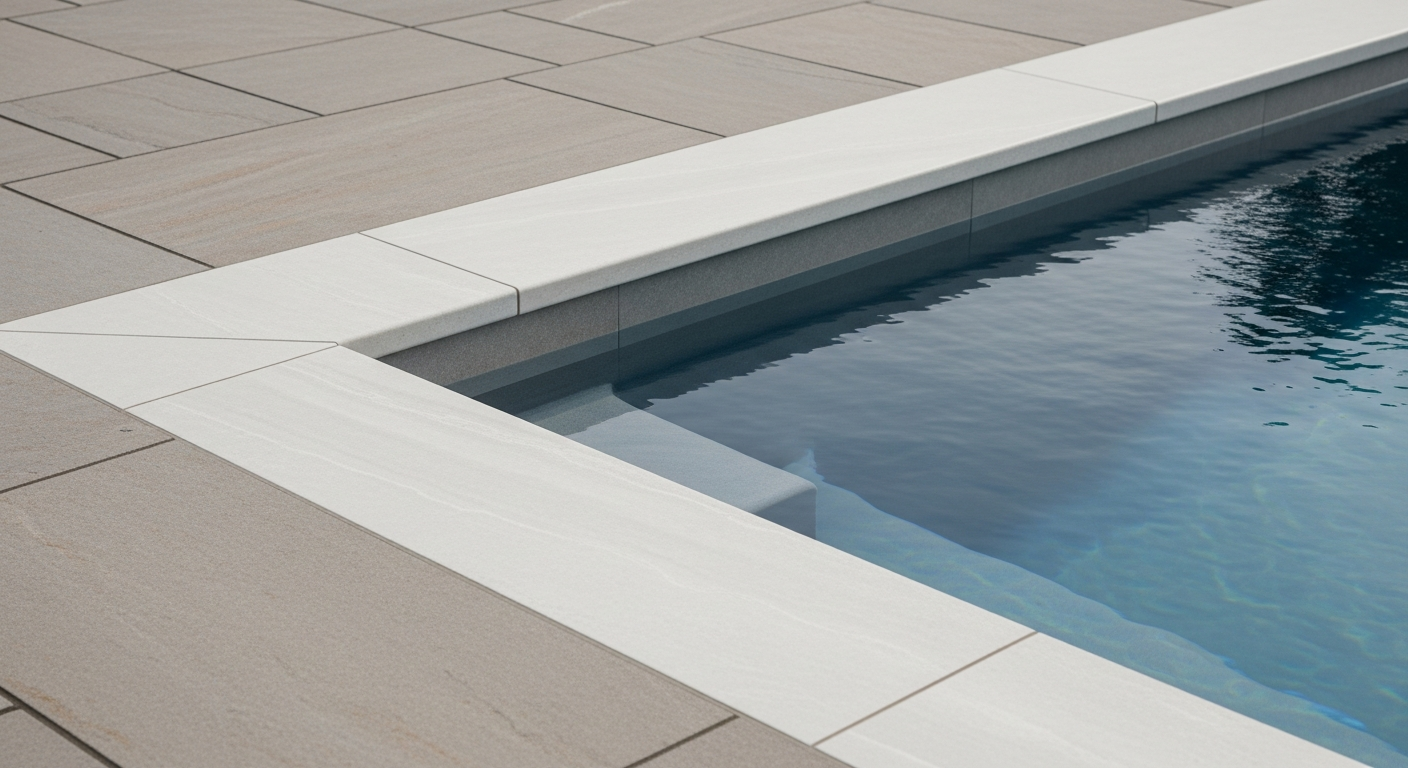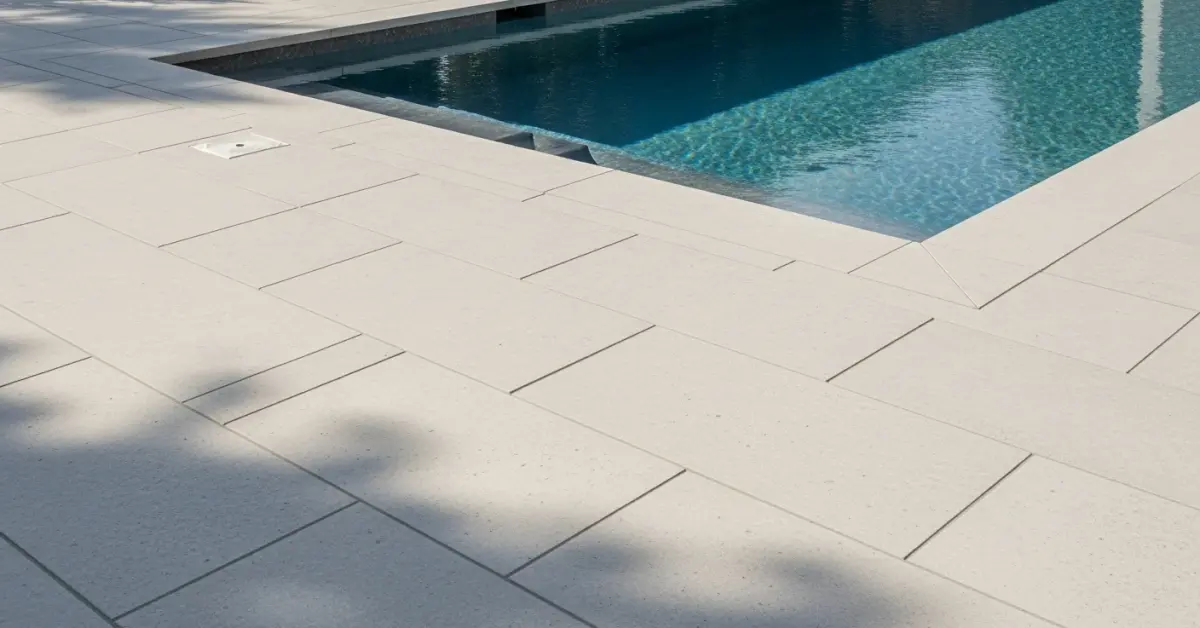
Porcelain Pavers Pool Deck: My Hillsborough County Protocol for a 15-Degree Cooler Surface and Zero Shifting
As a paver specialist who has installed and repaired countless pool decks across Hillsborough County, from the expansive backyards in South Tampa to the newer communities in Riverview, I've developed a non-negotiable protocol. My approach directly combats the two biggest failures I see locally: pavers that become dangerously hot under the Florida sun and installations that shift and buckle due to our sandy soil and torrential rains. This isn't about aesthetics alone; it's about engineering a surface that performs under our specific, demanding climate, resulting in a deck that is tangibly cooler and structurally sound for decades. The common mistake is treating a porcelain paver installation like a traditional brick paver project. This oversight leads to catastrophic failures within 2-3 years. I’ve been called to fix jobs where installers used standard paver base and sand, which is a recipe for disaster in our region. My methodology focuses on a system that manages thermal expansion and hydrostatic pressure, the two primary forces that will destroy a poorly planned pool deck in our climate.My Diagnostic Framework for Hillsborough's Unique Challenges
Before I even consider a paver choice, my analysis begins with the ground itself. The soil composition in Hillsborough County is predominantly sandy and has poor load-bearing capacity. When you combine this with the sheer volume of water from our summer storms, a standard 4-inch crushed concrete base becomes a floating, unstable mess. This is where most installations fail. I identified this pattern after deconstructing a failed pool deck in Carrollwood where the entire surface had developed a "wave" pattern after just one hurricane season. My proprietary approach is called the Thermal-Flex Base System. It's not just a deeper base; it's a multi-layered assembly designed to dissipate heat and manage water. It addresses the paver, the setting bed, and the sub-base as a single integrated unit. Standard methods isolate these components, which is why they fail. My system ensures that the intense heat from the sun doesn't cause buckling and that water drains away from the foundation efficiently, preventing the upward pressure that causes pavers to lift.The Technical Pillars of the Thermal-Flex Base System
The core of my success lies in three non-negotiable technical specifications. First is the sub-base composition. I mandate a minimum 6-inch compacted base of recycled concrete aggregate mixed with fines, laid over a high-grade non-woven geotextile fabric. The fabric is critical; it separates the base from the sandy soil, preventing the base from sinking and the sand from migrating upwards. This alone increases the installation's lifespan by over 50%. Second is the paver selection itself. I never allow a client in Hillsborough County to select a porcelain paver with a Solar Reflectance Index (SRI) below 35. A lower SRI means the paver absorbs more heat, and I have measured surface temperatures exceeding 130°F on improperly chosen dark pavers. A high SRI paver can stay 15-20 degrees cooler. I also mandate a paver with a DCOF (Dynamic Coefficient of Friction) rating of at least 0.45 to ensure it's not dangerously slick when wet. Third is the setting bed and joint compound. Using loose sand is malpractice in this climate. My system uses a 1-inch pedestal-set or a thin-set mortar application directly on a concrete slab for ultimate stability. For joints, I only use a high-quality polymeric sand with advanced polymers that resist washout from pressure washing and heavy rain, preventing weed growth and insect intrusion.Implementation Protocol: A Step-by-Step Breakdown
Executing this system requires precision. Deviating from these steps is not an option, as each one builds upon the last to create a unified, high-performance surface.- Site Excavation and Slope Analysis: I begin by excavating 7-8 inches of soil. Crucially, I use a laser level to establish a precise 1/4-inch per foot slope away from the pool and any structures. Improper drainage is the silent killer of pool decks.
- Geotextile Fabric and Base Compaction: The geotextile fabric is laid down, overlapping by 12 inches at the seams. Then, I lay the 6-inch aggregate base in two separate 3-inch lifts. Each lift is compacted with a plate compactor until it reaches 98% Proctor density. This two-stage compaction is a step many contractors skip, but it’s essential for preventing future settling.
- Edge Restraint Installation: I do not use the flimsy plastic edge restraints that warp in the Florida sun. I insist on a poured concrete bond beam around the entire perimeter of the deck. This creates a rigid frame that locks the entire system in place, making it resistant to shifting during severe weather events.
- Paver Placement and Gapping: Porcelain pavers have extremely tight tolerances. I use 1/8-inch spacers uniformly to allow for thermal expansion and contraction. Placing them too tightly is a common error that causes chipping and buckling as the deck heats and cools.
- Polymeric Sand Application and Activation: The sand is swept into the joints until they are completely full. I then use a plate compactor with a protective pad to vibrate the sand and lock the pavers together. The final step is a very specific, light misting of water to activate the polymers in the sand, creating a firm, durable joint.
Quality Control and Long-Term Performance Tuning
After the installation is complete, my quality control process begins. I conduct a flood test to verify the slope and drainage are functioning perfectly, ensuring no water pools on the surface. I also use an infrared thermometer on a sunny day to verify that the surface temperature is within the expected range for the paver's SRI value. These final checks confirm the system is performing as engineered. A deck installed with this protocol is not just laid; it's calibrated for the Hillsborough County environment. The result is a beautiful, safe, and worry-free surface that stands up to our sun, rain, and humidity year after year. Has your contractor explained how their base preparation method will specifically counteract the hydrostatic pressure common after a Hillsborough County summer thunderstorm?Written by

Tags
pool coping pavers
pool pavers near me
pool deck pavers
pavers pool
porcelain pool deck
Porcelain Pavers Pool Deck in Hillsborough FL FAQ
Are porcelain pavers too hot for bare feet around a pool?
Lighter-colored porcelain pavers stay significantly cooler than natural stone or concrete, but they are not cool to the touch. Their low porosity means they don't retain as much heat as denser materials, making them a superior choice for pool decks in direct sun. The critical factor is color; a dark grey porcelain paver will still become uncomfortably hot. A non-obvious issue is the substrate: a paver set on a concrete slab will feel hotter than one set on a sand or gravel bed because the concrete base acts as a heat sink, storing and radiating warmth upwards.
Will my saltwater pool corrode or stain my new porcelain pavers?
No, porcelain pavers are virtually impervious to salt and common pool chemicals like chlorine, making them ideal for saltwater pool surrounds. Unlike porous natural stone which can suffer from spalling and salt efflorescence, porcelain has an extremely low water absorption rate, preventing chemicals from penetrating and causing damage. However, be aware that metal furniture or tools left on the deck can rust and leave stubborn stains. These are surface deposits, not a failure of the paver, and typically require a specialized acid-based cleaner to remove without damaging the paver's finish.
One of my porcelain pavers is wobbly. How do I fix it without redoing the whole deck?
A single wobbly paver almost always indicates a failure in the base material beneath it, not a fault in the paver itself. This is often caused by water washing away the jointing and bedding sand, creating a void. To fix this, the paver must be carefully lifted using a paver extractor tool. The bedding layer is then screeded level again with fresh sand, and the paver is re-set and compacted. The critical step most people miss is re-installing and activating the polymeric sand in the joints around the repaired paver to lock it in place and prevent future water intrusion.
Are porcelain pavers slippery when wet? They look so smooth.
Reputable porcelain pavers manufactured for outdoor use have a textured, anti-slip finish and are rated to meet safety standards. Look for a product with a high Dynamic Coefficient of Friction (DCOF) rating, typically above 0.42, which certifies its suitability for wet areas like pool decks. The non-obvious danger isn't the paver itself, but the buildup of organic material. A film of algae or biofilm can grow on any surface, making it extremely slick. Regular cleaning, not just the paver's inherent texture, is the key to maintaining a safe, slip-resistant surface year-round.
Can I pressure wash my porcelain paver deck to clean it?
Yes, you can pressure wash porcelain pavers, but the technique is critical to avoid damaging the joints. Use a fan-tip nozzle, never a pinpoint jet, and keep the pressure below 1,500 PSI. The biggest mistake is directing the spray at a sharp angle into the joints, as this will blast out the polymeric sand that locks the pavers together and prevents weeds. This sand is the structural glue of the system. Always spray at a shallow, sweeping angle across the surface to clean the paver face without compromising the integrity of the joints.
What's that white, chalky film on some of my darker porcelain pavers?
That white film is likely efflorescence, which is the migration of natural salts from the setting bed or concrete slab beneath the pavers. While porcelain itself is non-porous and does not produce efflorescence, moisture can travel up through the joints, evaporate, and leave these salt deposits on the paver surface. It is a cosmetic issue, not a structural one. A key insight is that this problem is often worse with a mortar-set installation over a concrete slab. It can usually be cleaned with specialized efflorescence removers, but addressing the underlying moisture source is the only permanent solution.