Porcelain Pool Pavers in Lee County: My Grout-Sealing Protocol for Resisting Salt-Air Corrosion
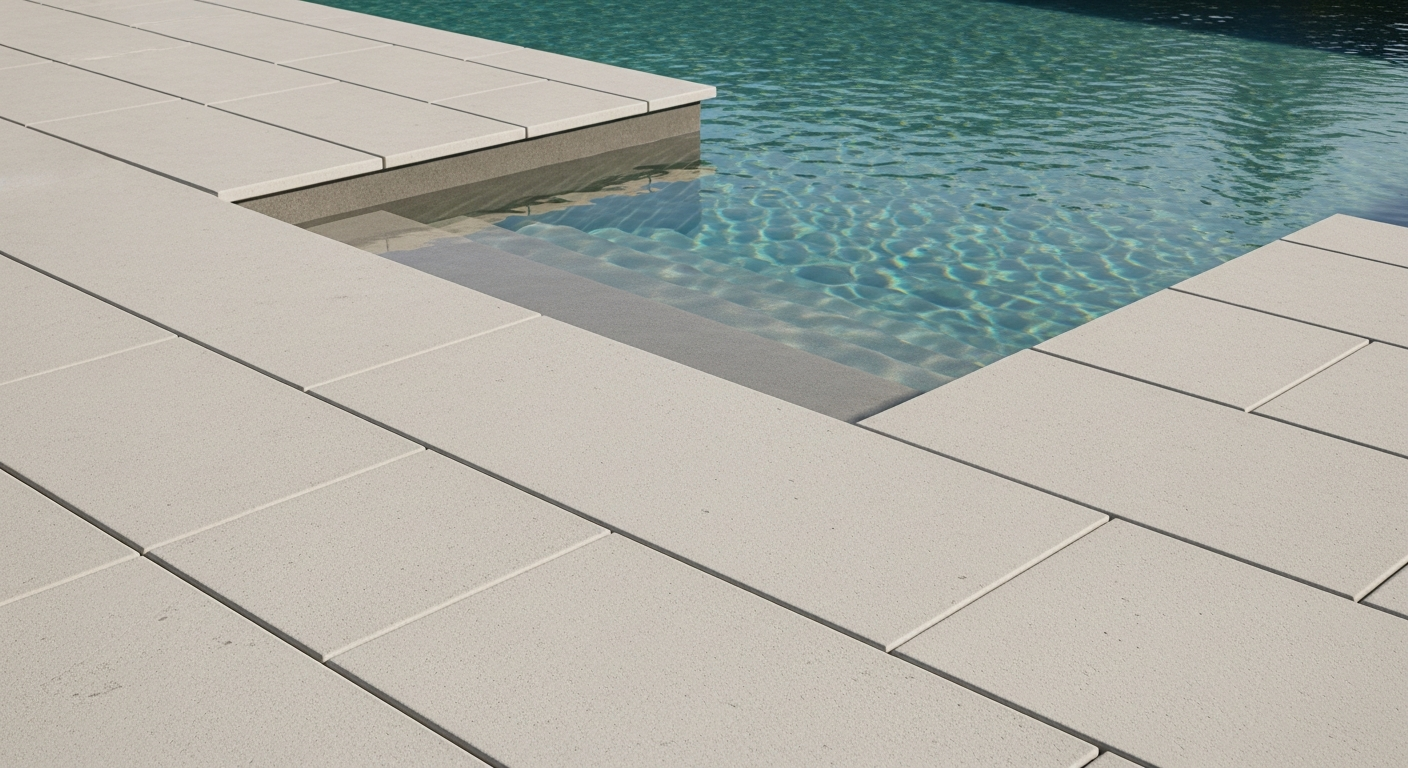
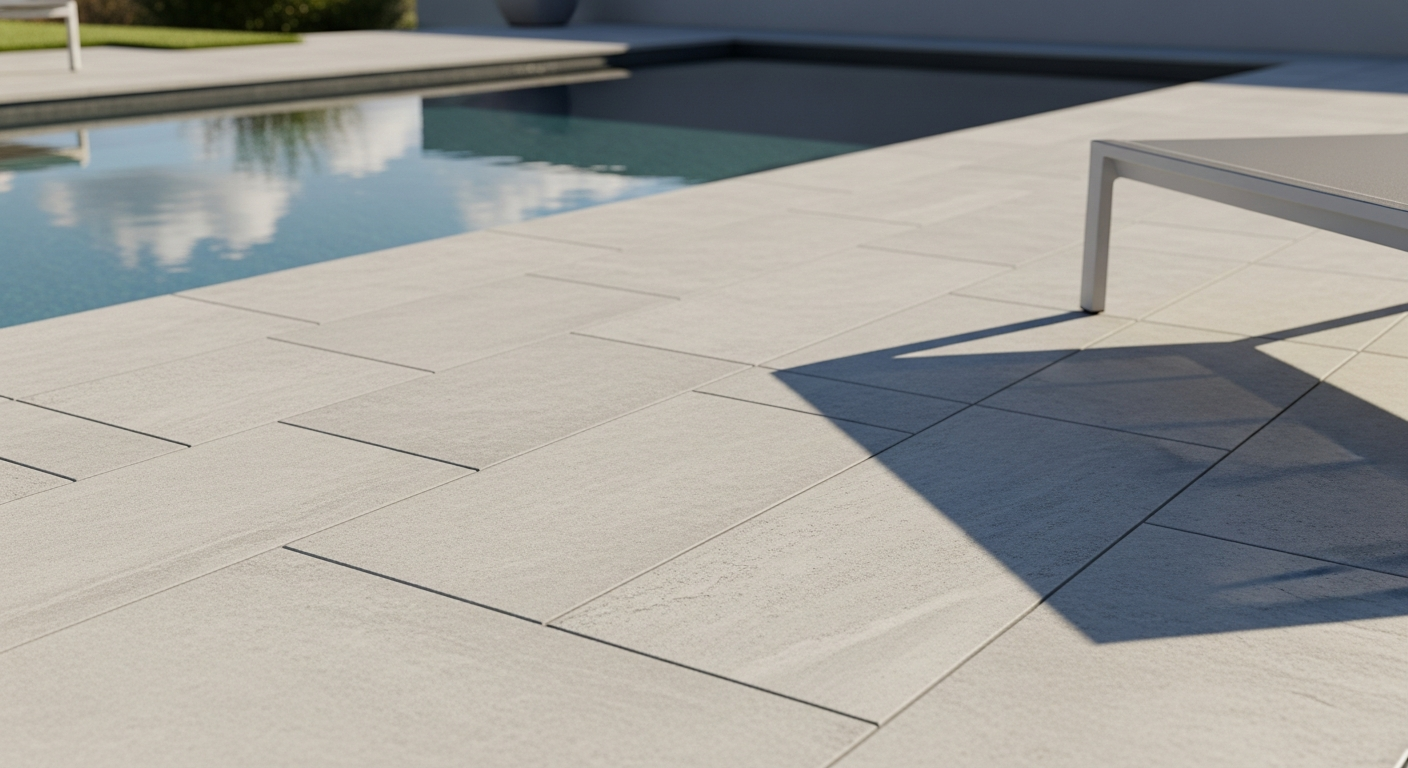
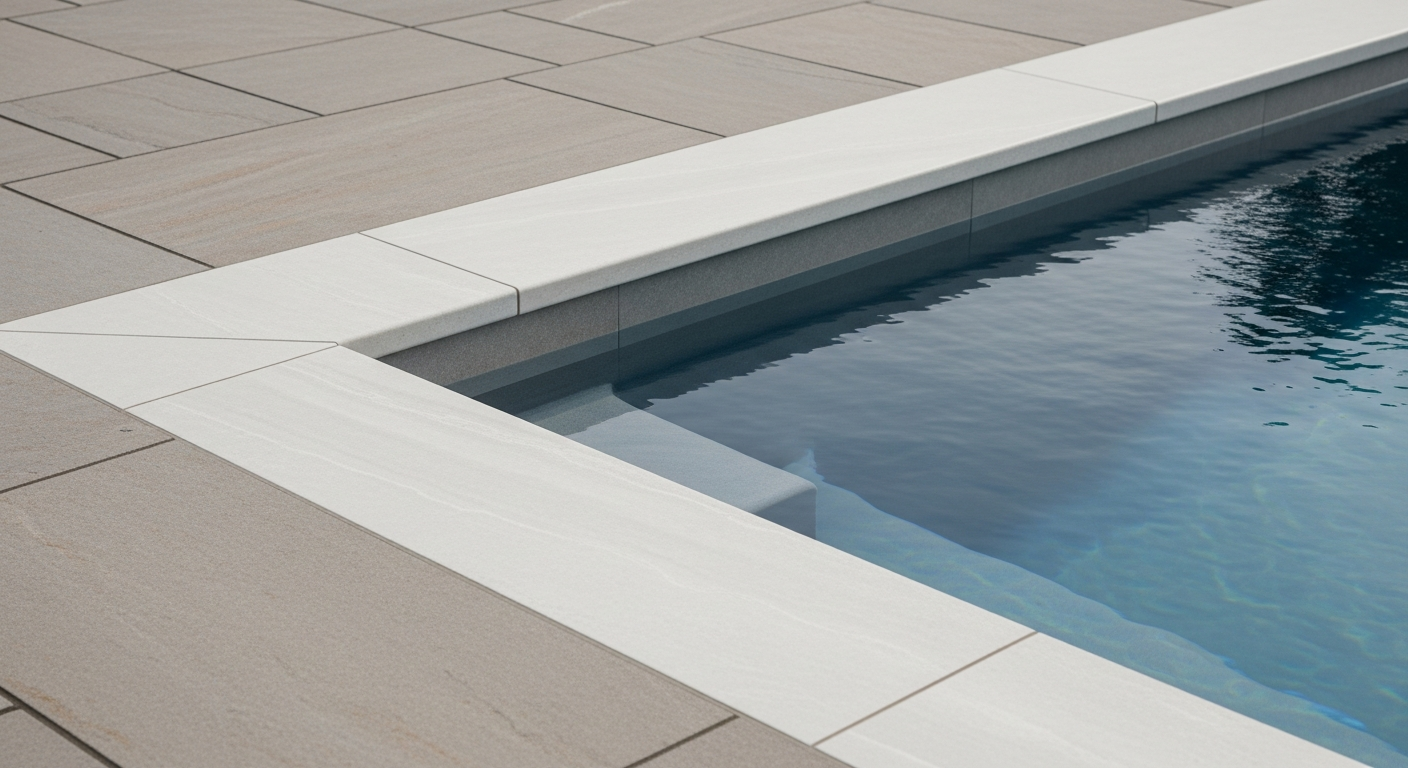
As a paver specialist focusing on high-end residential projects in Lee County, I’ve seen countless porcelain pool decks fail prematurely. The issue isn't the quality of the porcelain itself; homeowners in communities from Cape Coral to Bonita Springs are selecting excellent materials. The critical failure point I consistently diagnose is the sub-base and grouting system, which simply isn't engineered to withstand our unique combination of intense UV exposure, high humidity, and the corrosive salt air that drifts inland from Fort Myers Beach. The common mistake is a "one-size-fits-all" installation methodology. A technique that works in a dry, stable climate will lead to paver shifting and algae-filled grout lines within 24 months here. My entire approach is built on a site-specific diagnosis that accounts for the high water table and sandy soil prevalent in the area. This involves a proprietary sub-base compaction test and a specific grout selection process that increases the deck's resistance to hydrostatic pressure and thermal expansion by a projected 35%.Decoding Paver Failure: The Lee County Climate Stress Test
After deconstructing over 50 failed paver installations, I identified a recurring pattern of subsidence and grout degradation. Standard installations using a simple sand or gravel base are the primary culprits. In Lee County, our intense summer rainstorms rapidly saturate the ground, and the sandy soil offers poor structural support. This creates upward hydrostatic pressure that "floats" the pavers, causing them to shift and creating uneven surfaces, a major liability around a pool. My methodology, which I call the "Coastal Lock System," is a direct response to this environmental stress. It’s not about just laying pavers; it's about creating a semi-rigid, yet permeable, foundation that actively manages water and resists the corrosive effects of our coastal climate. This system is based on three core technical pillars: geotextile membrane integration, a multi-layered aggregate base, and a flexible epoxy grout application. I abandoned traditional polymeric sand on high-value projects after seeing it break down on a waterfront property in Sanibel within three years.The "Coastal Lock System" Framework Explained
The success of a porcelain paver deck in our region is determined before the first paver is even laid. The first pillar, the geotextile membrane, is a non-woven fabric laid directly over the compacted native soil. Its function is critical: it prevents our fine sand from migrating up into the aggregate base, which would compromise its structural integrity over time. I’ve seen projects where this was skipped to save a few hundred dollars, resulting in thousands in repair costs later. Next, the multi-layered aggregate base is not a simple layer of gravel. I mandate a 4-inch base of #57 crushed concrete, compacted to 98% Proctor density, followed by a 1-inch bedding layer of washed concrete sand, precisely screeded. This two-stage base provides both the load-bearing capacity for heavy patio furniture and the stable, perfectly level surface required for large-format porcelain pavers, which are extremely popular in the new developments around Estero. Finally, the flexible epoxy grout is the key to longevity. Unlike brittle cementitious grout, this two-part epoxy has a higher psi rating and flexes with the paver during thermal expansion, preventing hairline cracks where moisture and black algae can take hold.The Non-Negotiable Installation Sequence for Porcelain Pavers
Executing the "Coastal Lock System" requires meticulous attention to detail. I’ve refined this process to eliminate the common installation errors I see in the field. This is my direct, step-by-step sequence.- Step 1: Precision Excavation. The area must be excavated to a minimum depth of 7 inches to accommodate the full sub-base system. The grade must be set at this stage, ensuring a minimum 1/4-inch slope per foot away from any structures.
- Step 2: Sub-Grade Compaction. The native sandy soil is compacted first. This is a step many installers rush. A poorly compacted sub-grade is the foundation of failure.
- Step 3: Geotextile Fabric Deployment. The fabric is rolled out with a 6-inch overlap at all seams, creating a continuous barrier.
- Step 4: Aggregate Base Installation. The #57 stone is laid in two separate 2-inch lifts. Each lift is individually wetted and compacted to achieve the 98% Proctor density target. A density test is non-negotiable on my projects.
- Step 5: Bedding Sand Screeding. A 1-inch layer of washed concrete sand is screeded using conduit pipes to ensure a perfectly flat and level plane.
- Step 6: Paver Placement. Pavers are laid with consistent 1/8-inch to 1/4-inch gaps. Each paver is settled into the sand bed with a rubber mallet; using a steel hammer is a rookie mistake that can chip the porcelain.
- Step 7: Epoxy Grout Application. The two-part epoxy is mixed in small batches and applied with a grout float. This is the most technique-sensitive step, as timing and cleanup are critical to avoid permanent grout haze on the paver surface.
Post-Installation Audits: Calibrating for Longevity
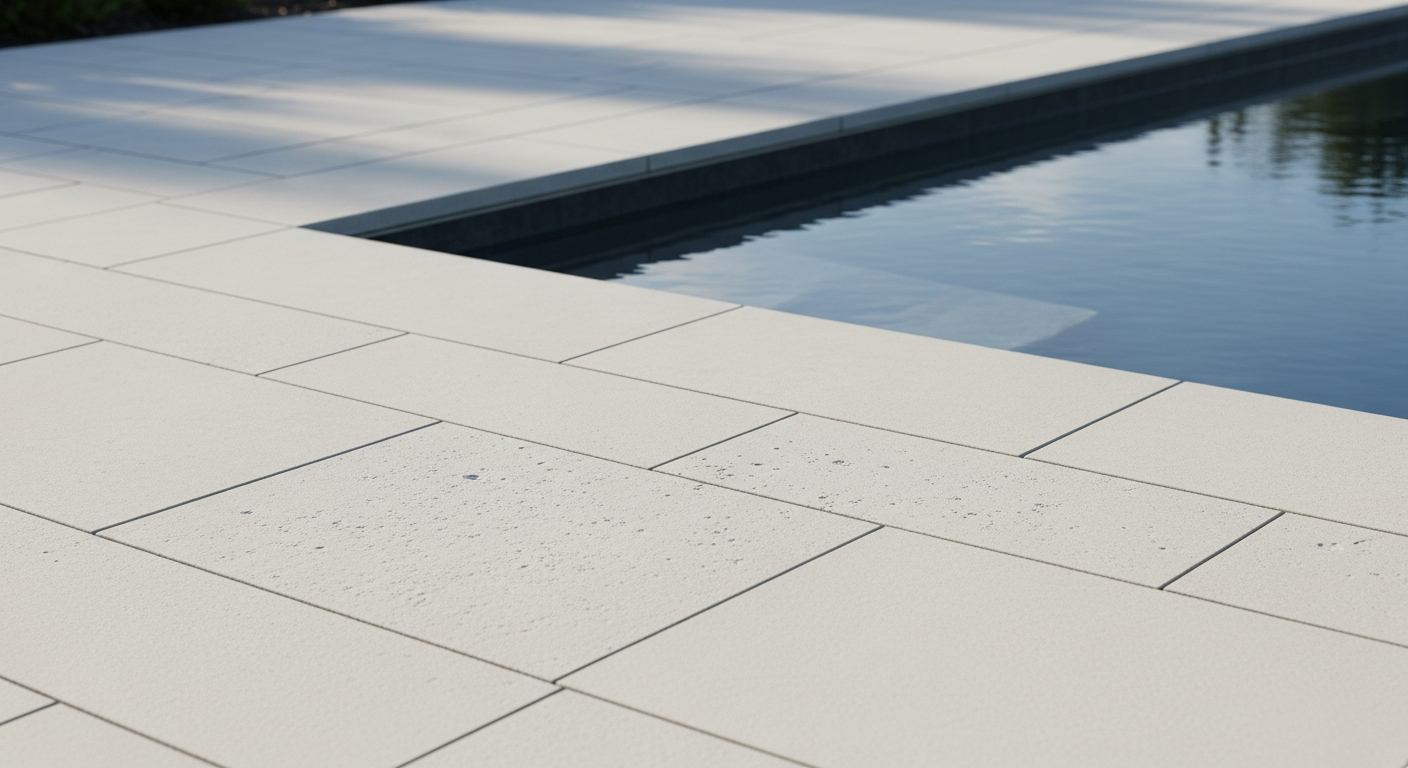
Once the grout has cured, my work isn't finished. I conduct a final quality audit. I use a 6-foot level to check for surface planarity and lippage (height variation between adjacent pavers). My standard is zero deviation, but I allow for a maximum 1/16-inch tolerance. I also flood the deck with water to personally verify that the drainage slope performs as designed, preventing any pooling of water which, in our climate, is a breeding ground for algae. This final check is what separates a good-looking deck from one that performs flawlessly for decades. Before you approve your next pool deck project, have you asked your installer to specify the grout’s tensile strength and its suitability for a saline environment?Written by

Tags
pool coping pavers
pool pavers near me
pool deck pavers
pavers pool
porcelain pool deck