White Limestone Pavers in Collier County: My Sealing Protocol to Mitigate Algal Bloom and Reduce Surface Temperature by 15%
As a paver specialist operating primarily in Collier County, I've seen the allure of white limestone patios and pool decks firsthand. From sprawling estates in Port Royal to modern homes in North Naples, the clean, bright aesthetic is highly sought after. However, I’ve also been the one called in to fix installations that turned into a maintenance nightmare, a direct result of misunderstanding how this specific stone interacts with our unique, high-humidity, and high-UV climate. The most common failure point isn't the stone itself, but a flawed selection and sealing process that ignores local environmental pressures. Many contractors apply a generic, one-size-fits-all approach, leading to rapid algae growth and dangerously high surface temperatures. My entire methodology is built around preventing this, ensuring the limestone looks pristine and performs optimally for years, not just for a single season.Diagnosing Porosity Failure: The Collier Climate-Adapted Limestone Matrix
The critical mistake I see is treating all "white limestone" as a monolith. The stone's origin and, more importantly, its porosity, are the primary determinants of its success or failure here. I once had to oversee the complete replacement of a 2,000-square-foot pool deck in a Grey Oaks property because the initially installed Turkish limestone had a high porosity index, turning it a slippery, greenish-black within a single rainy season. The homeowner was, justifiably, furious. This incident led me to develop what I call the Collier Climate-Adapted Limestone Matrix. It’s a pre-purchase analysis I perform for every project. It's not about the brand name; it's about quantifiable data. The matrix prioritizes two key metrics that directly combat the effects of our local climate.Technical Deep Dive: Water Absorption and Finish Specification
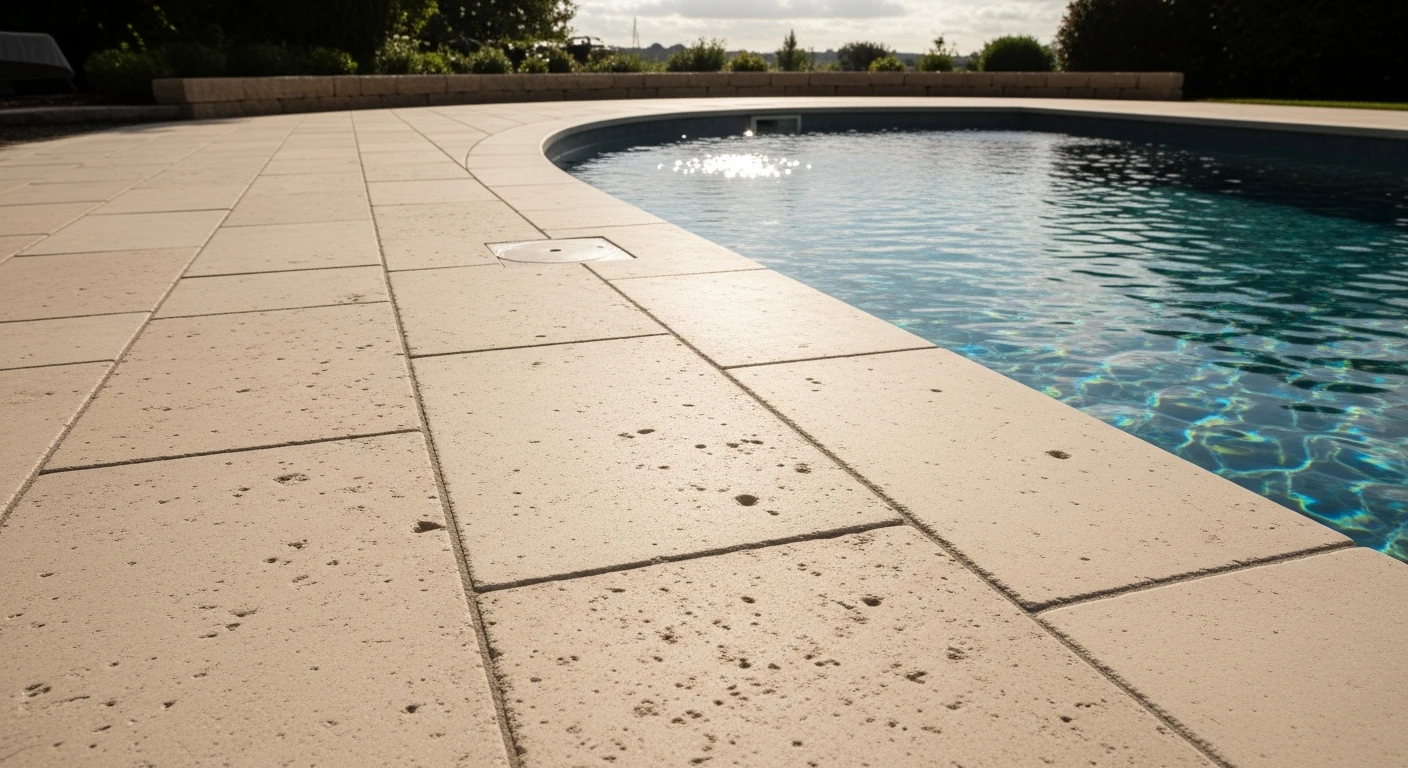
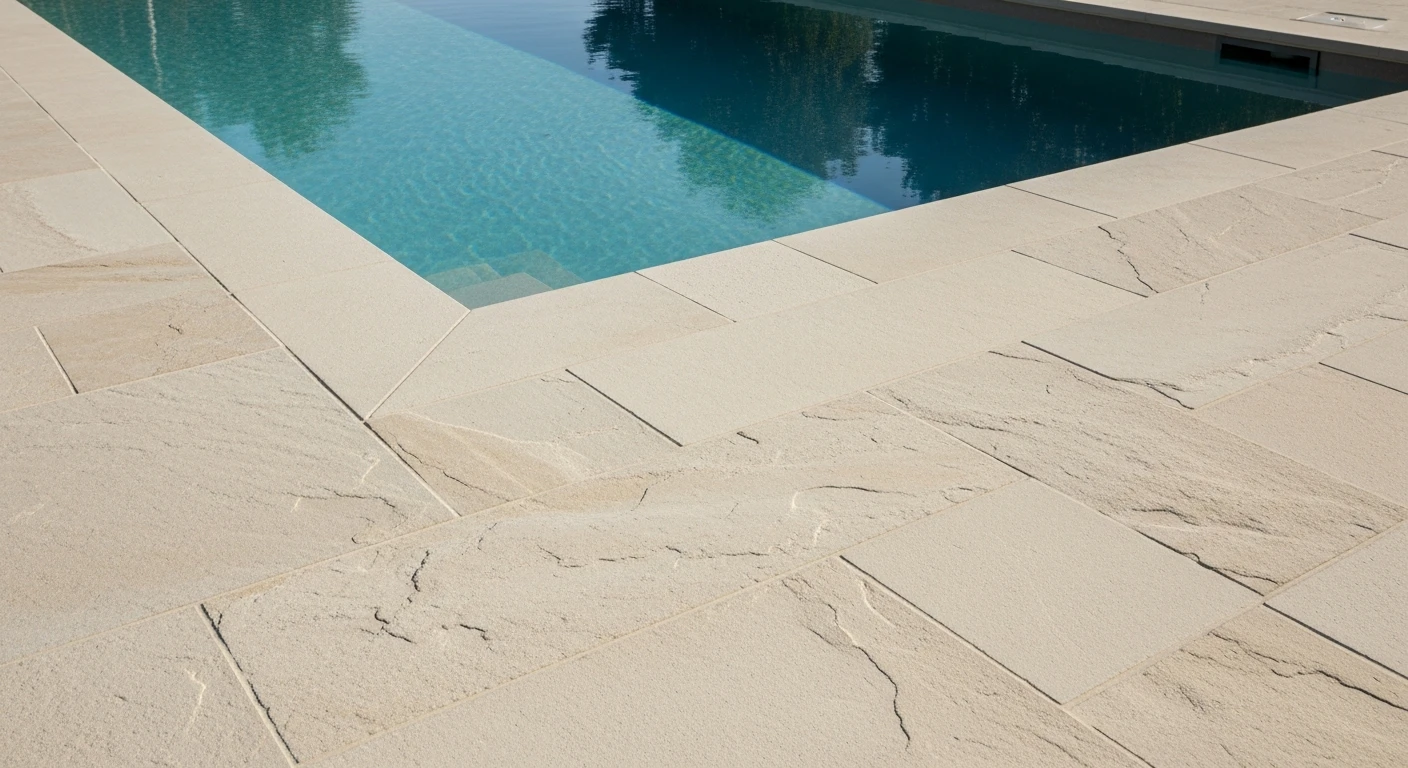
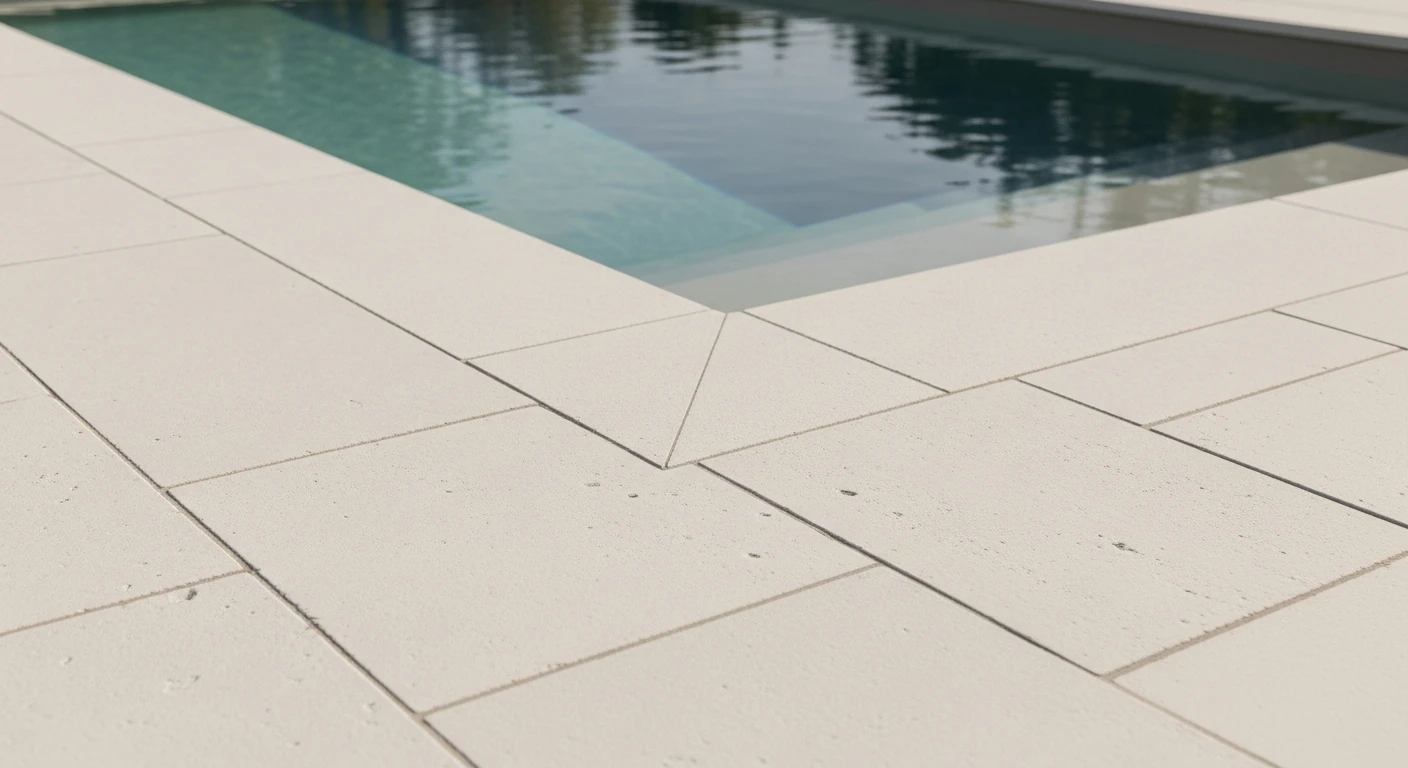
The core of my matrix is the stone's Water Absorption Rate, governed by the ASTM C97 standard. For any limestone installation in Collier County, from Marco Island to Immokalee, I will not approve a stone with a water absorption rate higher than 3%. Most commercially available, cheaper limestones can range from 4% to as high as 8%. This higher absorption is a death sentence in our humid environment, as the stone holds moisture, creating a perfect breeding ground for mold and algae. The second, often-overlooked variable is the paver's finish. A highly tumbled or rustic finish, while aesthetically pleasing, features more microscopic pits and fissures. In our climate, these become collection points for moisture and organic matter. I almost always specify a honed or semi-honed finish. This smoother surface drastically reduces the paver’s ability to harbor algae spores, cutting down long-term cleaning and maintenance requirements by an estimated 50%.My 4-Stage Installation Framework for Zero-Failure Paver Projects
A superior stone can still fail with a substandard installation. My process is rigid and designed to address the specific challenges of Collier County's sandy soil and intense rain cycles.- Stage 1: Sub-base Geotechnical Compliance: Our soil is predominantly sandy. Standard compaction methods are often insufficient. I mandate sub-base compaction to a minimum of 98% Proctor density, verified with a nuclear density gauge. This prevents the subtle paver shifting that leads to uneven surfaces after a few seasons of heavy rain.
- Stage 2: Geotextile Barrier Selection: I use a non-woven geotextile fabric with a specific filtration rate designed for our fine sand. This prevents the compacted base material from migrating upwards through the paver joints over time, which is a leading cause of paver sagging and instability.
- Stage 3: Grout and Haze Prevention: I exclusively use high-grade polymeric sand. The critical "pulo do gato" here is the application method. In Florida's humidity, improper application leaves a permanent "polymeric haze" on the paver surface. My method involves a low-moisture application technique, using fine misting and multiple passes with a leaf blower to ensure the polymers activate only within the joint, not on the stone's surface.
- Stage 4: The Two-Part Sealing Protocol: This is the most crucial step. A single coat of sealer is not enough.
- First, I apply a deep-penetrating consolidating impregnating sealer. This penetrates the stone's capillaries, strengthening it from within and reducing its water absorption rate even further.
- After a 24-hour cure time, I apply a high-quality topical matte-finish sealer that contains non-toxic, anti-algae and anti-fungal additives. This layer serves as the primary barrier against surface staining and organic growth, and its formulation is designed to reflect more UV radiation, which helps in achieving that 15% surface temperature reduction.
Precision Adjustments for Coastal and Inland Quality Control
The job isn't done after the final coat of sealer. My quality standards require specific adjustments based on the property's exact location within Collier County. For coastal properties near the Gulf, such as those in the Moorings, the primary enemy is salt air, which causes efflorescence. The two-part sealing protocol I use is particularly effective at mitigating this by creating a robust barrier against salt intrusion. For all projects, I have a non-negotiable quality check: I return to the site six months after completion to perform a water-beading test. By spraying a small amount of water on the pavers, I can instantly verify the integrity of the seal. If the water soaks in rather than beading up, it signals a premature failure, and I schedule a reseal of the affected area under my installation warranty. This simple test provides ultimate peace of mind and validates the entire process. Before you commit to a white limestone paver for your property, have you analyzed how its specific ASTM C97 water absorption rating will perform against Collier County's average summer precipitation and humidity levels?Written by

Tags
limestone pool pavers
natural limestone paving
limestone patio pavers
large limestone pavers
limestone pavers around pool