Custom Inground Pools Collier County: My Framework for a 30-Year Lifespan Shell
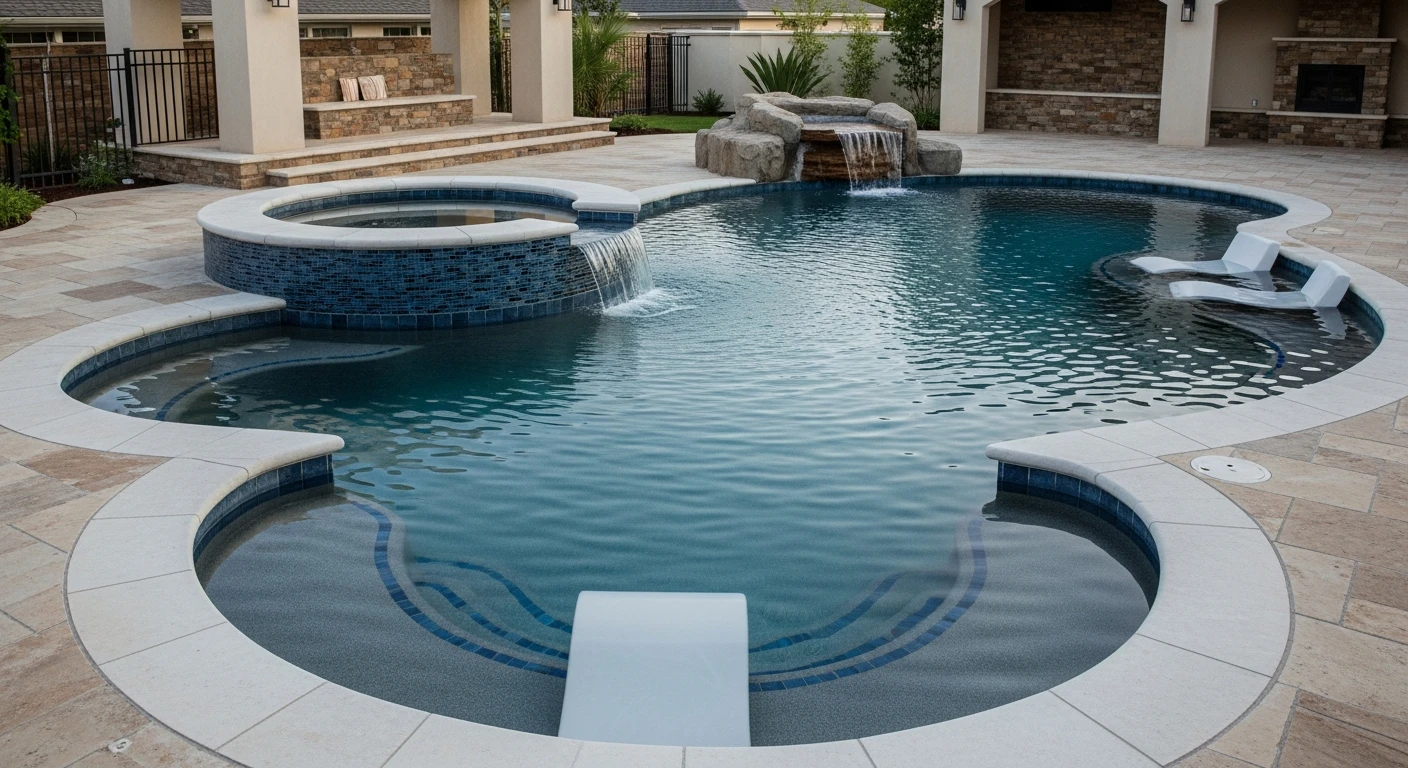
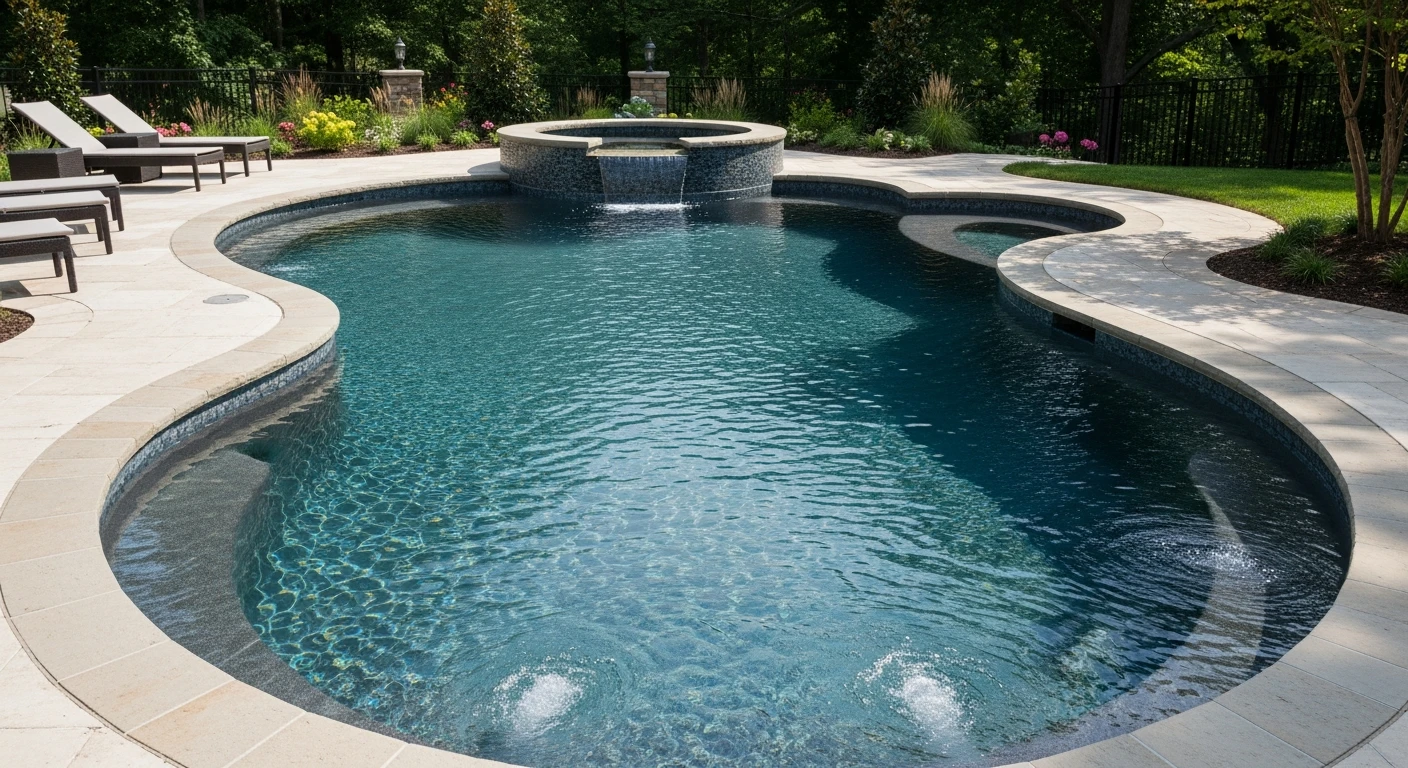
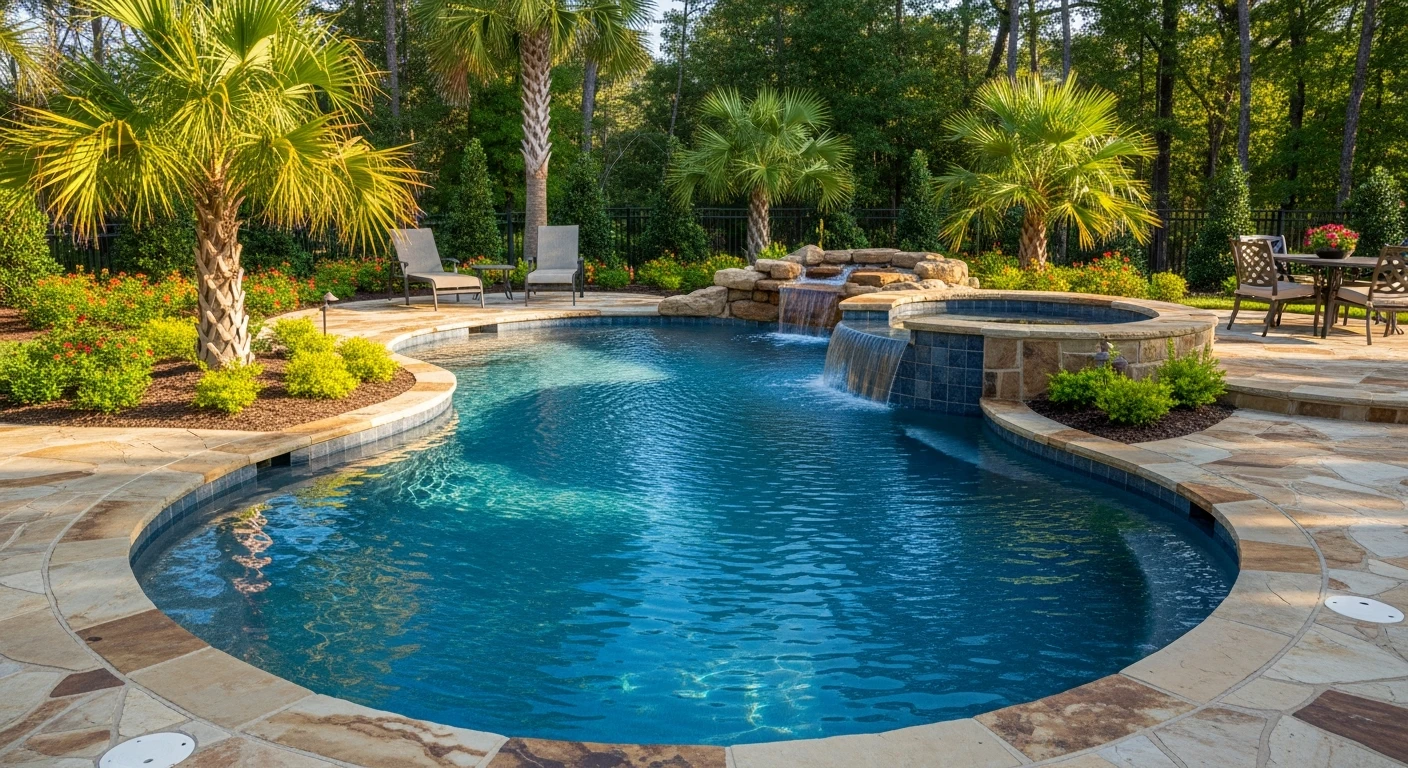
A custom inground pool in Collier County isn't just an amenity; it's the centerpiece of your property. Yet, I've seen countless projects, especially in waterfront areas like Naples and Marco Island, develop structural issues within 7-10 years. The common diagnosis is "ground settlement," but that's a symptom, not the cause. The real failure lies in a one-size-fits-all approach that ignores our unique geotechnical and climatic stressors. My entire methodology is built on a single principle: engineering the pool shell to counteract the specific forces at play in our local environment. This isn't about over-engineering; it's about precision engineering. It’s the difference between a pool that merely holds water and one that maintains its structural integrity and value for decades. I've refined this process after correcting costly failures on large estate properties where the initial builder overlooked critical soil and water table data.The Collier County Pool Stress Test: My Pre-Construction Audit
Before a single shovel hits the ground, I perform what I call the Geotechnical Stability Index (GSI) assessment. This isn't a standard soil test. It's a proprietary analysis I developed to quantify the three primary risks to any pool shell in this region: soil composition, hydrostatic pressure, and corrosive elements. I’ve seen projects in Golden Gate Estates, with their high water tables and sandy soil, fail spectacularly because the builder used the same specs they would in a more stable inland location. The GSI prevents this by creating a unique engineering blueprint for each site.Decoding the GSI: Soil Compaction, Hydrostatic Pressure, and Rebar Selection
The GSI score directly dictates three critical construction variables. First is soil compaction and sub-base preparation. Our sandy, porous soil requires more than a simple tamp. My protocol demands mechanical compaction to achieve a minimum of 95% modified Proctor density, followed by a 6-inch engineered gravel base to facilitate drainage and dissipate pressure points. Second is mitigating hydrostatic pressure. The upward force from groundwater during our rainy season can literally "float" an improperly designed pool. My design always incorporates a commercial-grade hydrostatic relief valve and a perimeter French drain system tied directly into the property’s stormwater management. Third, and most critical for coastal properties, is rebar selection. Standard steel rebar will inevitably corrode from saltwater spray and high humidity. For any property east of US-41, I mandate the use of #4 epoxy-coated or fiberglass rebar to completely eliminate the risk of "rebar cancer," which causes concrete spalling and catastrophic failure.From Blueprint to Waterline: The Phased Execution Protocol
Once the GSI dictates the engineering requirements, execution becomes a matter of strict adherence to my phased protocol. Every step has a non-negotiable quality checkpoint that I personally verify. This methodical approach eliminates the common shortcuts that lead to long-term problems.- Phase 1: Excavation & De-watering. We don't just dig a hole. We establish a de-watering plan to keep the site bone-dry throughout the build, preventing soil saturation that compromises the foundation.
- Phase 2: Structural Steel & Plumbing. The rebar cage is tied to GSI specifications, not a generic template. All plumbing lines are pressure-tested to 35 PSI for 24 hours before any concrete is applied. I discovered a pinhole leak on a Port Royal project this way, saving the client an estimated $50,000 in future demolition and repair.
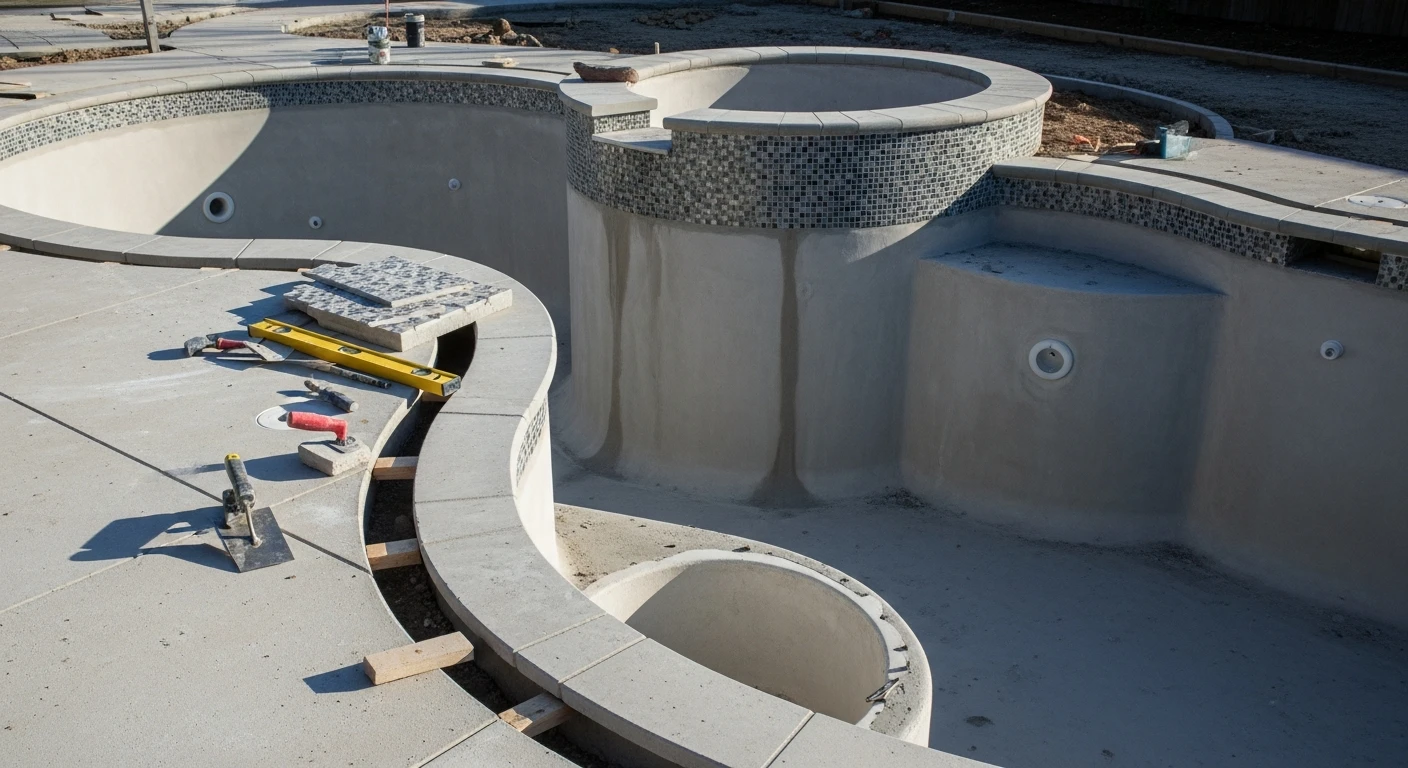
- Phase 3: Shotcrete Application. The shell is applied monolithically to a minimum thickness of 12 inches at stress points. I insist on a low-velocity application to minimize rebound and ensure a dense, void-free structure with a target compressive strength of 4,500 PSI.
- Phase 4: Curing & Waterproofing. The shell is wet-cured for a minimum of 14 days, a step many builders rush. This process is critical for achieving maximum concrete hardness. Following the cure, a two-part cementitious waterproofing membrane is applied.
- Phase 5: Interior Finish. Whether it's plaster, pebble, or tile, the finish is only as good as the shell beneath it. The integrity achieved in the previous phases ensures a finish that won't delaminate or crack.
Post-Cure QA: The Non-Negotiable Checks I Perform
The job isn't finished when the pool is filled. My final quality assurance involves checks that most builders skip. I analyze the shotcrete rebound material to ensure consistency, and I review the 28-day cylinder break test results from the concrete supplier to confirm it meets or exceeds the specified PSI. This data-driven verification is my proof of a correctly built structure. It’s the final step in ensuring the pool can handle everything from a summer downpour to the long-term effects of our challenging Collier County environment. Has your current pool proposal specified the rebar grade and shotcrete PSI rating needed to counteract Collier County's specific soil salinity and hydrostatic lift?Written by

Tags
custom inground hot tubs
custom inground pools
custom swimming pool cost
custom inground swimming pools
Custom Inground Pools in Collier FL FAQ
What is the difference between an inground pool and an above-ground pool?
Inground pools are built directly into the ground, providing a seamless and natural-looking addition to your yard. Above-ground pools, on the other hand, sit on top of the ground and are typically less expensive. Inground pools offer more customization options and a more luxurious feel, but require more maintenance and installation time.
How long does it take to install an inground pool?
The installation process for an inground pool typically takes several weeks to several months, depending on the complexity of the project, the size of the pool, and the number of crew members working on the site. Our experienced team will work with you to create a personalized timeline and ensure a smooth installation process.
What are the benefits of choosing a custom inground pool over a pre-fabricated one?
Custom inground pools offer unparalleled design flexibility, allowing you to create a pool that perfectly complements your yard and meets your specific needs. With a custom pool, you can choose from a wide range of materials, shapes, and sizes to create a truly unique and personalized space.
How do I maintain my inground pool?
Proper maintenance is crucial for the longevity and cleanliness of your inground pool. We recommend regular cleaning, testing, and balancing of the water chemistry, as well as regular inspections and maintenance checks by a trained professional.
Can I install an inground pool in a sloping yard?
Yes, it is possible to install an inground pool in a sloping yard. Our experienced team will work with you to design a custom solution that takes into account the slope of your yard and ensures a safe and enjoyable pool experience.
What are the costs associated with installing an inground pool?
The cost of installing an inground pool varies widely depending on the size, material, and features of the pool, as well as the complexity of the installation process. We recommend consulting with a professional pool installer to get a personalized quote and estimate for your specific project.
Can I use my inground pool year-round?
Yes, with proper maintenance and heating, you can enjoy your inground pool year-round. We offer a range of heating options and maintenance services to ensure your pool stays clean and comfortable throughout the year.
Are inground pools safe for children and pets?
Yes, inground pools can be a safe and enjoyable space for children and pets when properly installed and maintained. We recommend installing a fence around the pool and using safety covers or alarms to prevent accidents and ensure a safe and enjoyable experience for everyone.
Can I customize the design and features of my inground pool?
Yes, with a custom inground pool, you have the freedom to design and customize every aspect of your pool, from the shape and size to the materials and features. Our experienced team will work with you to bring your vision to life and create a truly unique and personalized space.
What is the typical lifespan of an inground pool?
With proper maintenance and care, an inground pool can last for decades. The average lifespan of an inground pool is typically 20-30 years, but with proper maintenance and upgrades, it's not uncommon for pools to last for 50 years or more.