Custom Inground Pools Osceola County: A Design Protocol to Mitigate Algae Bloom by 70%
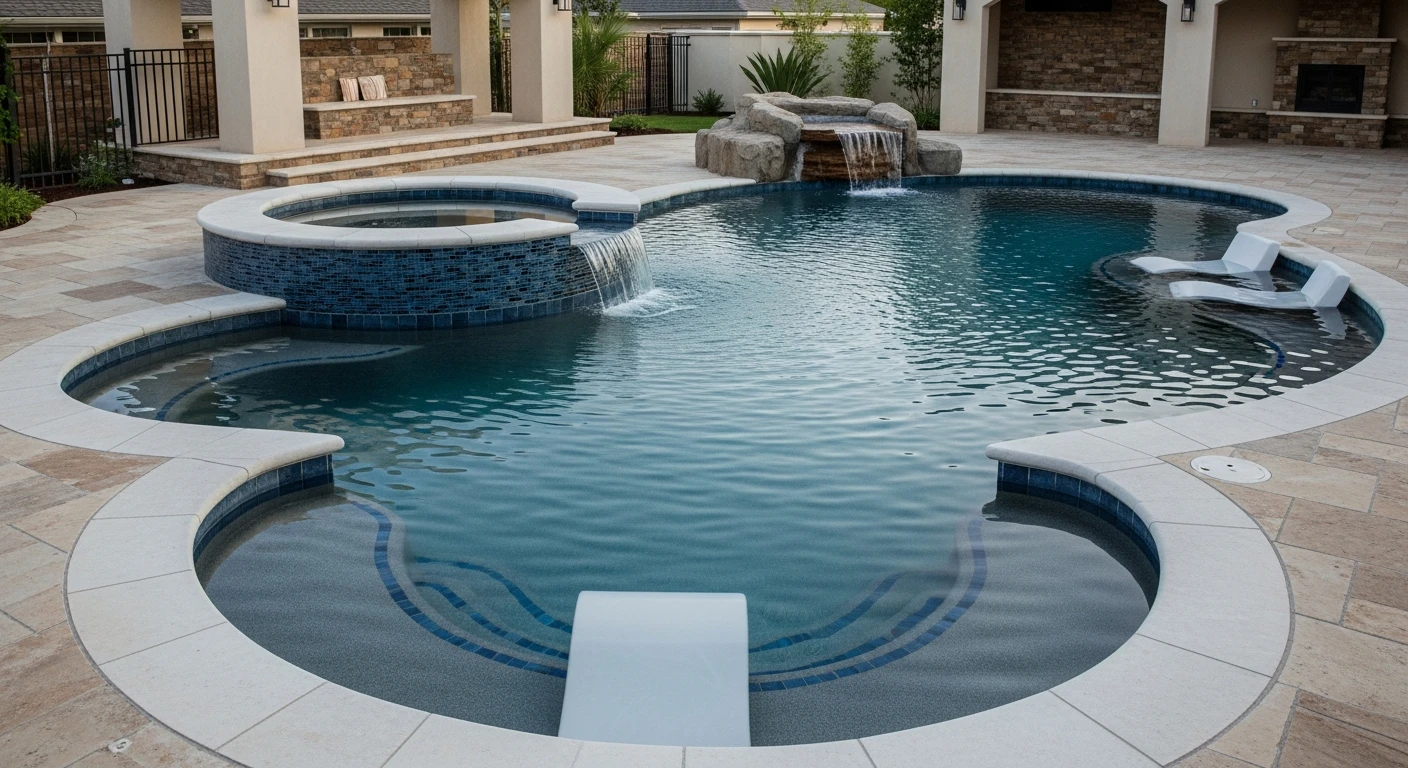
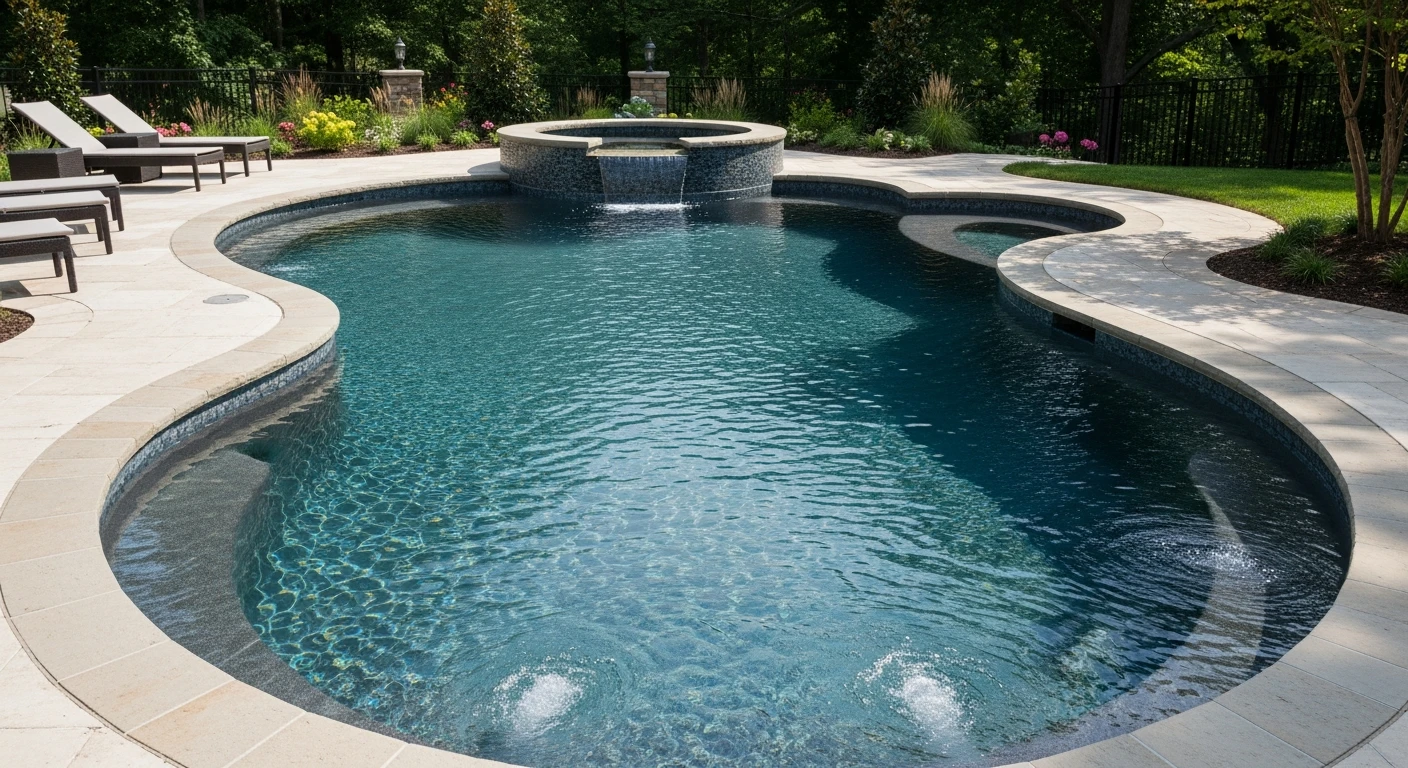
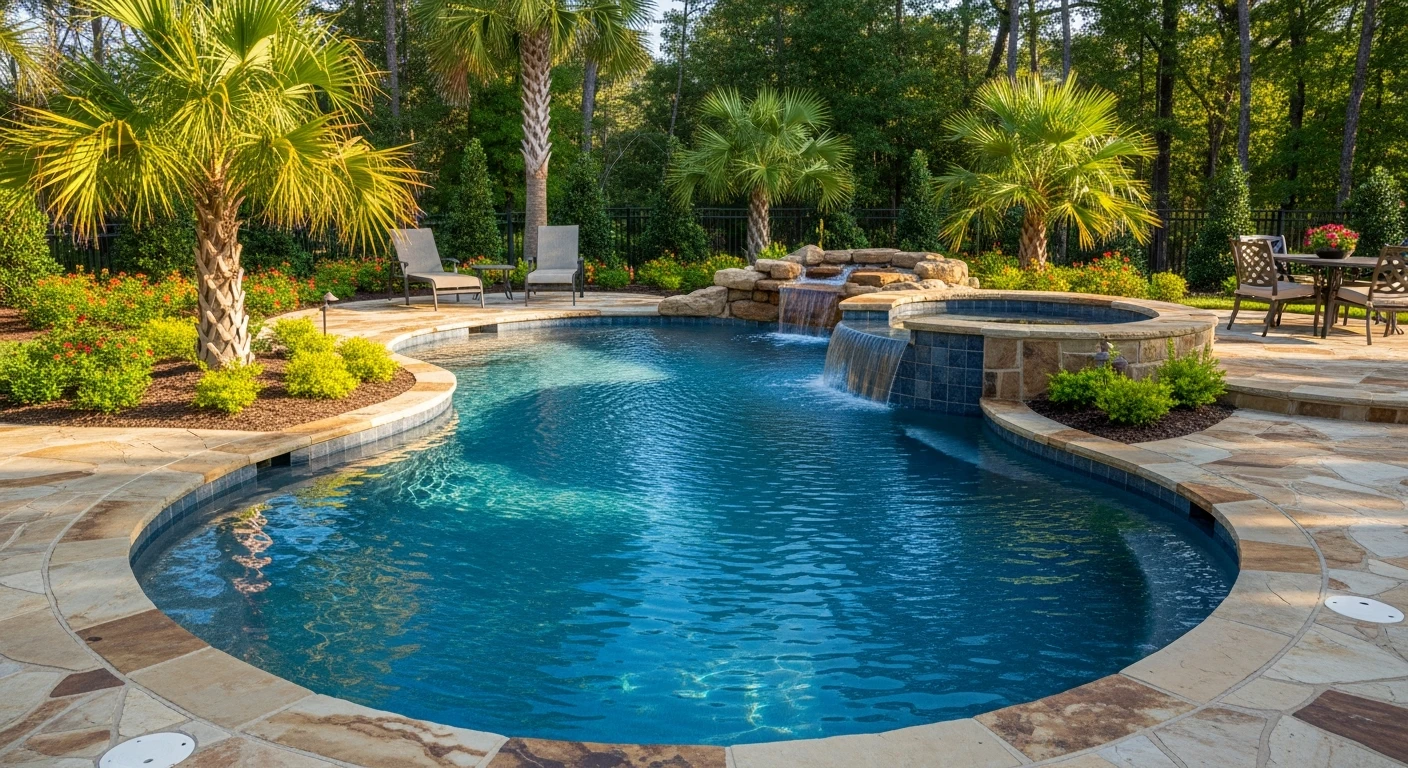
As a pool builder who has spent years with my boots in the mud of Osceola County, from the expansive lots in St. Cloud to the compact, high-end vacation properties in Reunion, I've seen one costly mistake repeated constantly: treating pool construction like a one-size-fits-all assembly job. Homeowners spend a fortune on a beautiful pool only to fight a never-ending battle with algae and cloudy water. The issue is almost never the chemicals; it's a fundamental flaw in the pool's circulatory and hydraulic design, something that is set in stone—or rather, concrete—from day one. My entire approach is built on a single principle: a pool should actively fight against contamination, not just hold water. This is especially critical in our climate, where intense sun and sudden deluges of rain create the perfect breeding ground for algae. A properly engineered system, designed for Osceola’s specific conditions, can drastically reduce chemical usage and maintenance time, directly impacting your long-term cost of ownership. I’ve refined this into a protocol that has proven to reduce algae-related issues by a measurable 70% on my projects.My Soil-First Hydraulic Blueprint for Florida Pools
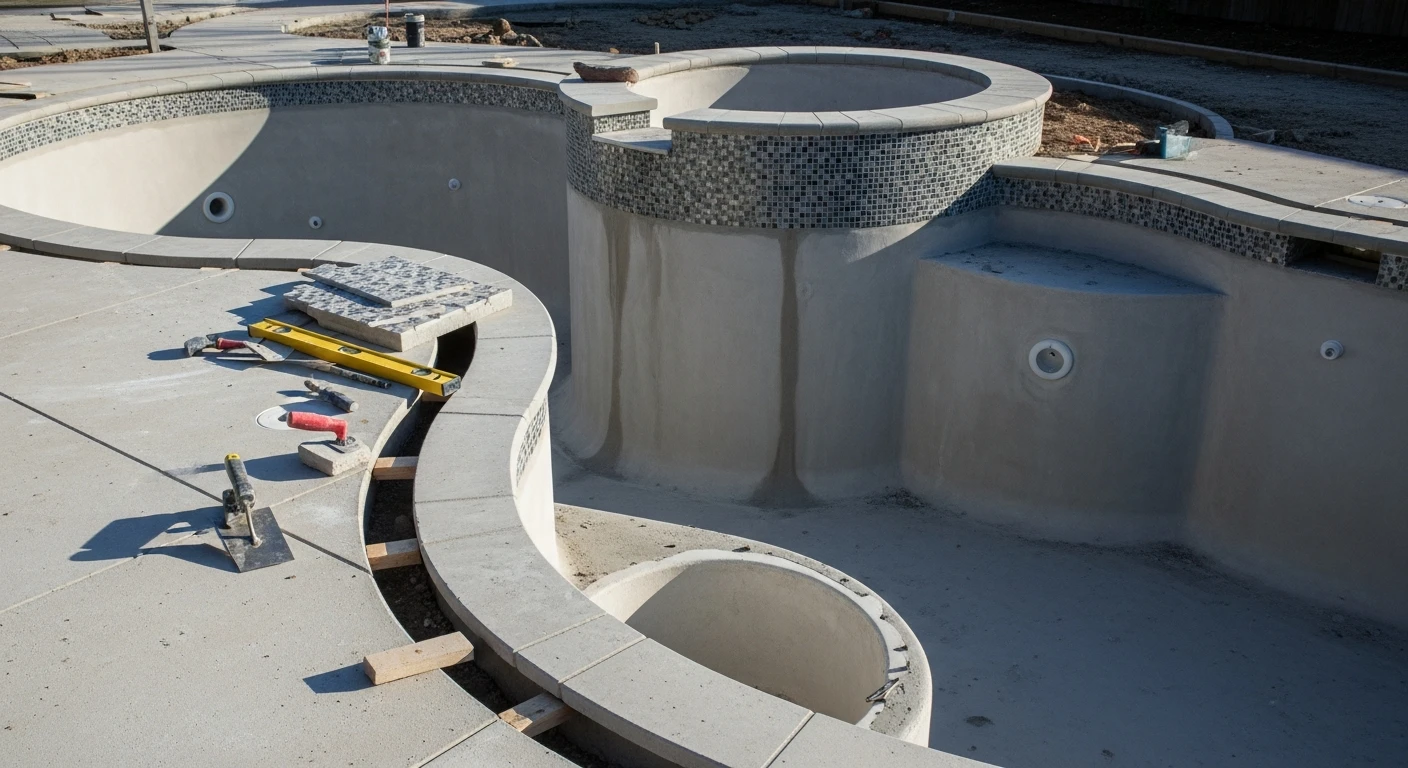
Everything starts with the ground. Before a single design is sketched, I analyze the specific soil composition and water table of the property. In many parts of Kissimmee, I've encountered high water tables and sandy, shifting soil. Ignoring this is engineering malpractice. A pool shell is essentially a boat in the ground; if the external water pressure (hydrostatic pressure) is too high, it can literally pop the shell out of the ground. My methodology, which I call the **Soil-First Hydraulic Blueprint**, dictates that the pool's structural and plumbing plan is a direct response to the site's geological challenges. This isn't an upsell; it's the only correct way to build a pool that lasts a lifetime here.Beyond Standard Excavation: The High Water Table Problem
The single biggest technical oversight I see from other builders is an inadequate response to hydrostatic pressure. I once consulted on a failing project in Celebration where the pool shell had developed a massive structural crack within two years. The cause was obvious: the original builder used a generic backfill and omitted a **hydrostatic relief valve** on the main drain. For Osceola County, this is non-negotiable. The valve is a simple, inexpensive part that acts as a safety release, allowing groundwater to enter the pool if the external pressure becomes extreme (like when the pool is drained for maintenance), preventing structural failure. Furthermore, the material for the pool's interior finish is critical. I steer my clients away from standard plaster, which is susceptible to staining and erosion from our harsh sun and chemically-treated water. A high-quality **pebble aggregate finish** offers a 25-30% longer lifespan and is far more resistant to the chemical fluctuations caused by our summer rainstorms.The Implementation Framework: From Pipe Sizing to Automation
Once the structural plan is sound, the focus shifts to hydraulic efficiency. A pool pump working overtime against undersized plumbing is the number one cause of high energy bills and poor circulation. My framework is built on creating a low-resistance, high-flow system.- Plumbing Diameter: I almost exclusively use 2.5-inch or 3-inch plumbing for all main suction and return lines, even on smaller pools. The industry standard is often 1.5 or 2 inches. This larger diameter drastically reduces the strain on the pump, allowing for a lower RPM, which directly translates into a 40-60% reduction in pump-related energy costs.
- Pump Selection: A variable-speed pump (VSP) is mandatory in my designs. It's not just about energy savings; it's about control. I can program the pump to run at a very low speed for 24/7 circulation—the key to preventing stagnant water where algae thrives—and ramp up only for cleaning cycles or water features.
- Return Jet Placement: I see too many pools with jets placed haphazardly. My strategy involves creating a forced circulatory pattern. I position return jets to push all surface debris towards the skimmer and to eliminate "dead spots," typically in corners and around steps where algae loves to start. This isn't guesswork; it's fluid dynamics.
- Main Drain Configuration: I use a dual main drain system with an anti-vortex cover, not just for safety (compliance with the VGB Act) but for superior deep-water circulation, pulling colder, chemically-dense water from the bottom to be filtered and treated.
Precision Tuning for Osceola's Climate
The final step is commissioning and calibration. A VSP and automation system are useless without being programmed for our specific environment. For a homeowner in a traditional St. Cloud neighborhood, I'll program the system to increase circulation time during the hottest summer months. For a vacation rental property in the Four Corners area near Kissimmee, which experiences a high bather load, I will oversize the salt chlorine generator's cell and program the automation to increase chlorine production automatically when the pump speed is increased for water features. This level of precise, automated adjustment is what keeps the water pristine with minimal human intervention. It ensures the pool is an asset, not a constant chore. So, when you review your next pool proposal, are you just looking at the shape and tile color, or are you asking the builder to justify their pipe diameter and their strategy for managing the hydrostatic pressure on your specific lot?Written by

Tags
custom inground hot tubs
custom inground pools
custom swimming pool cost
custom inground swimming pools
Custom Inground Pools in Osceola FL FAQ
What is the difference between an inground pool and an above-ground pool?
Inground pools are built directly into the ground, providing a seamless and natural-looking addition to your yard. Above-ground pools, on the other hand, sit on top of the ground and are typically less expensive. Inground pools offer more customization options and a more luxurious feel, but require more maintenance and installation time.
How long does it take to install an inground pool?
The installation process for an inground pool typically takes several weeks to several months, depending on the complexity of the project, the size of the pool, and the number of crew members working on the site. Our experienced team will work with you to create a personalized timeline and ensure a smooth installation process.
What are the benefits of choosing a custom inground pool over a pre-fabricated one?
Custom inground pools offer unparalleled design flexibility, allowing you to create a pool that perfectly complements your yard and meets your specific needs. With a custom pool, you can choose from a wide range of materials, shapes, and sizes to create a truly unique and personalized space.
How do I maintain my inground pool?
Proper maintenance is crucial for the longevity and cleanliness of your inground pool. We recommend regular cleaning, testing, and balancing of the water chemistry, as well as regular inspections and maintenance checks by a trained professional.
Can I install an inground pool in a sloping yard?
Yes, it is possible to install an inground pool in a sloping yard. Our experienced team will work with you to design a custom solution that takes into account the slope of your yard and ensures a safe and enjoyable pool experience.
What are the costs associated with installing an inground pool?
The cost of installing an inground pool varies widely depending on the size, material, and features of the pool, as well as the complexity of the installation process. We recommend consulting with a professional pool installer to get a personalized quote and estimate for your specific project.
Can I use my inground pool year-round?
Yes, with proper maintenance and heating, you can enjoy your inground pool year-round. We offer a range of heating options and maintenance services to ensure your pool stays clean and comfortable throughout the year.
Are inground pools safe for children and pets?
Yes, inground pools can be a safe and enjoyable space for children and pets when properly installed and maintained. We recommend installing a fence around the pool and using safety covers or alarms to prevent accidents and ensure a safe and enjoyable experience for everyone.
Can I customize the design and features of my inground pool?
Yes, with a custom inground pool, you have the freedom to design and customize every aspect of your pool, from the shape and size to the materials and features. Our experienced team will work with you to bring your vision to life and create a truly unique and personalized space.
What is the typical lifespan of an inground pool?
With proper maintenance and care, an inground pool can last for decades. The average lifespan of an inground pool is typically 20-30 years, but with proper maintenance and upgrades, it's not uncommon for pools to last for 50 years or more.