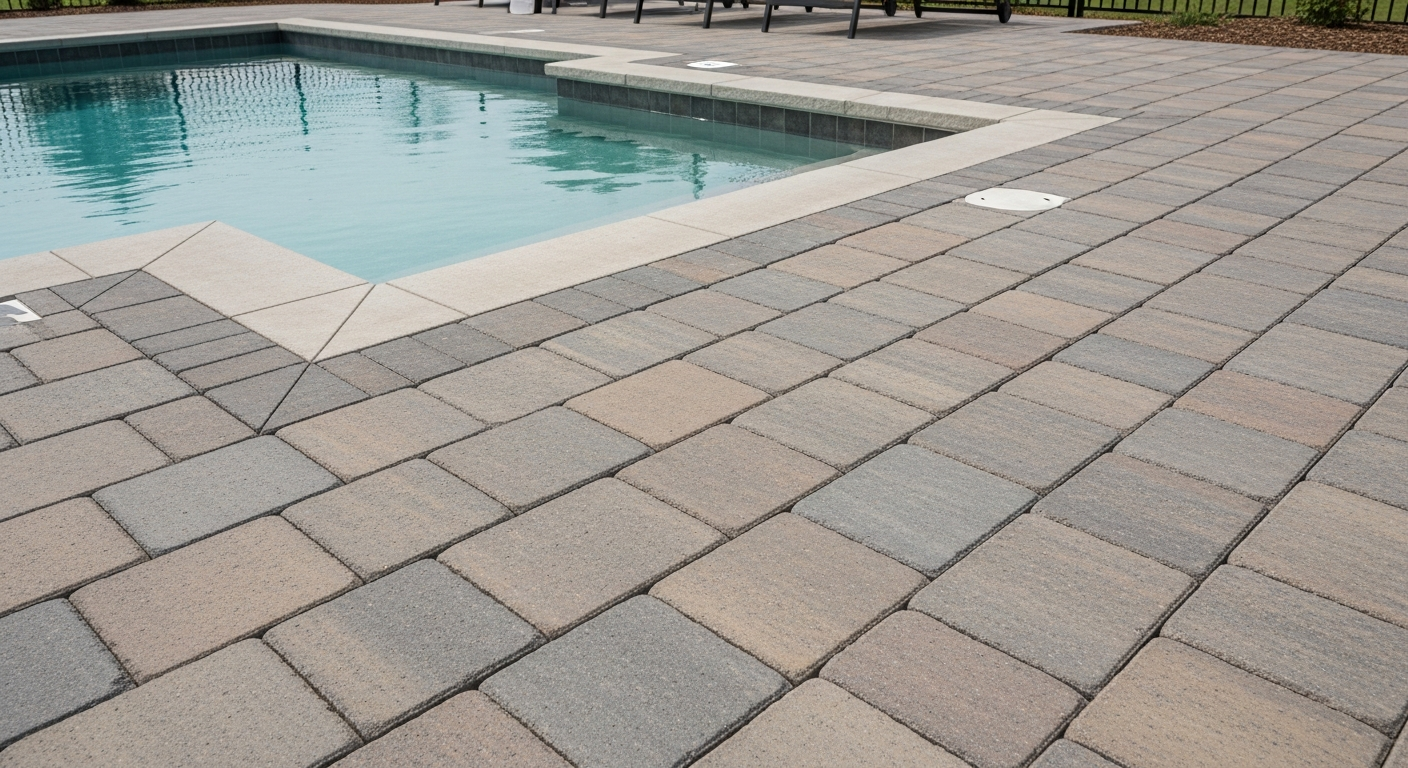
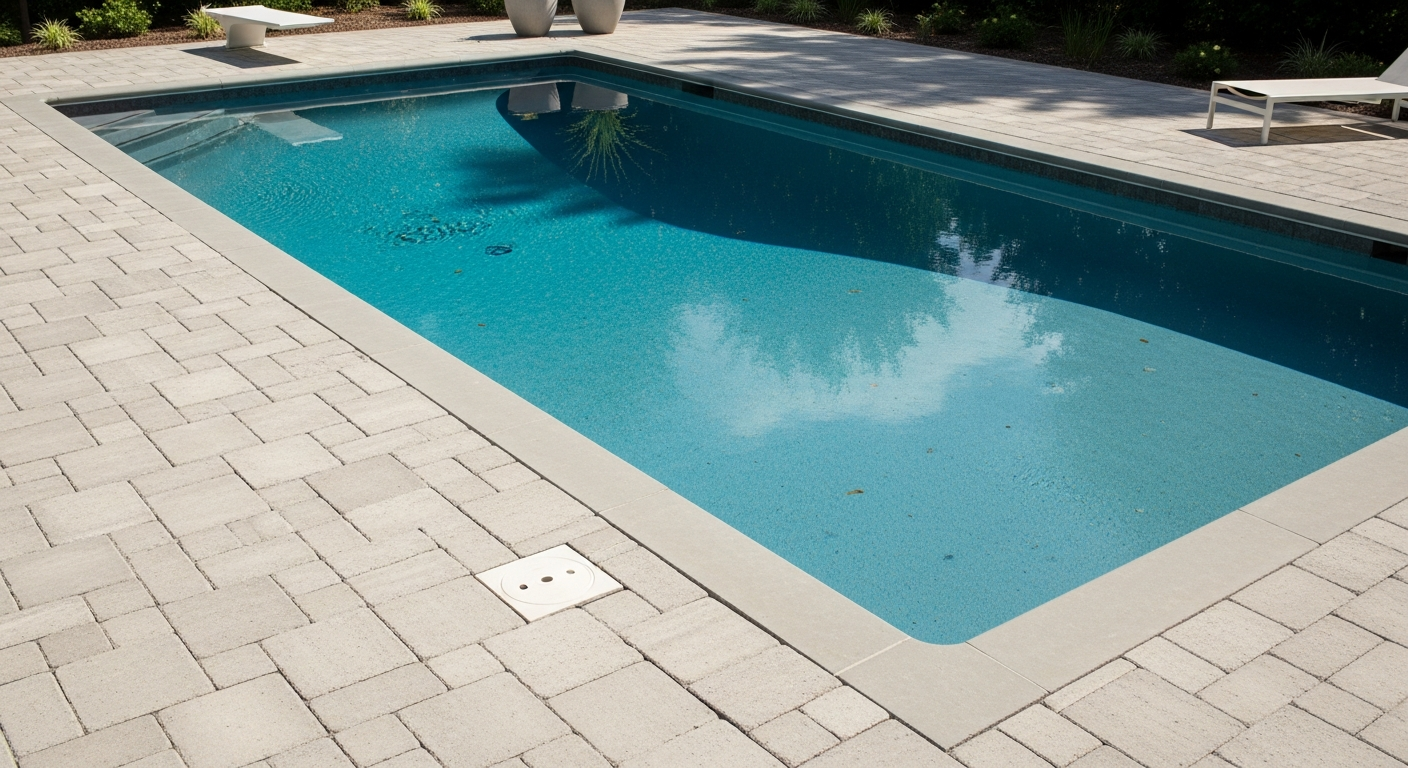
Pool Coping Pavers Hillsborough County: A Framework for Mitigating Sub-Paver Erosion
When I’m called to a property in South Tampa or FishHawk to assess failing pool coping, the issue is rarely the paver itself. The real culprit is almost always a failure to account for Hillsborough County’s unique hydrological cycle. The intense summer sun bakes the ground, and then our afternoon thunderstorms deliver a deluge of water. This rapid expansion and contraction, combined with poor sub-base preparation, creates micro-voids beneath the coping, leading to cracks, shifting, and eventual failure. My entire approach is built around preventing this sub-paver erosion before the first paver is even laid. Most installers focus on the surface-level finish, but I’ve learned from years of rectifying costly mistakes that the longevity of a pool deck is determined by its unseen foundation. A beautiful travertine coping can be ruined in two seasons if the base isn't engineered to manage water. My methodology focuses on creating a stable, permeable foundation that actively channels water away, ensuring the investment you make on the surface is protected for decades, not just a few years.The Core Diagnostic: Beyond Aesthetics to Substrate Integrity
My first step on any project, from a historic Bayshore Beautiful home to a new build in Wesley Chapel, is a soil and drainage analysis. This is a non-negotiable part of my process. I once took over a large project in Avila where the previous contractor had installed a dense, non-porous bluestone coping directly over a compacted clay-heavy soil base. Within a year, hydrostatic pressure had caused sections of the coping to lift and crack. The client saw a failing deck; I saw a fundamental engineering oversight. My diagnostic isn't about choosing a paver color. It's about mapping water flow, assessing soil composition, and understanding the load-bearing requirements of the specific pool design. This initial investment in diagnostics prevents what I call **"premature structural failure,"** a problem that plagues at least 40% of the pool decks I'm called to repair in this county.Material Selection for the Florida Climate Cycle
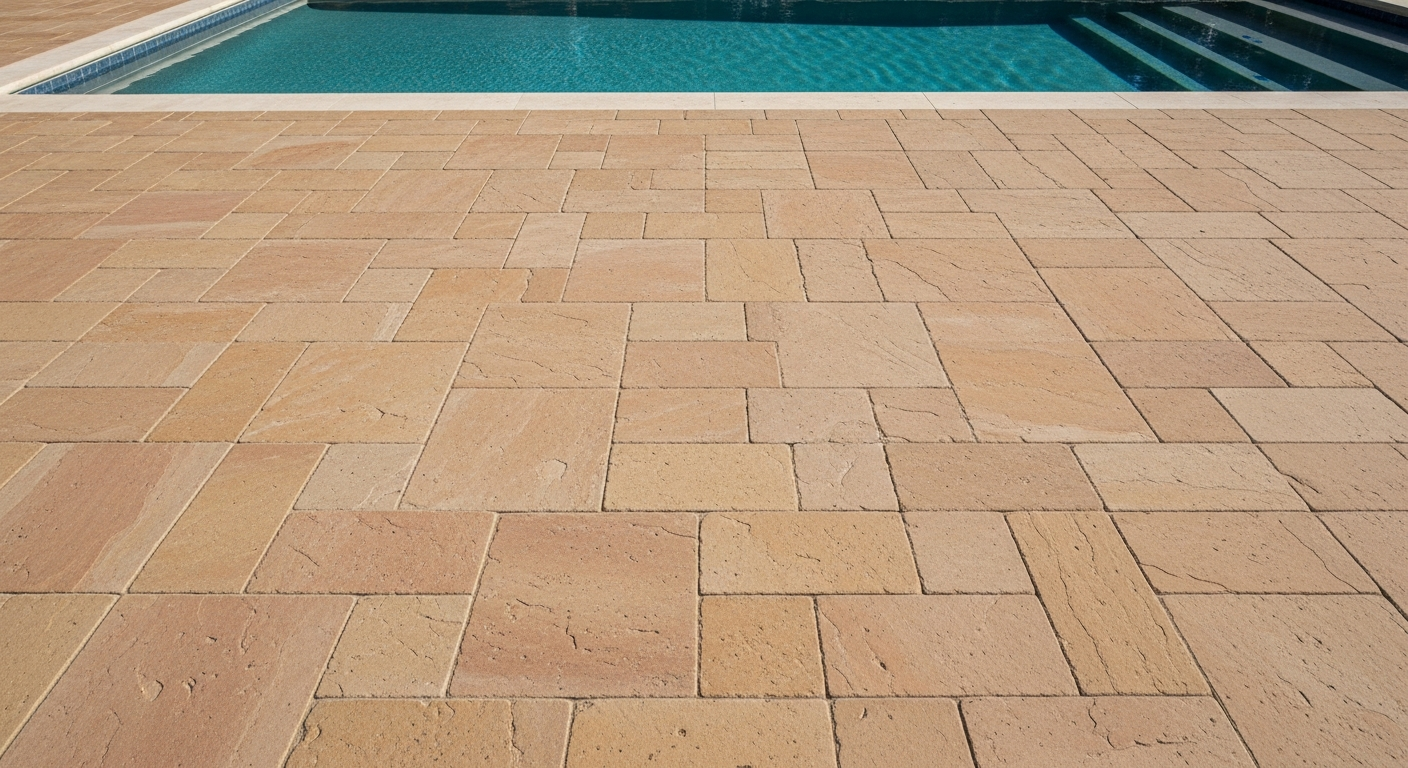
Choosing the right material for Hillsborough County isn’t just about looks; it's a technical decision based on thermal dynamics and porosity. The intense Florida sun can make dark, dense pavers dangerously hot. That’s why my material recommendations are very specific.- Recommended: Tumbled Travertine. Its high porosity allows water to pass through rather than pool, and its light color gives it a low solar reflectance index (SRI). This means it stays significantly cooler to the touch, a critical feature for families.
- Use with Caution: Shellstone or Limestone. While beautiful, they can be more susceptible to degradation from saltwater chlorine generators if not sealed correctly with a high-solids, deep-penetrating sealer. I always perform a porosity test before recommending them.
- Avoid: Dense, Dark Granite or Slate. These materials retain an immense amount of heat and, without meticulous base preparation for drainage, they can exacerbate the effects of hydrostatic pressure by trapping water underneath.
The Grout and Joint Protocol I Use on Every Project
The gaps between your pavers are the most vulnerable points. A standard sand-and-seal job is a recipe for weed growth and paver shifting within 18 months in our climate. I implement a multi-stage joint stabilization process.- Base Joint Filler: I start with a coarse, angular sand that locks together under compaction, creating the primary stabilizing layer.
- Top Joint Compound: Instead of standard paver sand, I use a high-grade polymeric sand that contains a binding agent. When activated with a light mist of water, it hardens to a firm but flexible consistency, preventing washout during heavy rains and inhibiting weed growth.
- Perimeter Expansion Joint: The coping's edge against the pool shell is the most critical joint. I always create a 1/2-inch gap and fill it with a UV-stable, flexible mastic joint sealant. This absorbs the thermal expansion and contraction of the deck and the pool shell, preventing stress cracks from forming. I’ve seen entire coping sections fail simply because this flexible joint was omitted.
Precision Sealing: The Final 10% That Delivers 90% of the Longevity
Sealing is not a simple top coat; it’s an impregnation process. Many contractors use cheap, acrylic-based topical sealers that create a shiny film. These fail quickly under the Florida sun, trapping moisture and turning hazy. This is a critical mistake. My standard is a penetrating silane/siloxane sealer. This type of sealer works by chemically bonding with the minerals inside the paver, creating a hydrophobic barrier from within. It doesn't form a surface film, so the natural texture and slip resistance of the paver are maintained. More importantly, it allows the paver to "breathe," letting trapped vapor escape while preventing liquid water and chlorine salts from penetrating. This single step can result in a 25% increase in the paver's functional lifespan and dramatically reduces the chances of spalling or pitting. Given the varied soil composition across Hillsborough County, have you calculated the precise aggregate size for your sub-base to ensure optimal water percolation without compromising structural load capacity?Written by

Tags
travertine pool pavers
pavers around pool
porcelain pool pavers
pool pavers near me
pool deck pavers