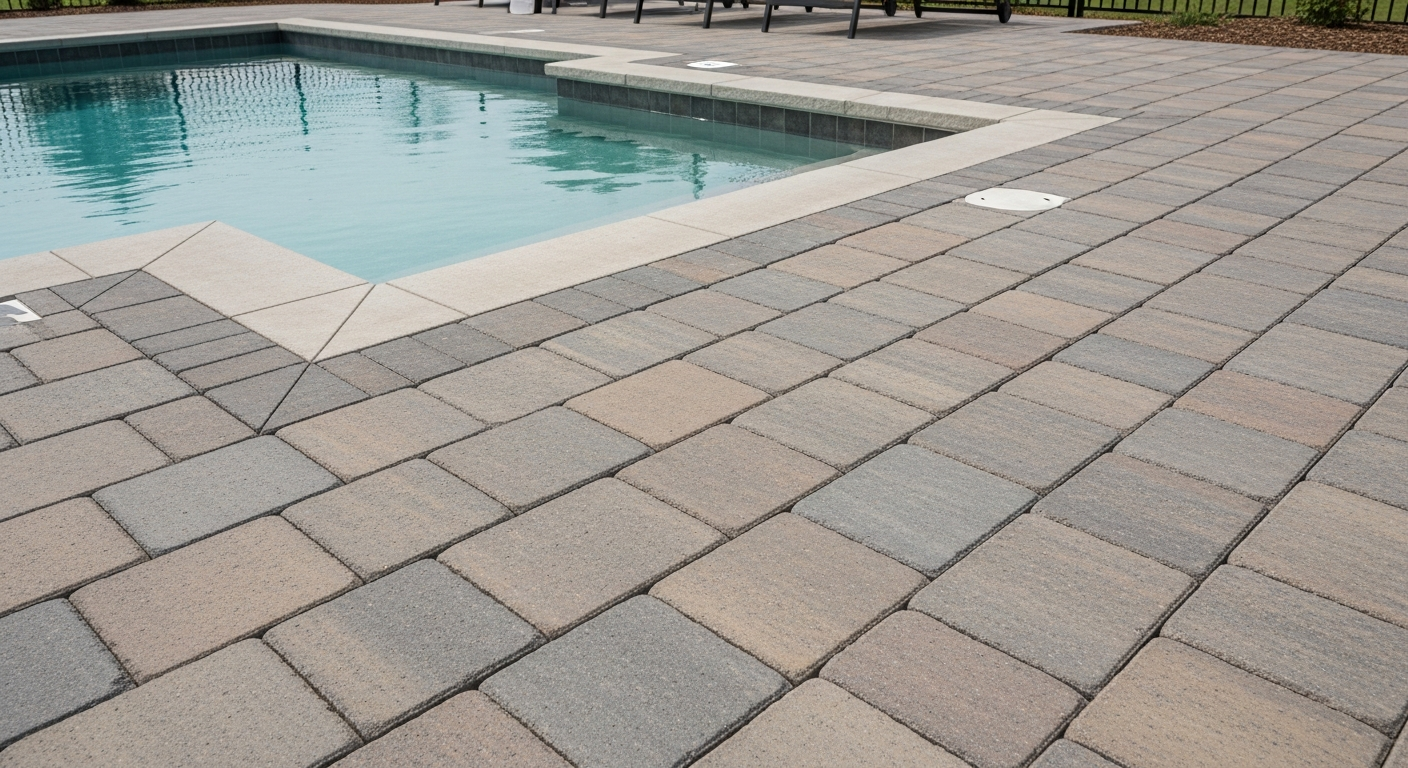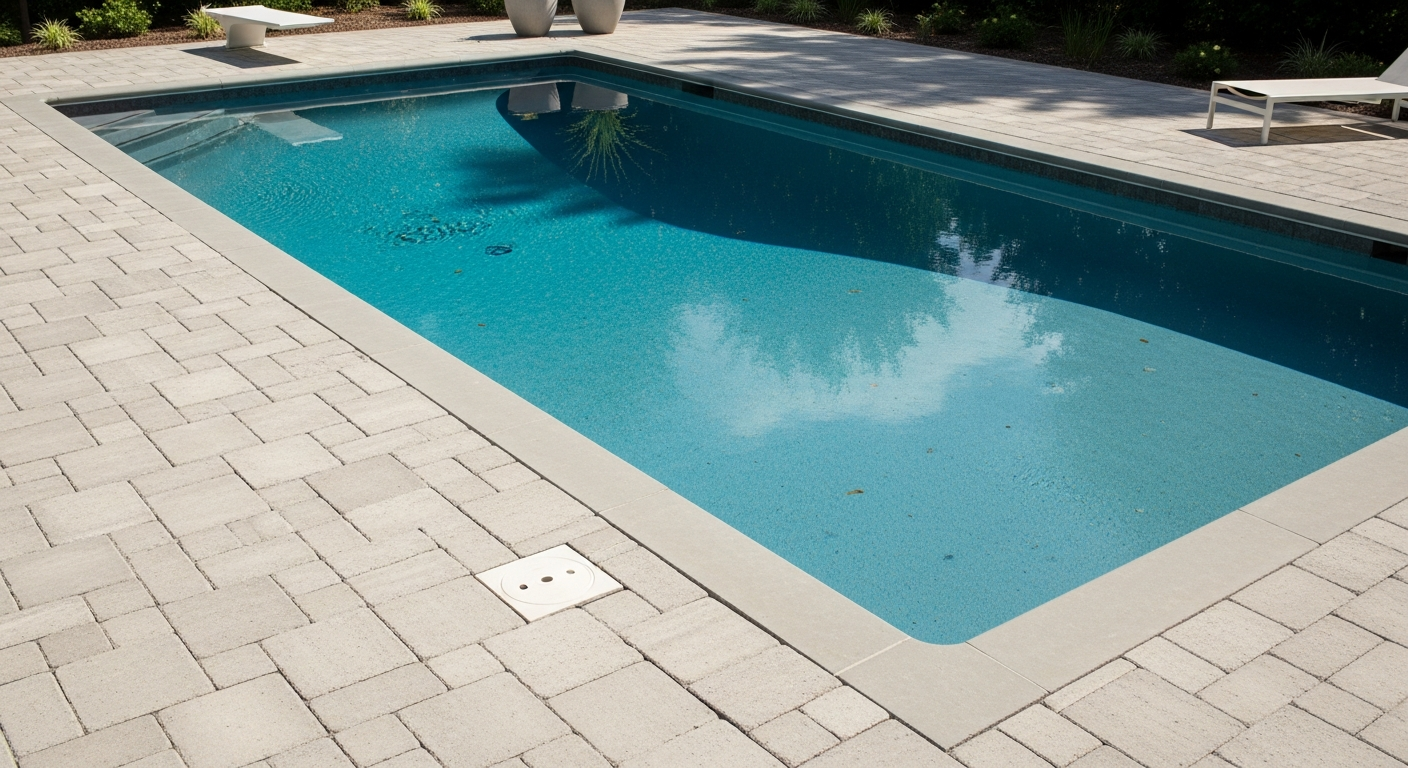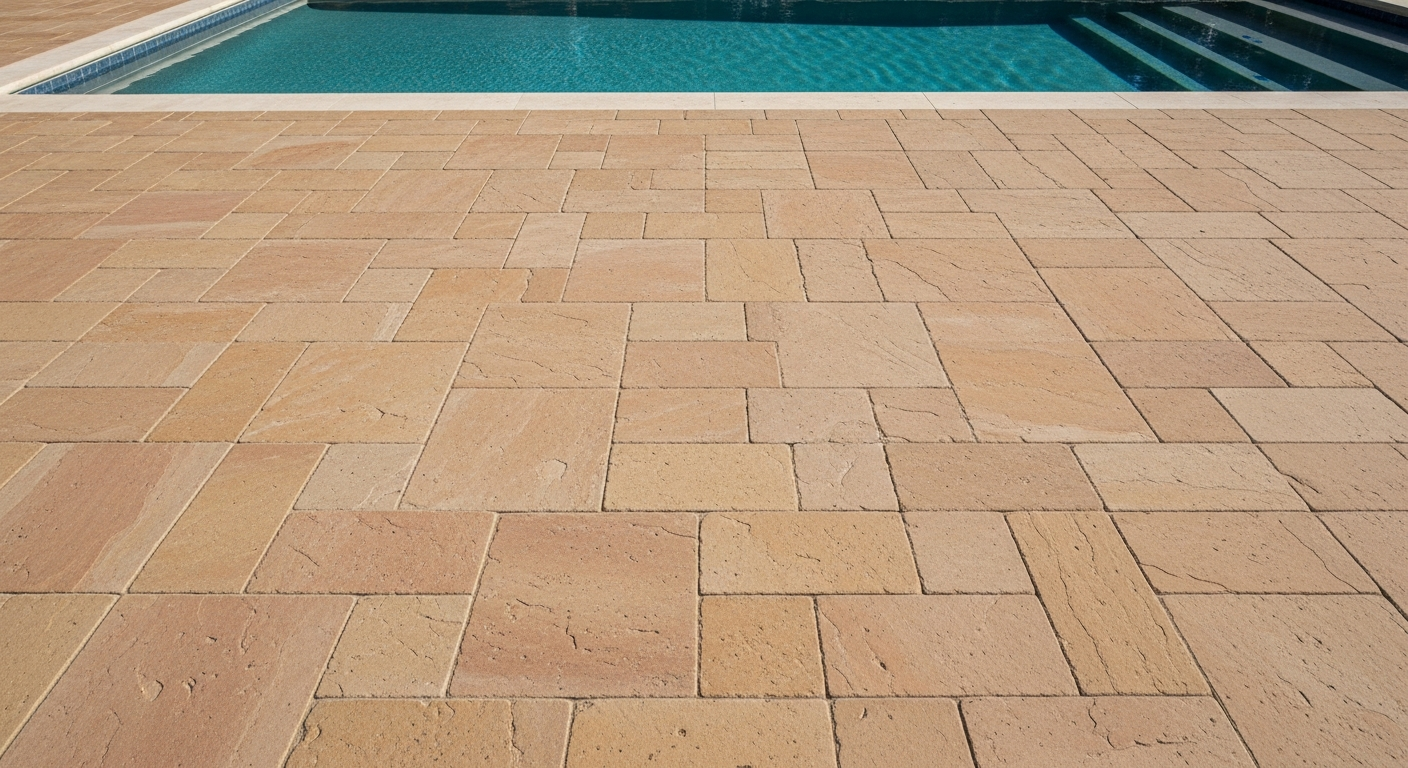
Pool Deck Pavers: My Framework for Zero-Failure Sub-Base & 30% Longevity Increase
I’ve been called to fix failing pool decks more times than I can count. The pavers are rocking, the joints are washed out, and the homeowner is facing a five-figure repair. In almost every case, the problem wasn't the paver itself. The critical failure point, the one most contractors overlook, is the unseen sub-base and its interaction with water. My entire methodology is built around preventing this catastrophic failure from the ground up, focusing on a system that guarantees stability and adds years to the deck's life.
This isn't just about laying pretty stones; it's about engineering a permeable, interlocking system that actively manages hydrostatic pressure and thermal expansion around a dynamic environment like a swimming pool. Forget just picking a color; we're going to talk about the metrics that actually matter: sub-base compaction density, material porosity, and the correct application of jointing compounds to avoid the dreaded polymeric haze I see on 70% of DIY and amateur jobs.
The Core Diagnostic: Beyond Paver Selection
Before I even consider a paver's style, I perform what I call a **Geo-Technical Stability Assessment**. Most clients want to jump straight to travertine versus concrete, but that's a step-five decision. My first step is analyzing the soil composition and the site's drainage characteristics. A project I was brought in to consult on had a beautiful travertine deck that was heaving after one winter. The original contractor completely ignored the high clay content of the soil, which retained water and caused massive frost heave. They built a beautiful deck on a foundation of sponge.
My method starts with the sub-base as the true product. The pavers are just the finish. We aim for a minimum of **95% Proctor density** in the compacted aggregate base. This isn't just a number; it's the verifiable metric that ensures the foundation won't settle or shift under load and water saturation. Skipping this verification is the single most expensive mistake you can make.
The Science of a Bulletproof Paver System
To achieve a zero-failure deck, I focus on three technical pillars. First is the sub-base composition. We don't just use any gravel; we use a specific grade of crushed stone (like a DOT-approved ¾” clean aggregate) that allows for rapid water percolation. This is sealed from the soil below by a non-woven **geotextile fabric**. This fabric is crucial: it prevents the sub-base aggregate from migrating into the soil, maintaining the structural integrity of the base layer for decades.
Second is paver material science. For pool areas, I look at two key metrics beyond aesthetics: the **Solar Reflectance Index (SRI)** and water absorption rate. A high SRI value means the paver stays cooler underfoot—a critical feature for a pool deck. Materials like light-colored travertine excel here. However, its higher porosity means it requires a specific type of **impregnating sealer**, especially in saltwater pool environments, to prevent salt spalling. For concrete pavers, I ensure they meet **ASTM C936** standards for compressive strength and low absorption to prevent efflorescence, that white powdery stain that plagues lesser-quality installations.
The Zero-Haze Installation Protocol
Executing the installation requires military precision. Deviating from this sequence is what leads to uneven surfaces and joint failure. My team follows this non-negotiable workflow.
- Step 1: Sub-Base Compaction & Grading: After excavation, we lay and compact the aggregate base in 2-inch lifts. Each lift is compacted with a plate compactor until we achieve our target density. The entire base is graded with a minimum **1.5% slope** away from the pool coping to ensure positive surface drainage.
- Step 2: Bedding Sand Screeding: We lay exactly **1 inch of coarse bedding sand**, never more. Too much sand is a primary cause of paver settlement. We use screed rails to guarantee a perfectly uniform depth across the entire project.
- Step 3: Paver Placement: Pavers are placed in a "click-and-drop" method to ensure tight joints. We work from multiple pallets to ensure color blending. String lines are used every few feet to maintain perfect, straight bond lines.
- Step 4: The Polymeric Sand Lock-in: This is where most installations fail. After compacting the pavers to set them into the bedding sand, we sweep in the polymeric sand. The critical action is to use a leaf blower at a low angle to blow excess sand off the paver surface *before* introducing water. Failure to do so is the number one cause of **polymeric haze**, a permanent film that dulls the paver. We then mist the area with water three times at 20-minute intervals, never flooding it, to properly activate the polymer binders.
Tags
pool pavers and coping
concrete pool pavers
best pavers for pool deck
porcelain pavers pool deck
porcelain pool pavers