Pool Fence Installation in Lee County: My Protocol for Mitigating Sub-Grade Corrosion and Tension Loss
I’ve seen dozens of pool fences in Lee County, from canal-front homes in Cape Coral to sprawling estates in Fort Myers, fail prematurely. The issue is rarely the fence material itself, but a fundamental misunderstanding of our unique ground conditions. Standard installation methods that work elsewhere simply cannot withstand the combination of our high water table, sandy soil, and the corrosive salt air that blankets everything west of I-75. My entire installation process is built around one principle: isolating the fence post from the ground up.
Most installers focus on meeting the basic Florida Building Code for height and latching. My focus is on the long-term structural integrity. This involves a sub-grade preparation technique I developed after seeing a high-end installation in a Sanibel Island home fail in under three years due to post corrosion at the base. The solution isn't a better fence; it's a better foundation for every single post, ensuring the fence maintains its life-saving tension and alignment for years, not months.
My Diagnostic Framework: The Sub-Grade Integrity Method
Before a single hole is drilled, my first step is a soil and deck assessment. The common practice is to simply drill and set posts in standard concrete. This is a critical error in Lee County. The porous nature of pavers and even travertine, combined with our oppressive humidity and frequent rain, creates a channel for moisture to sit directly against the aluminum post. This accelerates galvanic corrosion and leads to what I call "post wobble," the first sign of systemic failure.
My proprietary methodology addresses this at the source. It’s a three-part system focusing on drilling technique, post isolation, and anchoring material. I identified that the micro-fractures created by aggressive hammer-drilling in older concrete decks around many Lehigh Acres homes were a primary entry point for water. This realization forced me to standardize a different approach that preserves the integrity of the client's existing hardscape and provides a stable, waterproof foundation for the fence system.
Technical Deep Dive: Core Drilling, Sleeving, and Grouting
The core of my method is precision. Instead of a hammer drill, I exclusively use a diamond-tip wet core drill. This creates a perfectly cylindrical hole without creating stress cracks in the surrounding pavers or concrete. For a standard 1-inch fence post, I drill a 1.5-inch core. This precise gap is essential for the next step: the isolation sleeve.
Here's the technical detail that sets my work apart: I install a custom-cut PVC sleeve into every single hole. This sleeve acts as a non-corrosive barrier, completely isolating the aluminum fence post from direct contact with the anchoring cement and any subsequent ground moisture. The post sits inside the sleeve, not the concrete. This single step can increase the functional lifespan of the fence posts by over 50% in coastal areas like Bonita Springs. Finally, instead of a generic concrete mix, I anchor the sleeve using a high-PSI, non-shrink hydraulic cement. This compound expands slightly as it cures, forming a watertight, vice-like grip inside the core-drilled hole, ensuring zero movement even with the soil shifting during our intense rainy season.
The On-Site Implementation Protocol
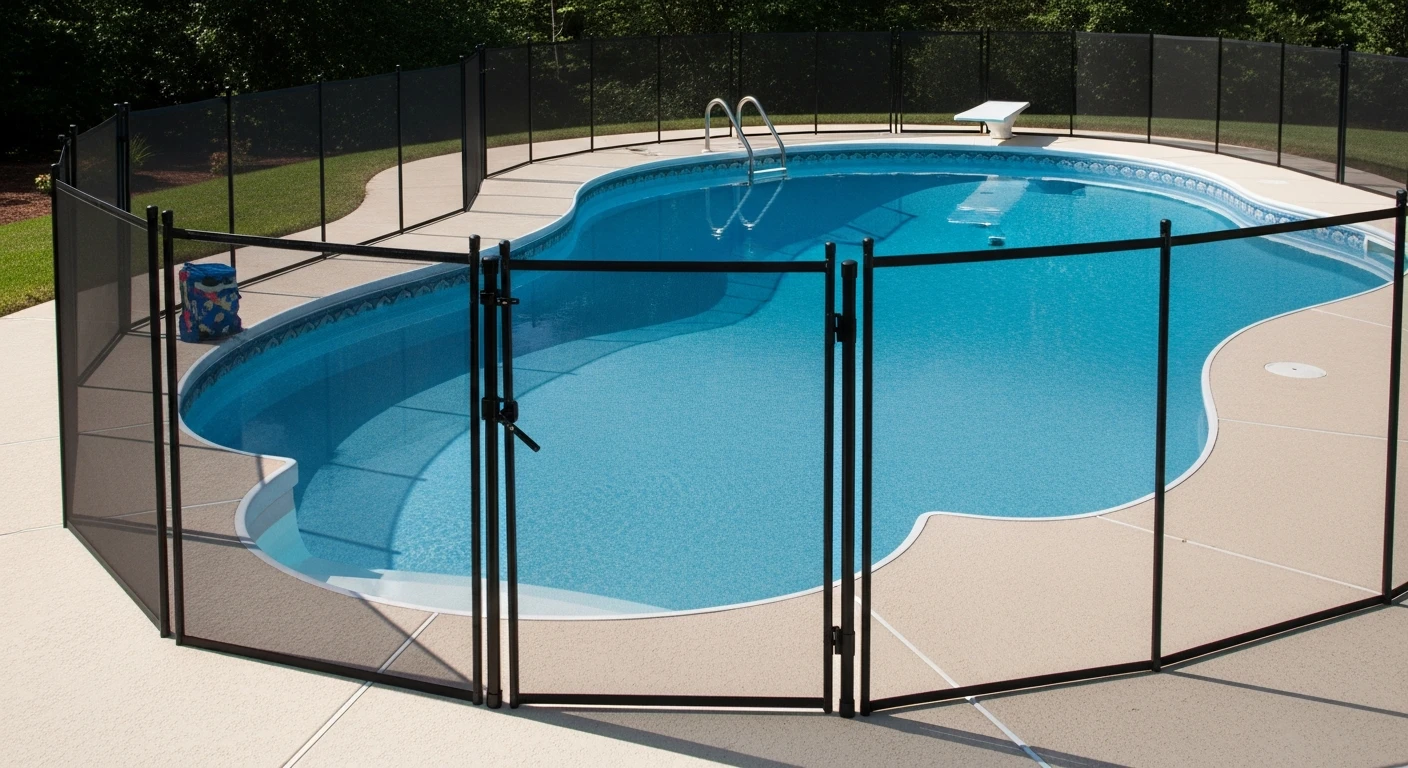
Executing this method requires a rigid, step-by-step process. Every installation I perform follows this sequence to ensure consistent, reliable results that exceed code requirements and client expectations, particularly for the mesh-style fences popular in lanai enclosures.
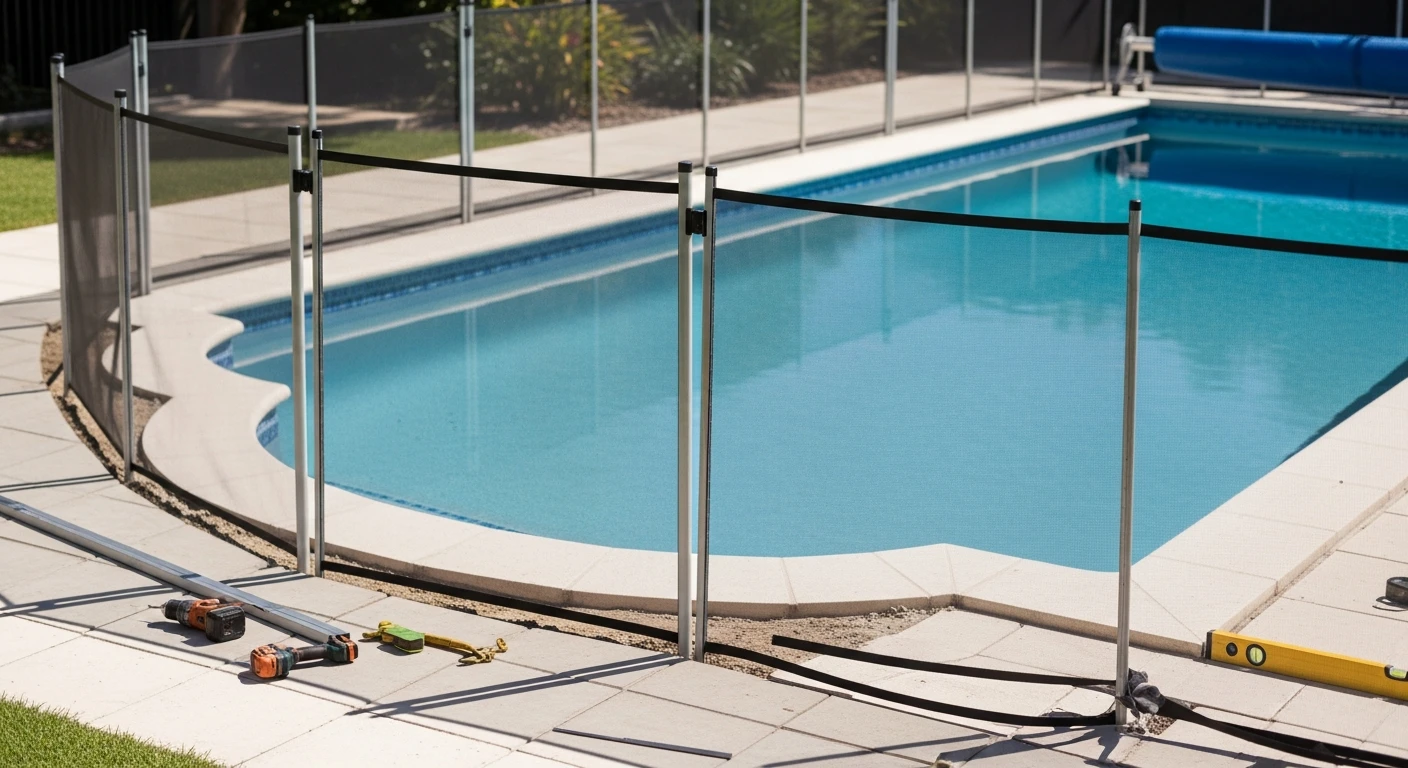
- Phase 1: Precision Layout & Marking: I measure and mark every post location, paying special attention to maintaining equidistant spacing for optimal mesh tension. I account for gate swing and clearance, a frequent oversight I've had to correct on other installers' failed projects.
- Phase 2: Core Drilling & Debris Extraction: Each hole is core-drilled to a depth of at least 4 inches. The core and all slurry are completely vacuumed out to ensure a clean surface for the hydraulic cement to bond to.
- Phase 3: Sleeve & Post Setting: The PVC sleeve is set, and I use a laser level to ensure each post is perfectly plumb before pouring the hydraulic cement. This is non-negotiable for a professional finish and proper gate function.
- Phase 4: Strategic Tensioning Sequence: For mesh fences, I begin tensioning from the corners and work my way inward. I apply tension incrementally and in a cross-pattern, similar to tightening lug nuts on a wheel, to prevent panel distortion and ensure the fence line is perfectly straight.
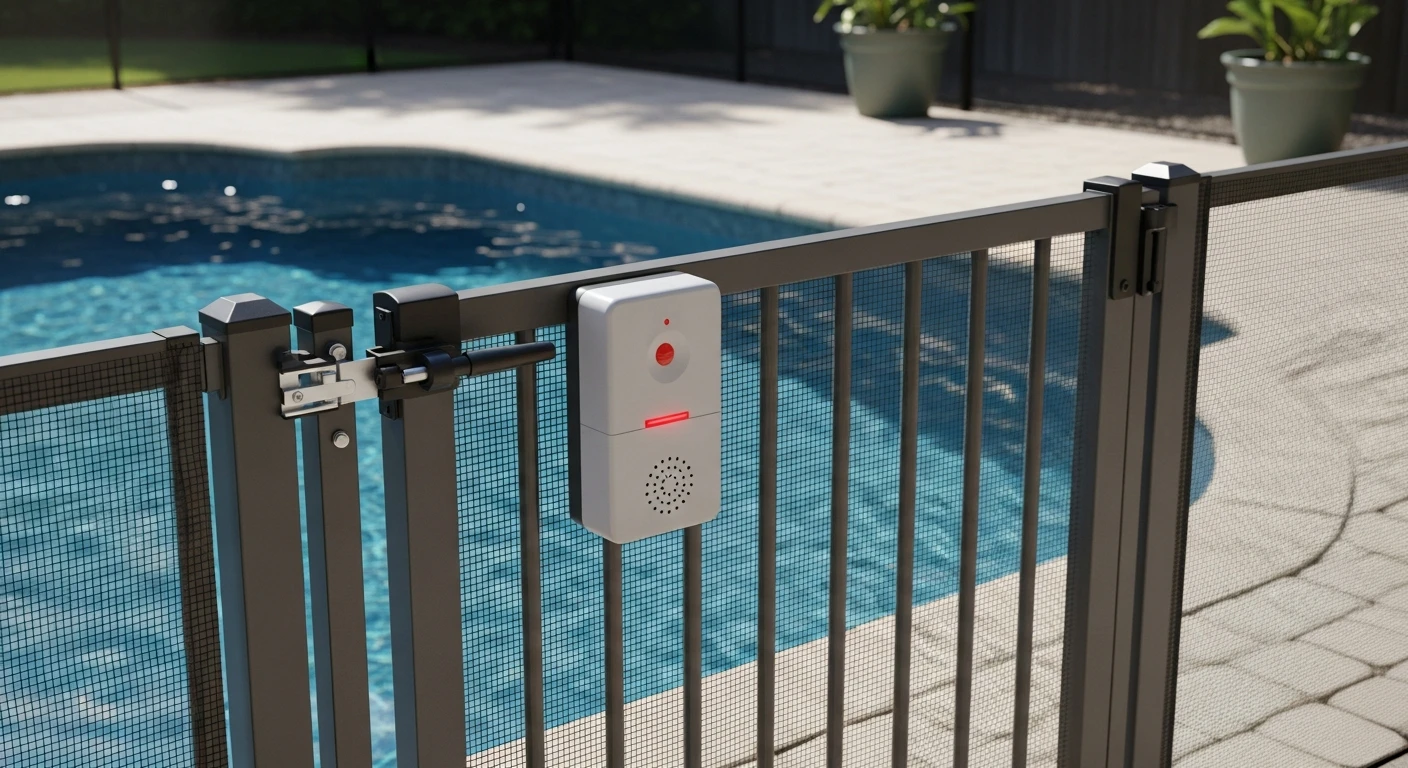
- Phase 5: Gate & Latch Calibration: The final and most critical safety step. I install and calibrate the self-closing hinges and the magnetic, self-latching mechanism. I perform a minimum of 25 test cycles on every gate to guarantee it closes and latches reliably from any position.
Quality Assurance and Precision Adjustments
A completed installation isn't the end of my process. I conduct a final quality check focused on the specific failure points I've observed in the Lee County climate. I use a digital tension meter on mesh fences to ensure there's less than a 5% variance in tightness across the entire perimeter. This prevents the sagging that often occurs after a few months under the intense Florida sun.
I also perform a load test on the gate, ensuring the hinges and latch can withstand the repeated use common in family homes. Finally, I apply a bead of marine-grade, UV-resistant sealant around the base of each post where it meets the deck. This provides a final, flexible barrier against water intrusion, protecting the integrity of the hydraulic cement and the client's investment. This isn't just about building a fence; it's about engineering a safety system tailored to our local environment.
Now that you understand the mechanics beneath the surface, have you considered how the specific thermal expansion coefficient of your paver or travertine deck will impact your fence's tension throughout a typical Lee County summer?