Pool Landscape Lighting in Osceola County: My Protocol for 70% Increased System Longevity
For years, I've seen the same story play out from Kissimmee to the newer developments in Celebration: a homeowner invests in pool landscape lighting, and within two seasons, fixtures are flickering, corroded, or completely dead. The issue isn't the concept; it's the execution, which consistently fails to account for Osceola County's specific environmental stressors. The relentless humidity, intense summer sun, and torrential downpours create a uniquely hostile environment for low-voltage electrical systems. My approach isn't just about making things look good for a season; it's an engineering-first methodology designed to withstand our specific climate. I developed my Coastal-Grade Resilience Protocol after having to completely replace a large-scale system in a Reunion resort-style home that failed in under 18 months due to moisture intrusion at every single connection point. It focuses on preempting the three primary failure points: corrosion, water ingress, and voltage drop.Diagnosing Failure Points: My Coastal-Grade Resilience Protocol
Before a single trench is dug, my diagnostic process begins. Standard big-box store kits are immediately disqualified. Their powder-coated aluminum fixtures and push-in connectors are doomed from the start in the humid air around areas like Lake Tohopekaliga. My protocol assesses the specific micro-environment of your property. A yard with dense oak canopies in St. Cloud will have different moisture retention levels than an open, sun-drenched pool deck in Poinciana, which impacts fixture choice and cable routing. The core of my methodology is built on material science and electrical load management, not just aesthetics.Technical Deep Dive: Materials and Connections
The difference between a 2-year and a 15-year system lies in components that amateurs and low-bid contractors overlook. I insist on a specific set of materials.- Fixture Material: I exclusively use solid brass or copper fixtures. Unlike aluminum, which pits and whose coating flakes off, brass develops a natural patina that protects the metal. This is non-negotiable. I've seen aluminum fixtures turn to white dust after three years of our afternoon rains.
- Waterproofing Integrity: Every fixture must have a minimum ingress protection rating of IP67, making it dust-tight and capable of submersion. The real point of failure, however, is the wiring. My protocol mandates that every single connection is made using silicone-filled, heat-shrink wire connectors. This creates a 100% waterproof, submersible seal. Using simple electrical tape or non-sealed nuts is the single biggest installation error I encounter.
- Transformer and Load Management: I never load a transformer beyond 80% of its maximum wattage capacity. Pushing it to 95% or 100%, a common mistake to save costs, drastically shortens its lifespan due to overheating, especially during our hot summer nights. This buffer ensures system stability and longevity.
My Step-by-Step Implementation Framework
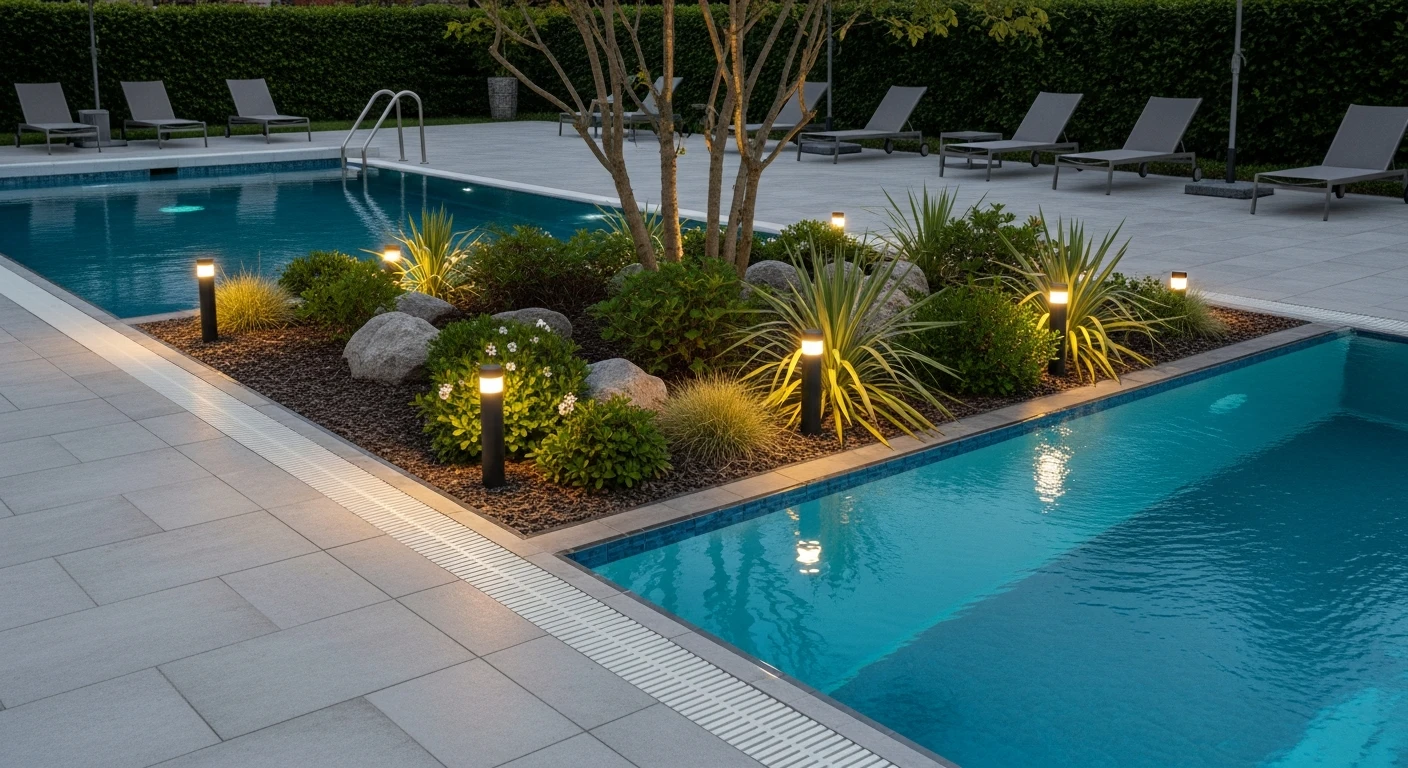
Putting this theory into practice requires precision. A sloppy installation can undermine even the best materials. This is the exact sequence I follow for every Osceola County project.- Strategic Light Mapping: I first walk the property at dusk to identify key features. I don't just throw lights everywhere. I use specific beam angles—a narrow 15-degree spot for a tall palm tree, a wide 60-degree flood to wash a privacy wall—to create depth and avoid the "runway look."
- Voltage Drop Calculation: Before ordering wire, I calculate the voltage drop for each run. For long runs, common in larger Osceola properties, I'll use a thicker gauge wire (10/2 instead of 12/2) to ensure the last light in the line is just as bright as the first.
- Precision Trenching and Cabling: All direct burial cable is trenched to a minimum depth of 6 inches. Where it surfaces to connect to a fixture, I leave a 1-foot "service loop" of coiled wire buried beneath. This allows for future adjustments without having to splice in new wire.
- Connection Integrity Check: Every connection is stripped, connected, and sealed one at a time. I then perform a continuity test on each run before backfilling the trenches. This is a critical quality control step.
- Final Load Balancing: Once all fixtures are connected, I use a multimeter at the transformer to confirm the load is within the 80% capacity rule. I split the load evenly across different terminals if using a multi-tap transformer.
Fine-Tuning for a High-End Aesthetic
With the technical foundation secured, the final adjustments are what create the "wow" factor. I exclusively use a warm white light temperature, typically 2700K Kelvin, to create a relaxing, resort-like atmosphere that complements the tropical foliage found throughout our communities. I pay meticulous attention to fixture placement, installing glare shields on any light that could potentially shine into a window or seating area. The goal is to see the effect of the light, not the source of the light itself. This is the difference between simple lighting and true landscape illumination. Are your landscape lighting connections merely water-resistant, or are they truly rated for submersion during an Osceola County hurricane season?Written by

Tags
inground lighting
inground landscape lighting
outdoor pool lighting
landscape lighting around pool
Pool Landscape Lighting in Osceola FL FAQ
What is pool landscape lighting?
Pool landscape lighting refers to the process of installing and maintaining lighting systems around and in pools to enhance their visual appeal, safety, and functionality. This can include underwater lighting, pool deck lighting, and landscape lighting around the pool area.
Why is pool landscape lighting important?
Pool landscape lighting is important for several reasons. It can increase the aesthetic appeal of the pool area, making it a more enjoyable and inviting space for relaxation and entertainment. It can also improve safety by providing better visibility and reducing the risk of accidents. Additionally, pool landscape lighting can enhance the value of your property.
What types of pool landscape lighting are available?
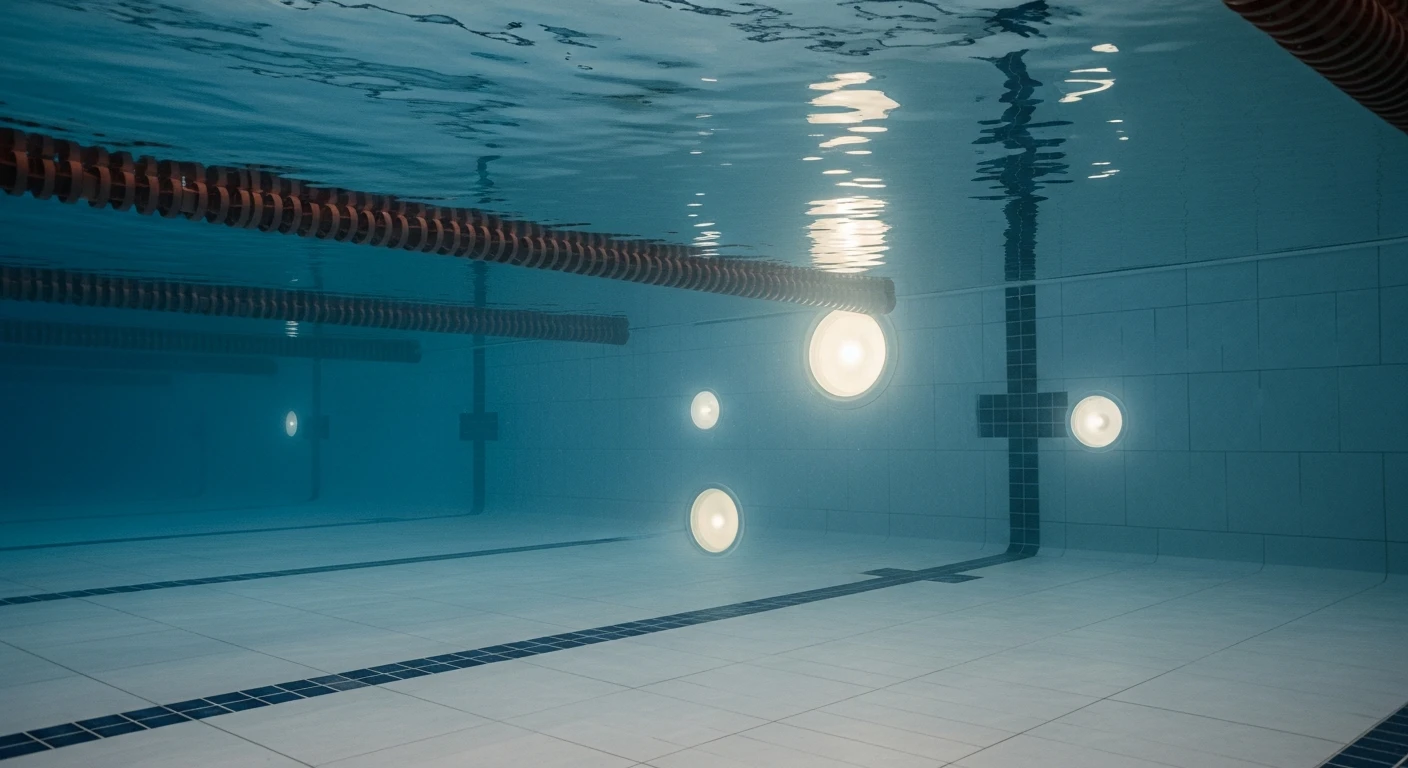
There are several types of pool landscape lighting available, including underwater lighting, pool deck lighting, and landscape lighting around the pool area. Underwater lighting can be used to highlight the pool's features, while pool deck lighting can be used to illuminate the surrounding area. Landscape lighting can be used to create a festive atmosphere or to highlight specific features of the pool area.
What are the benefits of pool landscape lighting?
The benefits of pool landscape lighting include increased aesthetic appeal, improved safety, and enhanced functionality. It can also increase the value of your property and provide a more enjoyable and inviting space for relaxation and entertainment.
How do I choose the right pool landscape lighting for my pool?
To choose the right pool landscape lighting for your pool, consider the size and shape of your pool, the surrounding landscape, and your personal preferences. You may also want to consult with a professional pool landscape lighting expert to get recommendations and guidance.
Can pool landscape lighting be customized?
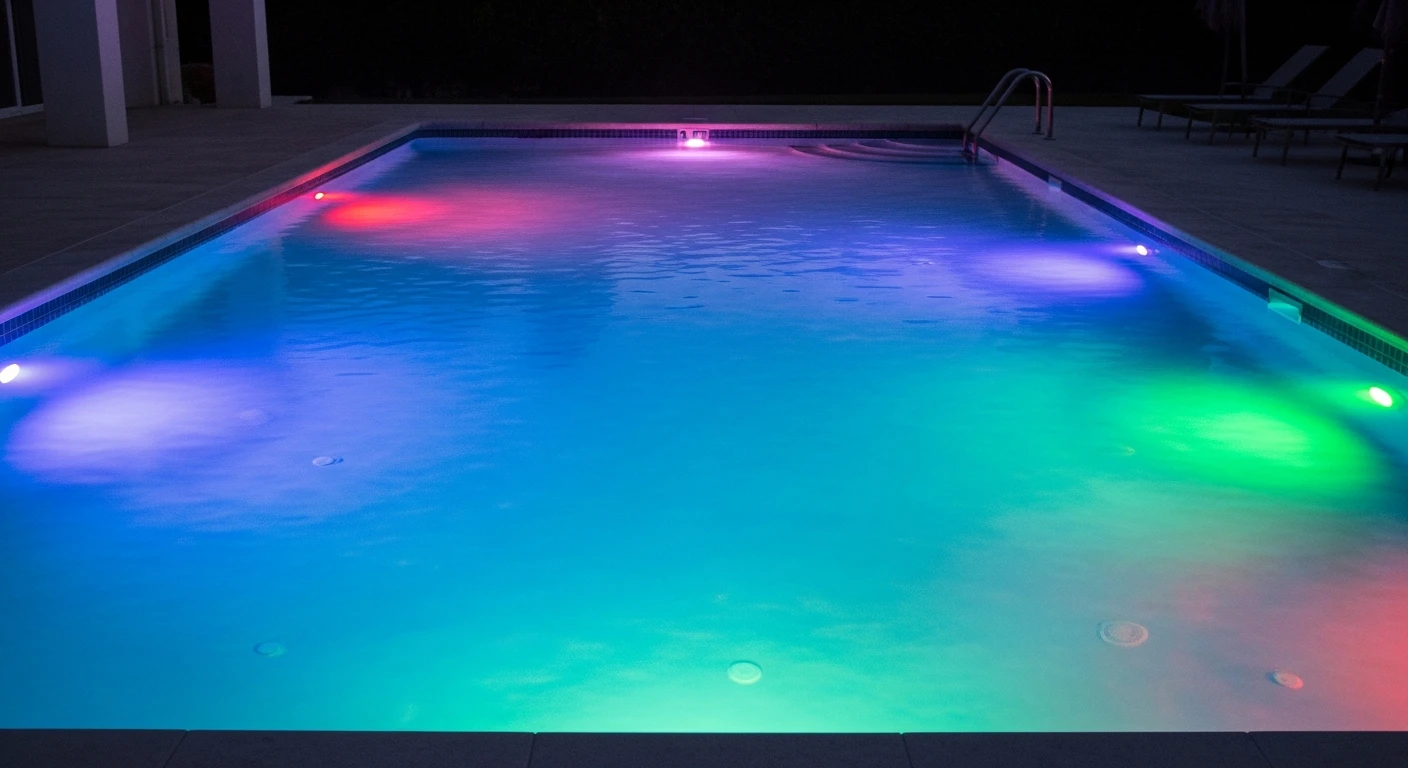
Yes, pool landscape lighting can be customized to fit your specific needs and preferences. You can choose from a variety of lighting options, including different colors, patterns, and intensities. You can also work with a professional pool landscape lighting expert to design a custom lighting plan for your pool.
How do I maintain pool landscape lighting?
To maintain pool landscape lighting, regularly inspect and clean the lights, replace worn-out bulbs, and ensure that the lighting system is properly installed and functioning correctly. You may also want to consider hiring a professional pool maintenance service to handle these tasks.
Can pool landscape lighting be integrated with other outdoor lighting systems?
Yes, pool landscape lighting can be integrated with other outdoor lighting systems, such as pathway lighting, patio lighting, and garden lighting. This can create a cohesive and harmonious lighting design for your outdoor space.
How much does pool landscape lighting cost?
The cost of pool landscape lighting varies depending on the type and complexity of the lighting system, as well as the size and scope of the project. It's best to consult with a professional pool landscape lighting expert to get an estimate for your specific project.
Is pool landscape lighting worth the investment?
Yes, pool landscape lighting is worth the investment. It can increase the value of your property, provide a more enjoyable and inviting space for relaxation and entertainment, and enhance the overall aesthetic appeal of your outdoor space.