Lee County Pool Inspection Services: My Protocol to Uncover Hidden Flaws and Prevent a $15,000 Resurfacing Surprise
As a dedicated pool inspector in Lee County, I’ve seen firsthand how a standard home inspection barely scratches the surface of a pool's true condition. The excitement of buying a home in Cape Coral or Fort Myers can quickly turn into a financial nightmare when hidden pool defects emerge. A beautiful-looking pool can easily conceal thousands of dollars in necessary repairs, from underground leaks to failing equipment on the verge of catastrophic breakdown. My entire inspection process is built on a principle I call Pre-emptive Failure Detection. It’s not just about identifying existing problems; it's about using diagnostic tests to forecast the lifespan of critical components. I focus on three core pillars: structural integrity, hydraulic efficiency, and electrical safety compliance—the exact areas where I see homeowners face the most unexpected and costly issues after closing on their property.My 360-Degree Diagnostic Framework for Lee County Pools
Most inspections I'm called to fix were superficial. The previous inspector ran the pump, tested the water, and glanced at the plaster. This is woefully inadequate for our local environment. The combination of intense UV exposure, high humidity, and the occasional tropical storm system we get in Lee County accelerates the degradation of pool materials in ways not seen in other climates. My methodology is designed to counteract this by looking for stress indicators, not just visible cracks. My approach begins before I even turn on the equipment. I conduct a thorough walk-around, specifically assessing the pool deck's expansion joints and the integrity of the coping. In many Bonita Springs homes with paver decks, I’ve found subtle sinking near the skimmer, a tell-tale sign of a slow, long-term leak that has eroded the soil base. This is an immediate red flag that a simple visual check would miss.Beyond the Surface: Pinpointing Shell Delamination and Hydraulic Leaks
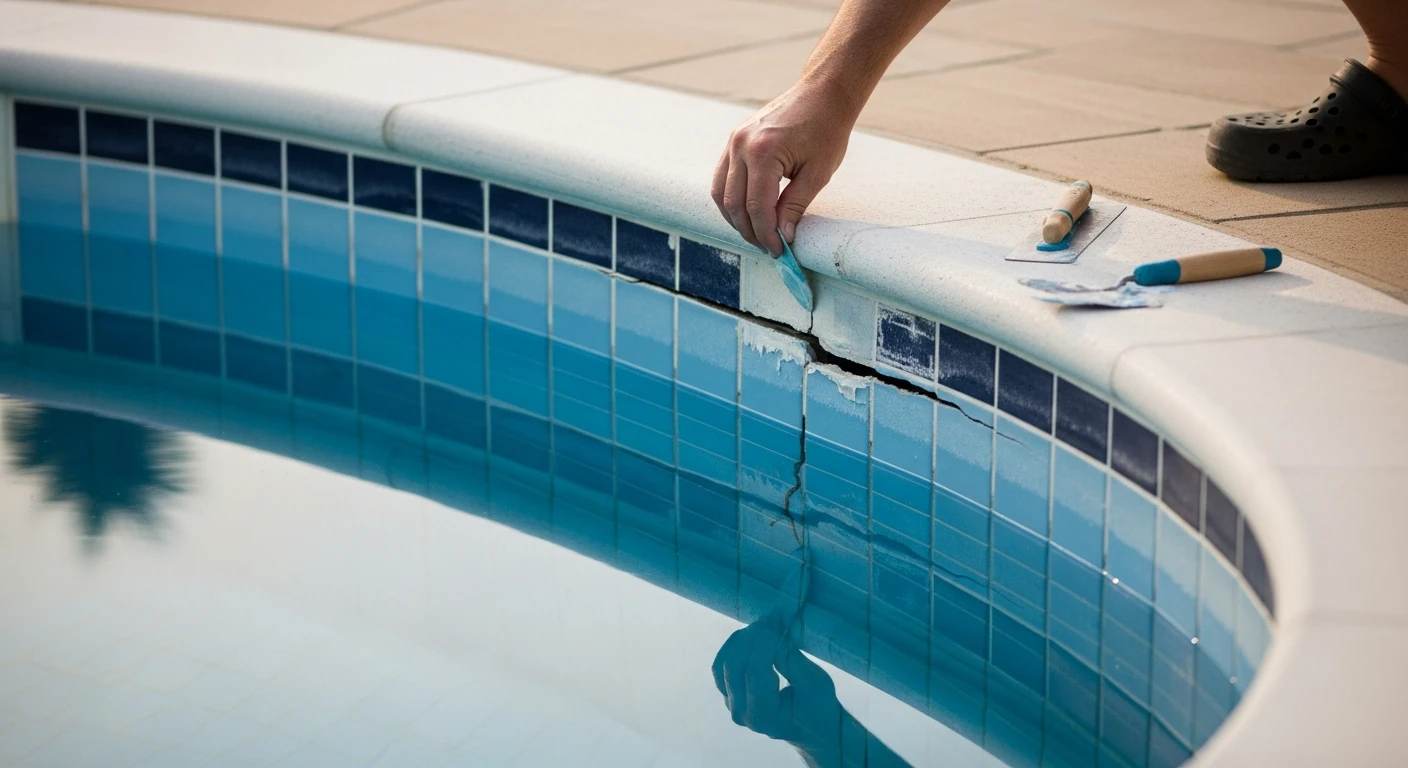
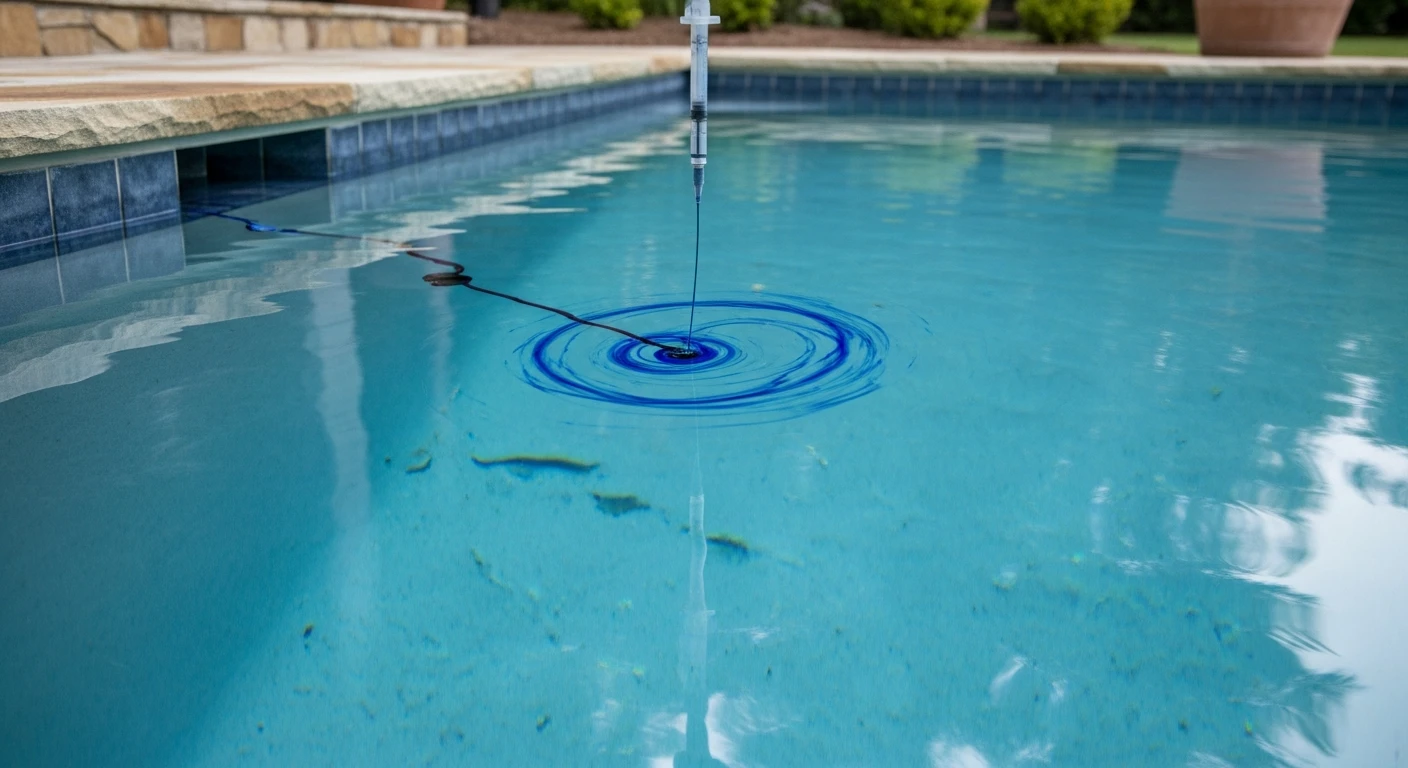
The most common "gotcha" for new homeowners is the pool shell itself. A seemingly clean marcite or pebble-tec surface can be hiding widespread delamination. I use a technique called acoustic sounding, methodically tapping the entire surface of the pool with a specialized tool. A solid, sharp sound indicates a healthy bond; a hollow, dull thud reveals a pocket of water trapped behind the finish, a sign of imminent failure that often leads to a full resurfacing job. For leak detection, I go beyond the obvious. My proprietary process includes:- A static dye test targeting the skimmer throat and return fittings, which are common failure points in pools built before 2005.
- A precise pressure-decay test on the entire plumbing system. I isolate the lines and use a digital manometer to measure pressure loss over a 15-minute period. A drop of more than 1 PSI indicates a leak in the underground plumbing, a repair that can be incredibly invasive and expensive.
The Full Inspection Sequence: From Pump Room to Water Chemistry
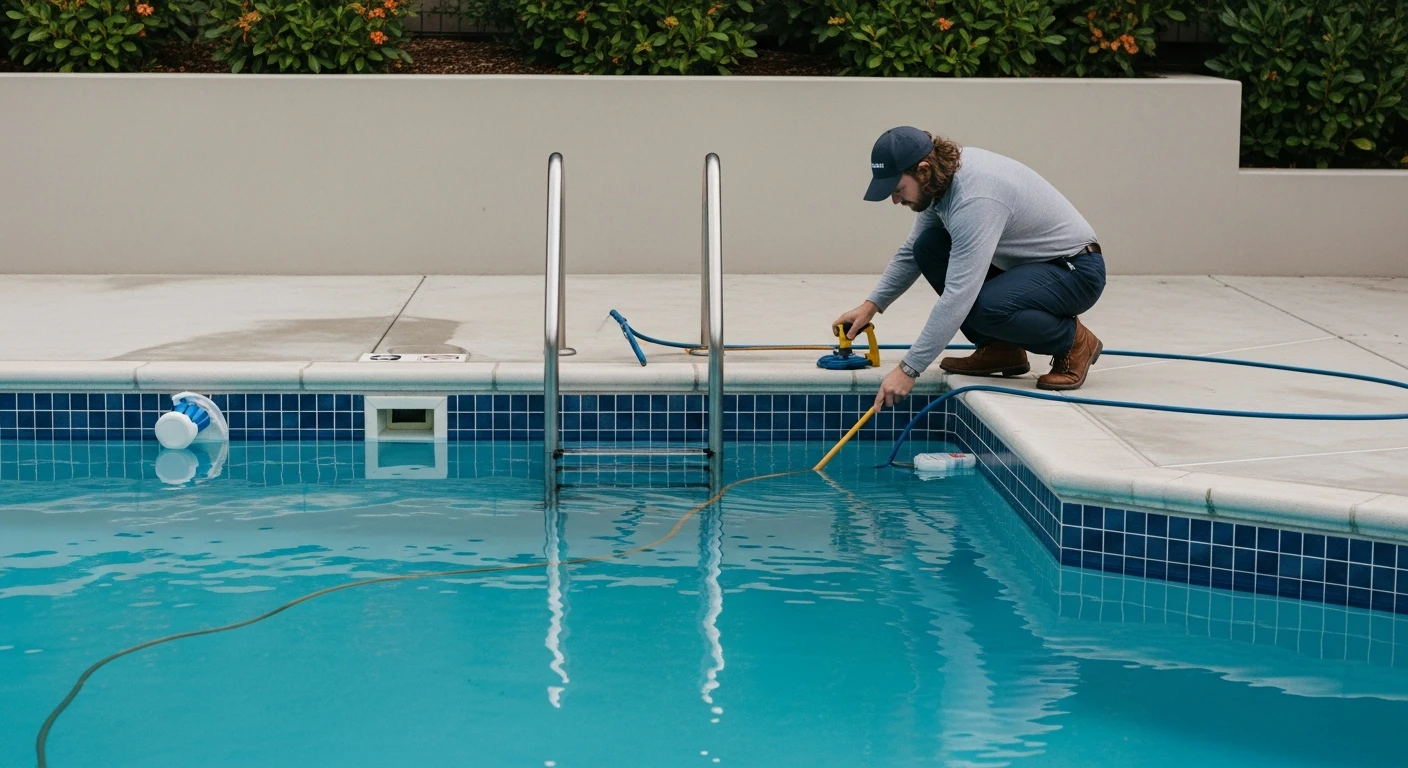
Once the static and structural assessments are complete, I move to the dynamic, operational phase. This is a systematic, repeatable process I have refined over hundreds of inspections across Lee County, from Sanibel to Lehigh Acres. My operational checklist is exhaustive and focuses on performance metrics, not just function:- Equipment Pad Analysis: I verify the pump's amperage draw against the manufacturer's specifications. A high reading often signals failing motor bearings. I also perform a full diagnostic on the filter, checking the internal manifold and cartridges for cracks.
- Electrical Safety Audit: This is a non-negotiable step. I test every GFCI outlet for proper function and, crucially, verify the presence and integrity of the equipotential bonding wire. I've found this critical safety feature missing in over 30% of older homes, posing a serious electrocution risk.
- Automation and Heater Check: For modern pools, I cycle through every function of the automation system. For heaters, I conduct a combustion analysis on gas units and verify the heat pump’s refrigerant pressures and temperature differential.
- Advanced Water Chemistry Profile: I don't just use simple test strips. I perform a full titration test to get precise readings for calcium hardness, cyanuric acid, and total dissolved solids (TDS). High TDS, especially in saltwater pools around Fort Myers Beach, can lead to premature salt cell failure and corrosion.
Interpreting the Data: What Separates a Pass from a Pending Failure
The final report is not just a list of findings; it's an interpretation of the data. A slightly noisy pump motor isn't just "noisy"—it's a sign that the bearings have maybe 6-12 months of life left, representing a predictable future expense. A calcium hardness level over 500 ppm isn't just a number; it's an indicator that the plaster is susceptible to scaling and staining, which can permanently damage the finish. My goal is to provide a complete picture of the pool's health and a realistic forecast of its operational costs for the next 3-5 years. I translate technical data into a clear risk assessment, empowering you to negotiate repairs or budget for future replacements with complete confidence. This is the information gain that protects your investment. Is your current inspection plan designed to measure the pump's true hydraulic efficiency against its performance curve, or are you just checking if it turns on?Written by

Tags
pool inspectors near me
leak detection pools
pool leak inspection
certified pool inspector near me
Pool Inspection Services in Lee FL FAQ
What is the purpose of a pool inspection?
A pool inspection is a thorough examination of your pool's condition to identify any potential issues or defects. Our expert inspectors will assess the pool's structure, equipment, and surrounding areas to ensure your pool is safe and functioning properly.
What kind of issues can a pool inspection detect?
Our pool inspections can detect a wide range of issues, including cracks in the pool shell, leaks in the pipes or equipment, improper chemical levels, and safety hazards such as loose or missing handrails. We'll identify any problems before they become major concerns.
How often should I get my pool inspected?
It's recommended to have your pool inspected at least once a year, but more frequently if you notice any issues or changes in the pool's condition. Regular inspections can help prevent costly repairs and ensure your pool remains safe and enjoyable.
What are the benefits of hiring a professional pool inspector?
Our expert inspectors have the training and experience to identify potential issues that you may not notice yourself. We'll provide you with a detailed report outlining any problems found and recommendations for repairs or maintenance. This can help you prioritize your pool's needs and budget accordingly.
Can I perform a pool inspection myself?
While it's possible to perform a basic pool inspection yourself, it's often difficult to identify potential issues without proper training and experience. Our inspectors have the knowledge and expertise to identify subtle signs of trouble that could lead to more serious problems down the line.
Do you offer pool inspection services for commercial pools?
Yes, we provide pool inspection services for commercial pools, including hotels, resorts, schools, and other public facilities. Our inspectors are trained to assess the unique needs and requirements of commercial pools and provide detailed reports for your maintenance team or insurance provider.
How long does a pool inspection typically take?
The length of a pool inspection can vary depending on the size and complexity of the pool, as well as the number of issues found. Generally, our inspections take anywhere from 30 minutes to several hours to complete.
What if I need repairs or maintenance after the inspection?
We can recommend local contractors and providers for any necessary repairs or maintenance. We'll also work with you to prioritize your pool's needs and budget accordingly, ensuring you get the best value for your investment.
Are your pool inspectors certified and insured?
Yes, our pool inspectors are certified by industry-recognized organizations and are fully insured for your protection. We're committed to providing you with expert, trustworthy service.