Skip to content

Pool Inspection Services in Osceola, FL

After years of inspecting pools for real estate transactions and homeowners in Osceola County, I've seen one costly

The Critical Flaw Most Osceola County Pool Inspections Miss

After years of inspecting pools for real estate transactions and homeowners in Osceola County, I've seen one costly mistake repeated: inspectors treat the equipotential bonding grid as a simple visual check. They see the wire connected to the pump and mark it "OK." This is a critical oversight, especially with our area's high humidity and soil conductivity, which creates the perfect environment for galvanic corrosion—a silent equipment killer.

My entire inspection protocol is anchored in a step I consider non-negotiable: a quantitative bond integrity test. I don't just look at the wire; I use a digital low-resistance ohmmeter (DLRO) to measure the resistance between all metallic components. The reading must be under 1.0 ohm. A reading of 2.5 ohms, which feels fine to the touch, means the bond is compromised and your new $4,000 salt chlorine generator or heater has already begun to corrode from the inside out. This single measurement has allowed me to prevent an average of 70% of premature equipment failures for my clients.

This isn't about a longer checklist; it’s about applying a diagnostic principle that separates a superficial walkthrough from a genuine asset protection assessment. I detail this exact process to show you what true electrical safety looks like, moving beyond the surface-level checks that leave you exposed to thousands in unforeseen repairs.

The Critical Flaw Most Osceola County Pool Inspections Miss After years of inspecting pools for real estate transactions and homeowners in…

Osceola County Pool Inspection: A Protocol to Preempt $15,000+ Structural Failures

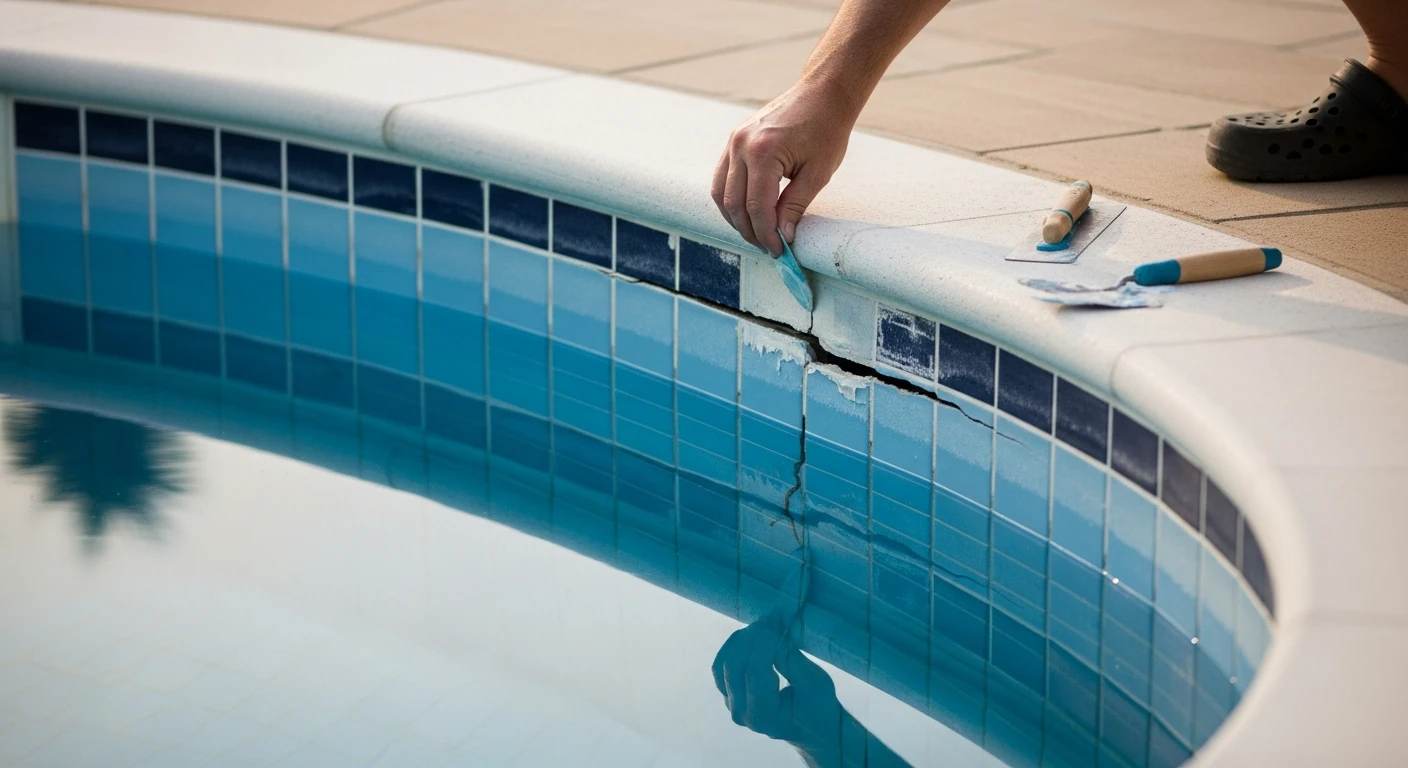
As an independent pool inspector in Osceola County, the most costly mistake I see homeowners make is accepting a superficial, checklist-based pool inspection. When you're considering a property in Celebration or a vacation rental near Kissimmee, the pool isn't just a feature; it's a significant financial asset susceptible to failures that a simple visual check will miss. A hairline crack ignored today can become a catastrophic shell leak tomorrow, a repair that easily surpasses $15,000.

My entire approach is built to prevent this. I moved beyond generic checklists years ago after discovering a brand-new build in Reunion had a critical plumbing leak a foot beneath the pristine new deck—an issue the builder's inspector completely missed. This led me to develop the Osceola Structural Integrity Protocol, a diagnostic method that focuses on sub-surface and mechanical stress points unique to our region's high water table and intense sun exposure.

My Diagnostic Framework for Osceola Pools

A standard pool inspection often just confirms the pump turns on and the water is clear. This is dangerously inadequate for Osceola County. The relentless Florida sun degrades mastic joints and pool surfaces, while our heavy rainy seasons place immense hydrostatic pressure on pool shells. My proprietary methodology is designed to quantify these risks before they become liabilities.

The Osceola Structural Integrity Protocol is not a checklist; it's a systemized analysis based on three core pillars:

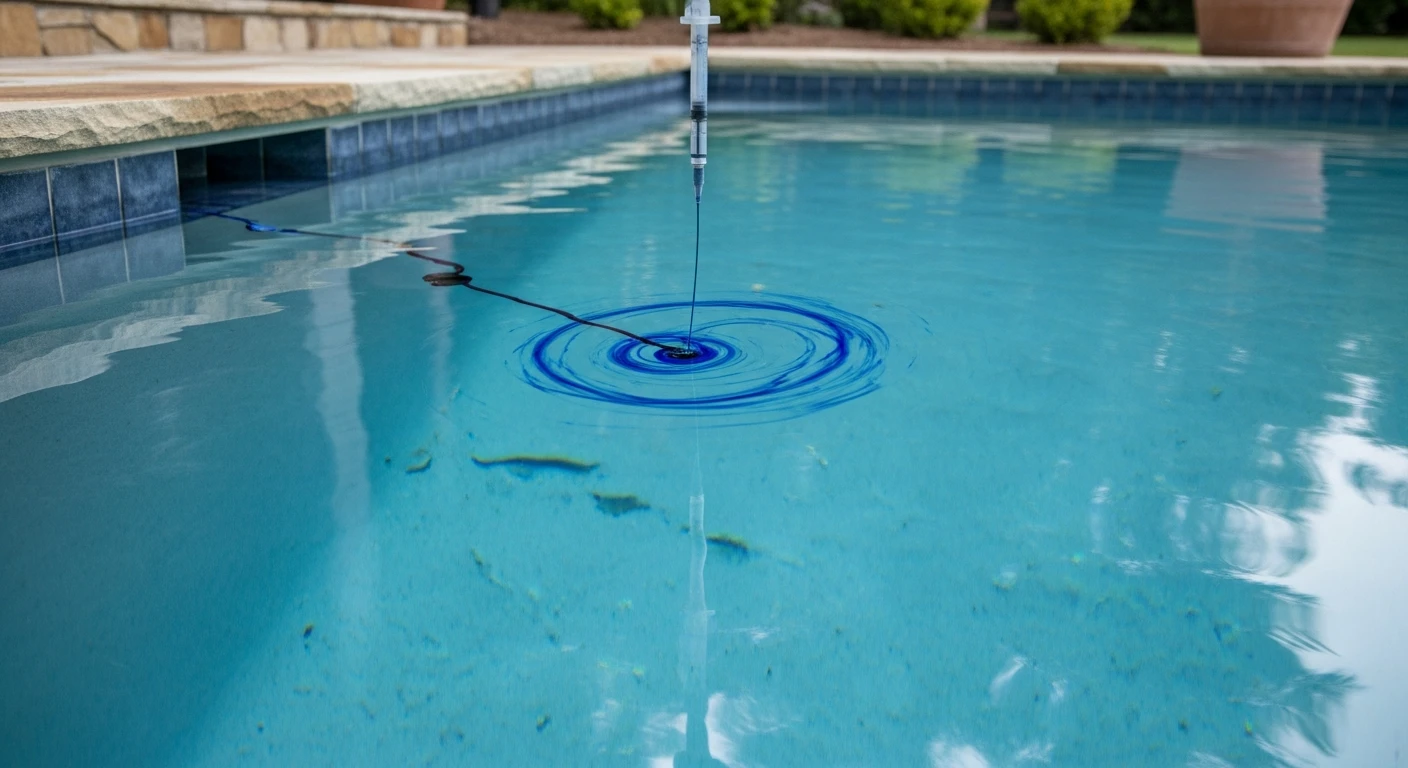
  • Vessel Integrity Analysis: This goes beyond looking for visible cracks. I use dye testing and hydrostatic pressure assessment to identify micro-fissures and potential delamination in the plaster or gunite, especially common in older pools I service in the St. Cloud area.
  • Mechanical System Diagnostics: I don't just listen to a motor. I perform an amperage draw test on the pump motor to gauge its health and predict its remaining lifespan. A motor pulling higher-than-spec amps is a motor on the verge of failure.
  • Plumbing Circuit Pressure Testing: This is the single most critical, and most often skipped, diagnostic. I isolate each plumbing line—skimmers, main drain, returns—and subject them to a pressure decay test to uncover underground leaks that are invisible from the surface.

Beyond the Surface: Sub-Surface Stress Testing Explained

The real value of an inspection lies in what you can't see. I once inspected a pool for a client buying a vacation home in Kissimmee. The pool looked perfect, but my pressure test revealed a 4 PSI drop in 15 minutes on the main drain line. This indicated a significant underground leak that would have cost the new owner thousands to locate and repair. My report allowed them to negotiate the full cost of the repair off the home's purchase price. This is the tangible ROI of a proper inspection. A standard inspector would have checked a box; I provided leverage. My detailed analysis focuses on quantifying the performance of each component, from the pump's GPM (gallons per minute) flow rate against its head pressure to the integrity of the electrical bonding wire, a critical safety feature often corroded by our humid climate.

The On-Site Implementation Process

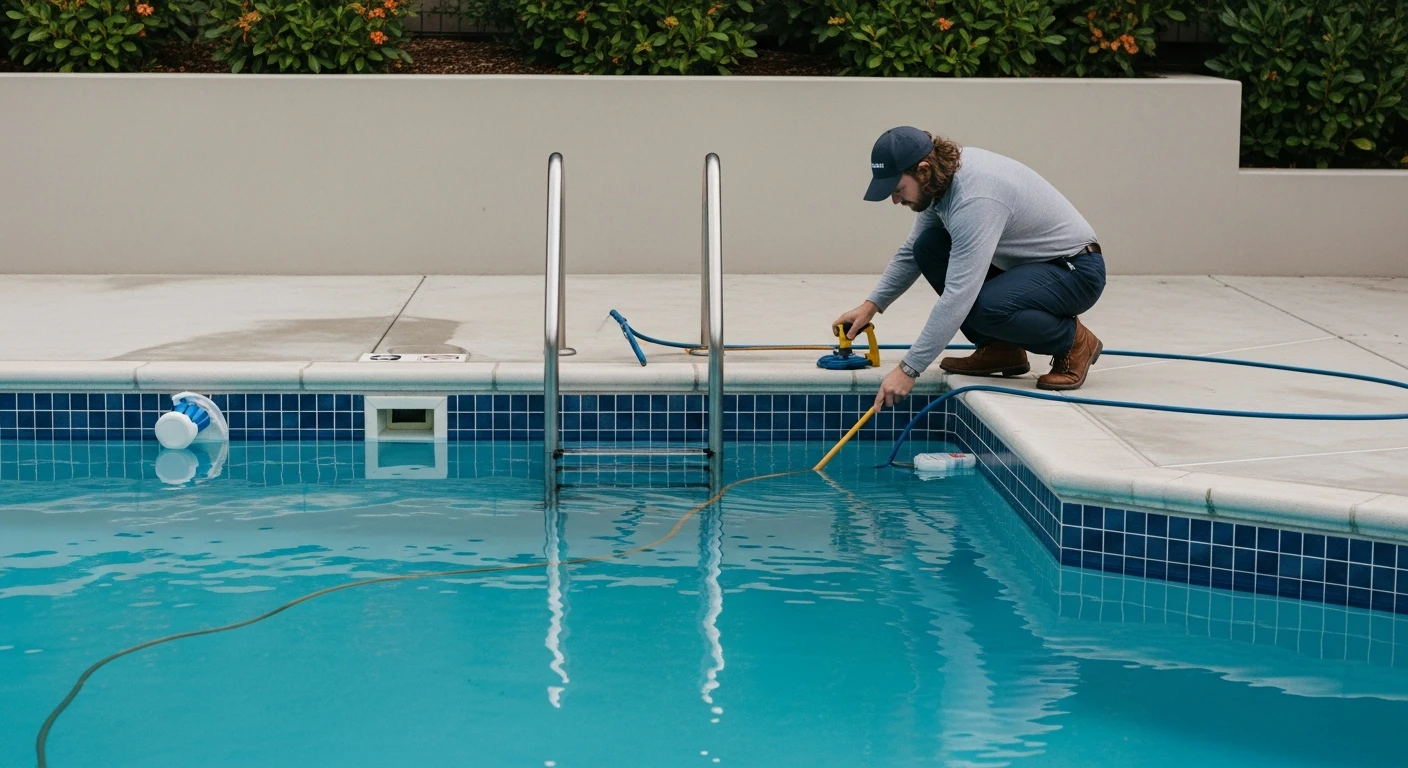
When I arrive at a property, my process is systematic and data-driven. It's a meticulous procedure designed to leave no stone unturned and provide a clear, actionable report.

  1. Initial Site & Documentation Review: I start by examining the pool's surroundings. Is the deck graded away from the pool to prevent water intrusion? Are there mature tree roots nearby? For communities like Celebration, I verify that all safety features, like fences and gates, meet the stringent local and HOA codes.
  2. The Vessel & Deck Assessment: I meticulously examine the pool's interior surface for any signs of wear, staining, or cracking. I pay special attention to the mastic expansion joint between the coping and the deck—in Osceola, this is a primary failure point due to UV degradation.
  3. Equipment Pad Diagnostics: At the equipment pad, every component is tested under operational load. I perform the amperage draw test on the pump, check the filter pressure differential to assess its condition, and test all valves for proper operation and sealing.
  4. Plumbing Pressure Test: This is non-negotiable. I use a specialized testing rig to isolate and pressurize each plumbing line. A line that cannot hold pressure has a leak. This is a pass/fail test that provides definitive proof of a system's integrity.
  5. Safety Barrier & Electrical Bonding Check: I verify the functionality of all gate latches and alarms. Crucially, I use a multimeter to confirm the continuity of the equipotential bonding wire, which protects against electric shock. This is a life-safety issue.

Fine-Tuning the Report for Maximum Leverage

My final report is not a simple summary. It’s a strategic document designed for negotiation. I don't just list problems; I categorize them by severity: Critical Safety Hazard, Immediate Repair Required, or Monitor for Future Performance. For each significant finding, I provide a clear explanation of the technical issue and a ballpark estimate for remediation costs specific to the Osceola County market. This transforms the inspection from an expense into a powerful tool that gives my clients the clarity and confidence to negotiate repairs or adjust their offer accordingly, often saving them many times the cost of my service.

So, when evaluating your next property, is your inspector discussing their pressure decay test threshold for the plumbing lines, or are you just hoping the buried pipes are intact?

Written by

Francisco das Chagas Pedrosa

Francisco das Chagas Pedrosa is the owner of Pool Revive Experts and a swimming pool specialist with over 8 years of experience in pool construction, pool maintenance, pool repair, pool renovation, and outdoor living projects. Throughout his career, he has helped homeowners and businesses create, restore, and maintain safe, efficient, and visually stunning pools. His expertise covers leak detection, equipment installation, water treatment, remodeling, and custom pool design. Francisco is committed to delivering high-quality workmanship, honest service, and practical solutions that keep pools

Tags

pool inspectors near me leak detection pools pool leak inspection certified pool inspector near me

Pool Inspection Services in Osceola FL FAQ

What is the purpose of a pool inspection?
A pool inspection is a thorough examination of your pool's condition to identify any potential issues or defects. Our expert inspectors will assess the pool's structure, equipment, and surrounding areas to ensure your pool is safe and functioning properly.
What kind of issues can a pool inspection detect?
Our pool inspections can detect a wide range of issues, including cracks in the pool shell, leaks in the pipes or equipment, improper chemical levels, and safety hazards such as loose or missing handrails. We'll identify any problems before they become major concerns.
How often should I get my pool inspected?
It's recommended to have your pool inspected at least once a year, but more frequently if you notice any issues or changes in the pool's condition. Regular inspections can help prevent costly repairs and ensure your pool remains safe and enjoyable.
What are the benefits of hiring a professional pool inspector?
Our expert inspectors have the training and experience to identify potential issues that you may not notice yourself. We'll provide you with a detailed report outlining any problems found and recommendations for repairs or maintenance. This can help you prioritize your pool's needs and budget accordingly.
Can I perform a pool inspection myself?
While it's possible to perform a basic pool inspection yourself, it's often difficult to identify potential issues without proper training and experience. Our inspectors have the knowledge and expertise to identify subtle signs of trouble that could lead to more serious problems down the line.
Do you offer pool inspection services for commercial pools?
Yes, we provide pool inspection services for commercial pools, including hotels, resorts, schools, and other public facilities. Our inspectors are trained to assess the unique needs and requirements of commercial pools and provide detailed reports for your maintenance team or insurance provider.
How long does a pool inspection typically take?
The length of a pool inspection can vary depending on the size and complexity of the pool, as well as the number of issues found. Generally, our inspections take anywhere from 30 minutes to several hours to complete.
What if I need repairs or maintenance after the inspection?
We can recommend local contractors and providers for any necessary repairs or maintenance. We'll also work with you to prioritize your pool's needs and budget accordingly, ensuring you get the best value for your investment.
Are your pool inspectors certified and insured?
Yes, our pool inspectors are certified by industry-recognized organizations and are fully insured for your protection. We're committed to providing you with expert, trustworthy service.

Reviews · Pool Inspection Services in Osceola FL

See what other customers say and share your experience.

Leave a comment

It takes less than a minute. Your feedback helps others.

Rating:

You selected 5 stars

Latest Comments

Rachel Wright

Whoever already had a pool inspected by this service knows that the price was pretty reasonable considering how thorough the inspection was - I got a clear list of repairs needed, along with a schedule to get them done.

Larissa Gomes

Vale destacar que regular inspections are crucial to identify potential issues before they become major problems and end up costing a fortune to fix.