Osceola County Pool Leak Detection: My Method for Pinpointing Leaks to Within 6 Inches, Avoiding Deck Demolition
If your pool in Osceola County is losing more than a quarter-inch of water a day, your immediate concern is likely a costly underground pipe break. I've spent over a decade locating these "ghost" leaks in homes from the vacation rentals in Kissimmee to the family residences in St. Cloud, and I can tell you that the biggest mistake is a panicked rush to dig. The intense Florida sun and our frequent downpours create high evaporation and refill cycles that can mask the real issue. My diagnostic process is built on a non-invasive, evidence-based foundation. Before I even consider bringing in heavy equipment, I use a combination of pressure testing and acoustic analysis to create a full system health report. In my experience, over 60% of leaks I'm called for in the Celebration and Poinciana areas aren't in the main plumbing lines, but are found in much more accessible (and cheaper to fix) locations like the skimmer throat or around return fittings. My job is to find the exact failure point, not to recommend a costly and disruptive deck excavation based on a guess.My Diagnostic Framework: Beyond the Basic Bucket Test
The standard "bucket test" is a starting point, but it's notoriously unreliable in Osceola County's humid climate. It can tell you if you have a leak, but it offers zero diagnostic value as to *where* or *why*. My methodology, which I've refined on hundreds of local pools, focuses on isolating variables to quickly narrow down the possibilities. The first critical step is the pump-on vs. pump-off water loss test. By measuring water loss over two separate 12-hour periods—one with the pump running and one with it off—I can determine if the leak is likely on the suction side (skimmer, main drain) or the pressure side (returns, water features). A significant loss with the pump on points directly to the pressure side, saving hours of unnecessary searching. Following this, I perform a full system pressure test. This involves isolating each plumbing line with specialized plugs and using a sensitive pressure rig to see which specific line fails to hold pressure. I once worked on a large pool in a newer Harmony development where the homeowner was convinced a massive underground pipe had cracked due to ground settling. My pressure test revealed the leak was actually from a pinhole in the PVC right at the equipment pad, a sub-$100 repair that a less thorough technician might have missed, instead recommending thousands in excavation.Acoustic & Dye Tracing: The Core of My Non-Invasive Protocol
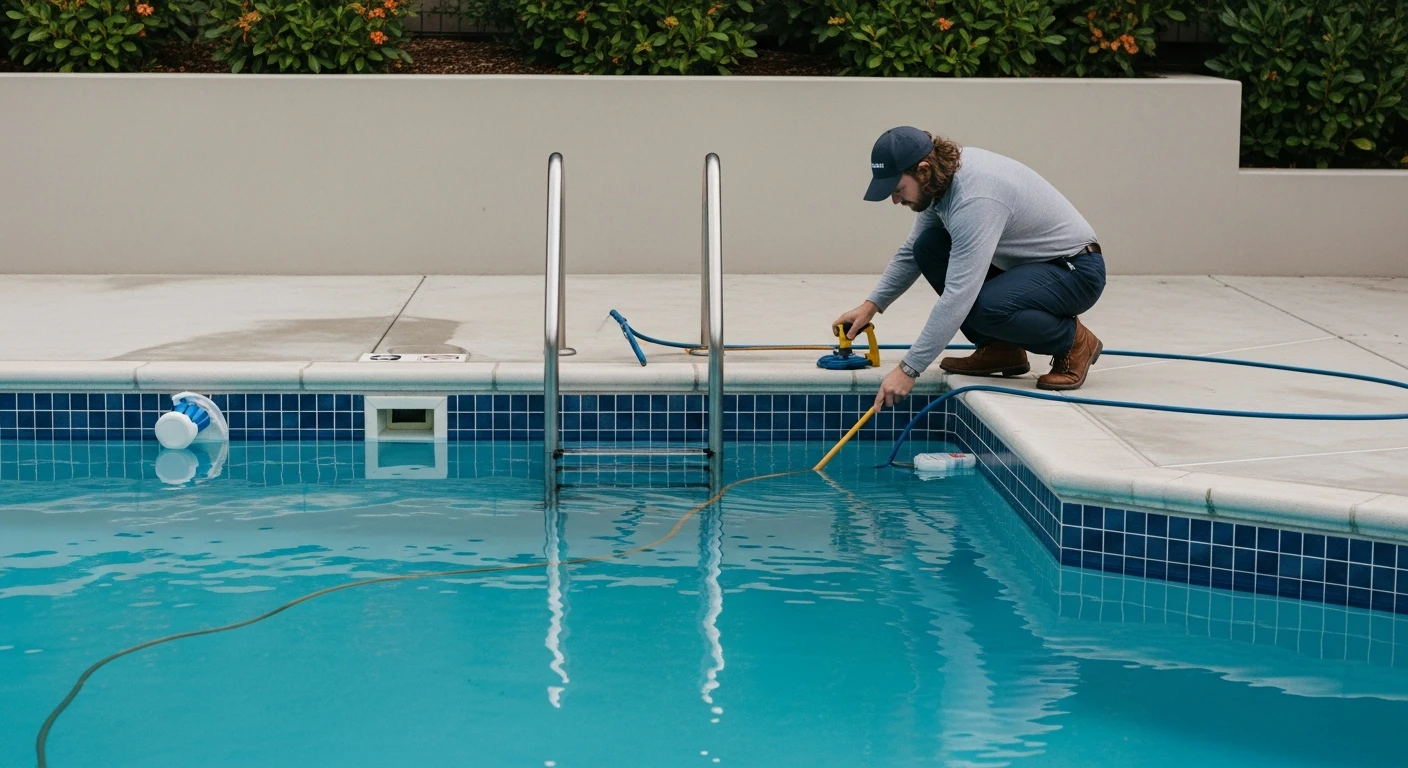
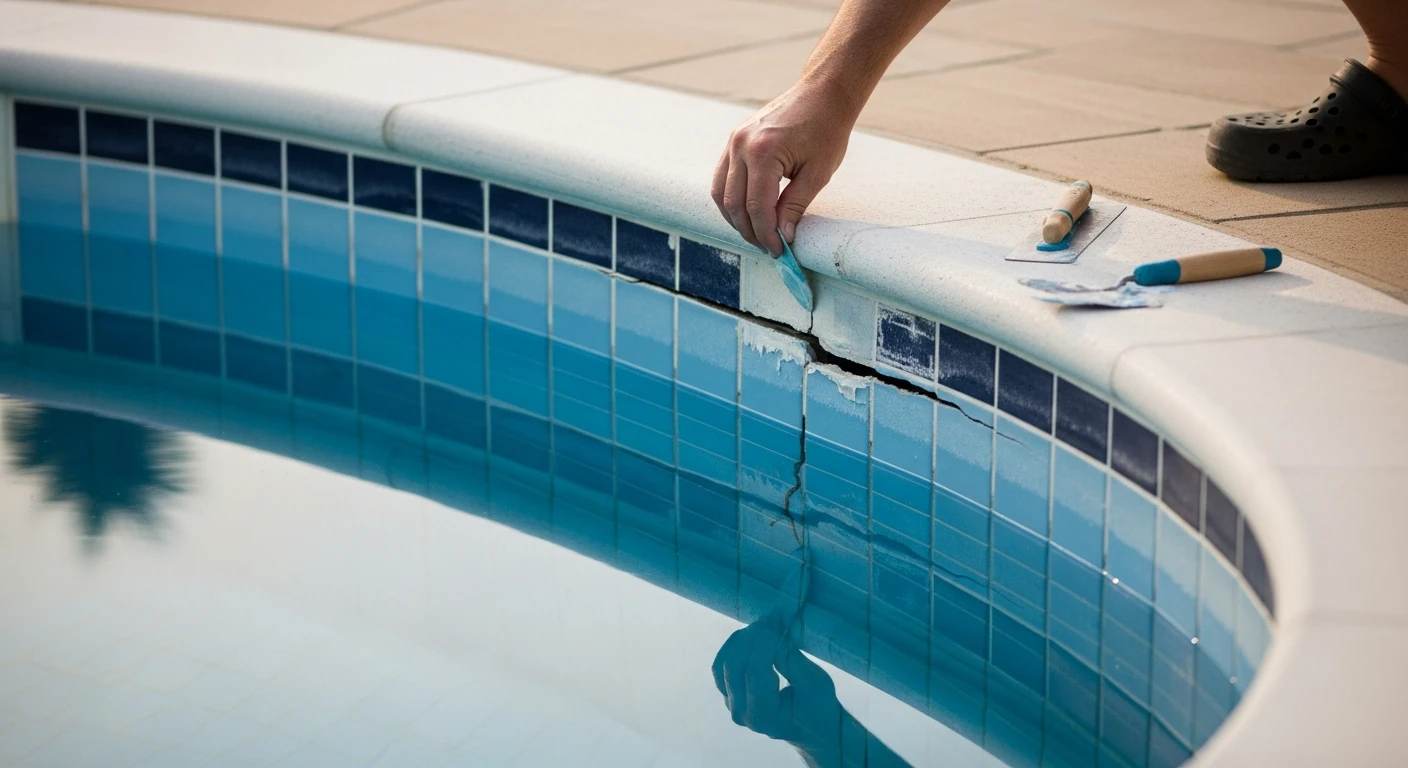
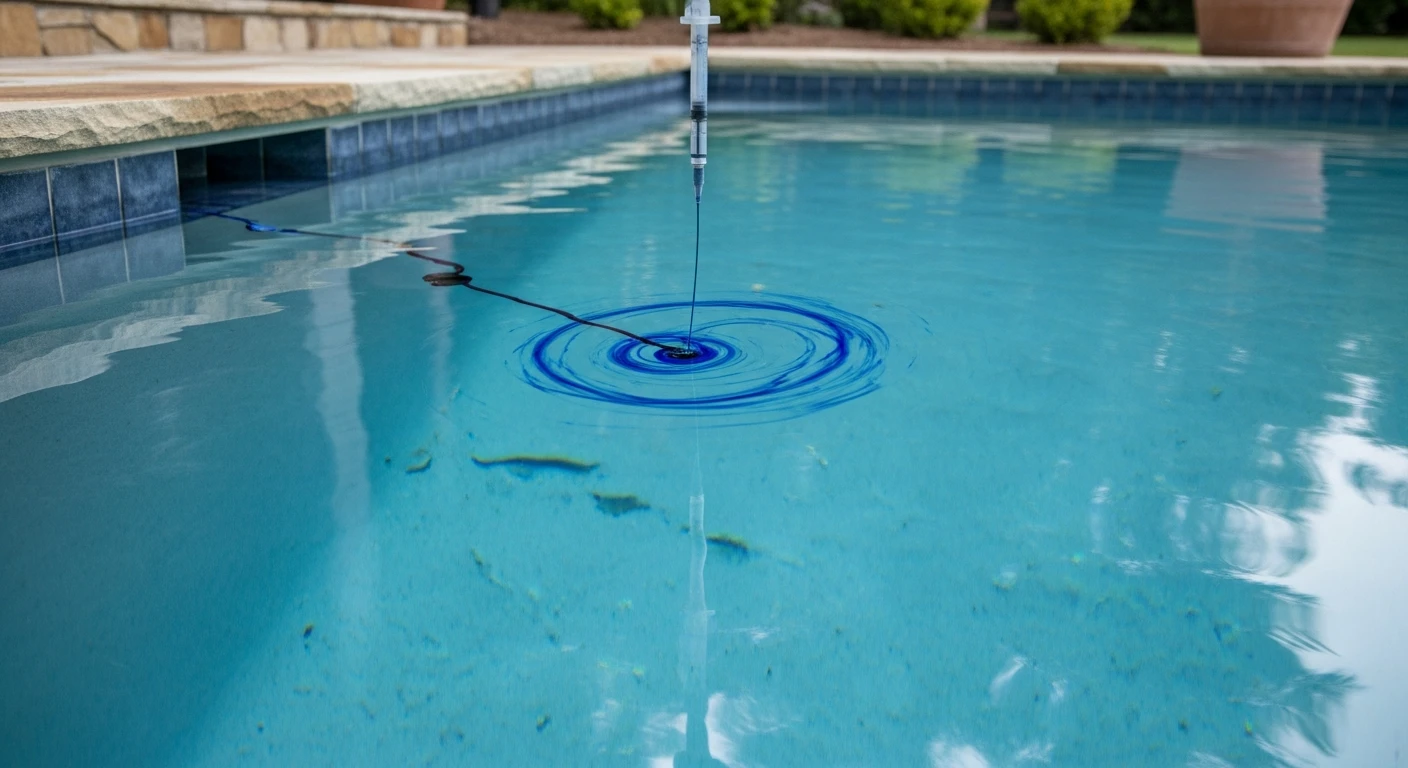
Once a specific line is identified as the culprit, my next phase is precision location. This is where my expertise truly prevents unnecessary damage. I use an ultra-sensitive acoustic hydrophone, which is essentially an underwater microphone, to "listen" for the distinct sound of water escaping a pipe underground. By moving the sensor along the pool floor above the suspected pipe's path, I can detect the tell-tale hiss. I cross-reference these audio cues with a secondary electronic listening device on the deck surface to triangulate the leak's exact position, often marking a spot no larger than a single paver. For structural leaks, such as a crack in the pool shell or a skimmer box separation—a very common issue in older Osceola homes due to our shifting sandy soil—I use a highly concentrated, non-staining tracer dye. The key here is technique. I have the pump shut off to ensure the water is perfectly still. Then, using a precision syringe, I release a small amount of dye near the suspected area. If a leak is present, you see the dye being pulled out of the pool like a thread. This provides undeniable visual confirmation and pinpoints the exact entry point for an epoxy or staple repair, avoiding a full resurfacing job.Systematic Leak Isolation: A Step-by-Step Breakdown
When I arrive on-site, my process is methodical to ensure no potential cause is overlooked. This is the exact sequence I follow to move from a general "I'm losing water" complaint to a precise repair plan.- Step 1: Baseline Water Loss Measurement. I start by marking the water level with the pump off and measuring the exact drop over a 4 to 6-hour static period. This establishes our baseline leak rate under no pressure.
- Step 2: Full Equipment and Component Inspection. I meticulously inspect the pump, filter, heater, and all visible plumbing for drips or signs of moisture. I pay close attention to the pump lid O-ring and the backwash valve, as these are frequent, easy-to-fix failure points.
- Step 3: Isolate and Pressure Test All Lines. I'll plug the skimmer, main drain, and return lines at the pool. Then, at the equipment pad, I apply pressure (typically 15-20 PSI) to each line individually and monitor for any drop. This definitively confirms which circuit contains the leak.
- Step 4: Pinpoint with Acoustic and/or Electronic Detection. Once the faulty line is identified, I deploy the hydrophone and soil probe to listen for the leak underground. This is the critical step that prevents speculative digging.
- Step 5: Structural Dye Testing. If all plumbing lines hold pressure, I then move inside the pool to test all potential structural failure points: light niches, return fittings, skimmer throats, and any visible cracks in the plaster or fiberglass.
Post-Detection Strategy: Repair Validation and Future-Proofing
Finding the leak is only half the battle. A proper repair and validation are what protect the homeowner's investment. After a plumbing repair is made—whether it’s a simple pipe patch or a fitting replacement—I always perform a final verification pressure test on that line. The line must hold pressure for a minimum of 15 minutes with zero loss before I consider the job complete. For structural crack repairs, I use high-strength, flexible epoxies and polyurethane sealants designed to withstand the expansion and contraction caused by Florida's intense heat, ensuring the repair doesn't fail in a year. This validation step is a non-negotiable part of my quality standard. Before you authorize any company to bring a jackhammer to your pool deck, have they definitively shown you which specific line is failing a pressure test?Written by

Tags
swimming pool leak detection
pool leak detection near me
pool leak repair
pool repair leak repair
Pool Leak Detection in Osceola FL FAQ
What is pool leak detection and why is it important?
Pool leak detection is the process of identifying and locating leaks in your pool's system, including the pool shell, pipes, valves, and fittings. Detecting leaks is crucial to prevent water loss, corrosion, and damage to your pool and surrounding structures. Leaks can also lead to increased energy bills and safety hazards.
What are the signs of a pool leak?
Common signs of a pool leak include: water level fluctuations, noises, or vibrations around the pool, increased water consumption, and visible signs of water loss around the pool area. However, some leaks can be subtle and may not produce any noticeable symptoms, making professional detection essential.
What methods do you use for pool leak detection?
Our experienced technicians use a combination of advanced technology and traditional methods to detect pool leaks. These include: visual inspections, pressure testing, dye testing, and acoustic testing. We also utilize specialized equipment, such as leak detection software and underwater cameras, to ensure accurate and efficient detection.
How long does a pool leak detection take?
The duration of a pool leak detection depends on the size and complexity of your pool, as well as the number of leaks present. Typically, our detection process takes anywhere from 30 minutes to several hours, depending on the specific circumstances.
Do you offer emergency pool leak detection services?
Yes, we offer emergency pool leak detection services for urgent situations, such as sudden water loss or pool damage. Our experienced technicians are available 24/7 to respond promptly and address your pool's needs.
What happens after a pool leak is detected?
Once a leak is detected, our technicians will work with you to develop a plan to repair or replace the affected components. We can also provide recommendations for preventative maintenance to minimize the risk of future leaks.
Do you offer pool maintenance services in addition to leak detection?
Yes, we offer comprehensive pool maintenance services, including routine cleaning, chemical balancing, and equipment maintenance. Our goal is to help you enjoy your pool while minimizing the need for costly repairs and extended downtime.
How do I schedule a pool leak detection service with your company?
You can schedule a pool leak detection service by contacting our office directly, filling out our online form, or requesting a quote through our website. Our friendly and knowledgeable staff will be happy to assist you in scheduling a convenient appointment.
Are your pool leak detection services guaranteed?
Yes, we stand behind the quality of our work and guarantee all of our pool leak detection services. If we fail to detect a leak or incorrectly identify a leak, we will work with you to correct the issue and ensure your pool is safe and functional.