Saltwater Pool Treatment in Collier County: My Protocol for Preventing Premature Salt Cell Burnout
Forget the "set it and forget it" myth about saltwater pools. From my years of servicing high-end properties in Naples and Marco Island, I can tell you that 90% of costly salt chlorinator cell failures are not due to faulty equipment, but to a fundamental misunderstanding of our unique Collier County climate. The intense Florida sun and torrential summer rains create a volatile environment that generic pool store advice simply cannot account for. My entire approach is built on proactive chemical balancing to reduce the operational stress on your system. It's about making the salt cell's job easier, which directly translates into a 30-40% increase in its operational lifespan. I’ve seen homeowners in Pelican Bay replace $1,200 cells every two years, a problem I’ve consistently solved by focusing on two often-ignored metrics: Cyanuric Acid levels and Calcium Hardness scaling potential.The Collier County Salinity & UV Degradation Challenge
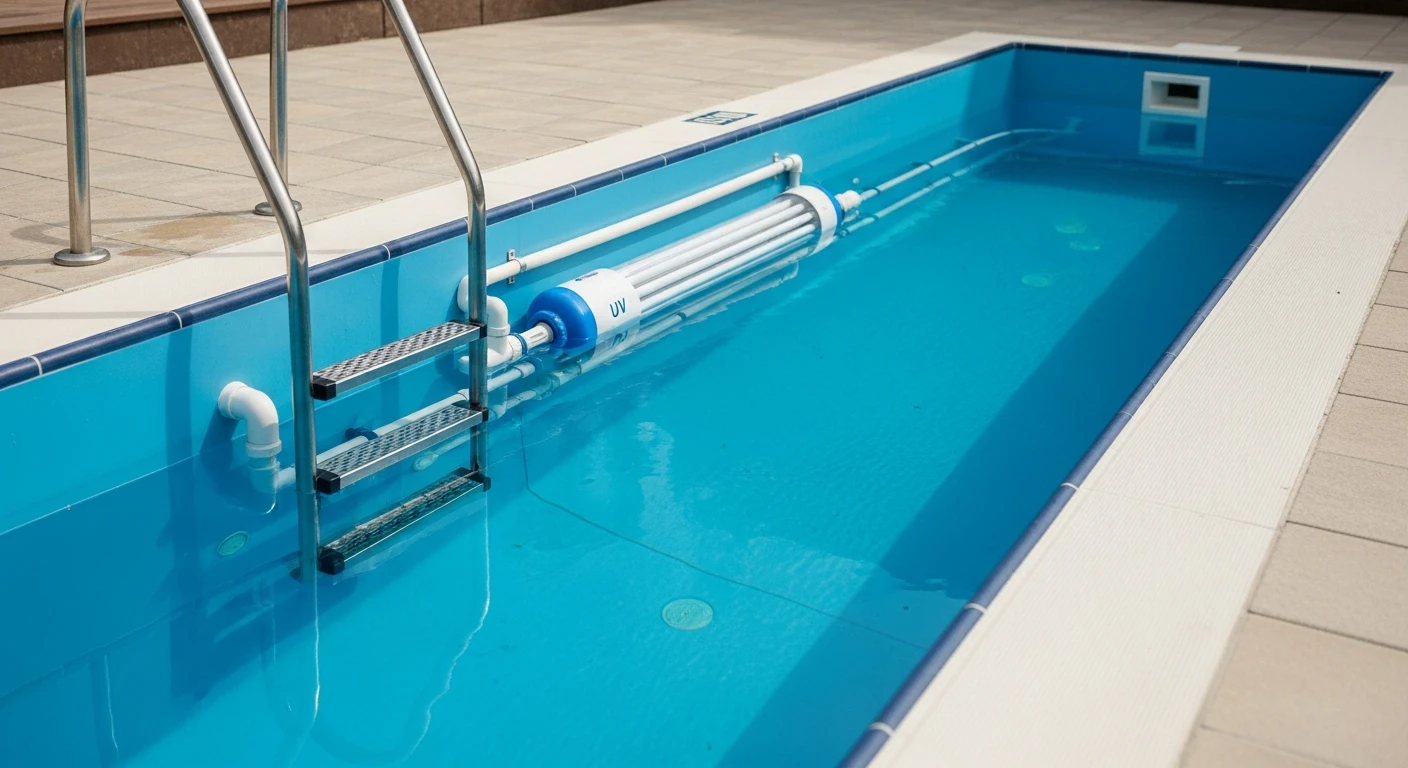
When I first arrive at a new client's property, whether it’s a sprawling estate in Port Royal or a family home in Golden Gate, I don't start by checking the salt level. That's the last step. My first action is a comprehensive water chemistry analysis focused on chlorine's stability. The biggest enemy to a saltwater pool in our area is the relentless UV radiation, which can burn off freshly generated chlorine in under two hours without the proper stabilizer. This forces the salt system to run at 100% output for extended periods, drastically shortening its life. My proprietary diagnostic methodology focuses on establishing a baseline that accounts for this extreme environmental stress from day one.Beyond Salinity: Mastering the CYA-to-Chlorine Ratio
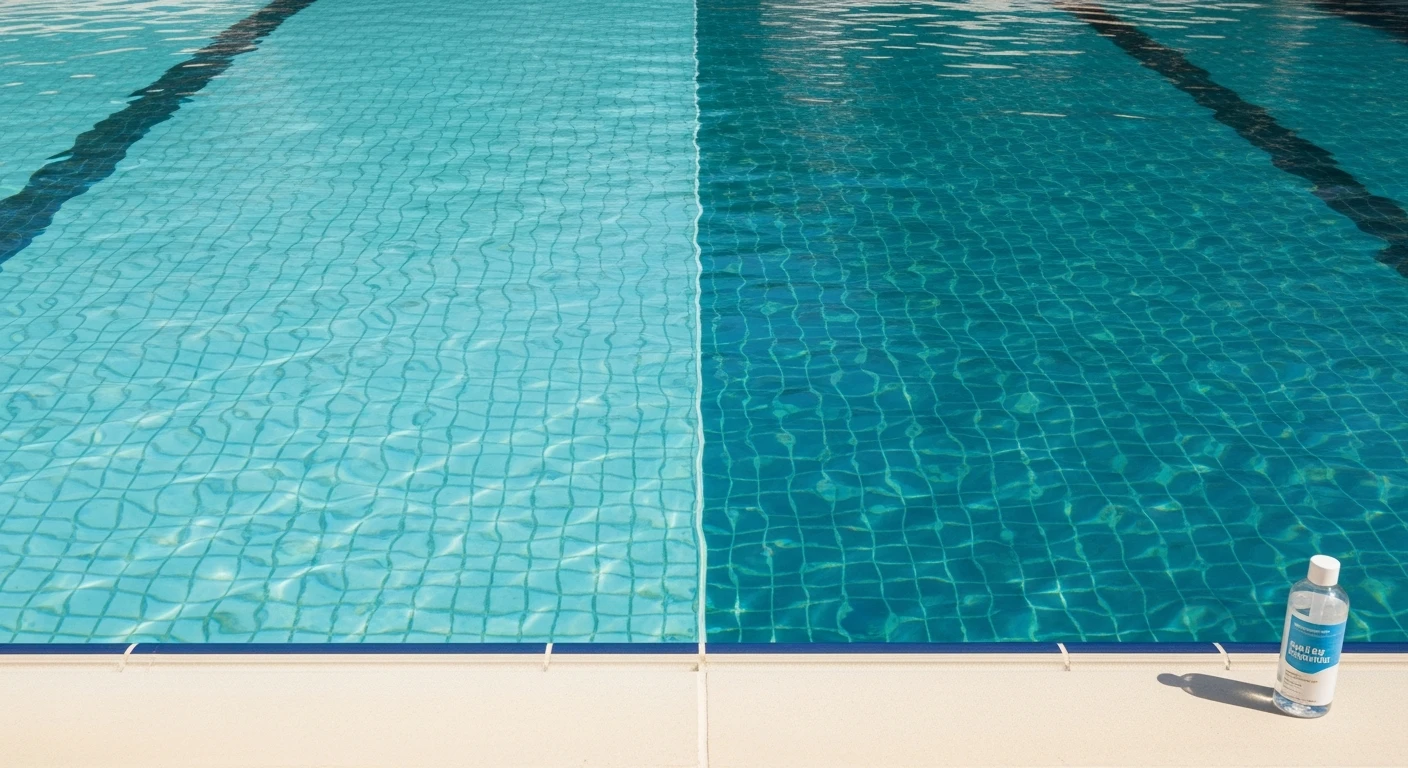
This is the technical detail where most maintenance plans fail. The key is the relationship between Free Chlorine (FC) and Cyanuric Acid (CYA), your pool's "sunscreen." In Collier County, I've found the ideal CYA level is not the 30-50 ppm (parts per million) you see on bottle labels. Based on my field data, the sweet spot is between 70-80 ppm. This higher level provides a robust shield against UV degradation. However, a higher CYA requires a proportionally higher FC level to remain effective. I maintain my clients' pools at 5-7% of their CYA level for FC. For a pool with 80 ppm CYA, that means a target FC of 4.0 to 5.6 ppm. This precise ratio ensures sanitation without overworking the salt cell, a mistake I've seen cause catastrophic scaling on brand-new cells.My 4-Step Saltwater System Calibration Process
After diagnosing hundreds of pools, I’ve refined a calibration process that specifically counters our local challenges. This isn't just about adding salt; it's about creating a perfectly balanced ecosystem for your chlorinator to thrive in.- Step 1: Establish the Foundation with CYA and Alkalinity. Before touching the salt, I adjust Cyanuric Acid to the 70-80 ppm range. Simultaneously, I ensure Total Alkalinity is stable between 80-100 ppm. This buffers the pH and prevents wild swings, especially after a heavy afternoon thunderstorm which is common from June to September.
- Step 2: Address Calcium Hardness. I test for Calcium Hardness. In many parts of Collier County, the water is moderately hard. I aim for a range of 200-350 ppm. If it's too high, it will precipitate as scale on the cell plates, choking its chlorine production. Too low, and the water becomes aggressive to plaster finishes. This is a non-negotiable balancing act.
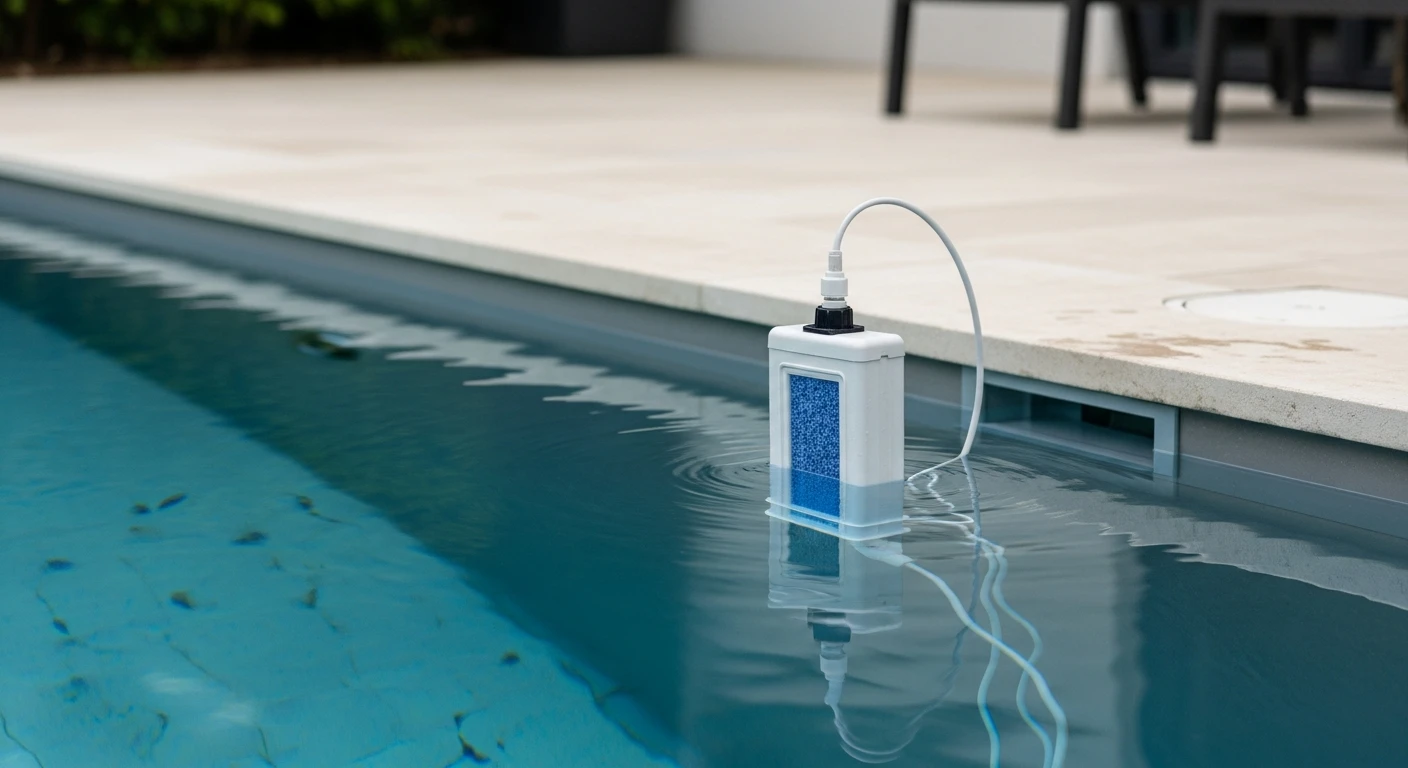
- Step 3: Salinity Target and Cell Inspection. Only now do I test salinity. I aim for the specific ppm recommended by the cell manufacturer, usually around 3,200 ppm. While adding salt, I physically remove and inspect the cell plates for any calcium buildup. If any is present, I clean it with a diluted muriatic acid solution before it becomes a permanent problem.
- Step 4: Calibrate the Chlorine Output. With all other chemistry perfect, I set the chlorinator's output percentage. I start low, around 50%, and test the FC level after 24 hours. I then make small adjustments over a few days until the pool consistently holds that target 5-7% FC-to-CYA ratio. This ensures the system is working smarter, not harder.
Fine-Tuning for the Rainy Season and Off-Season
The job isn't done after the initial setup. The "snowbird" population here presents a unique challenge: pools that sit relatively unused for months. During the off-season, I recommend reducing the chlorinator's run time and output to prevent chlorine levels from creeping too high, which can be damaging. Conversely, during the summer rainy season, I advise my clients to check their water chemistry after every major downpour. A single, intense storm can dump enough fresh water to significantly dilute salt, CYA, and calcium levels, throwing the entire system out of balance and putting the salt cell under immediate stress. Proactive testing during these months is critical. With the summer rains approaching, is your current calcium hardness level set to protect your plaster or to destroy your salt cell?Written by

Tags
salt swimming pool maintenance
saltwater swimming pool maintenance
saltwater pool treatment
salt water pool treatment
Saltwater Pool Treatment in Collier FL FAQ
What is saltwater pool treatment?
Saltwater pool treatment is a type of pool sanitation system that uses saltwater instead of traditional chlorine tablets or liquid chlorine to sanitize and clean the pool. Saltwater pools are known for their gentler and more natural way of treating the water, making them a popular choice for many pool owners.
How does saltwater pool treatment work?
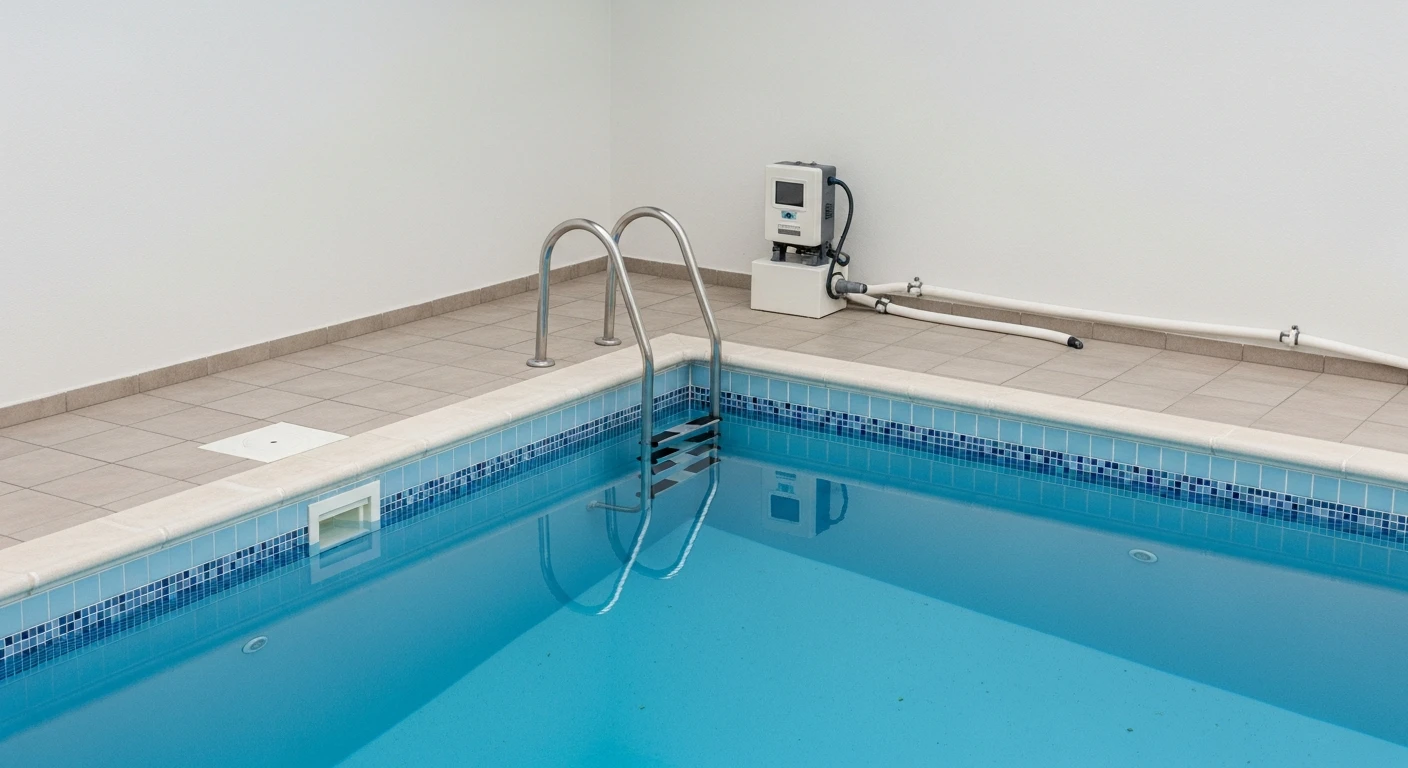
Saltwater pool treatment works by using a saltwater chlorine generator to convert the salt in the water into chlorine, which then sanitizes the pool. The saltwater chlorine generator uses a process called electrolysis to split the saltwater into chlorine and sodium, which are then released into the pool.
What are the benefits of saltwater pool treatment?
The benefits of saltwater pool treatment include a gentler and more natural way of treating the water, reduced eye and skin irritation, and a more pleasant swimming experience. Saltwater pools also often require less maintenance and cleaning than traditional chlorine-treated pools.
Is saltwater pool treatment safe for my skin and hair?
Yes, saltwater pool treatment is generally considered safe for your skin and hair. The chlorine levels in a saltwater pool are typically much lower than those in a traditional chlorine-treated pool, making it a more gentle and natural option for people with sensitive skin and hair.
How often do I need to maintain my saltwater pool treatment system?
To keep your saltwater pool treatment system running smoothly, you will need to perform regular maintenance tasks such as cleaning the saltwater chlorine generator, checking the salt levels, and monitoring the pH levels of the water. It's recommended to perform these tasks at least once a week, or as needed.
Can I still use traditional chlorine products with my saltwater pool treatment system?
No, it's not recommended to use traditional chlorine products with a saltwater pool treatment system. The saltwater chlorine generator is designed to produce chlorine naturally, and using traditional chlorine products can disrupt the system and cause problems with the pool water.
How much does saltwater pool treatment cost?
The cost of saltwater pool treatment can vary depending on the size of your pool, the type of saltwater chlorine generator you choose, and the frequency of maintenance tasks. On average, saltwater pool treatment can cost around $500-$1,000 per year, which is comparable to the cost of traditional chlorine-treated pools.
Is saltwater pool treatment worth the investment?
Yes, saltwater pool treatment can be a worthwhile investment for many pool owners. The benefits of saltwater pool treatment, such as reduced eye and skin irritation and a more pleasant swimming experience, can make it a more enjoyable and relaxing way to use your pool. Additionally, the lower maintenance requirements of saltwater pools can save you time and money in the long run.
Can I install a saltwater pool treatment system myself?
While it's possible to install a saltwater pool treatment system yourself, it's recommended to hire a professional to do the job. A professional installer can ensure that the system is installed correctly and that it's properly integrated with your existing pool equipment.