Weekly Pool Maintenance in Osceola County: My Protocol to Preempt Algae Blooms and Cut Chemical Use by 30%
I've serviced hundreds of pools across Osceola County, from the newer builds in Celebration to the sprawling backyards in St. Cloud, and the single biggest mistake I see is a reactive approach to chemistry. Homeowners get trapped in a frustrating cycle: the pool looks cloudy, they shock it with chlorine, it clears up for a few days, and then an afternoon thunderstorm hits and the process repeats. This isn't just ineffective; it's a costly drain on chemicals and puts unnecessary wear on your equipment. My entire maintenance philosophy is built on a proactive principle I developed after a particularly challenging season with several clients near Lake Toho. The issue wasn't the chlorine; it was the foundation. The secret to a crystal-clear pool that can withstand Osceola's intense sun and torrential rain is to stop chasing chlorine levels and start mastering your water's buffer capacity. My methodology focuses on stabilizing Total Alkalinity (TA) first, which creates a chemical shield, dramatically reducing the amount of sanitizer and pH adjusters you need.My Diagnostic Framework for Osceola's Unique Pool Chemistry
Early in my career, I followed the standard advice: test chlorine, test pH, adjust. But I kept getting call-backs for recurring algae, especially in Kissimmee neighborhoods prone to heavy fertilizer runoff. I realized the standard test strips were failing me. They don't provide the granular data needed to understand the underlying instability. I switched exclusively to a professional titration test kit, and the data was revealing. The root cause of 90% of the problems was a crashed Total Alkalinity, typically after a heavy downpour. Osceola's rain is naturally acidic and it strips the water of its buffering ability, leading to wild pH bounce and making the chlorine almost useless, a state some techs call chlorine lock. My framework ignores the surface-level symptoms and goes straight to the core stabilizing metrics first.Decoding Total Alkalinity (TA) and its Ripple Effect
Think of Total Alkalinity as the anchor for your pH. If your TA is low (below 80 ppm), your pH has no anchor and will swing dramatically with any introduction of foreign material—rain, sunscreen, leaves, you name it. In this state, you can pour a gallon of chlorine into the pool and it won't sanitize effectively because the pH is unstable. I've found that Osceola's municipal water has a decent starting TA, but it's no match for our summer storm season. By focusing on maintaining a solid TA level of 80-120 ppm, I create a stable environment where the pH naturally settles between 7.4 and 7.6. Only when that foundation is solid does the chlorine I add work at maximum efficiency, allowing me to use significantly less over the course of a month.The 7-Step Weekly Implementation Protocol
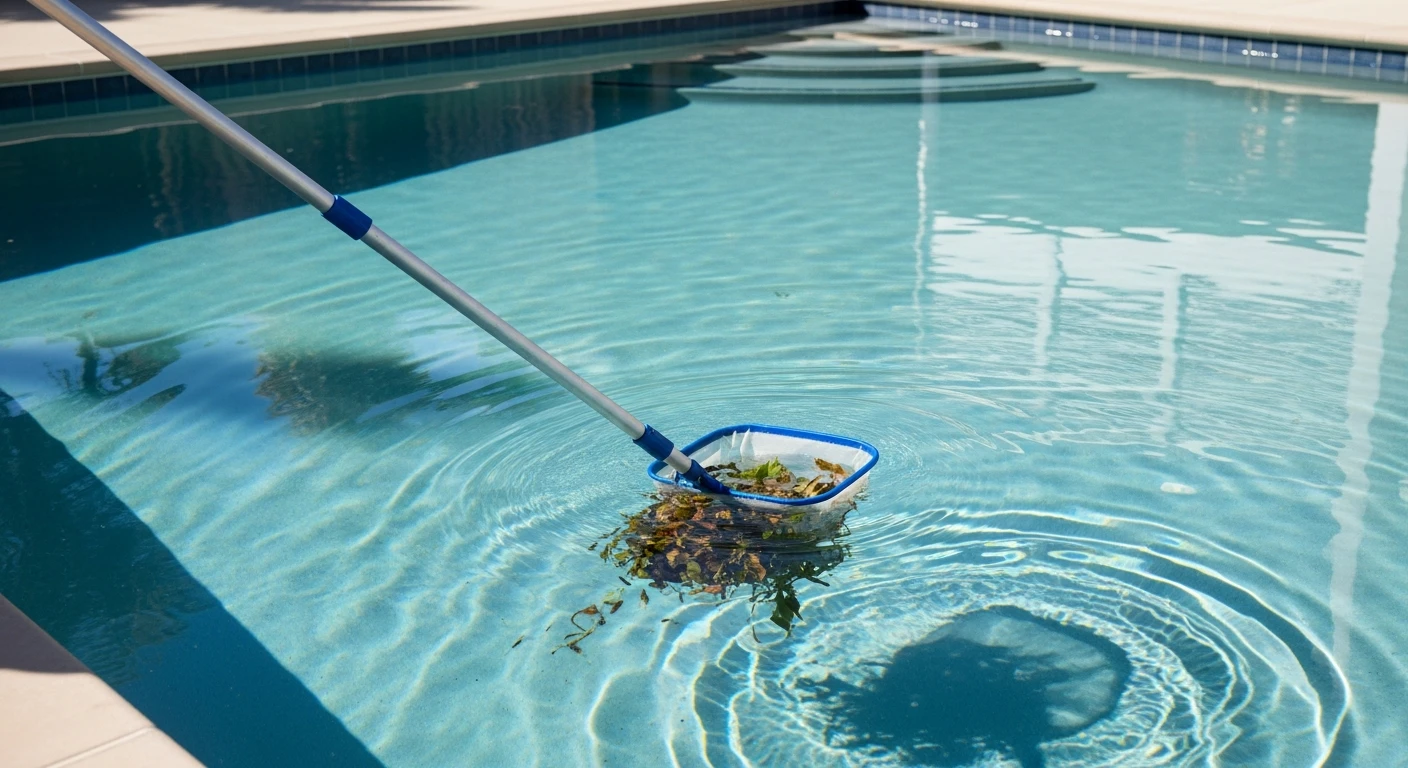
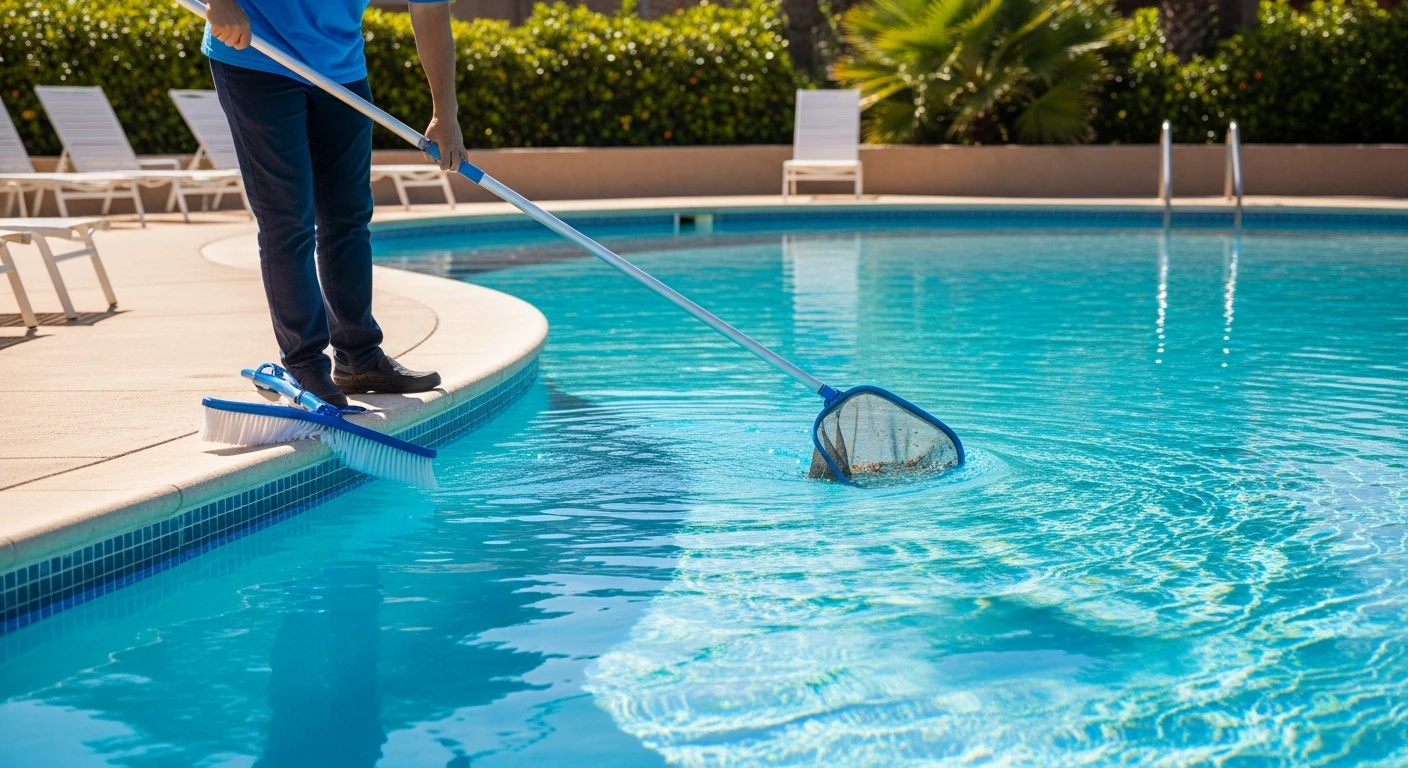
This is the exact weekly process I use on every residential pool. The order is critical and non-negotiable for achieving chemical stability and efficiency.- Step 1: Physical Cleaning First. Before any chemical test, I skim all surface debris and give the walls a thorough brushing. This isn't just for looks; it breaks up any nascent biofilm, forcing it into the water to be sanitized and filtered. I pay special attention to steps and ladders where algae loves to start.
- Step 2: Check All Baskets. I clear both the skimmer baskets and the pump strainer basket. A clogged basket restricts flow, which is the number one cause of pump motor strain and premature failure.
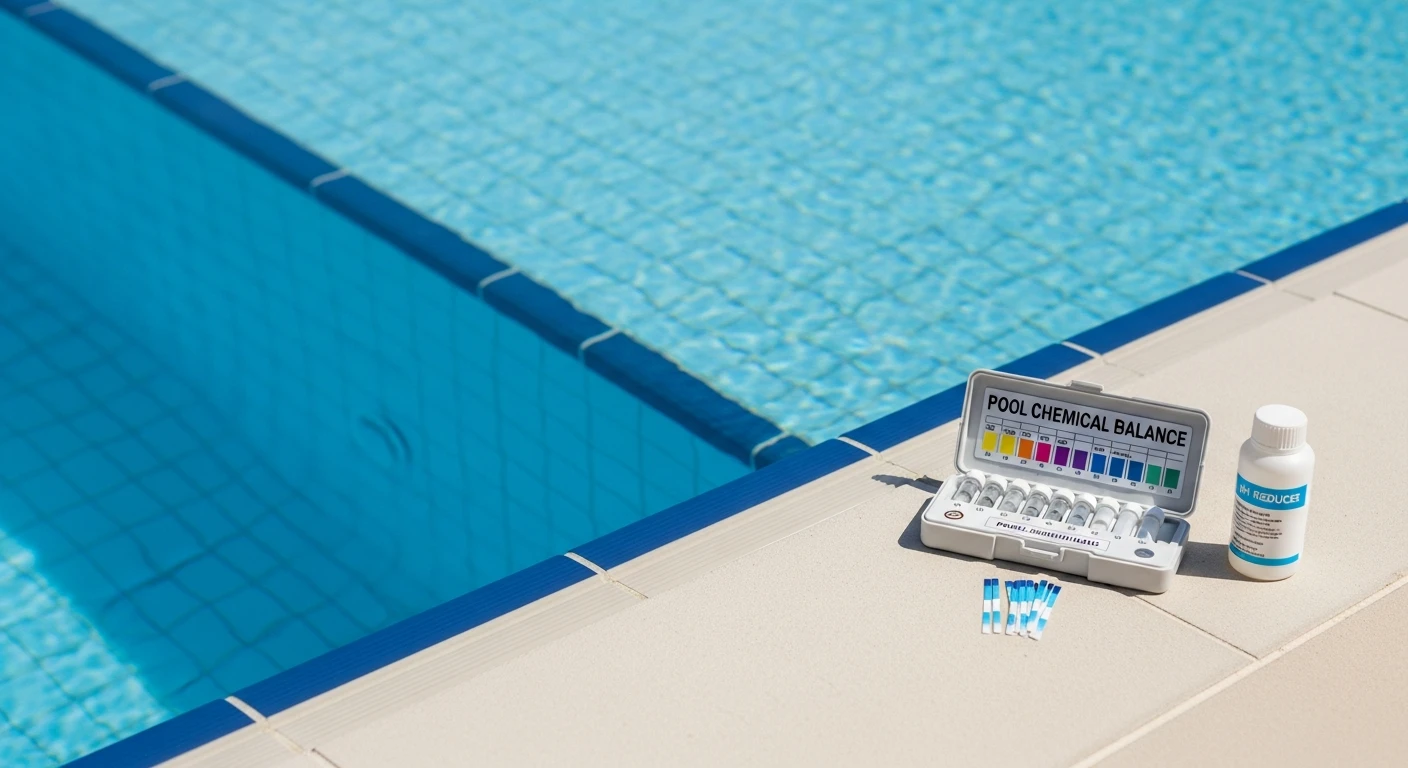
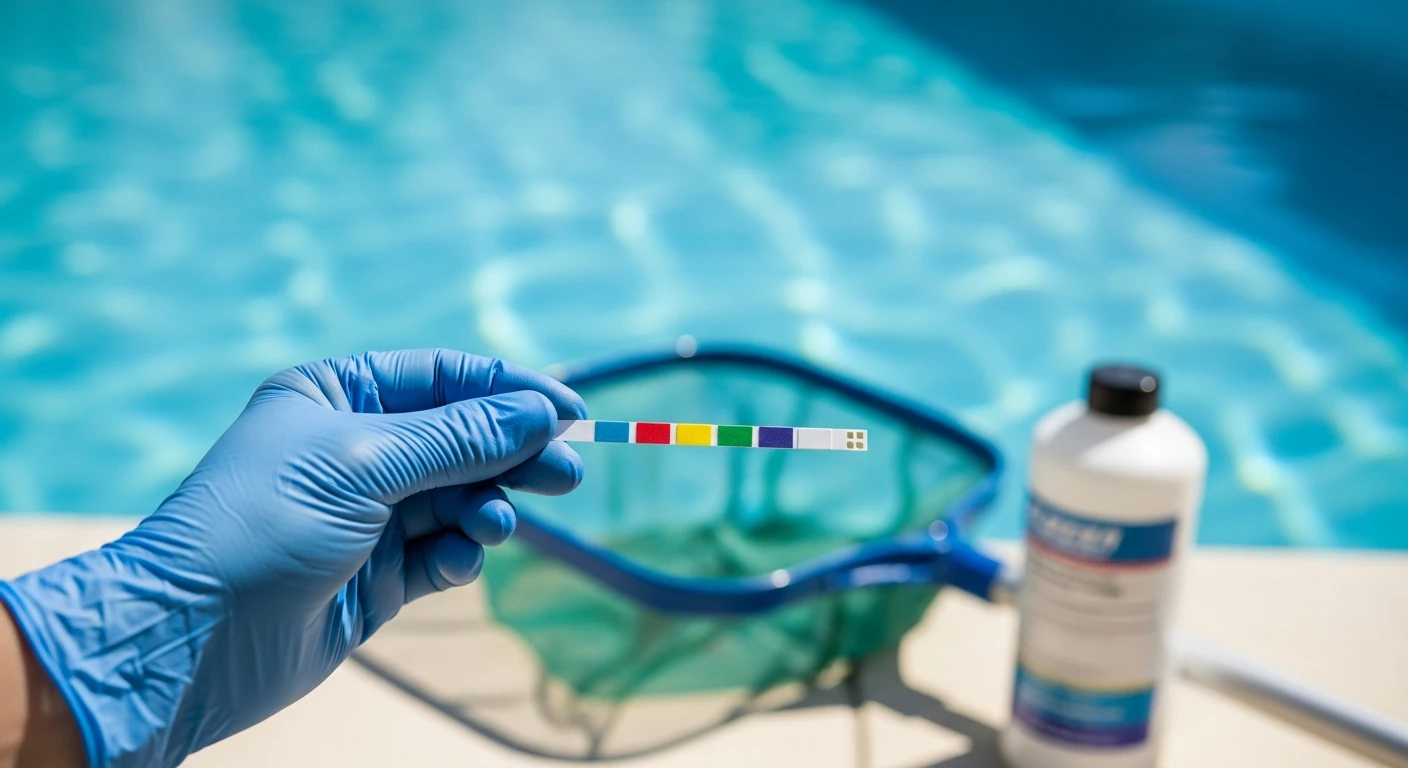
- Step 3: The Critical Water Test Sequence. I test in this specific order: Total Alkalinity (TA), then pH, then Free Chlorine (FC), and finally Cyanuric Acid (CYA). Testing in this order prevents you from making adjustments that will be immediately undone by a later one.
- Step 4: Anchor the Alkalinity. If TA is low, this is the first and only chemical I add. I use pure sodium bicarbonate and broadcast it slowly over the deep end with the pump running. I let it circulate for at least 30 minutes before moving on.
- Step 5: Fine-Tune the pH. Only after the TA is confirmed to be in the 80-120 ppm range do I test and adjust the pH. A stable TA often means the pH needs little to no adjustment.
- Step 6: Sanitize Effectively. With the water balanced, I add my sanitizer. Whether it's liquid chlorine or tabs, the amount needed is now predictable and much lower because the water is receptive to it.
- Step 7: Final System Pressure Check. I always finish by glancing at the filter's pressure gauge. I note the clean-filter pressure during my first visit. A sustained pressure increase of 7-10 PSI above that baseline is my indicator that it's time to backwash the filter or clean the cartridges.
Precision Tuning for Lanai vs. Open-Air Pools
A common oversight is treating every Osceola pool the same. The screened-in lanai pools popular in communities like Harmony have a completely different environmental exposure than the open-air pools in older parts of the county. For lanai-enclosed pools, the sun exposure is lower, so the Cyanuric Acid (chlorine stabilizer) level must be kept lower, around 30-40 ppm. Go higher, and you risk over-stabilization. For open-air pools getting blasted by the Florida sun all day, a CYA level of 40-50 ppm is essential to prevent the sun from burning off all your chlorine by lunchtime. Ignoring this single adjustment is a primary cause of chemical imbalance. Given the impact of rain dilution on all your chemical levels, if your Total Alkalinity reads 70 ppm and your Cyanuric Acid reads 20 ppm, which do you correct first and why does that choice dictate the effectiveness of your next sanitation cycle?Written by

Tags
weekly pool service near me
weekly pool cleaning service near me
weekly pool service
swimming pool weekly service
Weekly Pool Maintenance in Osceola FL FAQ
What is the importance of regular pool maintenance?
Regular pool maintenance is crucial to ensure the health and safety of swimmers. It helps to prevent the growth of algae, bacteria, and other contaminants that can cause eye irritation, skin rashes, and other health issues. Additionally, regular maintenance can extend the lifespan of your pool and its equipment, reducing the need for costly repairs and replacements.
How often should I clean my pool?
It is recommended to clean your pool at least once a week, or more often depending on usage and weather conditions. This can include skimming the surface, vacuuming the floor and walls, and testing the water chemistry.
What is the best way to clean my pool?
The best way to clean your pool depends on its size, type, and condition. Our team of professionals can assess your pool and recommend the most effective cleaning methods and products for your specific needs.
What should I check when testing my pool water?
When testing your pool water, it is important to check the levels of pH, alkalinity, calcium hardness, and chlorine. Our experts can help you understand what these levels mean and how to adjust them to ensure safe and healthy swimming conditions.
How can I prevent algae growth in my pool?
To prevent algae growth, it is important to maintain proper water chemistry, ensure adequate filtration, and reduce the amount of nutrients that can fuel algae growth. Our team can provide guidance on how to implement these measures and prevent algae blooms in your pool.
What is the best way to store pool chemicals?
It is important to store pool chemicals in a well-ventilated area, away from heat sources and children. Our experts can provide guidance on the proper storage and handling of pool chemicals to ensure safe and effective use.
Can I perform pool maintenance myself, or do I need a professional?
While it is possible to perform some pool maintenance tasks yourself, it is generally recommended to hire a professional for regular maintenance and repairs. Our team has the training, expertise, and equipment to ensure your pool is properly maintained and safe for swimmers.
What are the benefits of hiring a professional pool maintenance service?
Hiring a professional pool maintenance service can provide peace of mind, ensure safe and healthy swimming conditions, and extend the lifespan of your pool and its equipment. Our team can provide regular maintenance, repairs, and upgrades to keep your pool in top condition.