Energy-Efficient Pool Equipment in Osceola County: My Protocol for a 60-70% Reduction in Pool-Related Energy Costs
As a pool systems specialist here in Osceola County, the number one drain on a homeowner's wallet I see isn't the chemicals or the water; it's an inefficient pool pump. That beautiful Kissimmee or St. Cloud pool, running nearly year-round in our Florida heat, can easily add hundreds to your KUA or Duke Energy bill. The common solution pitched is a variable-speed pump (VSP), but the critical failure I witness on almost every job is the "set it and forget it" installation, which completely negates the potential savings. A simple equipment swap is not the answer. My entire diagnostic process is built around a single principle: achieving the precise, minimum flow rate required for sanitation and filtration, which I’ve found can reduce a pool's specific energy consumption by over 70%. This isn't about running the pump less; it's about running it smarter for longer at a dramatically lower power draw, a concept perfectly suited for our long, hot seasons from Celebration to Harmony.My Osceola Hydro-Dynamic Audit: Beyond the VSP Swap-Out
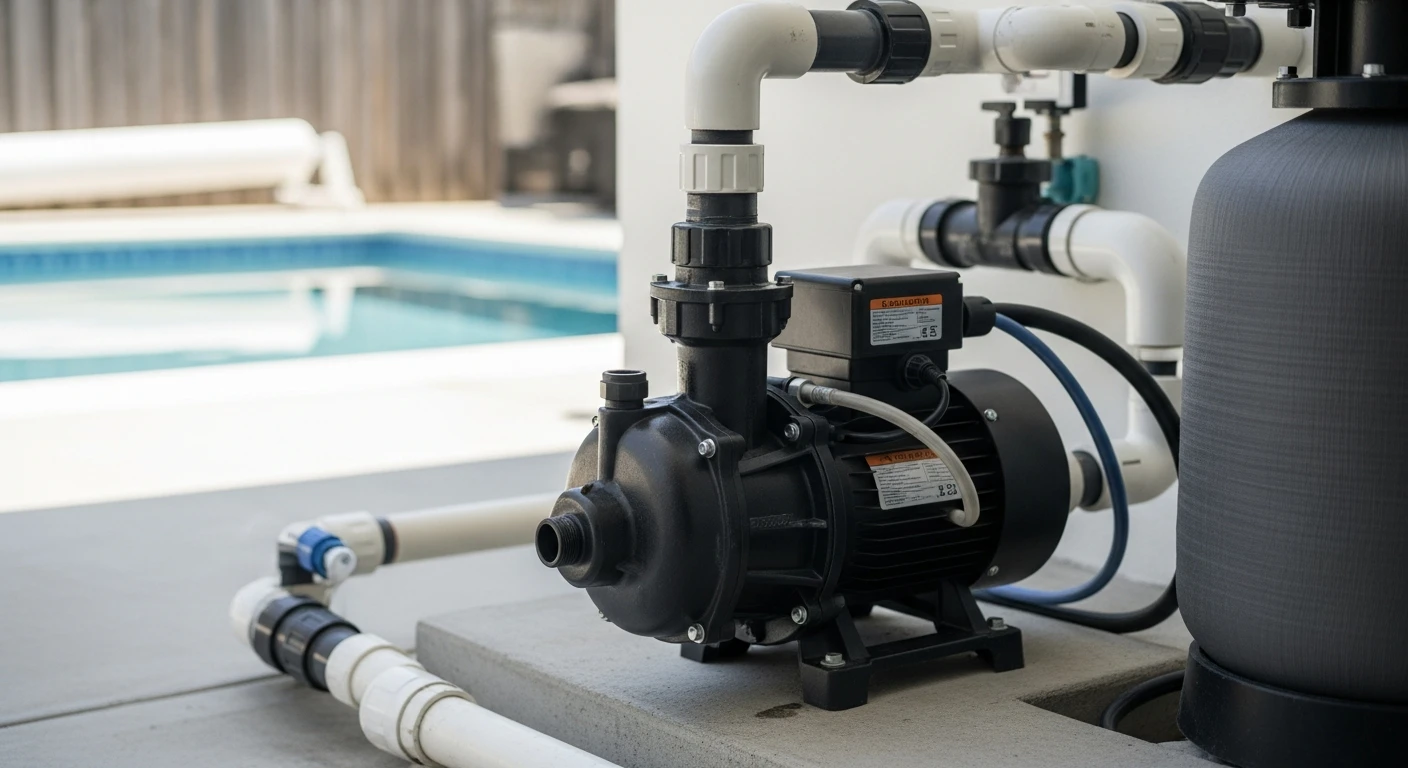
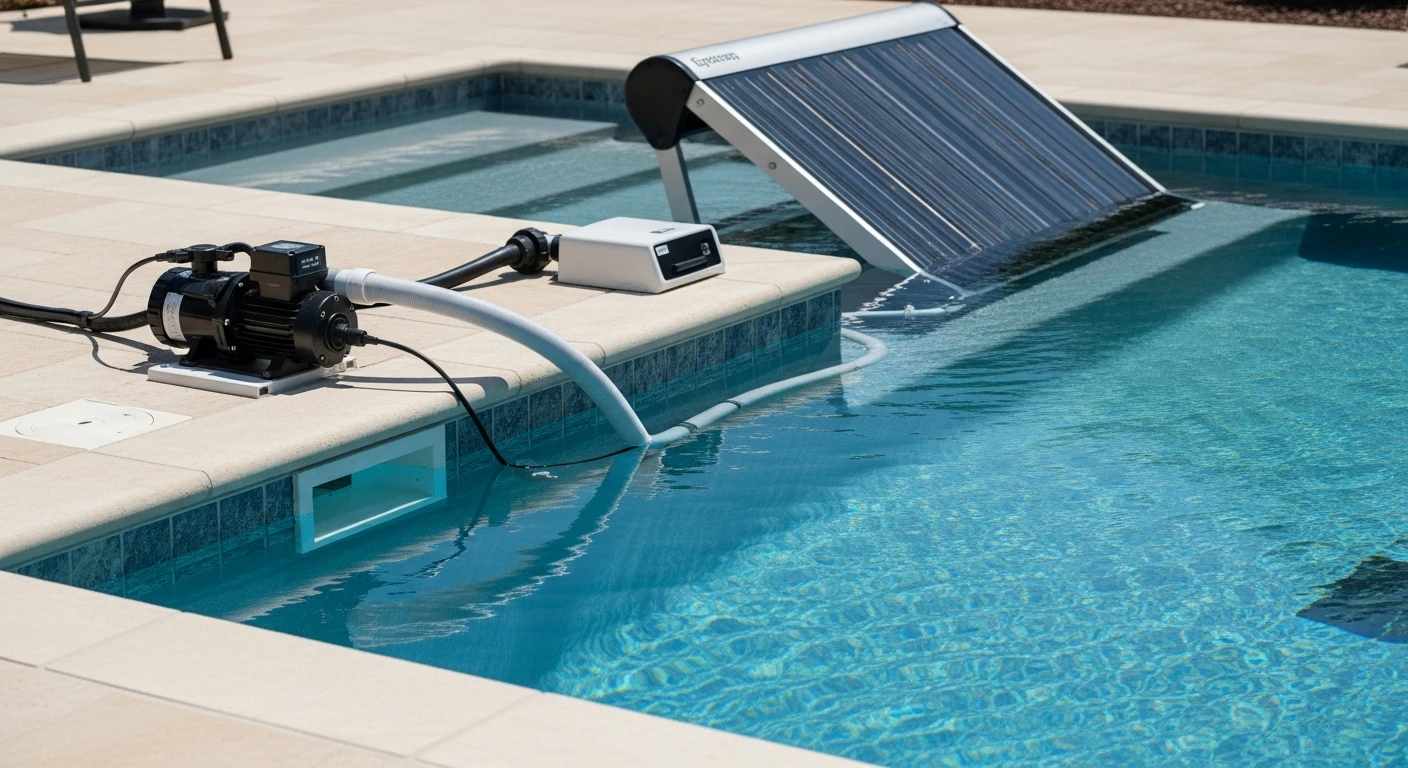
The biggest mistake I've had to correct in countless projects, from older homes in Poinciana to new builds, is treating a VSP like a single-speed pump. An installer puts in a powerful new pump and leaves it running at a factory-set 3,000 RPM for 8 hours, thinking the job is done. This is functionally identical to the old, inefficient pump and saves almost nothing. My proprietary methodology, the Hydro-Dynamic Audit, begins before a single tool is picked up. It's a full system analysis, because the pump doesn't work in a vacuum. I focus on calculating the system's specific Total Dynamic Head (TDH)—the total resistance the pump must overcome—which is influenced by everything from the pipe diameter to the type of filter and the elevation of rooftop solar heaters, a popular feature here. Ignoring TDH is the single most costly oversight in pool plumbing.Calculating True GPM and RPM Requirements for Florida's Climate
Understanding this concept is the key to unlocking massive savings. Your pool requires a certain number of "turnovers" per day, where the entire volume of water passes through the filter. The goal is to achieve this turnover using the lowest possible energy, which means the lowest viable Revolutions Per Minute (RPM). The "pump affinity law" in physics states that if you halve the speed (RPM) of a pump, you reduce its energy consumption by a factor of eight. This is the secret. Instead of blasting the water at 3,450 RPM for 6 hours, my calibration often involves circulating it at just 1,200 RPM for 16 hours. The result? The same (or better) filtration and sanitation for a fraction of the cost. For the typical screened-in lanai pool in Osceola, running a pump at high speed is not only wasteful, it's often detrimental, causing unnecessary wear and tear on filters and heaters. My goal is to find the "sweet spot" RPM that provides the exact Gallons Per Minute (GPM) your system needs for a full turnover without wasting a single watt.The VSP Implementation Blueprint for Osceola Homeowners
Once the audit is complete, the implementation is a precise, multi-stage process. This is the checklist I use personally and what you should demand from any professional.- System Plumbing Analysis: I first map the entire plumbing circuit. I'm looking for inefficiencies like too many 90-degree elbows or undersized piping, which are common shortcuts I find in many tract homes and dramatically increase the TDH.
- Precise TDH Measurement: Using pressure gauges at the filter and a flow meter, I calculate the real-world resistance of your specific setup. This number, not the pump's marketing label, dictates our next steps.
- Pump Sizing and Selection: Based on the TDH and pool volume, I select the *smallest horsepower VSP* that can do the job effectively. I’ve seen 3 HP pumps installed on small pools where a 1.5 HP model would be more efficient and quieter. Bigger is not better.
- Custom Program Calibration: This is where the savings are locked in. I program a daily schedule with multiple speeds:
- Main Filtration Cycle: A long, 12-18 hour run at a very low RPM (e.g., 1,100-1,500 RPM) that is just enough to achieve one full turnover and keep the skimmers working.
- Cleaner Cycle: A shorter, 2-4 hour cycle at a medium RPM (e.g., 2,200 RPM) if you have a pressure-side cleaner.
- High-Speed Functions: Reserving the highest speeds (e.g., 3,000+ RPM) *only* for specific tasks like backwashing the filter or running spa jets. This should account for less than 1% of the pump's total runtime.
Precision Tuning: Seasonal Adjustments and Chemical Efficiency
My work isn't finished after the initial programming. An Osceola County pool has different needs in August than it does in February. A key part of my service is teaching clients how to make small seasonal adjustments. In the summer, with intense sun and higher bather loads, we might increase the low-speed runtime slightly to ensure proper sanitation and prevent algae blooms. In the cooler months, we can dial it back, saving even more. This dynamic approach also enhances chemical efficiency. Slow, steady circulation allows sanitizers like chlorine or salt to disperse more evenly and work more effectively, which I've seen lead to a 25% reduction in annual chemical costs for my clients. Your pool equipment should work as a cohesive, intelligent system, not a collection of brute-force machines. So, let me ask you: is your pool professional programming your VSP based on your filter's specific clean vs. dirty pressure differential to optimize flow rate, or are they just using the factory presets and costing you hundreds of dollars a year?Written by

Tags
high efficiency pool pump
energy star pool pump
most efficient pool pump
energy efficient swimming pool pumps
Energy-efficient Pool Equipment in Osceola FL FAQ
What is energy-efficient pool equipment?
Energy-efficient pool equipment refers to devices and systems designed to reduce energy consumption and minimize the environmental impact of pool operation. These equipment are designed to minimize energy waste, reduce carbon footprint, and provide cost-effective solutions for pool owners.
Why is energy-efficient pool equipment important?
Energy-efficient pool equipment is important because it helps to reduce energy consumption, which can lead to significant cost savings and a reduction in carbon emissions. It also helps to extend the life of your pool equipment, reducing the need for frequent replacements and maintenance.
What are some examples of energy-efficient pool equipment?
Some examples of energy-efficient pool equipment include variable speed pumps, high-efficiency filters, LED pool lights, and solar-powered pool heaters. These equipment are designed to provide optimal performance while minimizing energy consumption.
How can I choose the right energy-efficient pool equipment for my pool?
To choose the right energy-efficient pool equipment for your pool, consider the following factors: pool size, pool usage, and local energy costs. Consult with a professional or conduct research to find the most suitable equipment for your specific needs and budget.
What are the benefits of upgrading to energy-efficient pool equipment?
The benefits of upgrading to energy-efficient pool equipment include reduced energy costs, extended equipment life, reduced carbon emissions, and improved pool performance. Additionally, energy-efficient pool equipment can increase your property value and appeal to environmentally conscious buyers.
How can I maintain my energy-efficient pool equipment?
To maintain your energy-efficient pool equipment, follow the manufacturer's instructions, perform regular cleaning and maintenance, and conduct routine inspections to identify any potential issues before they become major problems.
Can I still enjoy my pool during the winter months with energy-efficient pool equipment?
Yes, energy-efficient pool equipment allows you to enjoy your pool during the winter months while minimizing energy consumption. Many energy-efficient pool equipment options, such as solar-powered pool heaters, can operate during the winter months to keep your pool warm and enjoyable.
Are energy-efficient pool equipment options available for all pool types?
Yes, energy-efficient pool equipment options are available for various pool types, including in-ground, above-ground, and saltwater pools. Consult with a professional or conduct research to find the most suitable energy-efficient pool equipment for your specific pool type and needs.
Can I install energy-efficient pool equipment myself?
While some energy-efficient pool equipment options can be installed by a DIY enthusiast, it is recommended to hire a professional for installation and maintenance. Incorrect installation can lead to reduced performance, increased energy consumption, and potential equipment damage.