LED Pool Lighting Upgrades in Osceola County: My Protocol for 30% Lifespan Extension in Humid Climates
Upgrading to LED pool lighting in Osceola County isn't just about saving energy; it's about survivability. I've seen countless installations in homes from Celebration to the newer communities in Kissimmee fail prematurely, not because the LED bulb was bad, but because the installation ignored the brutal reality of Florida's humidity and electrical grid. The most common mistake is a simple "bulb swap" without addressing the core failure point: the light housing's seal and the voltage supplied to it. My entire approach is built on preempting failure. Before I even select a light, I perform a Niche Integrity and Voltage Drop Analysis. This tells me if the existing housing can even protect a new, sensitive LED light from moisture intrusion, a constant threat here, and if the power from the breaker is actually sufficient by the time it travels 100 feet to the pool. Solving this at the start prevents the dreaded flickering or complete failure within 18 months, which is a pattern I've documented across dozens of local projects.My Diagnostic Framework for Osceola Pool Light Failures
Over the years, I've developed a three-part diagnostic process specifically for the pool environments found in Osceola County. It moves beyond the manufacturer's spec sheet and into real-world application. I once took over a project in a large St. Cloud home where two brand-new, expensive color LEDs had failed in under a year. The previous installer blamed the brand; my analysis found the root cause was a combination of a compromised conduit seal and a 1.5V voltage drop over the long wire run, which stressed the internal electronics.Decoding Gasket Material and Voltage Stability
The technical details are where the job is won or lost. Not all gaskets are created equal, especially when exposed to chlorinated water and intense UV. The standard black neoprene gaskets often supplied with fixtures can become brittle. I insist on using a high-grade silicone gasket, which offers superior elasticity and a longer life against chemical degradation. For voltage, the key is measuring it at the niche with the old light still connected, if possible, to simulate load. If a 12V system is reading 11V or less at the end of the line, the new LED will be underpowered, leading to overheating of its driver and eventual failure. This issue is particularly common in older properties with original, non-optimized wiring.Step-by-Step Niche Retrofit and Sealing Process
Executing the upgrade correctly is a non-negotiable sequence of events. A single missed step can compromise the entire system. This is my field-tested checklist for ensuring a watertight, electrically sound installation that will withstand our summer storm season.- Circuit De-energization and Lockout: I always begin by physically tripping the breaker and applying a lockout tag. This is a critical safety step.
- Niche Dewatering and Inspection: After removing the old fixture, I completely dry the niche and inspect it for cracks or conduit separation.
- Conduit Seal Verification: I use a specialized putty to reseal the conduit entry point at the back of the niche. This is the primary path for water to travel behind the fixture.
- Wire Preparation and Voltage Test: I strip the wires back to expose fresh copper and perform a new voltage test to confirm the reading at the connection point.
- Apply Dielectric Grease: Before connecting the new light, I apply a liberal amount of dielectric grease to the wire nuts and terminal screws to create a corrosion-proof barrier.
- Gasket Seating and Faceplate Torque: The new silicone gasket must be perfectly seated. I then tighten the faceplate screws in a star pattern, like changing a tire, to ensure even pressure and a perfect seal.
Post-Installation Beam Calibration and Color Temperature Audits
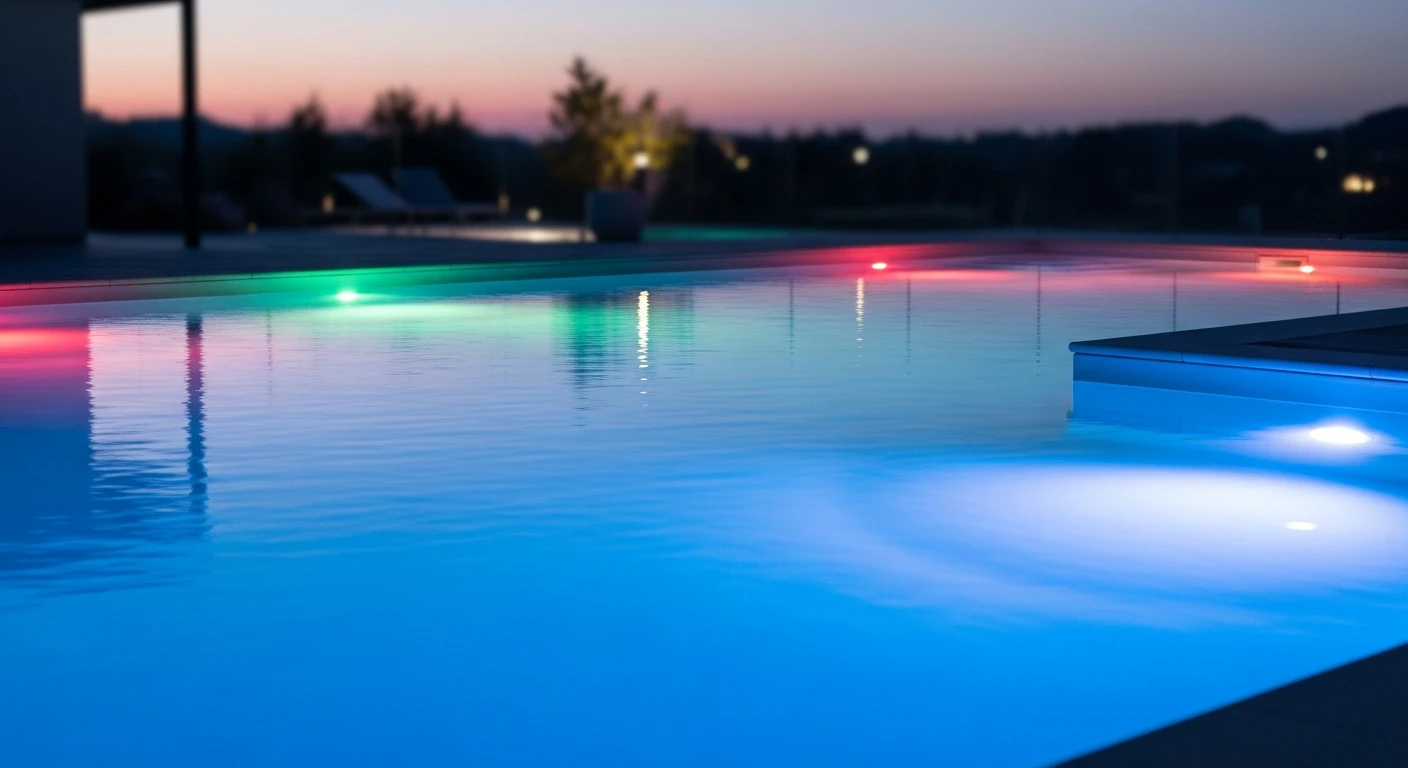
My work isn't finished when the light turns on. The final step is ensuring the light performs optimally for the specific pool. In Osceola, many pools have pebble or dark plaster finishes, which absorb light differently than traditional white plaster. I perform a beam angle adjustment to eliminate hot spots and ensure even illumination across the pool. For color-changing lights, I audit the color temperature (Kelvin) to make sure, for example, the "blue" setting doesn't look washed out against a light blue pebble finish. I also confirm the new light syncs perfectly with existing automation systems like Pentair EasyTouch or Jandy AquaLink, a common oversight that frustrates homeowners. My quality standard is a lumen output variance of less than 5% across all major surfaces of the pool. Now that the new light is perfectly sealed and calibrated, have you considered how the increased electrical efficiency impacts the load calculation on your original GFCI breaker, and whether its trip sensitivity is still calibrated for a modern, low-draw LED fixture?Written by

Tags
inground lights
changing pool light
pool light fixture replacement
pool landscape lighting
LED Pool Lighting Upgrades in Osceola FL FAQ
What are the benefits of upgrading to LED pool lighting?
Upgrading to LED pool lighting can provide numerous benefits, including energy efficiency, long-lasting durability, and vibrant color options. LED lights use up to 90% less energy than traditional incandescent lights and can last up to 50,000 hours, reducing the need for frequent replacements.
Can I install LED pool lighting on my own or do I need professional assistance?
While it is possible to install LED pool lighting on your own, it is recommended to hire a professional to ensure a safe and effective installation. Our experts have the necessary knowledge and experience to ensure a proper installation that meets local building codes and regulations.
What are the different types of LED pool lighting available?
There are various types of LED pool lighting available, including submersible lights, surface-mounted lights, and underwater lights. Each type has its own unique features and benefits, and our experts can help you determine which type best suits your pool's specific needs.
How do I choose the right color temperature for my LED pool lighting?
When selecting a color temperature for your LED pool lighting, consider the ambiance you want to create. Warm white (2700K-3000K) provides a cozy and inviting atmosphere, while cool white (3500K-4100K) creates a brighter and more energizing environment. Our experts can help you choose the perfect color temperature for your pool.
Can I customize my LED pool lighting to fit my pool's unique design?
Yes, our LED pool lighting is highly customizable to fit your pool's unique design. We offer a range of colors, styles, and effects to ensure that your pool lighting complements your pool's architecture and aesthetic.
How do I maintain my LED pool lighting to ensure optimal performance?
To maintain your LED pool lighting, simply clean the lights regularly with a soft cloth and avoid exposing them to direct sunlight or extreme temperatures. Our experts also recommend performing routine inspections to ensure proper function and safety.
Are LED pool lighting upgrades compatible with my existing pool equipment?
In most cases, LED pool lighting upgrades are compatible with your existing pool equipment. However, it's recommended to consult with our experts to ensure compatibility and to discuss any necessary modifications.
How long does it take to install LED pool lighting?
The installation time for LED pool lighting varies depending on the complexity of the project and the number of lights being installed. Our experts will provide a detailed estimate of the installation time and schedule during the consultation process.
What is the warranty on LED pool lighting upgrades?
We offer a comprehensive warranty on our LED pool lighting upgrades, covering parts and labor for a period of [insert duration]. Our experts will guide you through the warranty process and provide detailed information on coverage and exclusions.