Pinellas County Pool Water Features: My Material Selection Protocol for 30% Extended Lifespan
As a pool systems specialist in Pinellas County, I’ve seen the devastating effect our coastal climate has on high-end water features. The combination of intense UV radiation, high humidity, and corrosive salt air from the Gulf is a recipe for premature failure. The biggest mistake homeowners make is choosing a feature based purely on aesthetics, ignoring the material science and hydraulic engineering required for it to survive more than a few seasons. My approach isn't about just installing a waterfall; it's about engineering a system where the materials, pump capacity, and water chemistry are perfectly balanced to prevent the costly replacements I so often see from Clearwater to St. Pete Beach. This isn't theory. I've personally replaced rusted stainless steel scuppers on a Belleair home that were less than three years old because the installer used a lower grade steel and improper bonding. My entire diagnostic and installation protocol is built around one core principle: forecasting and mitigating failure points specific to the Pinellas environment. This ensures the visual and auditory appeal you invested in doesn't become a maintenance nightmare.My Diagnostic Framework for Pinellas County Pools
Before I even consider a specific water feature, I perform a complete System Hydraulic and Environmental Audit. It's a non-negotiable first step. Many installers simply tap into the existing return line, which can starve other parts of the pool of circulation and put undue strain on the pump. My audit focuses on two critical areas: the pump's capacity and the property's specific micro-environment. I measure the existing pump's Total Dynamic Head (TDH) and its GPM flow curve to determine if there's enough surplus capacity to drive the desired feature without compromising the pool's filtration turnover rate. For properties directly on the water in Tierra Verde or Indian Rocks Beach, the salt spray analysis is even more critical, immediately disqualifying certain metals and finishes.Material Science vs. Salt Air: A Non-Negotiable Technical Deep Dive
This is where most projects go wrong. The material you choose is the single most important factor for longevity in our climate. Here's my breakdown based on years of hands-on experience in the field:- Marine Grade 316L Stainless Steel: Often sold as the "best," but I’ve found that the failure point is almost never the steel itself, but the weld points. Poor quality welds, often from mass-produced features, are the first to show rust, especially with the salt air we get. I only specify features with certified, non-porous welds.
- Brass & Bronze: These materials offer a stunning aesthetic, but they will develop a patina. The issue in Pinellas is that the salt air accelerates this into an aggressive green-blue corrosion that can stain pool surfaces. I only recommend them if the client fully understands and desires this "living finish" and we can control the runoff.
- Powder-Coated Aluminum: A budget-friendly option, but I’ve seen it fail repeatedly. A single chip or scratch in the coating from a stray pool toy allows our salt-laden humidity to get underneath, causing the finish to bubble and peel within a year. It's a short-term solution at best.
- GFRC (Glass Fiber Reinforced Concrete): This has become my go-to for custom projects in areas like Old Northeast in St. Petersburg, where unique aesthetics are key. It's completely immune to rust and can be molded into any shape. The critical factor here is the sealing process. It must be sealed with a high-solids, UV-resistant sealer to prevent water intrusion and staining.
Implementation Protocol: From Pump Sizing to Acoustic Tuning
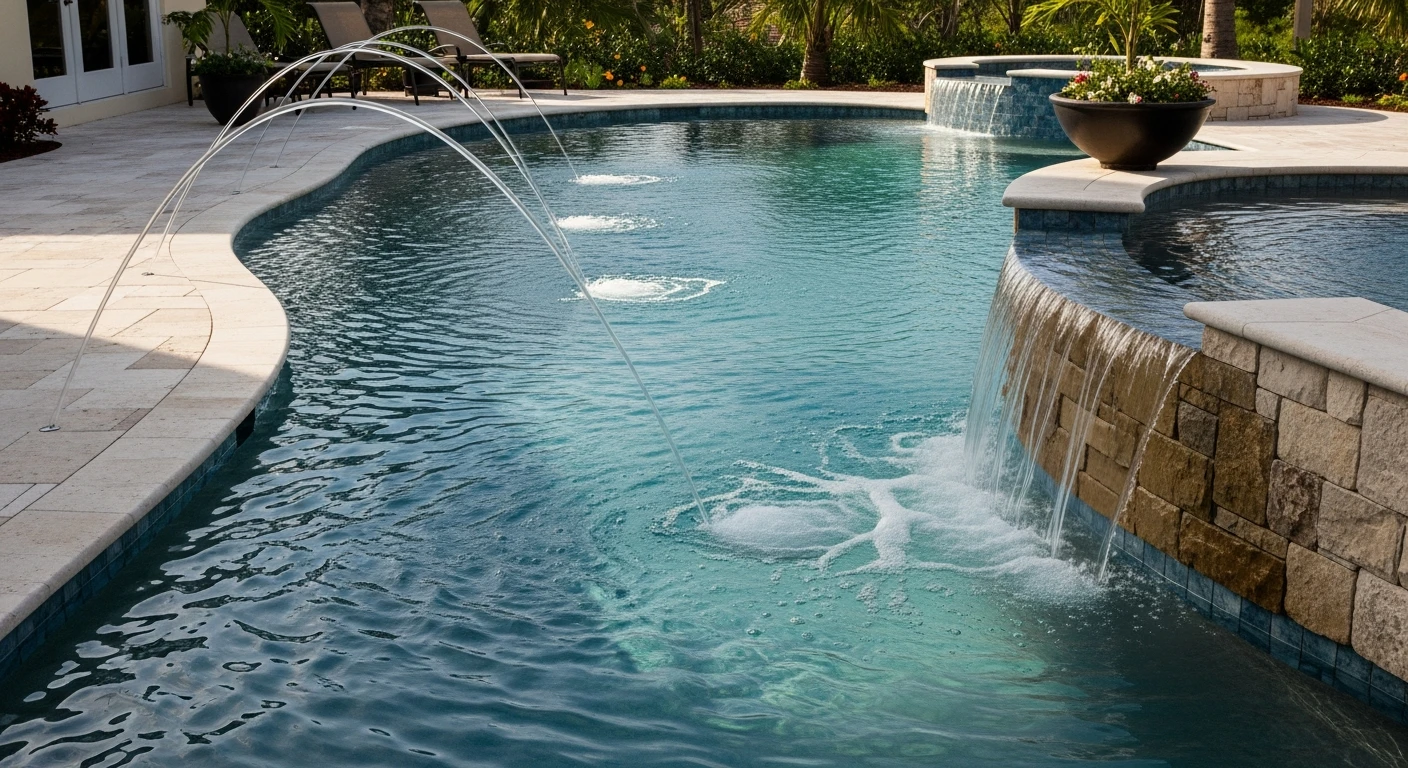
Once the audit is complete and the material is selected, the installation follows a strict sequence to guarantee performance. A common error I fix is when a beautiful sheer descent waterfall has an uneven flow or "chatter" because the installer failed to calculate the plumbing's head loss correctly. My methodology is precise:- Hydraulic Blueprinting: I calculate the exact GPM required for the specific feature. A sheer descent needs a different flow rate than a deck jet or a bubbler. This calculation dictates the pipe diameter and can even necessitate installing a dedicated booster pump to avoid straining the main filtration system.
- Material Verification: Upon arrival, I personally inspect the feature. For metals, I check the weld quality and finish. For GFRC, I verify the integrity of the seal. I’ve rejected shipments on-site for failing this simple but crucial step.
- Plumbing & Core Drilling: All plumbing runs are designed for minimal bends to reduce head loss. When drilling into an existing pool shell, I use ground-penetrating radar to locate rebar, preventing structural damage—a lesson I learned the hard way on an early project in Dunedin.
- Final Sealing and Bonding: The connection point between the feature and the pool is a major potential leak point. I use a high-modulus, chlorine-resistant polyurethane sealant, not simple silicone. For any metal features, I ensure they are correctly tied into the pool's bonding grid to prevent galvanic corrosion.
- Flow and Acoustic Calibration: This is my final touch. Using a variable speed pump or a dedicated ball valve, I tune the water flow. The goal is to achieve the exact aesthetic and sound the homeowner wants—from a silent, glass-like sheet of water to a more vibrant, audible cascade. This acoustic tuning is what separates a standard installation from a truly integrated sensory experience.
Precision Adjustments for Peak Performance and Longevity
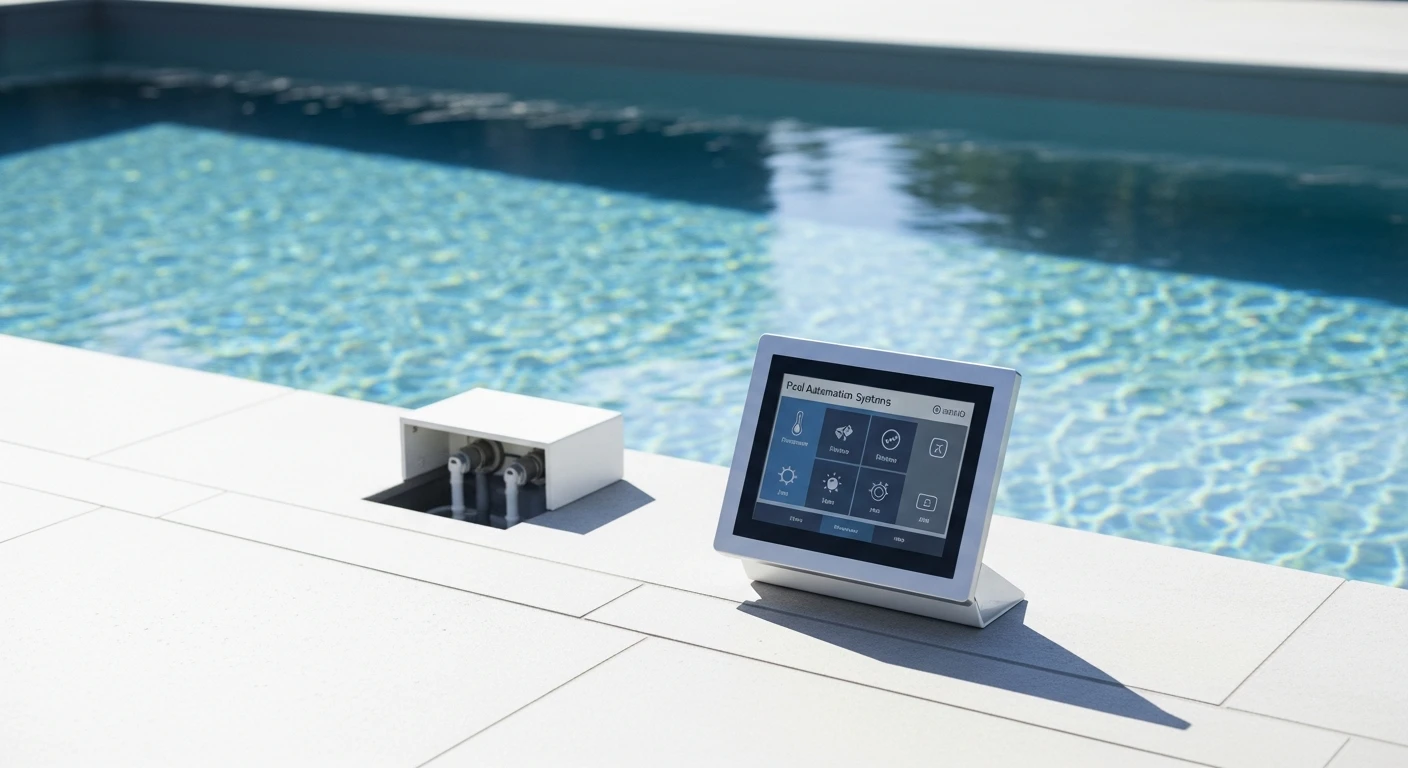
After installation, the work isn't done. The first week is critical for observing how the new feature integrates with the pool's chemistry. I've seen new bronze scuppers alter the copper levels in a pool, requiring an adjustment in chemical dosing. I also check the TDS (Total Dissolved Solids) levels; high TDS can dramatically accelerate corrosion on any metal components, and it's a common issue in pools with older water. Calibrating the automation system—your Pentair or Jandy controller—to run the water feature for specific periods is the final step, ensuring you get maximum enjoyment without wasting energy. So, when planning your water feature, how do you calculate the required GPM for a sheer descent waterfall to achieve a silent, glass-like sheet versus a rushing sound, while accounting for a 20-foot pipe run with four 90-degree elbows and a 4-foot elevation from the water's surface?Written by

Tags
natural pond swimming pools
pool fountain
swimming pool water features
rock waterfall pool
Pool Water Features in Pinellas FL FAQ
What are pool water features?
Pool water features refer to the various elements that can be added to a swimming pool to enhance its aesthetic appeal, functionality, and overall experience. These features can include waterfalls, fountains, jets, lights, and other decorative elements that create a unique and enjoyable environment.
What are the benefits of installing pool water features?
Installing pool water features can enhance the value of your property, increase the enjoyment of your pool, and create a relaxing and inviting atmosphere. Water features can also help to improve water circulation and filtration, reducing the need for chemicals and maintenance.
What types of pool water features are available?
There are many types of pool water features available, including waterfalls, fountains, jets, lights, and decorative elements such as sculptures and statues. Pool owners can choose from a wide range of materials, styles, and designs to suit their pool and personal preferences.
How do I choose the right pool water feature for my pool?
When choosing a pool water feature, consider the size and shape of your pool, the style and decor of your backyard, and your personal preferences. Consider factors such as noise levels, maintenance requirements, and energy efficiency. Consult with a professional to determine the best option for your pool.
Can I install pool water features myself?
While it's possible to install some pool water features yourself, it's generally recommended to hire a professional to ensure a safe and proper installation. Pool water features require specialized knowledge and expertise to ensure proper function and safety.
How do I maintain my pool water features?
Regular maintenance is essential to keep your pool water features clean and functioning properly. This includes cleaning filters, checking and replacing parts, and ensuring proper water chemistry. Consult with a professional for specific maintenance requirements and recommendations.
Are pool water features energy-efficient?
Many pool water features are designed to be energy-efficient, using solar power, pumps, and other energy-saving technologies. However, it's essential to check the energy requirements and efficiency of the specific feature you're interested in to ensure it meets your energy goals.
Can I customize my pool water features?
Yes, many pool water features can be customized to suit your personal preferences and pool design. Work with a professional to design and install a unique and personalized pool water feature that reflects your style and taste.
What are the costs associated with installing pool water features?
The costs associated with installing pool water features vary depending on the type and size of the feature, as well as the materials and labor required. Consult with a professional to determine the costs and budget requirements for your specific project.
Are pool water features safe for children and pets?
Pool water features can be safe for children and pets if installed and maintained properly. However, it's essential to take steps to ensure the safety and security of your pool and water features, including installing fencing, gates, and other safety measures.