Osceola County Pool Resurfacing: My Protocol for Resisting UV Degradation and Chemical Etching
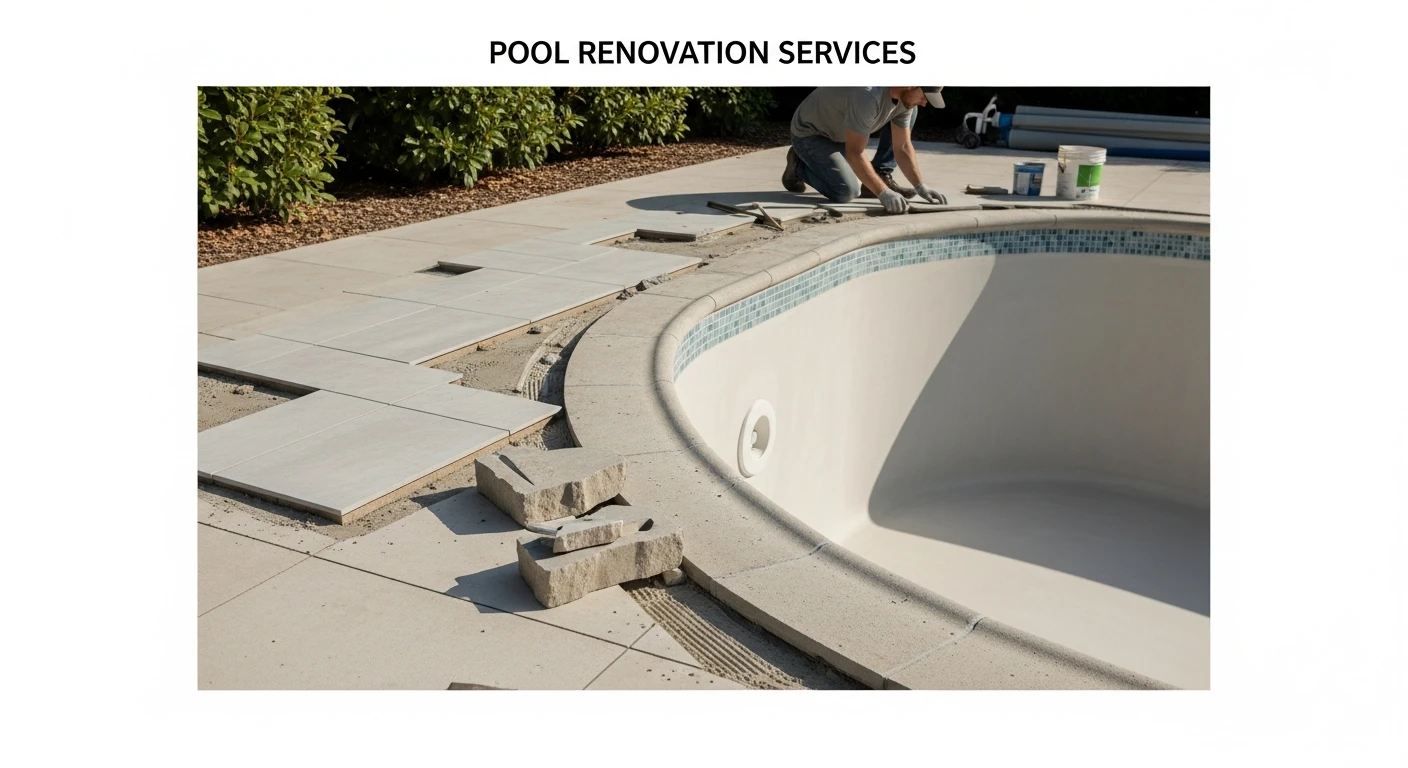
If your pool surface in Osceola County is chalking, stained, or cracked, the problem is deeper than simple age. I’ve found that most pool surface failures here—from single-family homes in Kissimmee to high-traffic vacation rentals in the Celebration area—stem from a fundamental misunderstanding of our local climate's impact on the pool's shell. The intense Florida sun, high humidity, and frequent downpours create a unique set of stressors that standard resurfacing methods simply cannot handle. The common approach is to drain, prep, and apply a new finish. This overlooks the single most critical failure point: trapped moisture within the concrete shell. This leads to premature delamination and staining, often within just a few years. My entire methodology is built around neutralizing this specific threat before a single ounce of new material is applied, ensuring a finish that withstands the relentless Osceola County environment.My Diagnostic Framework: Beyond the Visual Inspection
Before I even consider a new surface material, I perform what I call the Hydro-Static Bond Integrity Test. This isn't a standard industry practice; it's a diagnostic protocol I developed after seeing too many new surfaces fail. Standard visual checks for cracks are superficial. In Osceola, the real enemy is the moisture you can’t see, which exerts constant pressure from behind the pool finish. This pressure, combined with our high UV index, is what causes a perfectly good-looking new surface to blister and peel.Technical Failure Point Analysis
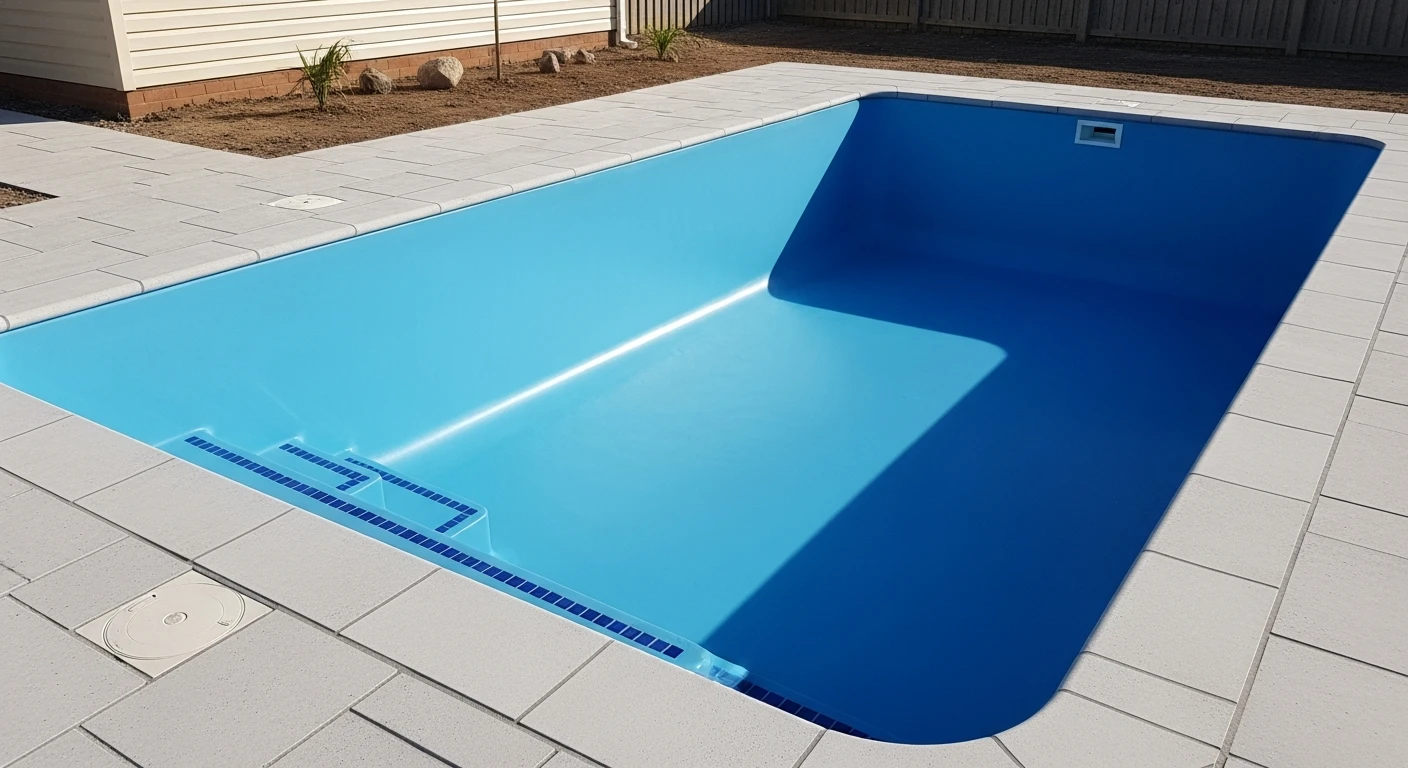
My analysis focuses on two primary indicators of imminent failure. The first is identifying hairline micro-fractures, which are often mistaken for simple cosmetic blemishes. In our climate, these are gateways for moisture intrusion. The second is evidence of early-stage delamination, which I detect by meticulously sounding the entire pool shell to listen for hollow spots. A hollow sound indicates the existing finish has already lost its bond with the substrate, a red flag that a simple "scuff and recoat" job will fail spectacularly. Choosing the right material is also critical; a standard marcite or plaster finish is simply not robust enough for a pool in St. Cloud that gets direct sun eight hours a day. I almost always recommend a polymer-modified aggregate finish for its superior density and resistance to chemical etching from unbalanced water.The Resurfacing Implementation Protocol
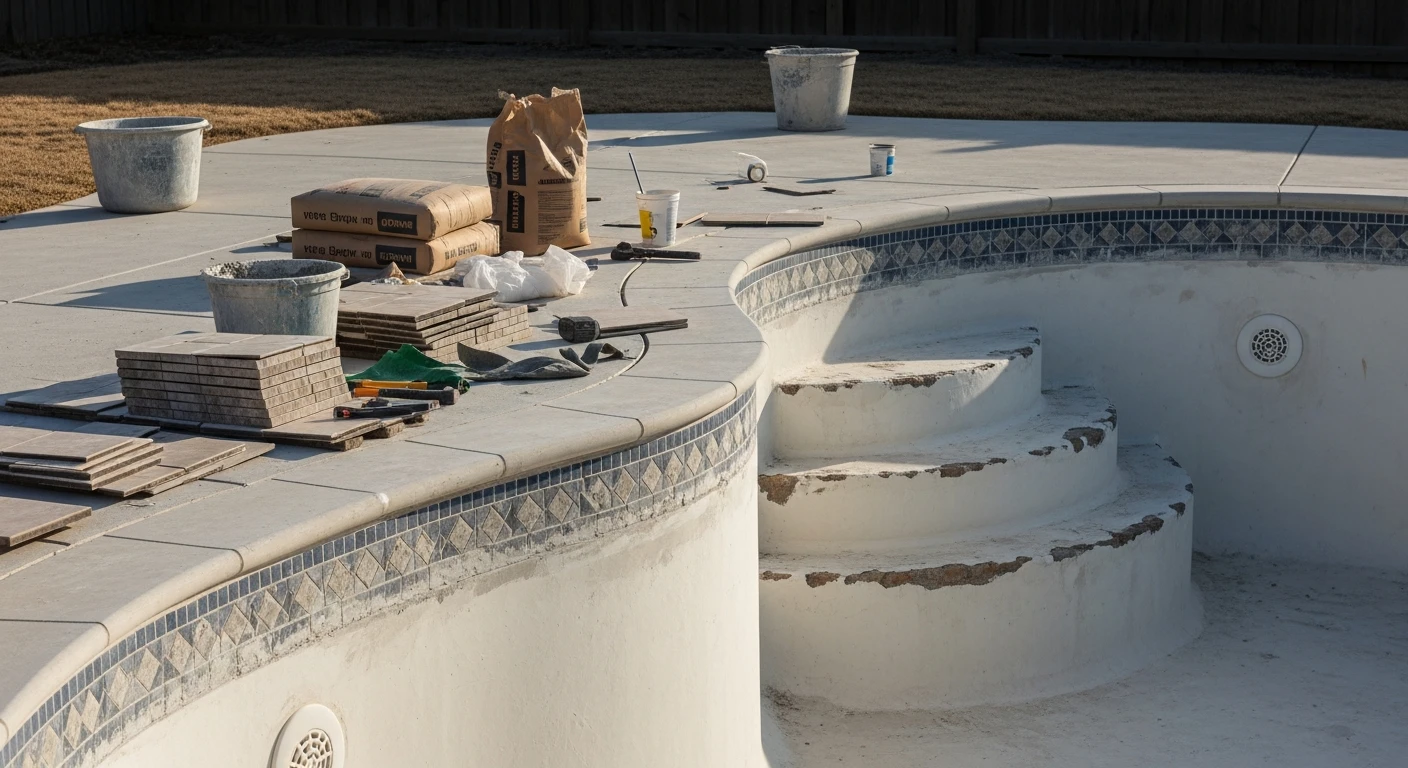
A successful resurfacing project is a sequence of non-negotiable steps. I’ve refined this process over years of working specifically on Osceola County pools, where shortcuts taken during the prep phase will always reveal themselves during the first summer storm season.- Phase 1: Substrate Decompression & Preparation. The pool is drained completely. The critical action here is not just cleaning but preparing the shell. I use a low-pressure hydro-blasting method to remove the old surface without creating a profile that's too aggressive, which can weaken the underlying concrete. This is followed by a precise acid etching to achieve the ideal surface porosity for maximum adhesion.
- Phase 2: Moisture Barrier & Bond Coat Application. This is my proprietary step. Before the main finish, I apply a specific epoxy-based bond coat that has a low moisture vapor transmission rate (MVTR). This acts as a barrier, preventing trapped moisture in the gunite from pushing off the new finish. I’ve seen this step alone increase the functional lifespan of a pool surface by over 25%.
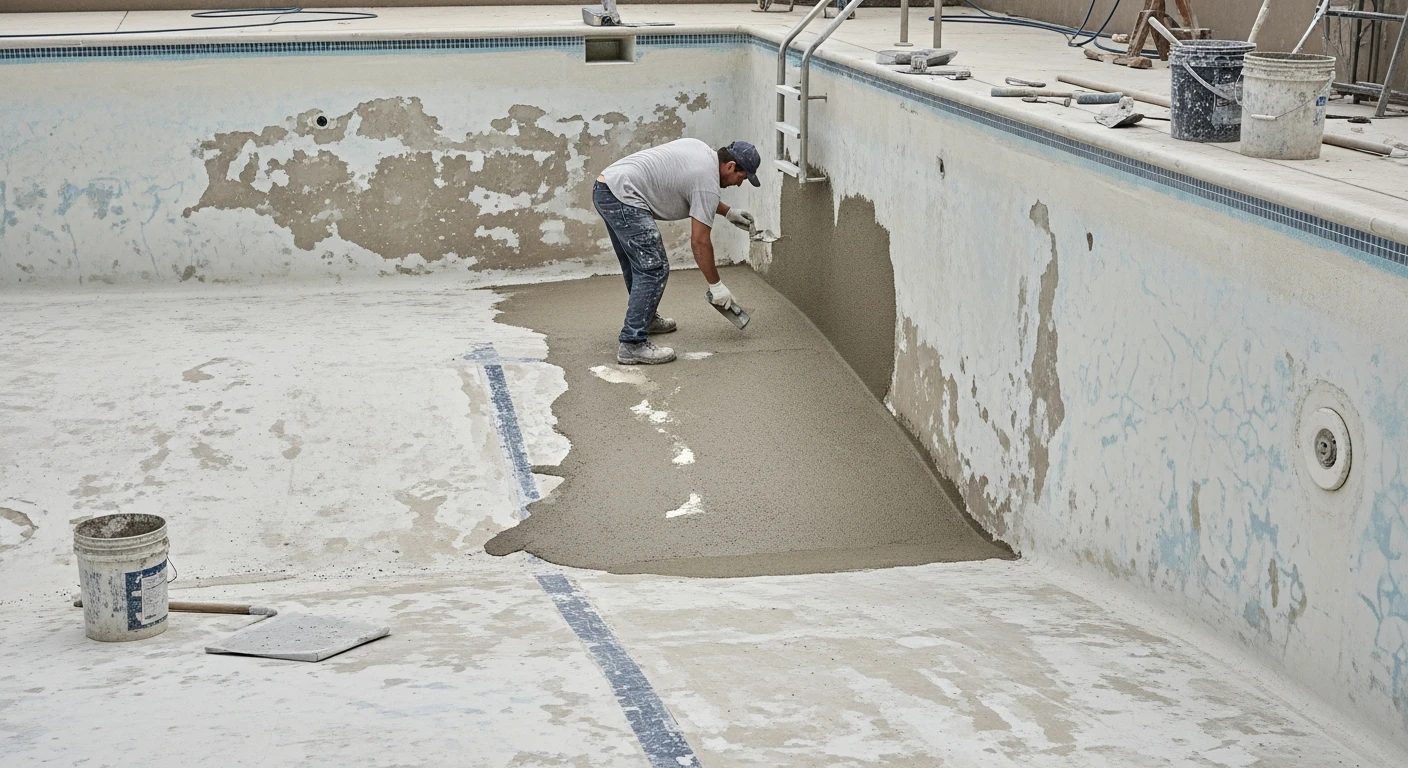
- Phase 3: Material Application & Troweling. Whether it's a pebble or polished aggregate finish, the application is done by hand. The key is maintaining a consistent material thickness and avoiding over-troweling, which can bring too much cement to the surface and cause discoloration. The goal is a uniform, dense, and non-porous layer.
Precision Curing and Initial Water Chemistry
The job isn't finished when the last trowel swipe is made. The 28-day curing process is arguably the most critical phase. In Poinciana's humid climate, I have a strict protocol for the initial fill-up and chemical balancing. This involves a technique I call controlled hydration curing, managing the water fill rate and initial chemical additions to prevent mineral deposits and "plaster dust," which can ruin the texture and color consistency of the new surface. We are not just filling a pool; we are completing a chemical reaction that determines the final hardness and durability of the finish. Given the specific sun exposure and landscaping around your pool, have you properly calculated how the resulting water temperature fluctuations will impact the long-term chemical stability of your chosen surface material?Written by

Tags
pool resurfacing near me
pool remodeling near me
replaster pool
swimming pool replastering
Swimming Pool Resurfacing in Osceola FL FAQ
What is swimming pool resurfacing?
Swimming pool resurfacing is the process of refurbishing the surface of your pool to give it a fresh, new look. This involves removing the old surface, repairing any damage, and applying a new coating to protect the pool and its surroundings.
Why is resurfacing necessary?
Resurfacing is necessary to maintain the structural integrity and aesthetic appeal of your pool. Over time, pool surfaces can become worn, faded, and damaged, which can lead to safety hazards, reduce water quality, and decrease the pool's overall value.
What types of pool surfaces can be resurfaced?
Most types of pool surfaces can be resurfaced, including concrete, plaster, fiberglass, and vinyl. Our team will assess your pool's surface and recommend the best resurfacing method for your specific needs and budget.
How long does the resurfacing process take?
The resurfacing process typically takes several days to a week, depending on the size and complexity of the project. Our team will work efficiently to minimize disruption to your daily routine and ensure a smooth completion.
Is resurfacing a messy process?
Resurfacing can be a messy process, but our team takes every precaution to minimize dust, debris, and disruption to your pool and surrounding area. We will also clean up thoroughly once the project is complete.
Is resurfacing expensive?
Resurfacing can vary in cost depending on the size and complexity of the project, as well as the type of surface being used. However, we offer competitive pricing and flexible financing options to fit your budget.
Will resurfacing affect my pool's water quality?
Resurfacing will not affect your pool's water quality, as we take every precaution to seal and protect the new surface to prevent contamination and ensure safe and healthy swimming conditions.
Can I swim in my pool during the resurfacing process?
No, it is recommended to keep the pool empty and off-limits during the resurfacing process to ensure the new surface is properly applied and cured. We will provide guidance on how to maintain the pool during this time.
What is the warranty on resurfacing services?
We stand behind our work and offer a comprehensive warranty on all resurfacing services. Our warranty covers defects in materials and workmanship for a specified period, ensuring your peace of mind and satisfaction.
How can I schedule a resurfacing service?
To schedule a resurfacing service, please contact us through our website, phone, or email. One of our knowledgeable team members will assist you in assessing your pool's needs and providing a customized quote and timeline for the project.