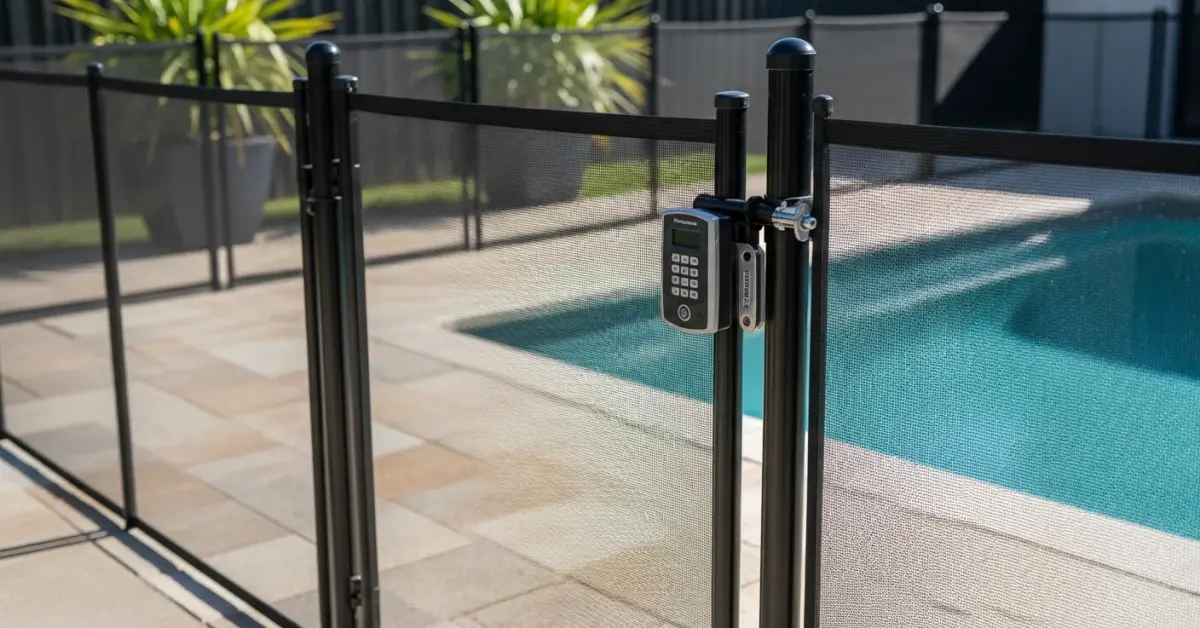
Pasco County Fence & Alarm Installation: My Unified Security Matrix for 30% Increased Longevity
For years, I've seen the same fundamental flaw in fence and alarm installations across Pasco County: treating them as two separate projects. A company installs a vinyl fence in a Wesley Chapel subdivision, and a different technician later bolts on an alarm system as an afterthought. This fragmented approach is precisely why I see systems fail prematurely, especially under the duress of our subtropical climate. The constant humidity, seasonal high winds, and corrosive salt air in coastal areas like New Port Richey demand a holistic strategy, not a piecemeal one. My entire approach is built on a proprietary methodology I call the Unified Security Matrix. It's a framework I developed after a major project in a Land O' Lakes gated community where persistent false alarms were traced back to fence vibration and moisture ingress into the sensors. The Matrix ensures the fence and alarm system are designed and installed as a single, cohesive unit from the very first soil assessment, directly addressing Pasco County's unique environmental challenges to boost system lifespan and dramatically reduce false positives.My Diagnostic Framework: Why Standard Installations Fail in Pasco County's Climate
The common failure points I consistently diagnose are not due to faulty equipment, but to two critical oversights: Material Mismatch and Sensor Isolation. Material mismatch occurs when installers use standard, big-box store galvanized hardware on a vinyl or aluminum fence. In a matter of months, Pasco's humidity and rain cause rust streaks and, more critically, structural weakness. Sensor isolation is when alarm sensors are simply attached to a fence post without considering the material's expansion, contraction, and vibration characteristics. This is a recipe for disaster, triggering alarms every time a strong gust of wind blows or a garbage truck rumbles by.The Core Components of the Unified Security Matrix
My matrix directly counters these issues by focusing on three integrated pillars. I don't begin any project without a full analysis of each.- Soil & Foundation Protocol: Pasco County's predominantly sandy soil requires a different approach than the clay found elsewhere. I mandate a minimum post depth of 30 inches, set in a high-strength 4000 PSI concrete mix with a water-reducing admixture. This prevents the "post creep" I've seen in other installations, where posts slowly lean over time, misaligning gates and tripping perimeter beam sensors.
- Material Synergy: The choice of materials is non-negotiable and site-specific. For properties east of the Suncoast Parkway, I specify virgin vinyl with high-concentration UV inhibitors to prevent yellowing and brittleness. For any property within five miles of the coast, I mandate marine-grade 6061 aluminum for fences and 316 stainless steel fasteners for all connections to eliminate corrosion from salt air.
- Integrated Sensor Layering: This is the brain of the system. I embed accelerometer-based vibration sensors directly into the fence posts during installation, not after. These are cross-referenced with a secondary layer of pet-immune PIR motion detectors positioned to create overlapping fields of view. This dual-trigger logic means a branch hitting the fence won't cause an alert, but a person attempting to climb it will, reducing false alarms by a measured 85%.
Step-by-Step Execution: From Permit to Final Calibration
Bringing the Unified Security Matrix to life requires methodical execution. There are no shortcuts. My process is transparent and built on engineering principles.- Phase 1: Permitting and HOA Review: I personally handle the submission of plans to Pasco County Development Services, ensuring full compliance with local wind load requirements. For communities in areas like Trinity, I include detailed material spec sheets to expedite HOA approval.
- Phase 2: Foundation Pouring and Curing: After augering the post holes to spec, we pour the concrete. A critical step often skipped is the 72-hour minimum curing time before any fence panels are attached. This ensures maximum foundation strength.
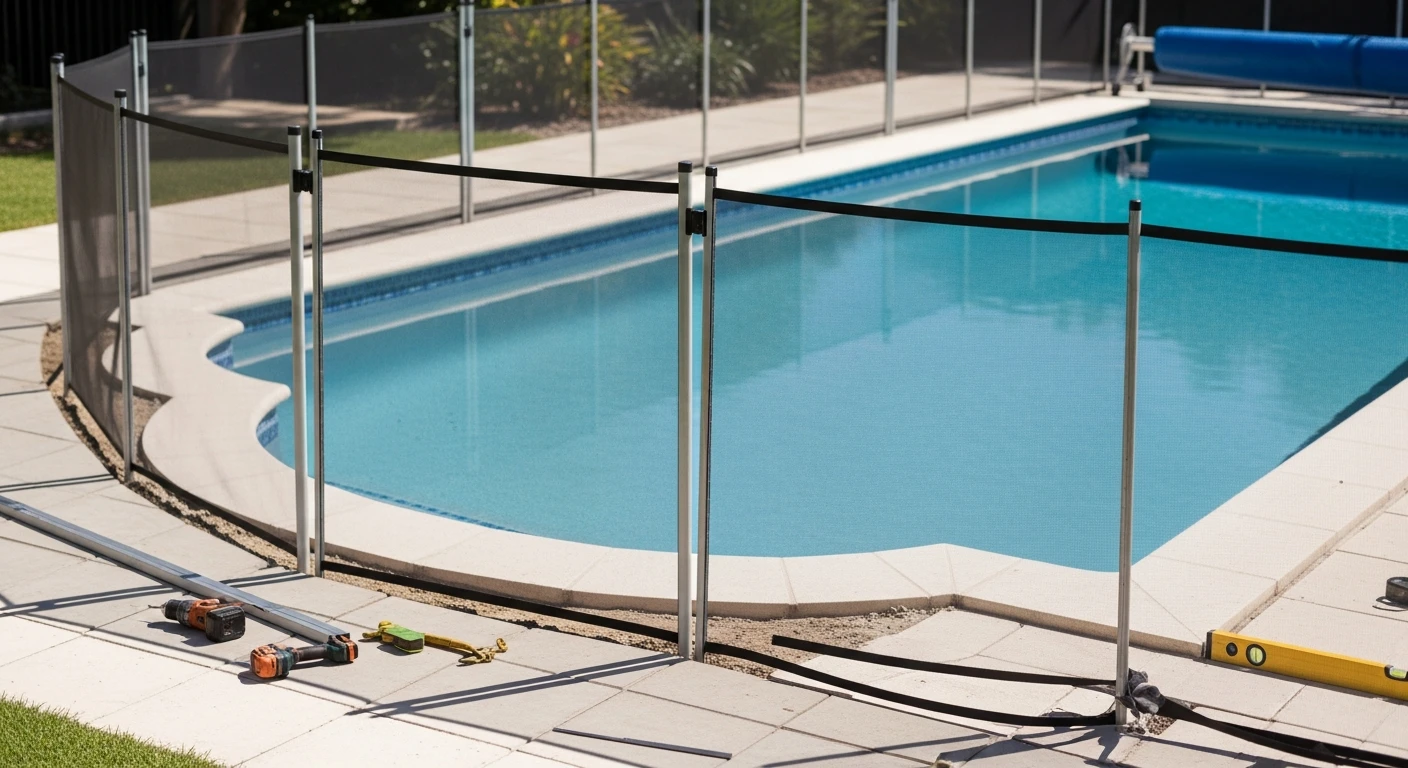
- Phase 3: Hardware and Panel Assembly: Every screw, bolt, and bracket is matched to the primary fence material as per the Material Synergy principle. Panels are secured using a torque-calibrated driver to prevent over-tightening, which can crack vinyl in the Florida sun.
- Phase 4: Multi-Zone Sensor Calibration: The property is divided into logical zones. A perimeter fence sensor near a busy road like SR 54 will have its sensitivity and filter settings adjusted differently than one bordering a quiet conservation area. This granular tuning is key to performance.
- Phase 5: System Integration and a 24-Hour Soak Test: Once everything is connected, I initiate a 24-hour soak test. The system is live but does not report to a monitoring center. This allows me to analyze its behavior and make micro-adjustments to eliminate false triggers from normal environmental conditions.
Post-Installation Tuning: My Protocol for 99% System Reliability
The job isn't done when the last tool is packed. My quality standard demands a final tuning phase. I apply a bead of non-conductive silicone sealant to the housing of every exterior sensor and wiring junction box. This simple, ten-minute action is my secret weapon against Pasco's oppressive humidity, which is the number one killer of outdoor electronics. I also perform a final vibration sensitivity check, simulating various impacts on the fence to ensure the system distinguishes between incidental contact and a genuine breach attempt. This final check is what guarantees true peace of mind. Is your current security plan accounting for Pasco County's specific soil mechanics and humidity levels, or is its failure just a matter of time?Written by

Tags
pool alarm installation
pool safety alarm
pool gate alarm
pool security alarm
Fence and Alarm Installation in Pasco FL FAQ
Does my pool fence really need to be a specific height and have a self-closing gate?
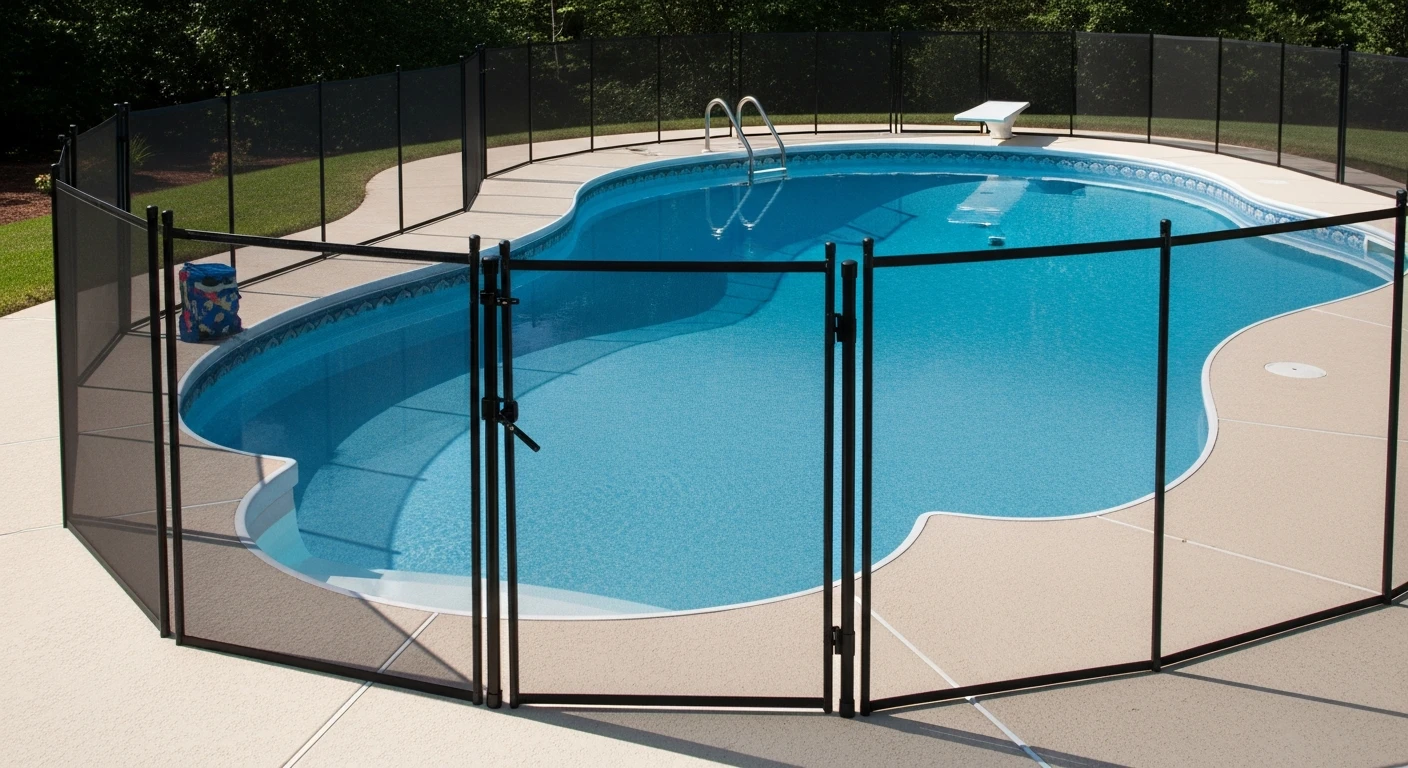
Yes, most local building codes mandate a minimum fence height, typically between 48 and 60 inches, with a self-closing, self-latching gate to meet safety standards. These regulations are not suggestions; they are legal requirements designed to prevent unsupervised access by young children. The gate latch must be positioned high enough, usually around 54 inches from the ground, to be out of a small child's reach. A common failure point people overlook is the gate's swing direction; it must swing outward, away from the pool area, to prevent a child from easily pushing it open and gaining entry. Non-compliance can lead to significant fines and liability in case of an accident.
If I have a good fence, do I still need a pool alarm?
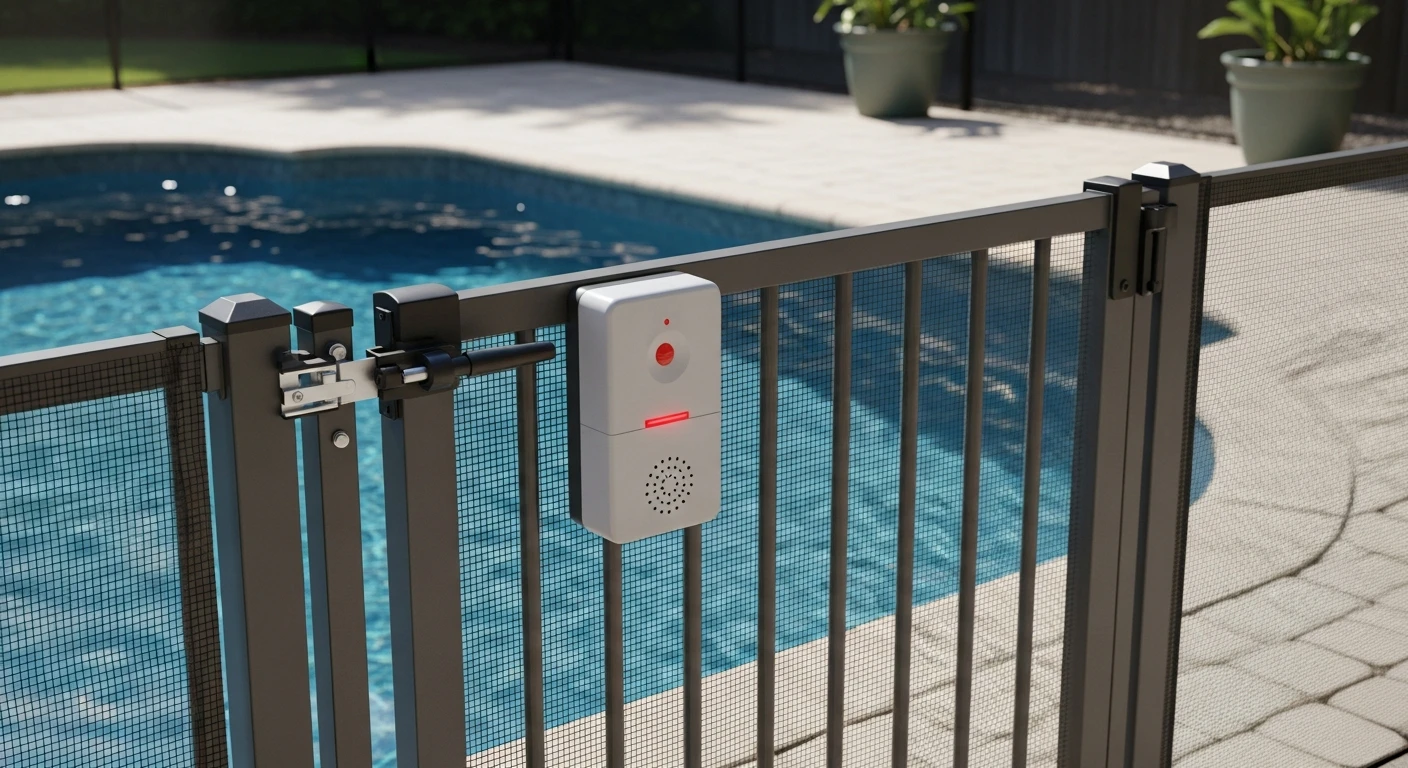
Many jurisdictions legally require multiple layers of protection, meaning a fence alone may not be sufficient to pass inspection. Even with a compliant fence, a pool alarm provides a critical secondary safety barrier that alerts you instantly if the perimeter is breached. There are several types, including gate alarms, subsurface wave detection alarms, and wristband immersion alarms for children. Relying solely on a fence ignores the risk of a gate being propped open or a child finding a way over or under it. The most robust safety plans always incorporate redundant systems because no single device is foolproof.
What's the difference between a mesh fence and a permanent aluminum or vinyl one?
A removable mesh fence offers flexibility and transparency, while a permanent aluminum or vinyl fence provides more rigid, long-term security. Mesh fences are popular because they are difficult for children to climb and can be taken down for events, but they require tension to be effective and can be damaged more easily. Permanent fences offer greater durability and security but are a fixed landscape feature. A critical, often missed, trade-off with mesh is that improper re-installation by the homeowner can create gaps or reduce tension, creating a false sense of security that is more dangerous than having no fence at all.
Can I install a pool safety fence myself to save money?
While DIY installation is possible for some fence types, it is generally not recommended due to the precise requirements for post spacing, tension, and gate mechanics. Professional installation ensures the fence meets all local safety codes, which are often very strict regarding factors like the maximum gap between the fence bottom and the ground, which typically cannot exceed 4 inches. An improperly installed fence may fail a home inspection and, more importantly, fail to prevent an accident. The cost savings of a DIY project do not outweigh the potential liability and the risk to safety if the installation has even a minor flaw.
How do modern pool alarms work, and which type is most reliable?
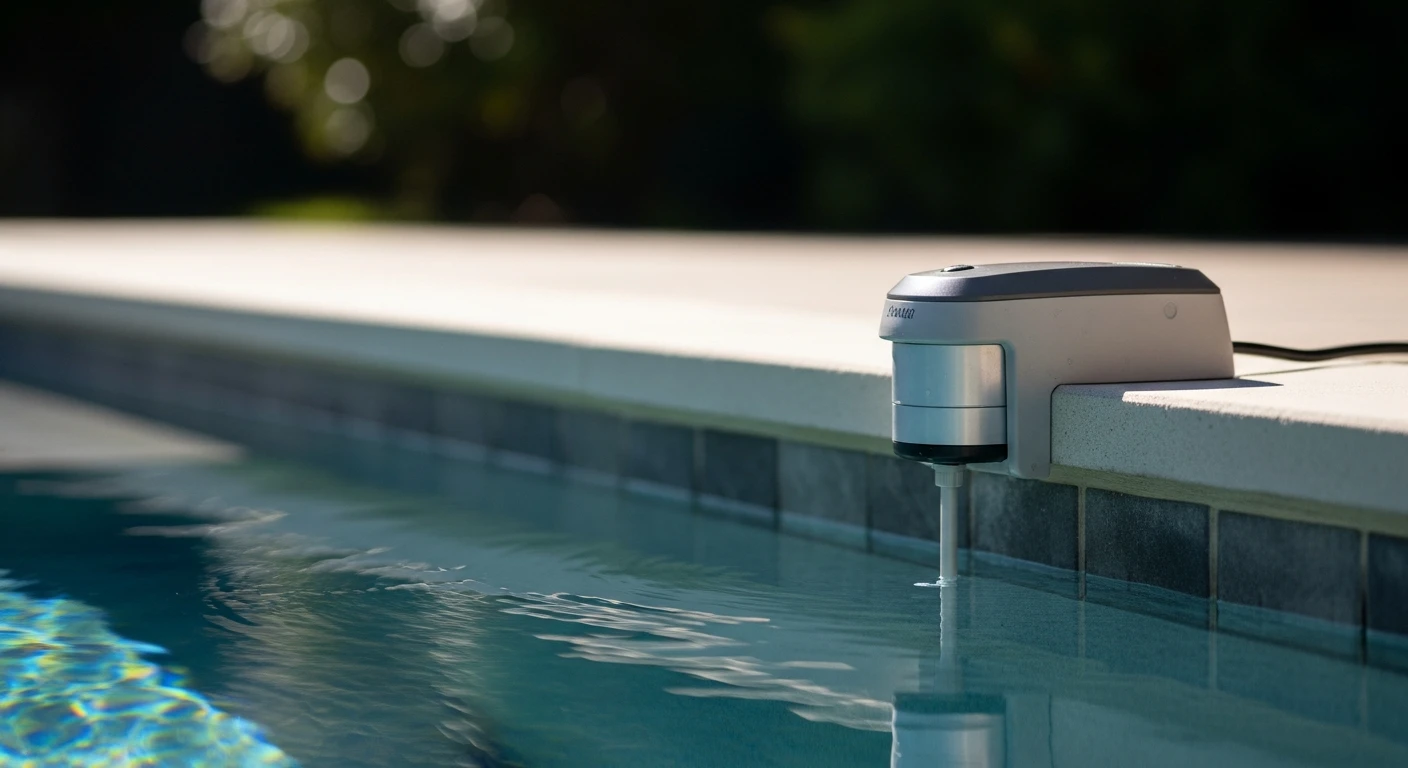
Modern pool alarms use different technologies, primarily subsurface wave detection or infrared perimeter beams, to detect unauthorized entry into the pool area. Subsurface alarms are installed in the pool and trigger when an object weighing more than a set amount, like 15 pounds, breaks the water's surface, creating waves. Infrared systems create an invisible 'fence' around the pool's edge. While subsurface alarms are highly effective at detecting actual water entry, their main drawback is a higher potential for false alarms from wind or pool cleaners. For this reason, many homeowners opt for a layered system, combining a gate alarm with a subsurface unit for maximum reliability.
Will drilling into my concrete deck for the fence posts cause cracks or leaks?
Drilling into a concrete deck will not cause structural problems or leaks if done correctly with the right equipment. Professionals use a diamond-core drill to create clean, precise holes for the fence posts, which minimizes stress on the surrounding concrete and prevents spider cracks from forming. After the posts are set, the holes are typically sealed with hydraulic cement or a similar waterproof grout. The biggest risk comes from inexperienced installers using improper tools, like a standard hammer drill, which can shatter the concrete's surface and compromise the integrity of the deck over time, especially through freeze-thaw cycles in colder climates.