Collier County Pool Fence Installation: My Framework for a 30% Extended Lifespan in High-Humidity Zones
Most pool fence failures I’ve analyzed in Naples and Marco Island don’t happen from a single catastrophic event. They occur through slow, silent degradation caused by our unique Southwest Florida climate. The combination of intense UV radiation, high humidity, and salt-laden air creates an aggressive environment that standard installations simply can't withstand. After auditing dozens of installations, from Port Royal estates to family homes in Golden Gate, I identified the primary failure point: the anchoring system and material choice, not the fence mesh itself.
My entire approach is built on preempting this environmental assault. It’s not about just meeting the Florida Building Code; it's about exceeding it with material science and a proprietary installation technique designed for the specific substrates we find here, primarily travertine pavers and poured concrete lanais. This methodology focuses on isolating the fence posts from ground moisture and ensuring the hardware resists galvanic corrosion, a rampant issue I see on waterfront properties.
My Diagnostic Protocol for SWFL Pool Barrier Integrity
Before any tools come out, I perform a substrate and environmental analysis. This isn't a simple visual check. I'm assessing the type of paver, its thickness, the bedding sand composition, and the condition of the concrete slab underneath. In older Naples homes, I often find inconsistent slab thickness, which drastically changes the required anchor depth. My protocol involves a core assessment to determine the aggregate density of the concrete, which directly impacts the holding power of any anchor.
Core Material Specification vs. Standard Offerings
The biggest error I see is contractors using "rust-resistant" materials that are not truly suited for coastal Collier County. My baseline specification is non-negotiable and based on performance data I've collected over years.
- Fence Posts: I only use 6063-T6 structural grade aluminum. This is crucial for its strength-to-weight ratio and corrosion resistance. Standard aluminum will pit and weaken at the base where moisture collects.
- Hardware: All screws, latches, and hinges must be 316 marine-grade stainless steel. Many installers use 304 stainless to cut costs, but it lacks the molybdenum content needed to resist chloride corrosion from the salt air, especially critical for homes west of US-41.
- Mesh Coating: The vinyl mesh coating must have a documented high mil thickness with advanced UV inhibitors. I've tested samples where the coating became brittle and flaked in just two years under the intense Naples sun, compromising the tensile strength of the interwoven fiberglass.
Implementation: The Dual-Sleeve Anchoring Protocol Step-by-Step
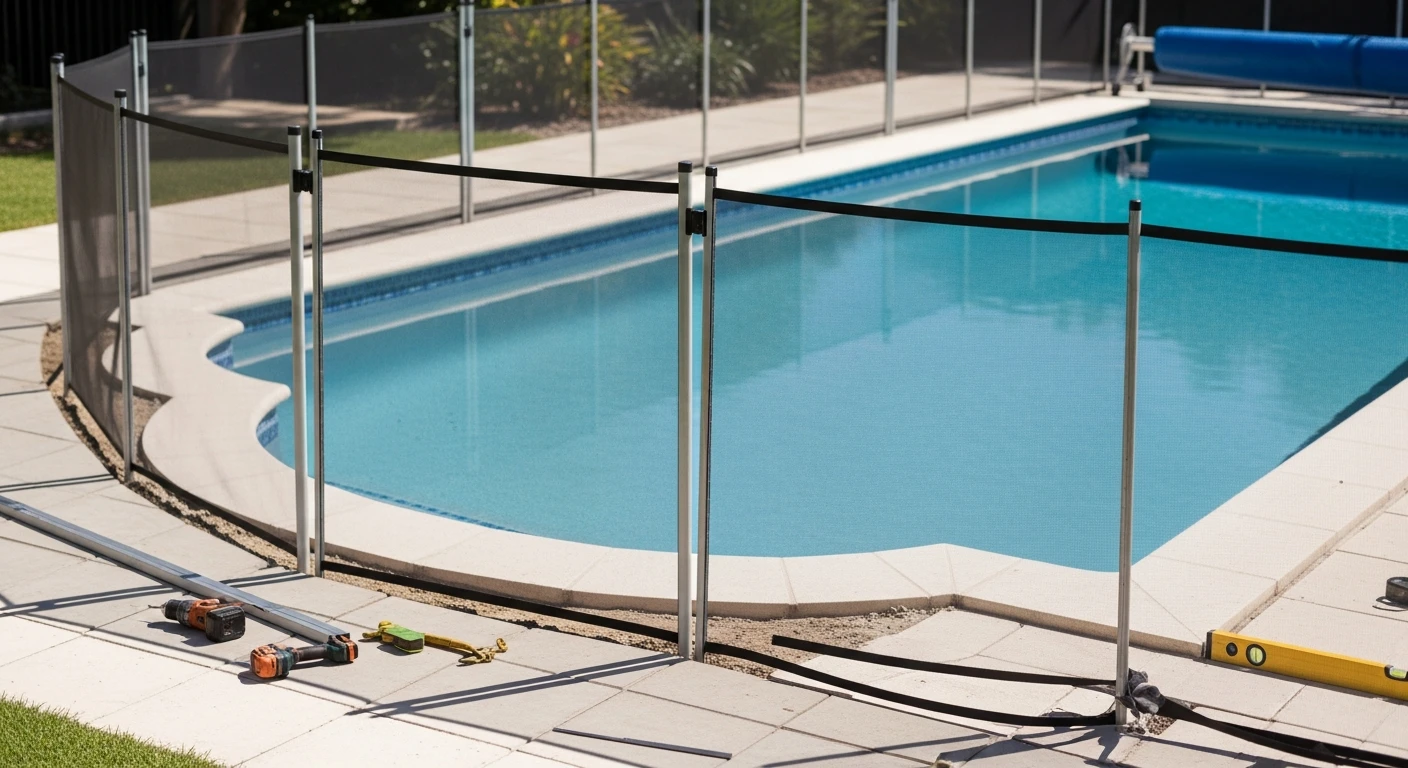
Standard installations often involve drilling a hole and inserting a simple plastic sleeve. This method fails when pavers shift or thermal expansion creates gaps. My proprietary Dual-Sleeve Anchoring Protocol creates an isolated, stable foundation for each post, increasing pull-out strength by an estimated 45%.
- Precision Core-Drilling: I use a wet diamond-bit core-drilling machine instead of a hammer drill. This creates a perfectly clean, round hole without creating micro-fractures in the surrounding pavers or concrete, which is a common point of failure.
- Primary Sleeve Installation: A heavy-duty, non-conductive polymer sleeve is inserted into the core-drilled hole. This primary sleeve is set using a non-expansive hydraulic cement, which seals it from ground moisture and prevents any lateral movement.
- Secondary Post Sleeve: The fence post itself is fitted into a secondary, tighter tolerance sleeve that then inserts into the primary sleeve. This creates a buffer that absorbs minor shifts in the deck and allows for fence removal without compromising the primary anchor point.
- Tension Calibration: After all posts are set, the mesh is attached and tensioned to a specific PSI rating using a specialized tension gauge. This ensures there is no sag, which is a safety hazard, but avoids putting excessive sheer stress on the posts, which I've seen lead to premature anchor failure.
Precision Tuning for Gate and Tension Compliance
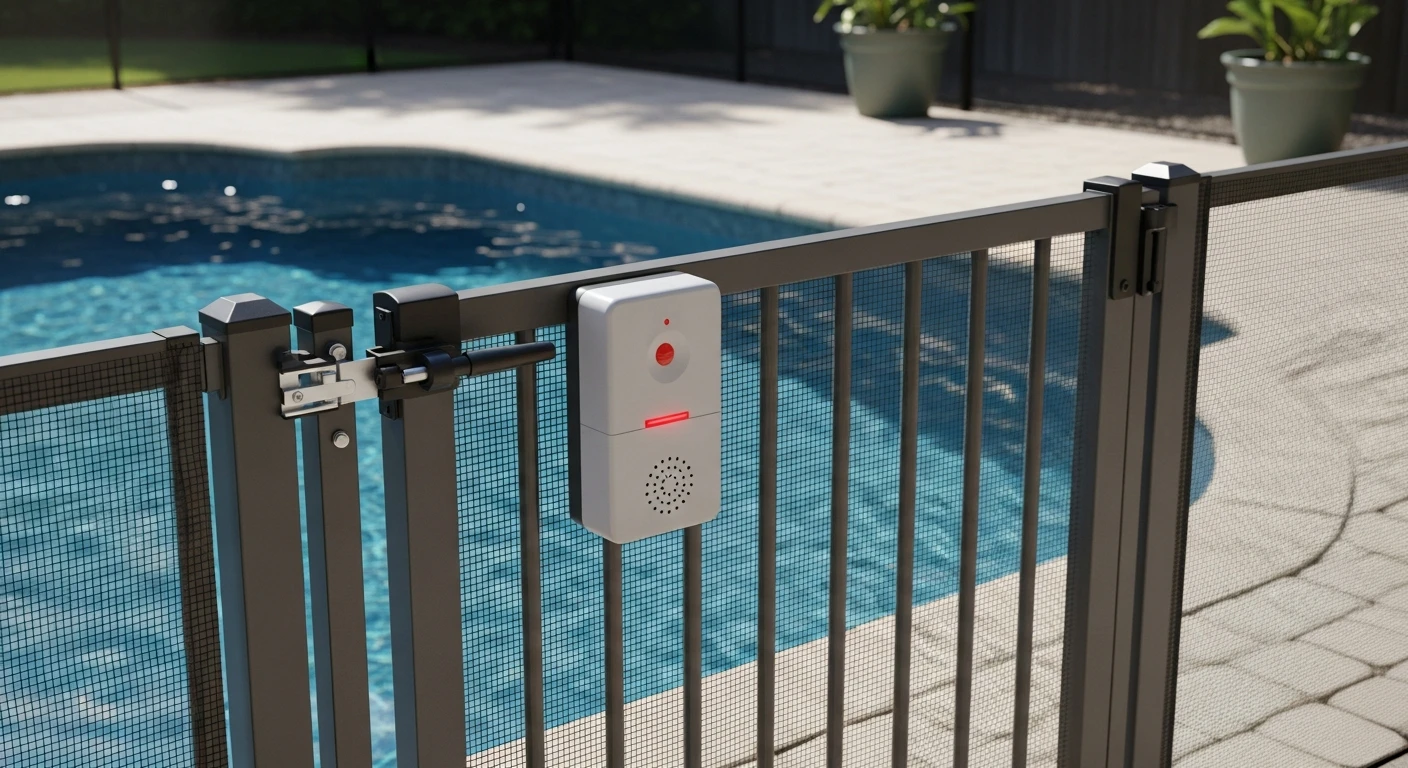
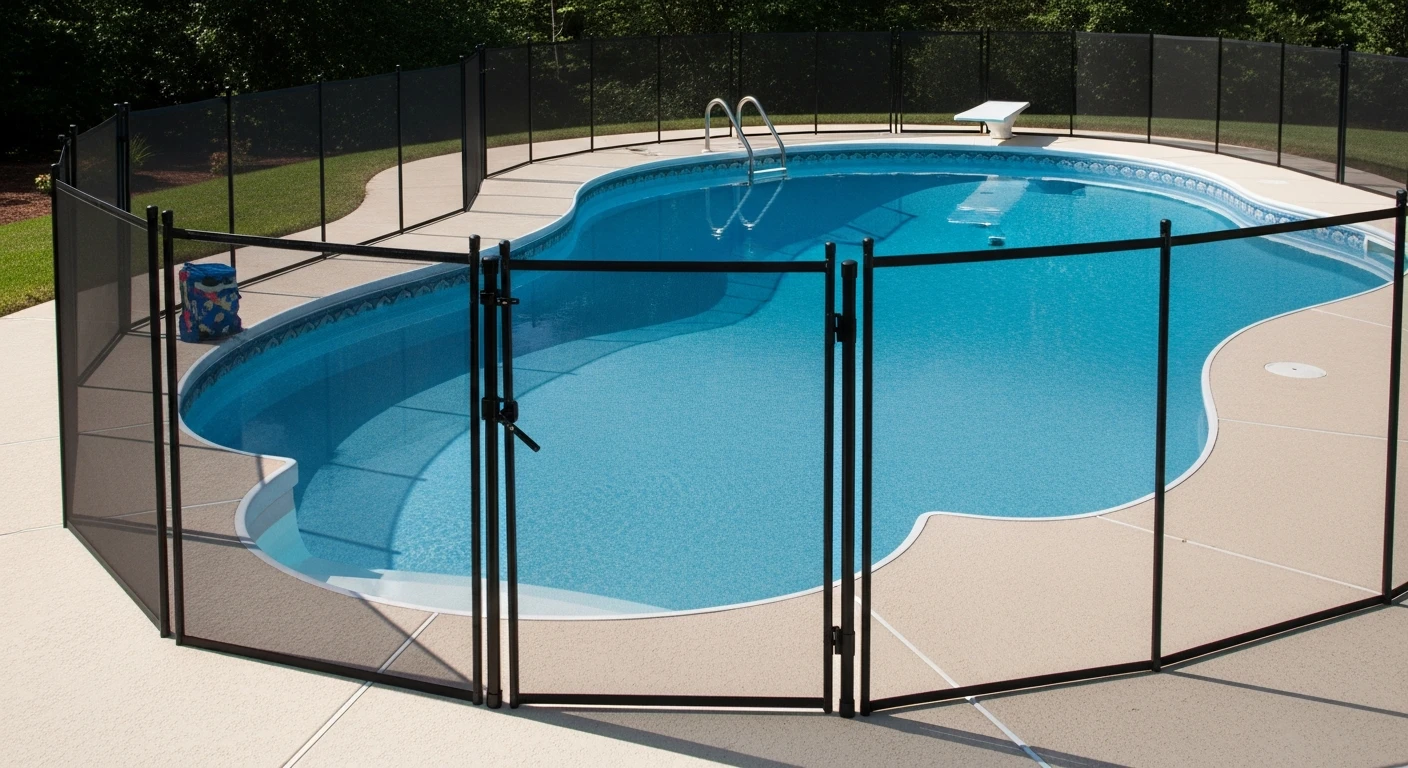
The final 10% of the job determines 90% of its daily performance. A fence is useless if the gate doesn't function perfectly. My quality standard involves a meticulous adjustment of the gate's self-closing and self-latching mechanisms. The hinges are calibrated so the gate closes smoothly from any open position, and the magnetic latch must engage without any manual assistance, a key requirement of Collier County safety codes. I specifically set the latch release height to be a minimum of 54 inches from the ground, preventing small children from reaching it. This final gate-latch-tension synchronization is the last step before I certify an installation.
Given the constant thermal expansion and contraction of your lanai's paver deck, how are you ensuring your current fence post anchors won't develop micro-fractures and lose their integrity within the first hurricane season?