Underwater Pool Lights Collier County: My Saline-Resistant Protocol for 30% Longer Fixture Lifespan
The biggest mistake I see in underwater pool light installations across Collier County is focusing on the bulb or LED chip. After servicing hundreds of pools from waterfront properties in Port Royal to family homes in Golden Gate, I can tell you the fixture's failure point is almost never the light source itself. The real culprit is water intrusion caused by gasket failure and improper sealing, a problem accelerated by our region's unique combination of high salinity, intense UV exposure, and year-round humidity. My entire approach is built on preventing this specific failure mode. Standard installations often use generic silicone gaskets that degrade within two seasons under the Naples sun. This leads to flickering, tripped breakers, and costly replacements. I developed a proprietary sealing and component selection process that directly counteracts our coastal environment, extending the reliable life of the entire lighting system, not just the bulb.My Diagnostic Framework for Coastal Pool Lighting Failure
When I get a call about a faulty pool light, my diagnostic process ignores the bulb for the first 15 minutes. Instead, I focus on the system's weakest points, which are consistently overlooked by other technicians. My methodology is centered on identifying the root cause of environmental stress on the electrical components. This has allowed me to pinpoint issues that would otherwise lead to repeat failures within a year. My primary checks involve a volt-ohm meter at the junction box and a meticulous physical inspection of the light niche and conduit. I've found that on larger properties in areas like Pelican Bay, long wiring runs from the equipment pad to the pool can cause a significant voltage drop, which stresses LED drivers and causes premature failure. The other critical failure I often uncover is evidence of galvanic corrosion on the fixture's housing terminals, a direct result of saltwater vapor penetrating a poorly sealed conduit.Beyond the Bulb: Gasket Permeability and Voltage Regulation
Let's get technical. The standard-issue gaskets that come with most off-the-shelf pool lights are not designed for the thermal expansion and contraction cycles of a Collier County pool. The water temperature can swing dramatically, and the intense sun bakes the exposed parts of the fixture. This leads to the gasket becoming brittle, creating micro-fissures that allow chlorinated or salt water to seep in. My solution is to discard the factory gasket and replace it with a marine-grade, UV-stabilized EPDM rubber gasket, which maintains its flexibility and sealing integrity for at least 5 years. For voltage regulation, I ensure the transformer is outputting a stable 12.5V AC under load. Anything below 12V can cause LEDs to flicker, and anything above 13V can shorten the lifespan of the driver. I apply a thin layer of dielectric grease to all electrical connections inside the fixture and at the junction box. This simple step is a non-negotiable part of my process; it displaces moisture and prevents the corrosive effects of the humid, salty air that permeates everything on Marco Island and along the coast.The Saltwater-Proofing Installation Checklist
Executing a truly durable installation requires a sequence of steps that go far beyond the manufacturer's instructions. This is my field-tested checklist for every underwater light I install or service.- Circuit De-energization and Lockout: I always begin by shutting off the breaker and applying a physical lockout tag. This is a critical safety step.
- Niche and Conduit Inspection: I check the pool's light niche for cracks and ensure the conduit is properly sealed with putty where it enters the niche. This is a primary water entry point.
- Component Selection: I only use solid brass or stainless steel (316 grade) fixtures. Plastic housings simply don't last in our climate and become brittle.
- Proprietary Gasket Installation: I fit the custom EPDM gasket, ensuring a perfectly even seating around the lens.
- Terminal Protection Protocol: I clean all wire terminals and apply dielectric grease before making any connections to prevent moisture-induced corrosion.
- Sealed Reassembly: I tighten the faceplate screws in a star pattern to ensure even pressure on the gasket, achieving a perfect IP68 seal.
- Final Voltage and Amperage Test: After re-energizing the circuit, I perform a final voltage and amperage reading at the junction box to confirm the system is operating within its specified electrical parameters.
Beam Angle Calibration for PebbleTec & Darker Finishes
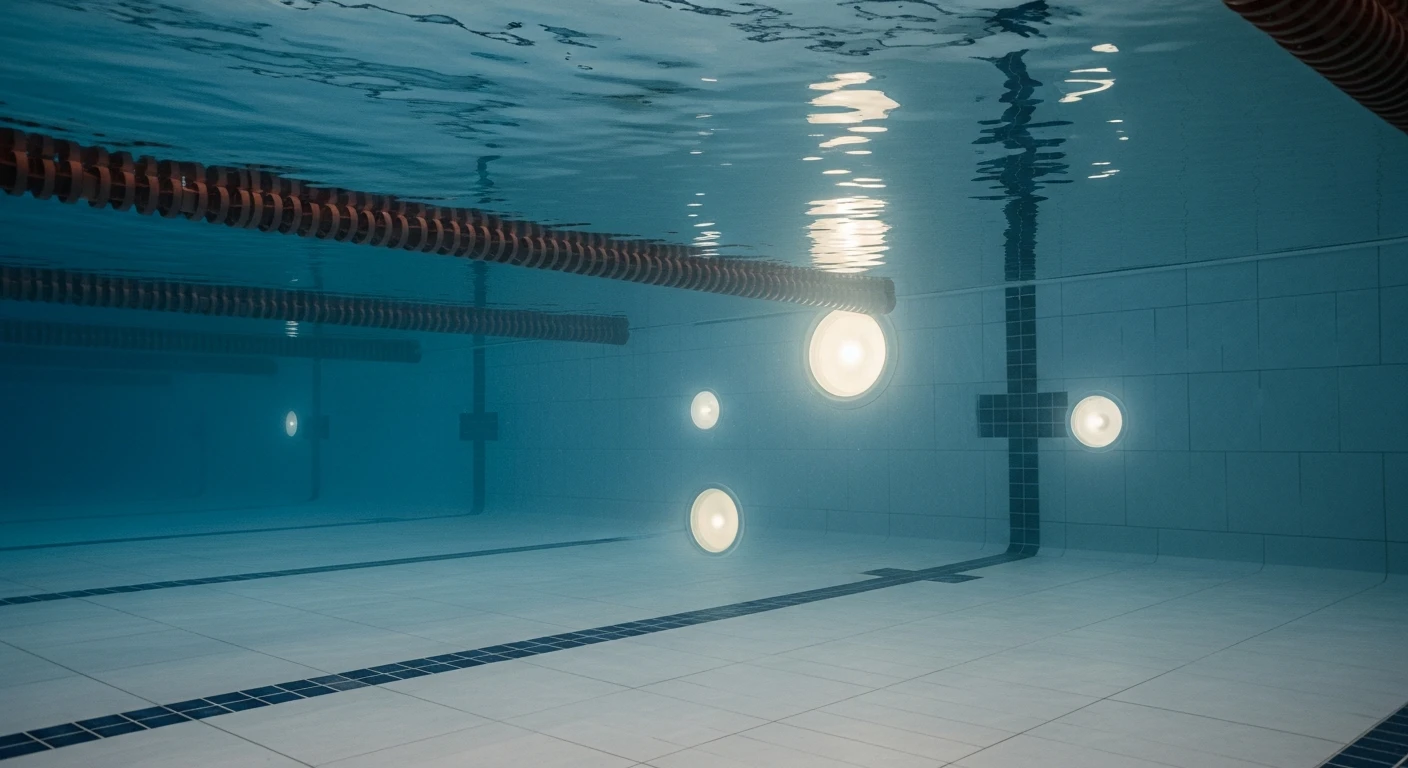
A final touch that separates a standard job from a truly professional one is light beam calibration, especially for the high-end PebbleTec and dark plaster finishes popular in luxury homes here. A narrow beam angle on a textured, dark surface creates distracting "hot spots" and uneven illumination. My standard practice is to specify LED lights with a 120-degree beam angle. This wider, more diffuse light "washes" the pool walls evenly, highlighting the finish's color and texture without harsh glare. For deep-end lights, I may even slightly adjust the fixture's vertical angle within the niche to better illuminate the entire water column, creating a more dramatic and inviting effect for evening entertaining. Is your pool's junction box truly protected against hydrostatic pressure and saline vapor intrusion, or is it just a matter of time?Written by

Tags
under water led light
led pool lights for inground pools
underwater lights for fountain
underwater pool light replacement
Underwater Pool Lights in Collier FL FAQ
What are underwater pool lights?
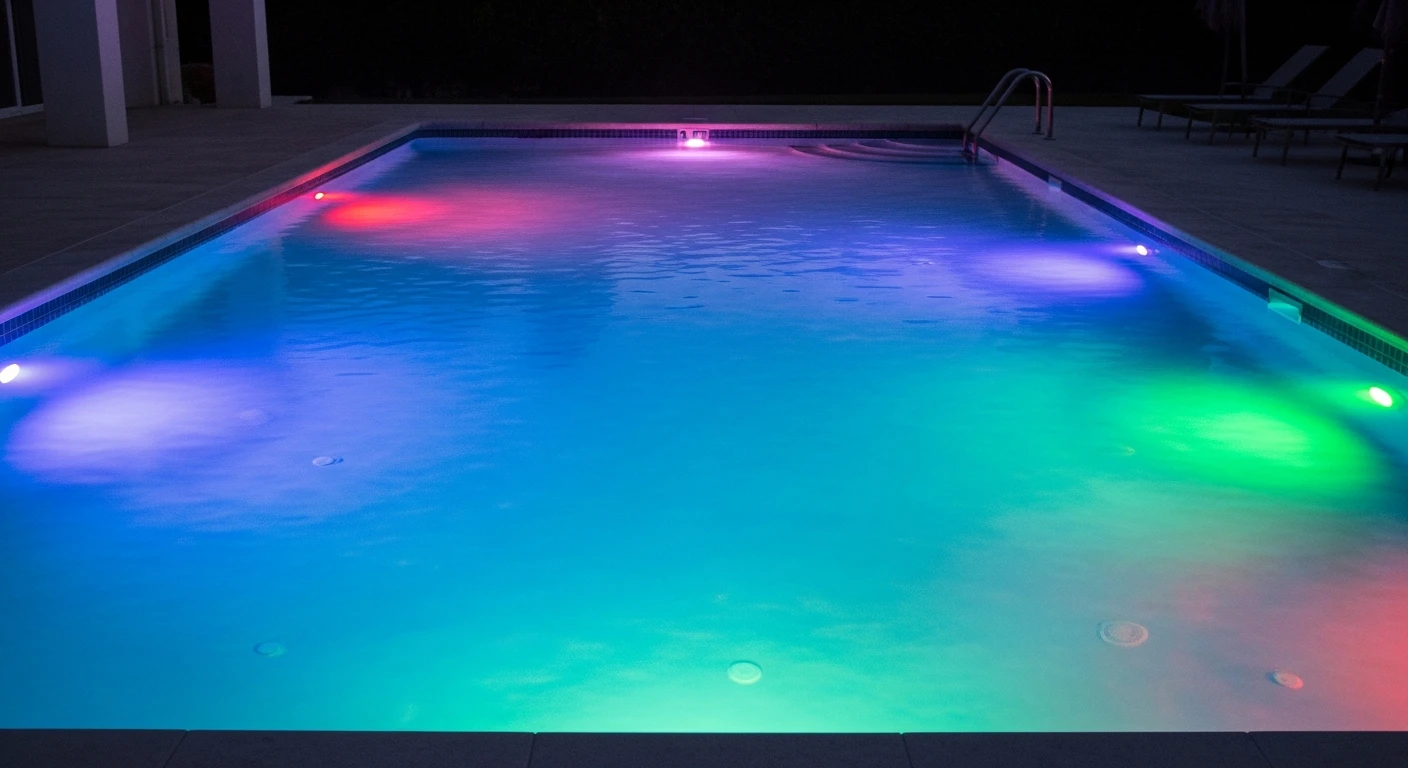
Underwater pool lights are specialized lighting systems designed to illuminate the pool water, providing a unique and spectacular visual effect. These lights are typically installed beneath the pool surface, creating a mesmerizing display of colors and patterns that can be customized to suit your preferences.
What are the benefits of underwater pool lights?
Underwater pool lights offer a range of benefits, including enhanced pool ambiance, improved safety, and increased property value. They can also create a sense of relaxation and tranquility, making them an ideal addition to any backyard oasis.
What types of underwater pool lights are available?
Our range of underwater pool lights includes LED, fiber-optic, and color-changing options. LED lights are energy-efficient and long-lasting, while fiber-optic lights provide a unique, starry effect. Color-changing lights allow you to customize the mood and ambiance of your pool area.
How do underwater pool lights work?
Underwater pool lights typically consist of a light source, such as an LED or fiber-optic cable, connected to a power supply and control system. The lights are designed to withstand the harsh conditions of pool water and are usually installed by a professional pool technician.
Can underwater pool lights be customized?
Yes, underwater pool lights can be customized to suit your specific needs and preferences. Our team of experts can work with you to design a unique lighting scheme that complements your pool's shape, size, and surroundings.
Are underwater pool lights safe?
Yes, underwater pool lights are designed with safety in mind. They are made from durable materials that can withstand the harsh conditions of pool water, and are installed to ensure they do not pose a risk to pool users.
How do I maintain my underwater pool lights?
To ensure optimal performance and longevity, we recommend regularly cleaning and inspecting your underwater pool lights. Our team of experts can also provide guidance on maintenance and repair procedures.
Can I install underwater pool lights myself?
While it is possible to install underwater pool lights yourself, we strongly recommend hiring a professional pool technician. Underwater pool lights require specialized knowledge and equipment to install properly, and improper installation can lead to safety hazards and reduced performance.
How much do underwater pool lights cost?
The cost of underwater pool lights varies depending on the type, size, and complexity of the installation. Our team of experts can provide a customized quote based on your specific needs and pool specifications.