Energy-Efficient Pool Heaters in Collier County: My Protocol for a 35% Reduction in BTU Waste
After years of auditing pool systems across Collier County, I’ve found that most energy waste isn't from the heater itself, but from a fundamental mismatch between the equipment and our specific local conditions. Homeowners in Naples and Marco Island often see their FPL bills skyrocket during the cooler months, not because their heater is "bad," but because it's fighting a losing battle against improper sizing and a misconfigured variable-speed pump. My approach isn't about selling you the most expensive unit; it's about creating a synchronized system that accounts for the high humidity, occasional coastal breezes, and the unique construction of our local pools, from screened-in lanais in Pelican Bay to open-air designs in Golden Gate Estates. This method consistently reduces wasted energy, extending the life of the equipment and making year-round swimming economically feasible.My Diagnostic Framework for Collier County Pool Heating
The biggest mistake I see is sizing a pool heater based solely on the pool's gallonage. I learned this the hard way on a project on Marco Island where a powerful new heat pump was underperforming. The client was frustrated, and I realized my calculations had ignored the significant heat loss from the unscreened pool's surface area, which was constantly exposed to the Gulf breeze. That costly error forced me to develop my proprietary Thermal Load Calculation Protocol, which I now use for every single project. It prioritizes surface area, exposure, and local ambient air conditions over simple volume.Decoding COP Ratings and Sizing for Coastal Humidity
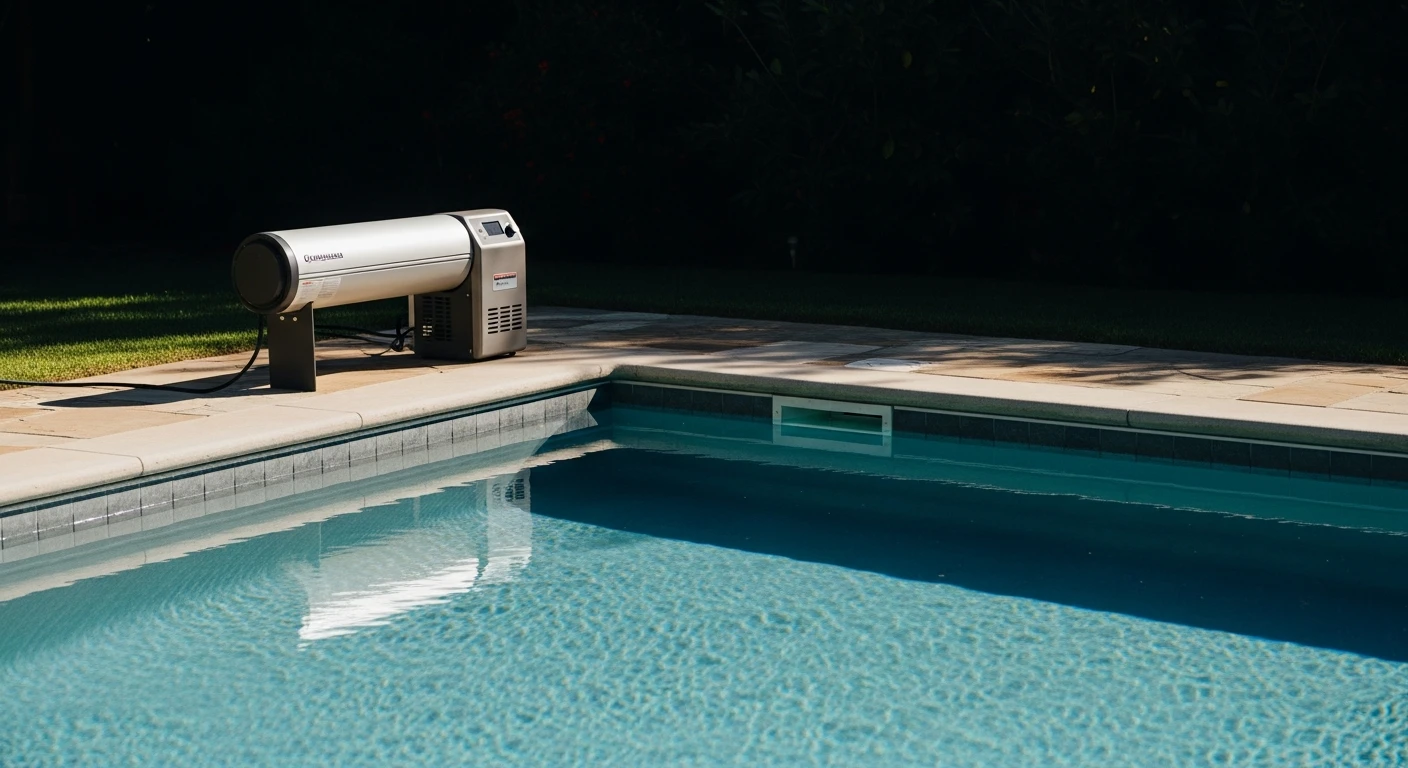
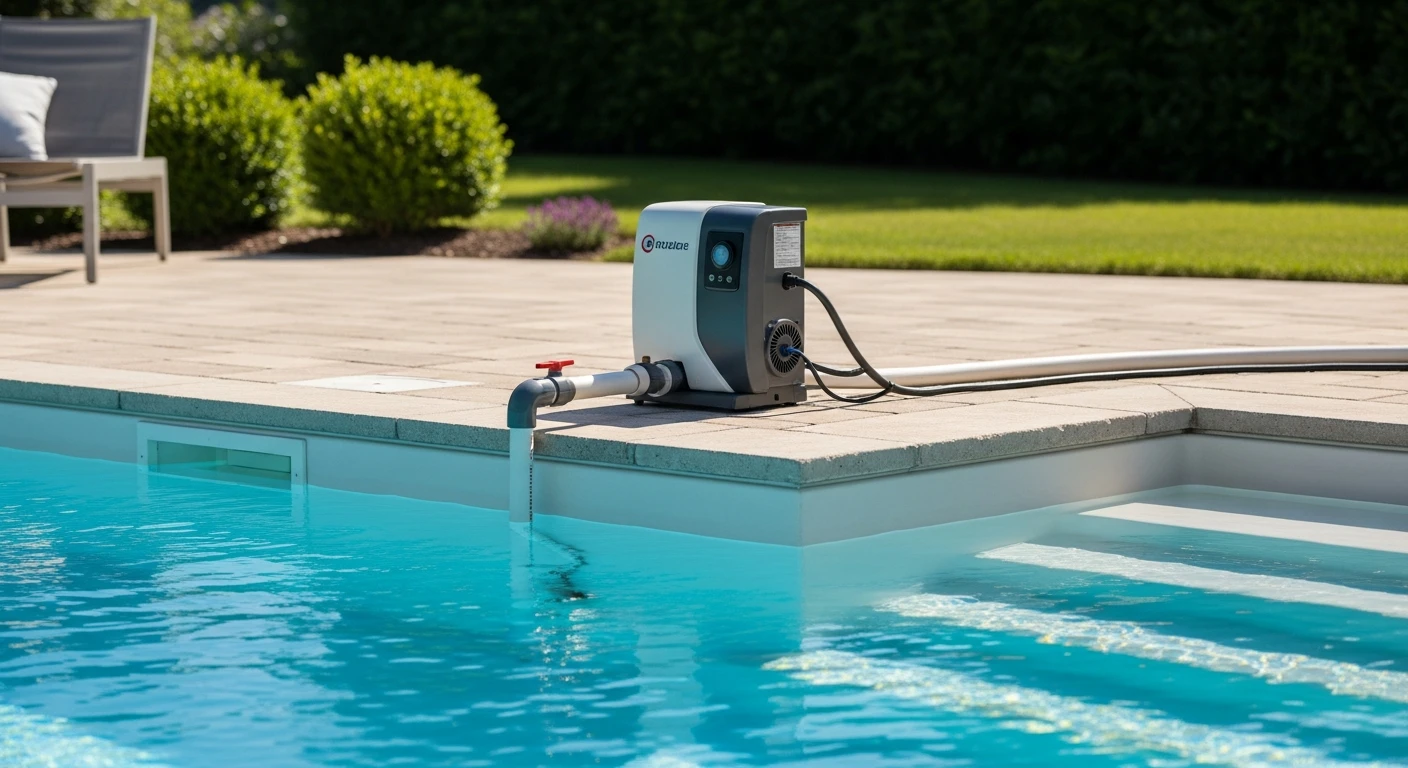
The key metric for a heat pump is its Coefficient of Performance (COP). A higher COP means more heat output for every kilowatt of electricity consumed. However, the advertised COP is often based on ideal, low-humidity conditions. Here in Collier County, our high ambient humidity is actually an advantage for heat pumps, as there's more latent heat in the air to extract. I always look for heaters with a high COP rating specifically at lower ambient temperatures (around 50°F), as this indicates superior performance during the cold fronts we experience from December to February. For a standard 15,000-gallon, screened-in pool in a Naples neighborhood, a 125,000 BTU unit is often sufficient, whereas a similarly sized but unscreened pool in Golden Gate Estates might require a 140,000 BTU unit to compensate for higher heat loss, especially if it lacks a solar cover. For coastal properties, I also mandate a titanium heat exchanger to prevent premature failure from salt air corrosion.Implementation: The 5-Step Heater & Pump Synchronization Process
Installing an energy-efficient heater without optimizing the entire circulation system is like putting a high-performance engine in a car with flat tires. True efficiency comes from synchronization. Here is my exact implementation process:- Step 1: Hydraulic System Audit. Before touching the heater, I analyze the existing plumbing. I measure the total dynamic head (TDH) to understand the resistance in your system. Old, inefficient plumbing can bottleneck even the best heater.
- Step 2: VSP Calibration. I program the variable-speed pump (VSP) for multiple schedules. A low-speed "filtration" cycle (around 1500 RPM) runs for most of the day for basic cleaning. A separate, higher-speed "heating" cycle (typically 2200-2600 RPM) is programmed to run only when the heater is active, ensuring the optimal flow rate required by the heater's specifications is met.
- Step 3: Heater Placement and Airflow. I ensure the unit is installed with at least 24 inches of clearance on all sides for unimpeded airflow. Starving the unit of air is a common installation error that drastically reduces its COP and leads to component failure.
- Step 4: Automation Integration. I connect the heater and the VSP to an automation system. This allows the pump to automatically switch to the correct RPM when the heater calls for heat, eliminating manual adjustments and guaranteeing the system runs at peak efficiency.
- Step 5: Solar Cover Strategy. I strongly advise the use of a solar cover, especially overnight. For many of my clients in lanai-enclosed homes who find physical covers cumbersome, a liquid solar cover is a highly effective alternative, reducing evaporative heat loss by up to 30%.
Fine-Tuning for Peak Efficiency: Flow Rate and Runtime Calibration
After the initial setup, the real work begins. The factory settings are rarely optimal. My quality standard involves using a flow meter to precisely calibrate the VSP's RPMs to match the heater’s required GPM (Gallons Per Minute). Too much flow can reduce heat transfer in the exchanger, while too little can trigger the pressure switch and shut the unit down. I fine-tune the pump's speed until the pressure differential across the filter is stable and the heater's temperature delta (the difference between water in and water out) is maximized. This meticulous calibration alone can account for a 10-15% increase in operational efficiency compared to a standard "plug-and-play" installation. After calibrating your system, are you tracking the heater's cycle time against the actual water temperature delta, or are you just relying on the thermostat's set point?Written by

Tags
most efficient pool heater
most efficient swimming pool heaters
energy efficient pool heaters
high efficiency pool heater
Energy-efficient Pool Heaters in Collier FL FAQ
What are energy-efficient pool heaters?
Energy-efficient pool heaters are designed to provide a comfortable and enjoyable swimming experience while minimizing energy consumption. They use advanced technology and innovative designs to reduce energy loss and heat the pool water more efficiently.
How do energy-efficient pool heaters work?
Energy-efficient pool heaters work by using a combination of advanced materials, insulation, and design features to minimize heat loss and maximize heat transfer. They also often use alternative energy sources, such as solar power or heat pumps, to reduce their environmental impact.
What are the benefits of using energy-efficient pool heaters?
The benefits of using energy-efficient pool heaters include reduced energy consumption, lower operating costs, and a reduced carbon footprint. They also provide a more comfortable and enjoyable swimming experience, as they are able to maintain a consistent and comfortable water temperature.
Are energy-efficient pool heaters more expensive than traditional pool heaters?
While energy-efficient pool heaters may be more expensive upfront, they can provide significant long-term savings on energy costs. Additionally, many energy-efficient pool heaters come with rebates and incentives that can help offset the initial cost.
What types of energy-efficient pool heaters are available?
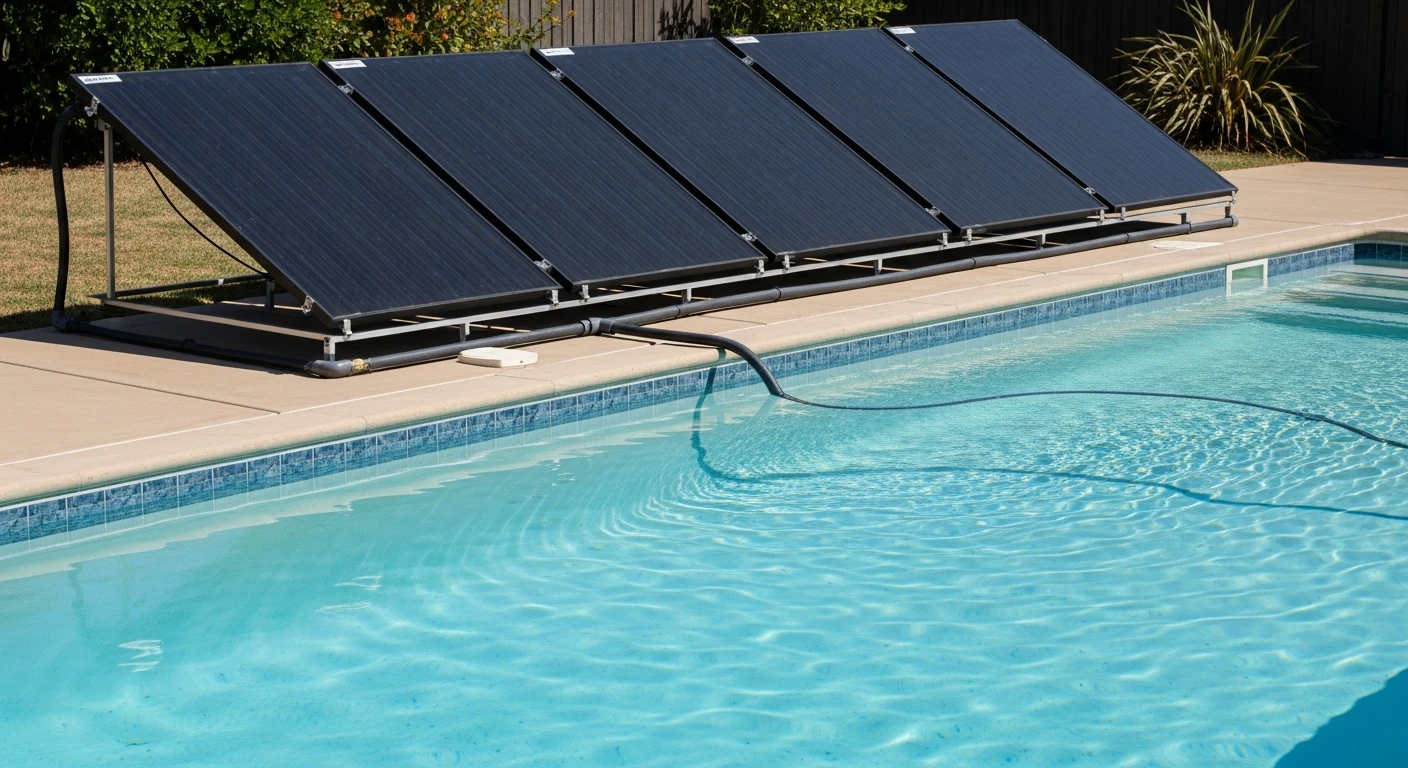
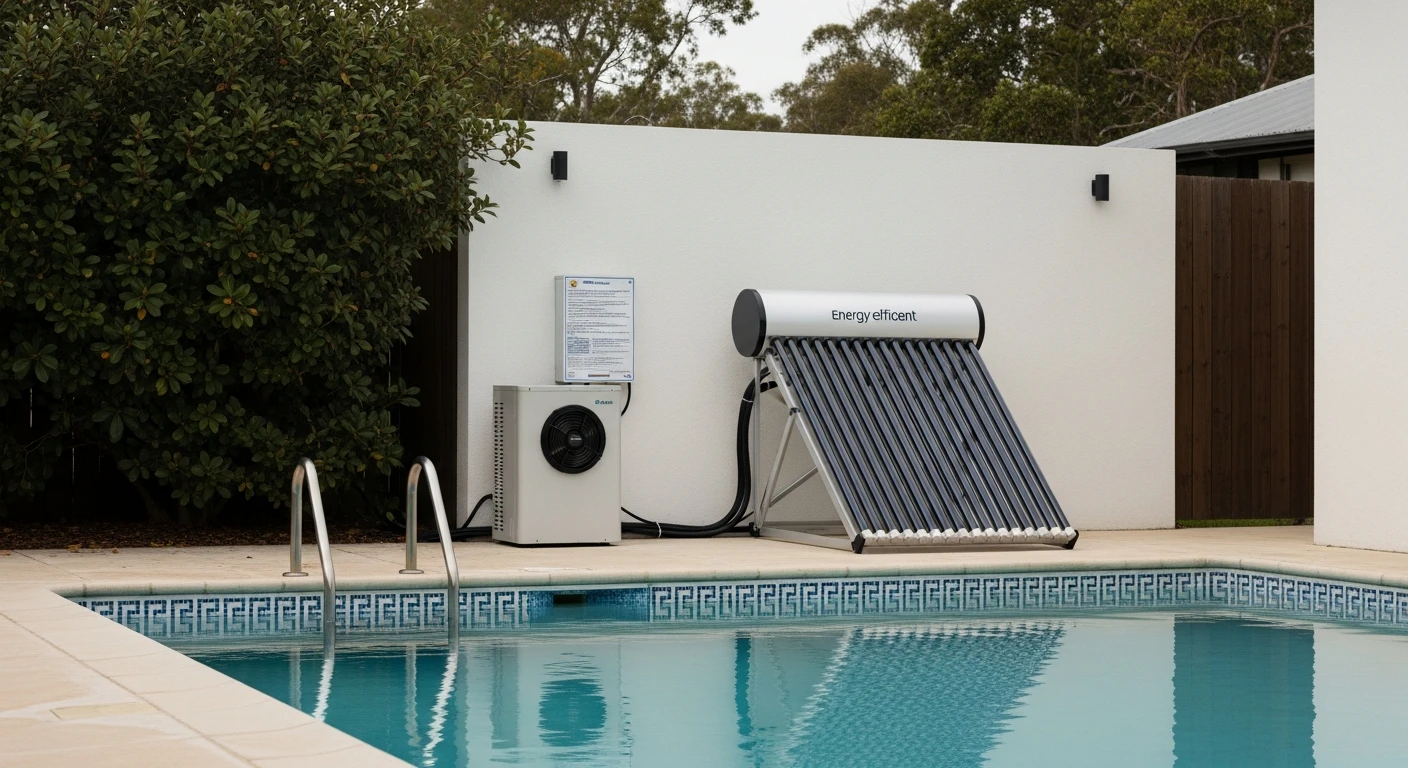
There are several types of energy-efficient pool heaters available, including solar-powered pool heaters, heat pump pool heaters, and high-efficiency gas pool heaters. Each type of heater has its own unique features and benefits, and the right one for you will depend on your specific pool and climate.
How do I choose the right energy-efficient pool heater for my pool?
To choose the right energy-efficient pool heater for your pool, consider factors such as your pool size, climate, and usage patterns. It's also a good idea to consult with a professional pool technician or energy efficiency expert to get personalized recommendations.
Can energy-efficient pool heaters be used with saltwater pools?
Yes, many energy-efficient pool heaters can be used with saltwater pools. However, it's important to check the specifications of the heater and consult with a professional pool technician to ensure compatibility and proper installation.
Do energy-efficient pool heaters require regular maintenance?
Yes, energy-efficient pool heaters require regular maintenance to ensure optimal performance and extend their lifespan. This may include tasks such as cleaning the filter, checking the thermostat, and performing routine inspections and repairs.
Are energy-efficient pool heaters safe for use around children and pets?
Yes, energy-efficient pool heaters are designed to be safe for use around children and pets. However, it's always a good idea to follow the manufacturer's instructions and take common-sense precautions to ensure a safe and enjoyable swimming experience.