Solar Pool Heaters Collier County: My Protocol for Maximizing Thermal Gain by 25%
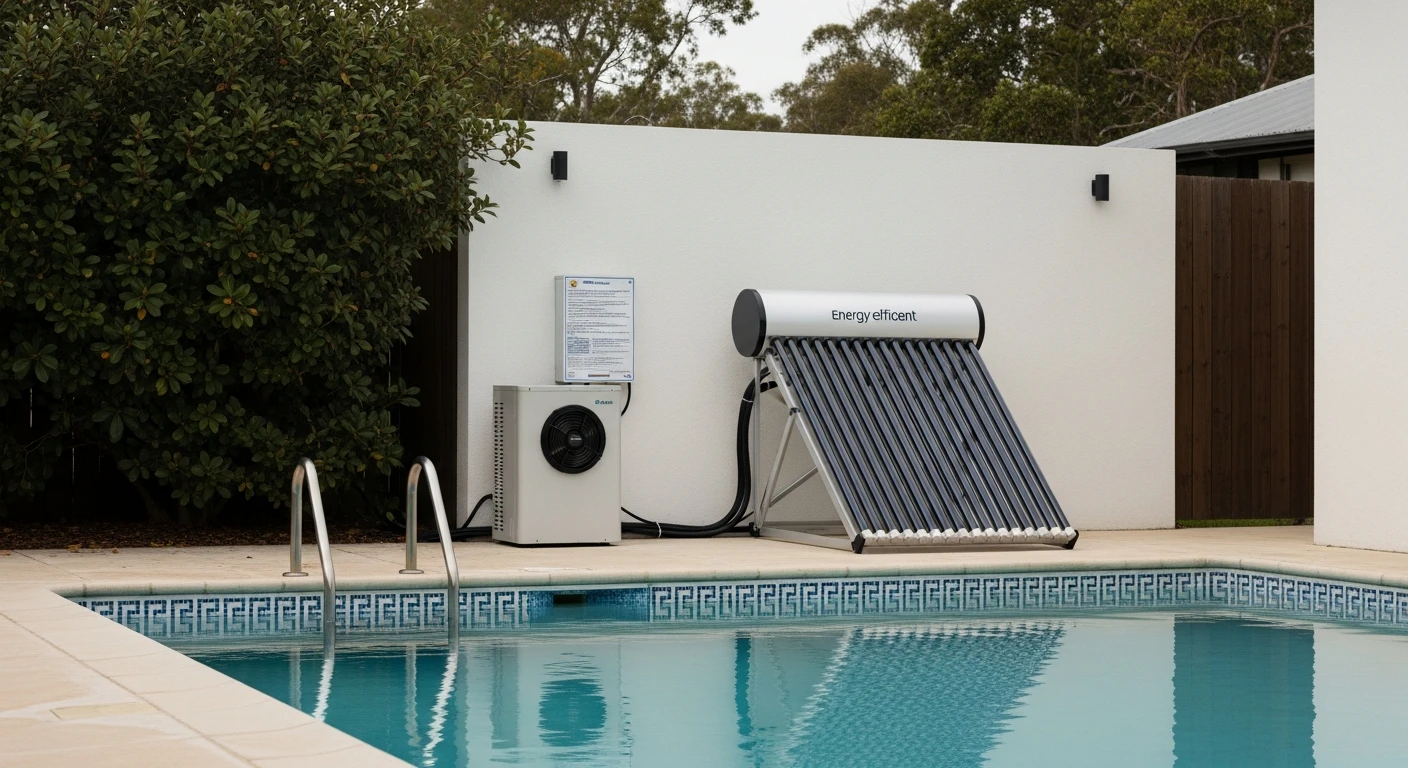
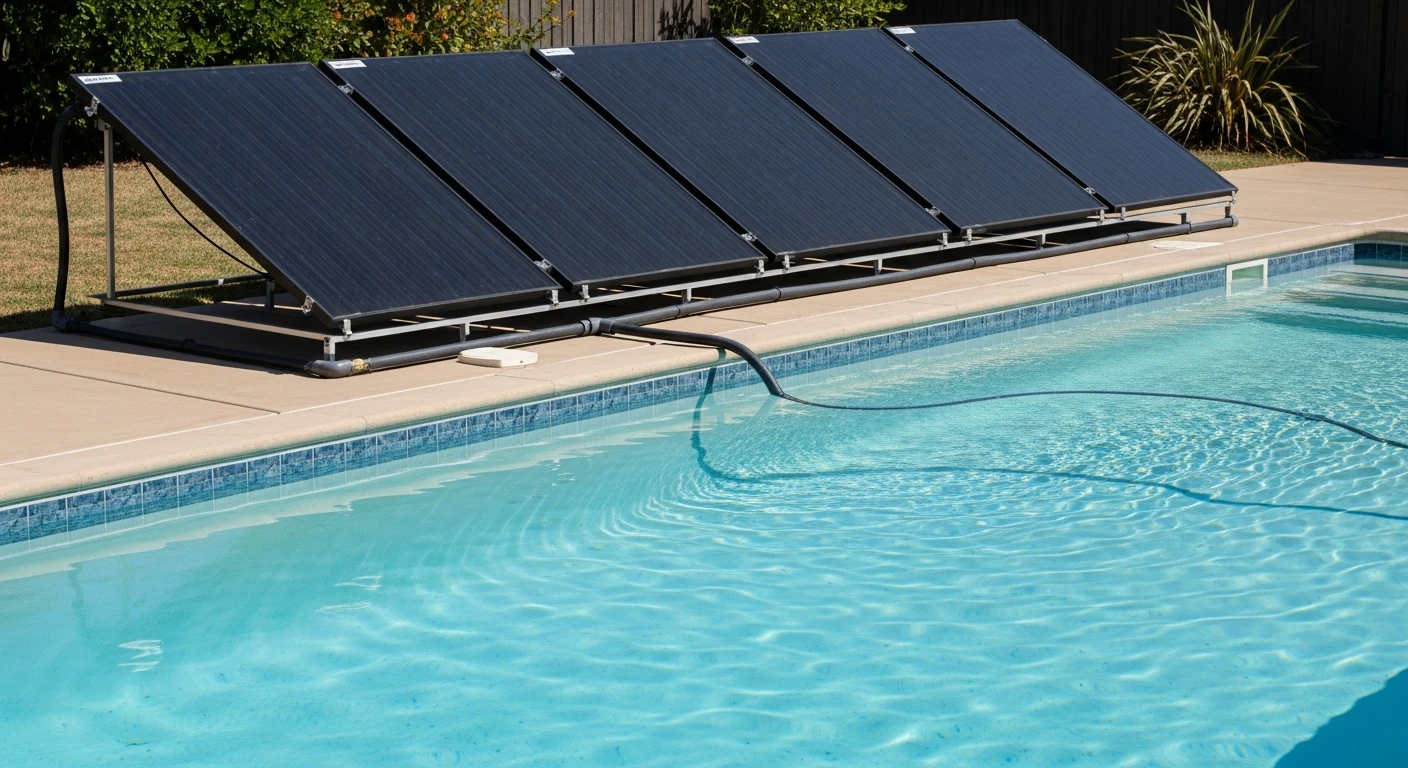
For years, I've seen countless solar pool heating systems in Collier County underperform, and the reason is almost always a flawed installation methodology that ignores our unique climate. A standard, out-of-the-box setup simply can't cope with the intense UV, the seasonal cloud cover of our rainy season, or the corrosive salt air on Marco Island. The goal isn't just to install panels; it's to create a calibrated thermal engine on your roof that consistently adds 10-15°F to your pool, effectively extending your comfortable swim season from 7 months to over 9 months. My entire approach is built on a principle I call **Optimized Flow Dynamics**. This isn't about using more panels; it's about making each panel work at its absolute peak efficiency. I discovered this after analyzing a system on a large home in Pelican Bay with a beautiful, but challenging, clay tile roof. The installer had used a high-horsepower pump, thinking more power was better. In reality, the water was moving too fast through the collectors to properly absorb the heat, resulting in a pathetic 4°F temperature increase. By recalibrating the flow rate, we achieved a 12°F gain with the exact same equipment.My Proprietary 3-Point Diagnostic for Collier County Systems
Before a single panel is ever unboxed, I perform a diagnostic that prevents 90% of common performance failures I'm called to fix. This isn't a sales pitch; it's a non-negotiable engineering assessment to guarantee the system's ROI.Roof Viability & Solar Window Analysis
I start by mapping the roof's true solar window, not just its southern exposure. In Naples and surrounding areas, many homes have complex rooflines or are situated on lots with mature palms that create significant morning or afternoon shade. I use a solar pathfinder to precisely model the sun's trajectory throughout the year, identifying the optimal placement that avoids shading from a neighbor's two-story home or a large lanai cage. We must factor in the lower sun angle during our key heating months of October through April. A system optimized for the July sun is practically useless in November.Hydraulic Pressure & Pump Sizing Calculation
This is where most installations go wrong. The assumption is that the existing pool pump is sufficient. I conduct a full hydraulic audit, measuring the total dynamic head (TDH) required to efficiently lift water to the roof and through the collectors without straining the pump motor. For homes in Golden Gate Estates with long pipe runs from the pool equipment to a detached garage or shed roof, this calculation is critical. An undersized pump leads to low flow and poor heating, while an oversized pump causes high backpressure, equipment wear, and a phenomenon called **collector over-pressurization**, which drastically shortens panel lifespan.Environmental Stress Assessment
Living in Collier County means preparing for two things: hurricanes and corrosive humidity. My assessment analyzes the roof's substructure to ensure any mounting hardware can meet our stringent wind-load codes. For any property east of US-41 and especially on Marco Island, I mandate the use of 316 marine-grade stainless steel hardware. Standard stainless steel will show signs of corrosion within 24 months due to the constant salt spray, compromising the integrity of the entire system.The Non-Negotiable Installation Checklist for Florida's Climate
Executing the installation requires a level of precision that goes far beyond simply connecting pipes. My team follows a strict protocol that I developed after correcting dozens of faulty competitor installations.- Secure Panel Mounting: We use hurricane-rated, strap-based mounting systems that allow for the thermal expansion and contraction of the panels without drilling dozens of holes into your roof. This is especially critical for tile roofs, minimizing the risk of future leaks.
- Perform a Critical System Purge: Before the final connection, I conduct a high-pressure purge of the entire plumbing line. Any trapped air pockets, what's known as an air lock, can completely stop water flow and halt heat production. This is a step almost every other installer skips.
- Install a High-Precision Flow Meter: I insist on installing a visual flow meter on every system. This isn't an upsell; it's a diagnostic tool that allows you, the homeowner, to see that the system is operating at the correct Gallons Per Minute (GPM) specified for peak performance.
- Calibrate the Differential Controller: The system's "brain" must be calibrated to our local conditions. I set the controller's sensitivity to activate only when the roof panels are at least 4°F warmer than the pool water, preventing the system from running on cloudy days or at night and actually cooling your pool—a mistake I once saw drop a client's pool temperature by 5°F overnight.
Post-Installation Tuning: My System for Peak Year-Round Performance
The job isn't done when the pump turns on. The first week is about fine-tuning. I monitor the system's **delta-T** (the temperature difference between water entering and leaving the panels) and make micro-adjustments to the valve actuators. The goal is to achieve a consistent 8-10°F delta-T during peak sun hours. I also double-check the check valve to ensure there is zero evidence of **thermal siphoning** at night, a subtle issue where warm pool water can slowly circulate up to the cool panels and lose heat. It’s a silent efficiency killer. Are you actively monitoring your system's flow rate and delta-T, or are you just hoping it's delivering the performance you paid for?Written by

Tags
pool warmer solar
pool solar panels
swimming pool solar panels
pool solar installation
Solar Pool Heaters in Collier FL FAQ
What is a solar pool heater?
A solar pool heater is a device that uses the sun's energy to heat your pool water, providing a cost-effective and eco-friendly alternative to traditional pool heating methods.
How does a solar pool heater work?
A solar pool heater works by circulating pool water through a network of tubes filled with a special fluid that absorbs the sun's heat. The heated fluid is then pumped back into the pool, warming the water.
What are the benefits of using a solar pool heater?
Solar pool heaters offer several benefits, including reduced energy costs, a lower carbon footprint, and a longer lifespan for your pool equipment. They also provide a safe and chemical-free heating solution.
Can I install a solar pool heater myself?
While it is possible to install a solar pool heater yourself, it is recommended to hire a professional to ensure proper installation and to ensure that your system is working efficiently and safely.
How long does it take to install a solar pool heater?
The installation process typically takes several hours to a few days, depending on the size of your pool and the complexity of the installation.
How much does a solar pool heater cost?
The cost of a solar pool heater varies depending on the size of your pool, the type of system, and the installation costs. However, on average, a solar pool heater can pay for itself in just a few years through energy savings.
Will a solar pool heater work in cold weather?
While solar pool heaters can still work in cold weather, their efficiency may be reduced. It is recommended to use a pool cover or other heat retention methods to help keep the pool warm during cold weather.
How often do I need to maintain my solar pool heater?
Regular maintenance is important to ensure your solar pool heater is working efficiently and safely. This includes checking and cleaning the system, checking for leaks, and performing routine inspections.
Can I use a solar pool heater with my existing pool equipment?
In most cases, yes. Solar pool heaters can be designed to work with your existing pool equipment and plumbing. However, it is recommended to consult with a professional to ensure compatibility.
What is the warranty on a solar pool heater?
The warranty on a solar pool heater varies depending on the manufacturer and the type of system. Typically, solar pool heaters come with a 5-10 year warranty on the system and a 5-10 year warranty on the components.
Can I get a tax credit or incentive for installing a solar pool heater?
Yes, many governments offer tax credits or incentives for installing solar pool heaters as part of their efforts to promote renewable energy and reduce energy consumption.