Gas Pool Heaters Collier County: My Protocol for Mitigating Salt-Air Corrosion and Boosting BTU Output by 15%
For years, I've serviced and installed gas pool heaters across Collier County, from single-family homes in Golden Gate to sprawling waterfront estates in Port Royal. I quickly realized that a standard, by-the-book installation is a recipe for premature failure here. The combination of intense humidity, corrosive salt air, and unique architectural features like lanais demands a specialized approach that goes far beyond what the manufacturer's manual suggests. My entire methodology is built on countering our specific environmental challenges to extend equipment lifespan and maximize performance. I’ve seen brand-new, high-end units fail in under three years on Marco Island simply because the installer ignored the impact of salt spray on the ignition assembly. This isn't about just connecting a gas line; it's about engineering a solution for the Collier County climate.My Coastal-Spec Diagnostic and Sizing Methodology
Before I even consider a specific model, I perform what I call a Coastal-Spec Sizing and Placement Audit. A common mistake I encounter is sizing a heater based solely on the pool's gallon capacity. This is a critical error in our area. I was once called to a Naples property where a perfectly good 400k BTU heater couldn't keep the spa hot. The problem wasn't the unit; it was its placement, which exposed it to the prevailing Gulf breeze, causing a massive convective heat loss that the original installer never factored in. My audit focuses on three often-ignored variables:- Environmental Exposure Factor (EEF): I assess the unit's proposed location for direct salt spray, prevailing wind direction, and proximity to dense landscaping that can trap corrosive moisture.
- Architectural Airflow Impedance: For the thousands of homes with screened lanais, I calculate the static pressure drop created by the screen itself, which can starve the heater of necessary combustion air, leading to sooting and inefficiency.
- Usage Pattern Analysis: I consult with the homeowner to understand if they are "weekend-only" users or "daily swimmers." This dictates whether a rapid-heat, higher-BTU unit is more cost-effective than a smaller unit that struggles to keep up, burning more fuel in the long run.
Technical Deep Dive: Component Selection and System Tuning
The audit directly informs the technical specifications. Factory-standard components often don't stand a chance here. My primary focus is on preventative engineering. For instance, I almost exclusively specify heaters with a cupronickel heat exchanger over standard copper. The upfront cost is marginally higher, but it provides a 50% increase in resistance to the chemical corrosion common in saltwater pools and the harsh chemical balancing required in our hot climate. Another non-negotiable part of my process is manometer-verified gas pressure tuning on-site. Heaters are factory-set for average conditions. I’ve found that Collier County’s gas supply pressure can fluctuate. I hook up a manometer and fine-tune the gas valve to ensure the exact specified inches of water column (WC). An improper setting, even by a small margin, can lead to incomplete combustion, reducing the unit's effective BTU output and drastically shortening the life of the burner tray.Implementation: The Anti-Corrosion Installation Checklist
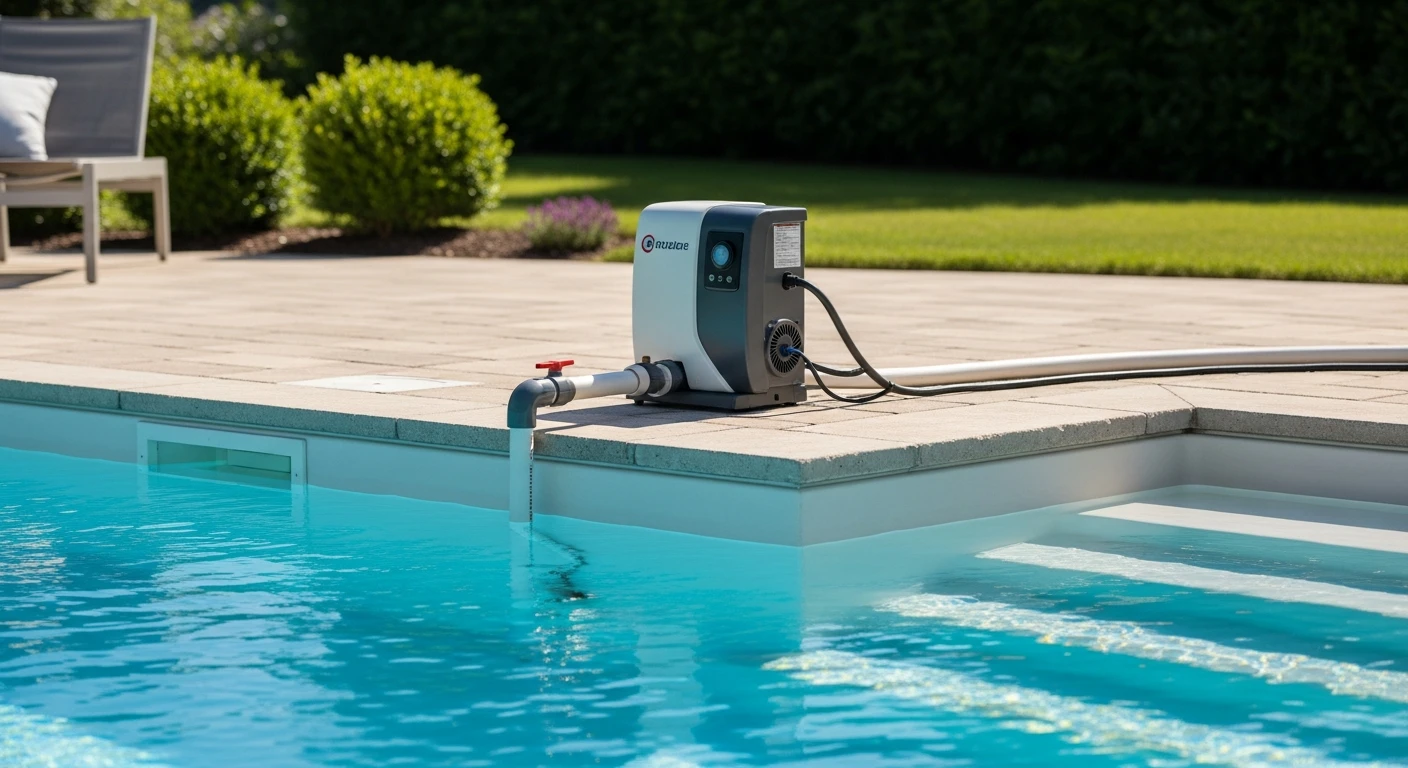
Executing the installation requires a level of precision that prevents future service calls. My process is a strict sequence of checks and countermeasures. Following this checklist is how I ensure a heater I install today will still be running efficiently five years from now, while a competitor's might be rusting out. Here are the critical steps I take:- I begin with the equipment pad. It must be elevated at least 4 inches to avoid moisture wicking from the ground and flooding during our heavy summer rains.
- I install a sacrificial anode rod into the plumbing before the heater. This is a simple trick from the water heater industry that almost no one in the pool business does. It attracts corrosive elements in the water, sacrificing itself to protect the expensive heat exchanger.
- All electrical connections, especially to the ignition control module, are coated with a dielectric grease compound. This is my secret weapon against the fine, salt-laced mist that inevitably gets inside the unit and causes ghost errors.
- For ventilation, especially within a lanai, I calculate the required net free area for intake and exhaust, often recommending a secondary vent to ensure proper airflow and prevent the unit from overheating and shutting down on a hot August afternoon.
- The final step is the Bypass Valve Calibration. I meticulously adjust the water flow rate through the heater. Too fast, and you get poor heat transfer; too slow, and you risk overheating and scaling. I aim for the precise GPM (gallons per minute) recommended for that specific heat exchanger to maximize thermal absorption.
Precision Adjustments and My Quality Assurance Standard
After the system is running, I perform a final 20-point quality check. This includes a combustion analysis with a digital analyzer to check CO2 levels and ensure clean, efficient burning. I also take temperature readings at the inlet and outlet to confirm the Delta T (temperature differential) matches the performance specs. It's this final layer of data-driven verification that confirms the unit is not just working, but working at peak efficiency for our specific Collier County conditions. A small adjustment to the bypass might increase the effective heat transfer by another 3-5%, saving the client money every time the heater fires up. So, when evaluating your own gas pool heater, are you confident your installer calibrated the water flow with a flow meter to protect the heat exchanger, or did they just open the valves and walk away?Written by

Tags
natural gas pool heater
swimming pool heaters gas
natural gas swimming pool heater
pool heaters for inground pools natural gas
Gas Pool Heaters in Collier FL FAQ
What is a gas pool heater?
A gas pool heater is a device that heats your pool water using natural gas or propane. It is designed to warm the water to a comfortable temperature, allowing you to enjoy your pool year-round.
How does a gas pool heater work?
A gas pool heater works by using a burner to heat the water in your pool. The burner is fueled by natural gas or propane, and the heated water is then circulated through the pool using a pump.
Are gas pool heaters energy-efficient?
Yes, gas pool heaters are generally more energy-efficient than electric heaters. Gas heaters can heat your pool water faster and more efficiently than electric heaters, which can save you money on your energy bills.
What are the benefits of using a gas pool heater?
The benefits of using a gas pool heater include faster heating times, increased energy efficiency, and the ability to heat your pool water to a comfortable temperature. Gas heaters also tend to be more durable and long-lasting than electric heaters.
Can I install a gas pool heater myself?
It is not recommended to install a gas pool heater yourself, as it requires specialized knowledge and equipment. It is recommended to hire a professional pool technician to ensure the installation is done safely and correctly.
How often should I maintain my gas pool heater?
It is recommended to maintain your gas pool heater regularly to ensure it operates safely and efficiently. This includes cleaning the filter, checking the gas line, and performing routine checks on the heater's electrical components.
Can I use a gas pool heater with a saltwater pool?
Yes, gas pool heaters can be used with saltwater pools. However, it is important to ensure that the heater is compatible with the saltwater system and that the system is properly maintained to prevent corrosion.
How long does a gas pool heater typically last?
The lifespan of a gas pool heater typically ranges from 10 to 20 years, depending on usage and maintenance. Regular maintenance can help extend the life of your heater.
What are the costs associated with installing a gas pool heater?
The costs associated with installing a gas pool heater include the cost of the heater itself, installation labor, and any necessary permits or inspections. The total cost can vary depending on the size and complexity of the installation.
Can I finance my gas pool heater installation?
Yes, many pool heating companies offer financing options for gas pool heater installations. Be sure to ask about financing options when you contact a pool heating professional.