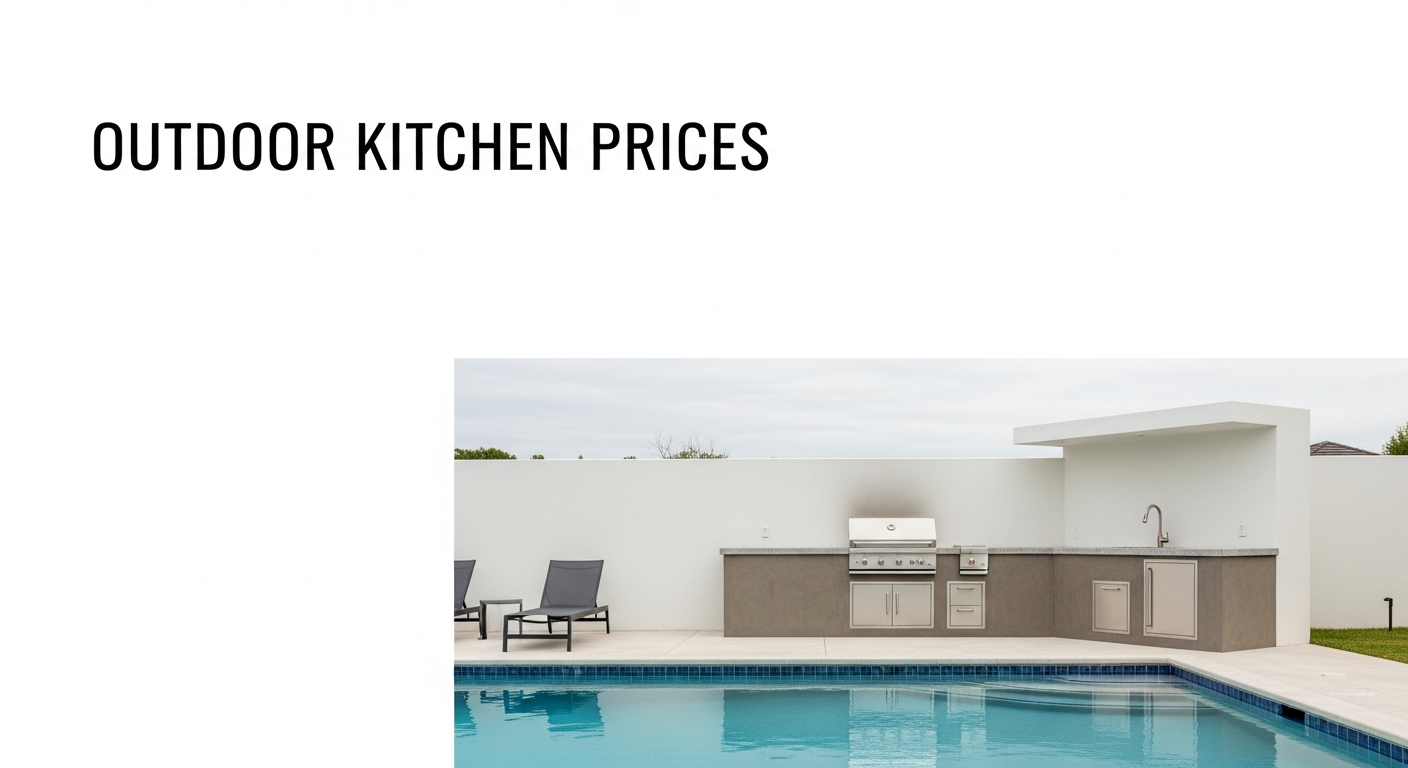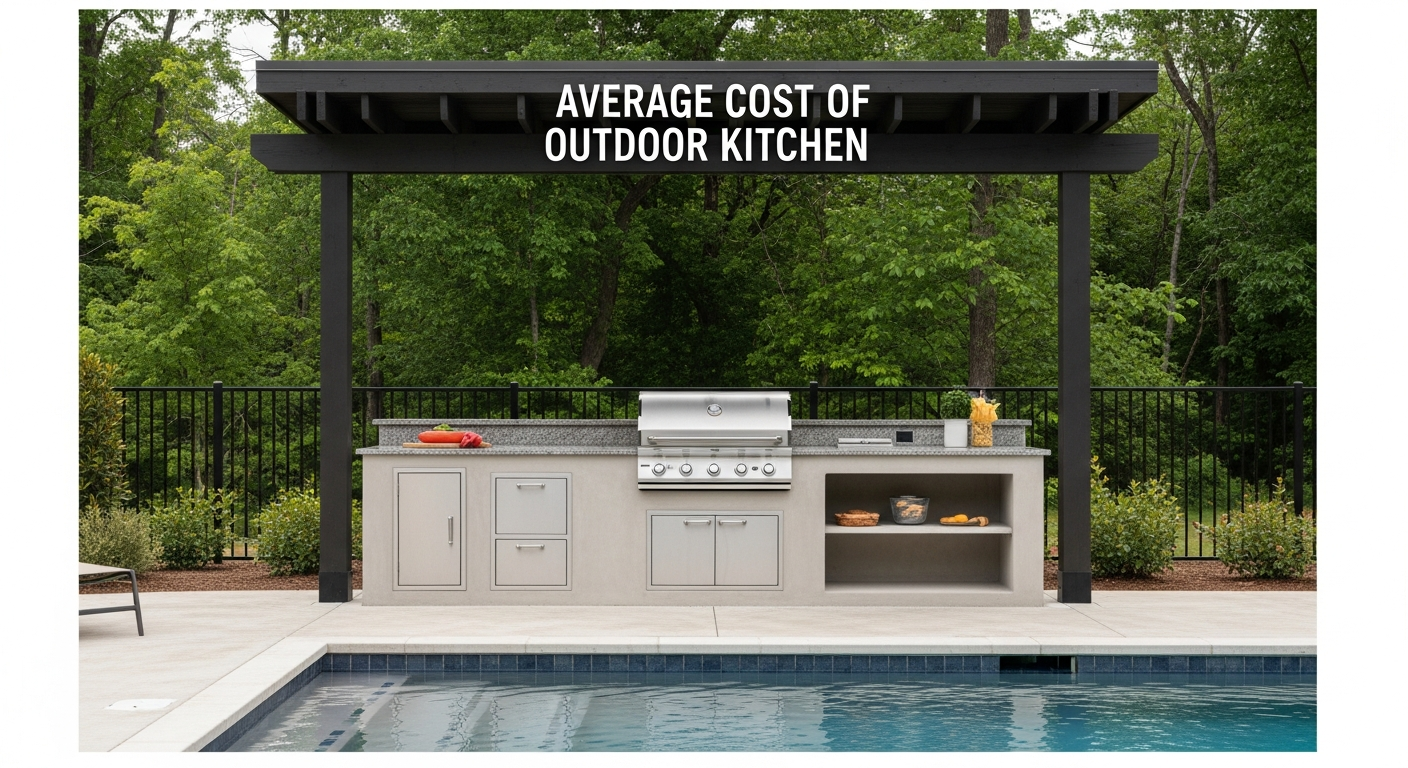
Average Cost of Outdoor Kitchen in Sarasota: A Framework for Avoiding 30% Material Degradation Costs
The most common question I get is, "What's the average cost for an outdoor kitchen in Sarasota?" My direct answer is that focusing on a simple average is the fastest way to a failed project within five years. The real cost isn't in the initial quote; it's in the long-term material resilience against Sarasota's unique cocktail of high humidity, intense UV exposure, and corrosive salt air, especially for homes west of I-75. I've been called in to assess failing outdoor kitchens in beautiful neighborhoods from Lido Key to The Oaks, and the root cause is almost always the same: a build specified with materials suited for a dry, inland climate. My entire approach is built on a "climate-first" cost analysis. This means the initial investment might be 15% higher, but it prevents the catastrophic 30-40% cost of premature replacement and repairs due to rust, warping, and electrical failure.Beyond the Quote: My Coastal Durability Audit for Sarasota Homes
After seeing a high-end project on Bird Key suffer from severe corrosion on its stainless steel cabinets within 24 months, I developed what I call the Coastal Durability Audit. It's a non-negotiable first step before I even discuss appliances. A standard quote lumps everything together; my audit isolates the three most critical (and costly) failure points in our specific coastal environment. It's a diagnostic tool that shifts the conversation from "how much?" to "how long and how well?" The audit is a three-point inspection framework:- Material Corrosion Index (MCI): This analyzes the grade of stainless steel, the type of polymer for cabinetry, and the porosity of the stone.
- Structural Wind Load Compliance: I assess if the structure's anchoring and materials meet the stringent Florida Building Code (FBC) requirements for our hurricane-prone region.
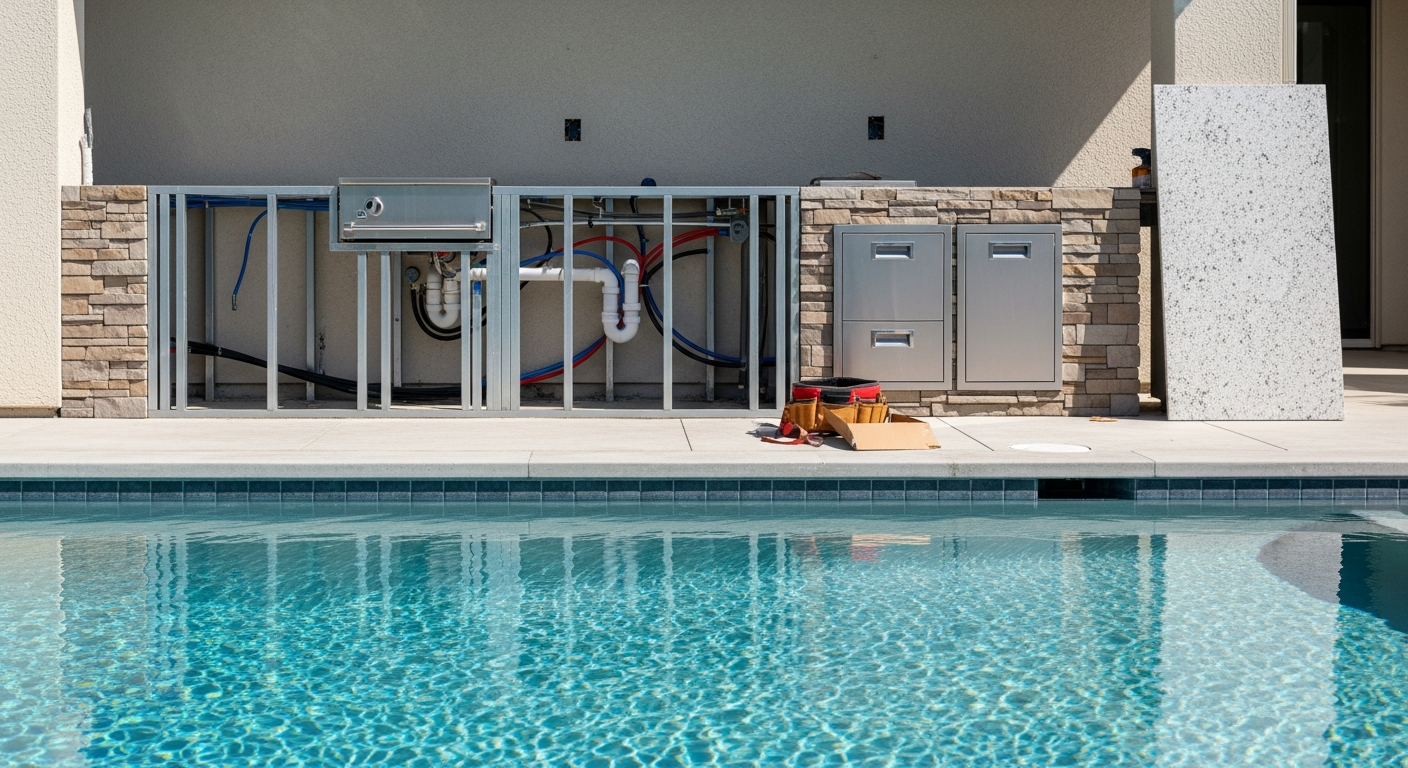
- Utility & Drainage Plan: This maps out gas lines, GFCI-protected electricals, and water drainage to prevent water intrusion and mold, a pervasive issue in Sarasota's humid climate.
Material Selection Deep-Dive: 316L Steel vs. 304 and Marine-Grade Polymers
This is where the real cost savings are found. A contractor might quote you for appliances and cabinets using 304-grade stainless steel. It looks great initially. But in a home on Siesta Key, the airborne salt will cause pitting and rust within a couple of seasons. I insist on specifying 316L marine-grade stainless steel for any project near the water. The "L" stands for low carbon, and the addition of the element molybdenum provides superior corrosion resistance. This single decision can add 10-20% to the appliance cost but increases the functional lifespan by over 100%. For cabinetry, I steer clients away from wood or even standard PVC. The relentless Sarasota sun and humidity cause warping and delamination. My go-to recommendation is a high-density polyethylene (HDPE) or "marine-grade" polymer cabinet. These are completely waterproof, UV-stable, and won't become a breeding ground for mold. The cost is higher than a prefabricated big-box store unit, but the total cost of ownership is drastically lower.Cost Tiers and Implementation Checklist for Sarasota
Based on my audit, I can provide a realistic cost structure. These aren't just low-medium-high; they are tied to specific use cases and locations common in Sarasota.The Palmer Ranch Practical Build: $15,000 - $30,000
This is for a functional, durable setup typically built into the lanai of a home in a community like Palmer Ranch or University Park, where salt air is less of a factor.
- Structure: Masonry block or prefabricated metal frame.
- Appliances: High-quality 304 stainless steel grill, access doors.
- Countertop: Mid-range granite or sealed concrete.
- Utilities: Simple propane line or hard-piped natural gas, one or two GFCI electrical outlets.
The Lakewood Ranch Entertainer's Hub: $30,000 - $70,000
This client hosts frequently and needs more than just a grill. The focus is on workflow, amenities, and higher-end finishes suitable for newer, larger homes.
- Structure: Custom masonry with stone or stucco veneer.
- Appliances: 304 or 316L steel grill, side burners, outdoor-rated refrigerator, and sink.
- Countertop: High-grade granite or quartzite (better for UV resistance).
- Cabinetry: Powder-coated stainless steel or entry-level marine-grade polymer.
- Utilities: Full plumbing, multiple electrical circuits for lighting and appliances.
The Lido Key Waterfront Showcase: $70,000+
For these projects, there are no compromises. Durability against direct salt spray is the primary design driver. This is a full, custom outdoor room.
- Structure: Poured concrete or heavy-gauge steel frame, fully integrated with the patio.
- Appliances: All appliances must be 316L marine-grade stainless steel. This includes the grill, refrigerator drawers, ice maker, and sink.
- Countertop: High-end quartzite or Dekton, which is nearly indestructible.
- Cabinetry: Top-tier marine-grade polymer (HDPE) cabinets.
- Utilities: Complex electrical including task lighting, audio systems, and potentially a motorized pergola, requiring a sub-panel.
Precision Adjustments and Quality Standards
Two "pulos do gato" I always build into my plans are proper drainage and overhangs. I mandate a minimum 1/4 inch per foot slope on all countertops, directing water away from the house and appliances. This is a small detail that prevents pooling and staining during our daily summer downpours. Second, I specify a minimum 1.5-inch countertop overhang. This small lip protects the cabinet faces from direct sun and rain, drastically reducing cleaning and extending the finish life. These are the zero-cost details that signal a truly professional build versus a standard assembly. Now that you understand the material science, have you audited your contractor's quote to specify the molybdenum content in their proposed stainless steel?Written by

Tags
custom outdoor kitchen cost
outdoor kitchen cost to build
average price of outdoor kitchen
covered outdoor kitchen cost
average cost to build outdoor kitchen